Attractions and Places To See around Fresneda De Altarejos - Top 5
Attractions and places to see around Fresneda De Altarejos include historical landmarks, cultural sites, and natural features within the province of Cuenca, Spain. This municipality is characterized by a landscape transitioning between mountains and cultivated land, featuring pine forests and agricultural parcels. The area offers a blend of historical structures, such as 16th-century churches and bridges, alongside natural beauty provided by the Júcar River and surrounding countryside. Visitors can explore traditional architecture and quiet forest areas, ideal for tranquil hikes.
…Last updated: July 12, 2026
Villar de Olalla
Highlight • Settlement
Church of the Nativity of Our Lady: A 16th century church with an impressive dome and wooden altarpiece.
It offers numerous trails and routes to explore on foot or by bike.🌄🚶♀️🚵🚴😎
Translated by Google •
Tip by

Puerto de Cabrejas
Highlight • Mountain Pass
Translated by Google •
Tip by

Sign up now to discover places like this
Get recommendations on the best single tracks, peaks, & plenty of other exciting outdoor places.
Sign up for free
San Roque Hermitage and Rock-Cut Tombs
Highlight • Historical Site
When we are close it can already be seen on the …
Translated by Google •
Tip by

Centennial Pine Near Malpensa
Highlight • Natural Monument
Translated by Google •
Tip by
Albaladejo del Cuende
Highlight • Settlement
Translated by Google •
Tip by

Start today with a free account
Your next adventure awaits.
Login or Signup
Popular around Fresneda De Altarejos
Tips from the Community

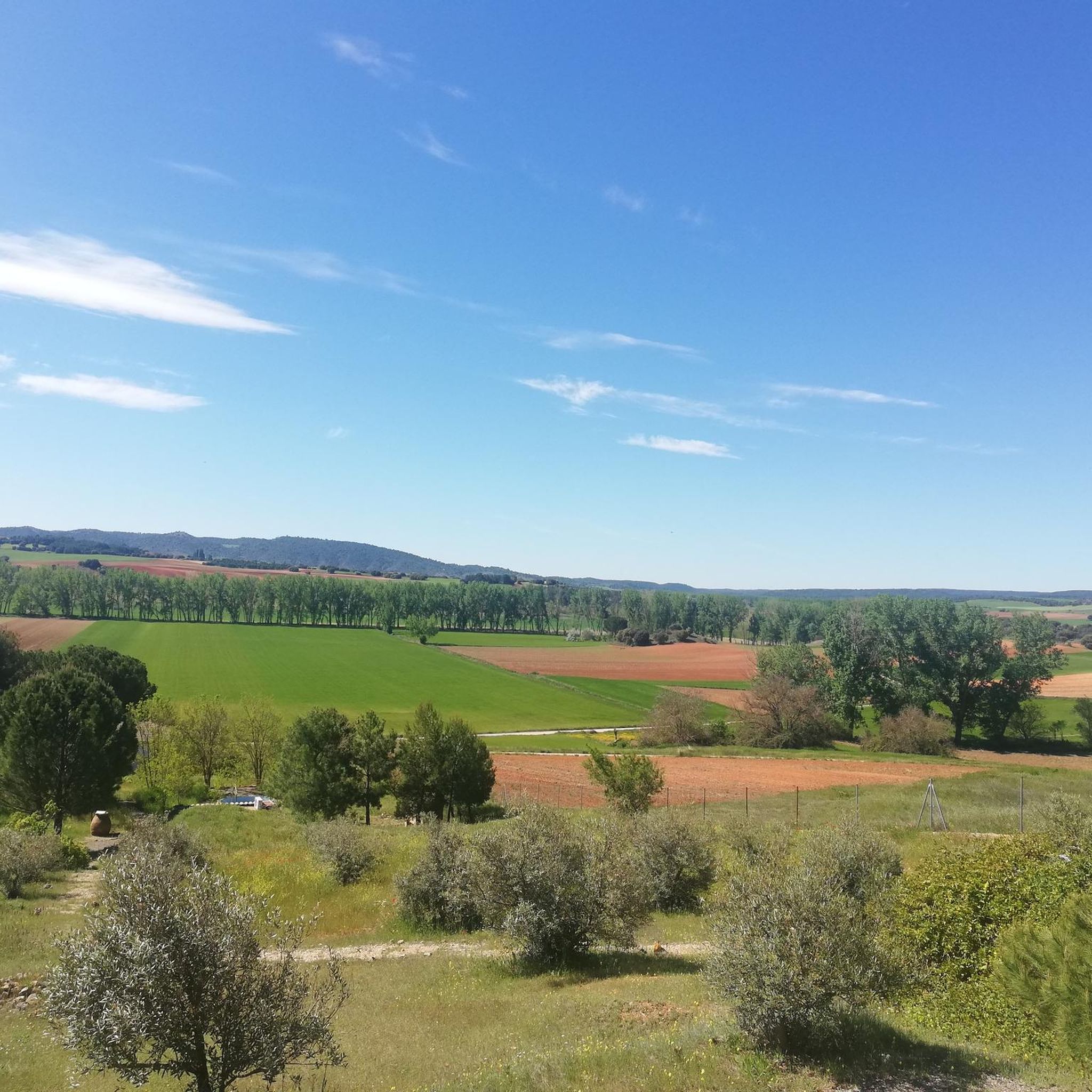
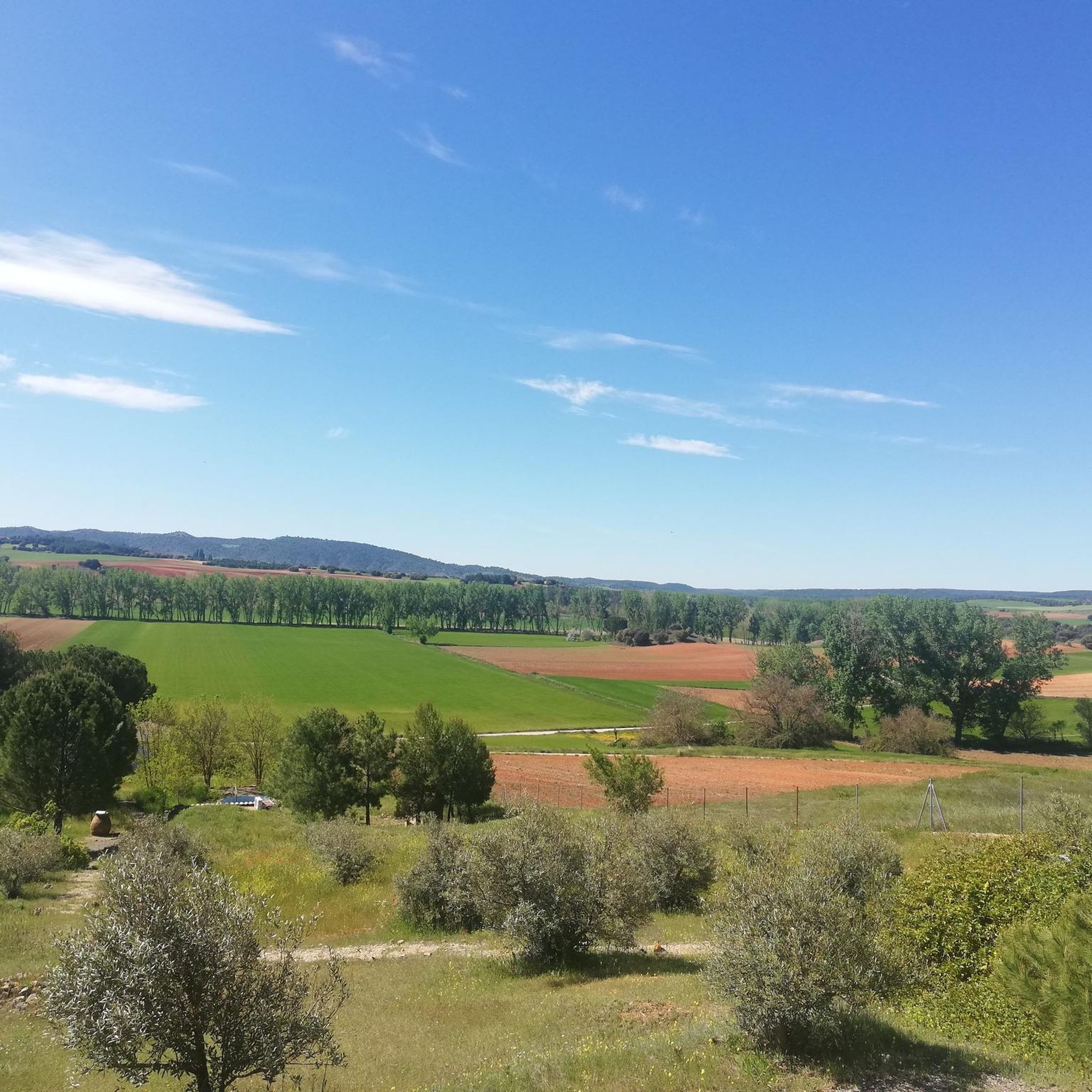
The Port of Cabrejas, located in Abia de la Obispalía, in the province of Cuenca, is a beautiful town that stands out for its enviable natural surroundings. Surrounded by mountains and valleys, this picturesque port captivates its visitors with its green meadows and lush forests. The crystal-clear waters of the rivers that flow through the area create a calm and serene atmosphere, perfect for those looking to escape the hustle and bustle of the city.
2
0
Villar de Olalla is a lovely place to visit! Church of the Nativity of Our Lady: A 16th century church with an impressive dome and wooden altarpiece. It offers numerous trails and routes to explore on foot or by bike.🌄🚶♀️🚵🚴😎
11
0

The path is signposted, when there is a wide fork you have to continue straight on to the right. When we are close it can already be seen on the left. There is no path, you have to leave the road and cross the field. They are two different buildings: the one we see from the road, which consists of a hermitage and tombs, and the one we see when we approach on the left on the rocks, which consists of a kind of grazing shelter.
0
0
Huge century-old pine near Malpensa. To get there you have to go to the site on the map and then go about 100 meters straight into the pine forest on the right.
0
0

Typical small town of the province of Cuenca and which is surrounded by a set of rounded hills and large areas of land that in this case end at the Alarcón Reservoir.
0
0

Just 17 km from Cuenca, it is a fairly easy pass to climb, although there are some ramps of up to 12%, but the most difficult part is barely 3 km. Good idea to start the season.
4
0
It is a very pretty town that is located close to the capital of the province, Cuenca. Here you can visit its church and its beautiful old town.
2
0
Frequently Asked Questions
What historical landmarks can I explore in Fresneda de Altarejos?
Fresneda de Altarejos offers several historical landmarks. You can visit the 16th-century Iglesia Nuestra Señora de la Asunción, which features a medieval baptismal font and Baroque altarpieces. Another significant site is the Puente del Castellar, a beautiful 16th-century bridge spanning the Júcar River, historically part of an ancient Roman road. Don't miss the Ermita de San Bartolomé, a small Renaissance-style hermitage from the 15th century.
Are there any notable natural features or scenic spots around Fresneda de Altarejos?
Yes, the region is rich in natural beauty. The Júcar River flows through the municipal area, offering scenic views, especially around the Castellar Bridge. You'll find quiet forest areas and rock formations revealing ancient geological conditions. The rural landscape with fields of cereals and sunflowers provides picturesque views, particularly at sunset. The area is also close to the Parque Natural de la Serranía de Cuenca, expanding opportunities for natural excursions.
What kind of outdoor activities can I do around Fresneda de Altarejos?
The area is ideal for tranquil hikes through its paths and forest areas. For cycling enthusiasts, there are numerous routes. You can explore road cycling routes like the Villar de Olalla – Júcar River loop, or tackle MTB trails such as La Calzadilla Trail.
Are there specific hiking or cycling routes recommended near the attractions?
For hiking, the municipality's paths lead to quiet forest areas perfect for tranquil walks. For cycling, you can find various routes. Road cyclists might enjoy the 'Villar de Olalla – Júcar River loop' or the 'Albaladejo del Cuende – Views of the Alarcón Reservoir loop'. Mountain bikers have options like the 'La Calzadilla Trail' or the 'Centennial Pine Near Malpensa – Ermita de Malpensa loop'. You can find more details on road cycling and MTB trails.
What cultural sites are worth visiting in the area?
Beyond the main church, the Ermita de San Bartolomé is a small, Renaissance-style hermitage from the 15th century. The town itself showcases traditional masonry houses with inclined roofs, reflecting local architecture. The Cañada Real de los Chorros, a historic Royal Cattle Trail, also passes through the streets, highlighting the region's pastoral heritage.
Is Fresneda de Altarejos suitable for family visits?
Yes, the serene rural landscape and quiet forest paths make it suitable for families looking for tranquil outdoor experiences. Exploring historical sites like the Puente del Castellar or the Iglesia Nuestra Señora de la Asunción can also be engaging for older children. The nearby settlement of Villar de Olalla is also noted as family-friendly, offering trails to explore.
What is the best time of year to visit Fresneda de Altarejos for outdoor activities?
The region's landscape, with its pine forests and cultivated lands, is enjoyable across seasons. Spring and autumn generally offer pleasant temperatures for hiking and cycling. The picturesque views of cereal and sunflower fields are particularly captivating at sunset, suggesting warmer months can also be beautiful for evening strolls.
Where can I find ancient historical sites like necropolises?
An ancient necropolis, locally known as 'Las tumbas de los moros' (the tombs of the Moors), is located on a rocky outcrop. Some theories suggest its origins might date back to the Bronze Age. Additionally, the San Roque Hermitage and Rock-Cut Tombs offer another fascinating historical site with ancient rock-cut tombs visible from the road.
What is the significance of the Puente del Castellar?
The Puente del Castellar is considered one of the most beautiful bridges in the province of Cuenca. This 16th-century structure, built between 1552 and 1554, was crucial for facilitating the Royal Road to Granada and the Cañada Real de los Serranos. It also holds historical significance as part of an ancient Roman road connecting the cities of Segóbriga and Valeria.
Can I experience traditional rural life or architecture in Fresneda de Altarejos?
Absolutely. The town features traditional masonry houses with inclined roofs, adapted to the local climate, offering a glimpse into typical rural architecture. The presence of the Cañada Real de los Chorros, a historic cattle trail, further emphasizes the region's deep-rooted agricultural and pastoral traditions, allowing visitors to experience an authentic rural Spanish setting.
Are there any viewpoints or places to enjoy panoramic scenery?
Yes, the region offers several spots for scenic views. The Júcar River area, particularly around the Castellar Bridge, provides beautiful vistas. Additionally, Puerto de Cabrejas, located in Abia de la Obispalía, is a mountain pass and viewpoint known for its natural surroundings, including mountains, valleys, green meadows, and forests, offering panoramic scenery.
What do visitors particularly enjoy about the attractions near Fresneda de Altarejos?
Visitors appreciate the blend of historical and natural beauty. For instance, Villar de Olalla is loved for its 16th-century church and numerous trails. The natural surroundings of Puerto de Cabrejas, with its mountains, valleys, and lush forests, are highly praised. The historical intrigue of sites like the San Roque Hermitage and Rock-Cut Tombs also captivates visitors.
Are there any unique natural monuments to see?
Yes, you can find unique natural features. The area is known for its rock formations that reveal geological conditions from millions of years ago. Additionally, the Centennial Pine Near Malpensa is a notable natural monument, a huge century-old pine tree that stands out in the pine forest.
Most popular routes around Fresneda De Altarejos

Get inspired with the komoot mobile app


Explore more
Still not found the Highlight you’re looking for? See guides of the top attractions in other regions:
