The best road cycling routes around Monleón
4.8
(14)
487
riders
44
rides
Road cycling routes around Monleón are situated within the Sierra de Francia-Quilamas region of Spain, characterized by its tranquil environment and diverse terrain. The area features lush oak and chestnut forests, narrow valleys, and quiet roads, offering varied landscapes for cyclists. Notable natural features include Cervero Peak and undulating routes with significant elevation changes.
Best road cycling routes around Monleón
- The most popular road cycling route is Miranda de Castañar – Ascent to Puerto de Valero loop from Linares de…
Last updated: July 11, 2026
52
riders
91.2km
04:44
1,660m
1,660m
Hard road ride. Very good fitness required. Mostly well-paved surfaces and easy to ride.
4.3
(3)
16
riders
82.0km
04:20
1,480m
1,470m
Hard road ride. Very good fitness required. Some segments of this route may be unpaved and difficult to ride.

Sign up for free
17
riders
86.2km
04:28
1,530m
1,540m
Hard road ride. Very good fitness required. Mostly well-paved surfaces and easy to ride.
29
riders
82.0km
04:31
1,710m
1,710m
Hard road ride. Very good fitness required. Mostly well-paved surfaces and easy to ride.
12
riders
73.4km
03:29
1,000m
1,000m
Hard road ride. Very good fitness required. Mostly well-paved surfaces and easy to ride.
Get access to more routes and recommendations from other explorers.
Sign up for free
Already have an account?
Our route recommendations are based on thousands of hikes, rides, and runs completed by other people on komoot.
Start today with a free account
Your next adventure awaits.
Login or Signup
Tips from the Community

On the SA-205 highway, just outside San Esteban de la Sierra heading towards Santibáñez de la Sierra, you'll find the entrance to the Sierra Viewpoints Route, which includes several spectacular panoramic viewpoints. Views: The Alagón River Valley and its meanders. The Sierra de Francia mountain range with the Peña de Francia peak in the background. The Sierra de Béjar mountain range and the Las Quilamas Natural Area. This viewpoint is a magnificent natural balcony, perfect for photography and birdwatching (vultures, eagles, black storks).
2
0
What to see in Mogarraz The Faces of Mogarraz More than 800 portraits painted on the facades, the work of artist Florencio Maíllo, who transformed the village into an open-air museum. This initiative originated from photos taken in the 1960s for residents' national identity cards. Main Square The central oval-shaped square, surrounded by traditional mountain houses with timber framing and stone walls. Church of Our Lady of the Snows A Renaissance-style church, built between the 16th and 17th centuries. Bell Tower An old defensive tower, separate from the church, used as a watchtower in the Middle Ages. Ethnographic Museum – House of Crafts Exhibits traditional crafts such as embroidery, shoemaking, and goldsmithing.
2
0
Founded during the 12th-century repopulation of León by Alfonso IX, within the district of Miranda del Castañar. Declared a Historic-Artistic Site in 1998 and a member of the network of the Most Beautiful Villages of Spain. Its mountain architecture combines stone, wood, and adobe, with flower-adorned balconies and heraldic details.
2
0
What to see in Miranda del Castañar Medieval Walls: Over 600 meters remain intact, with four gates facing the cardinal directions: San Ginés, Nuestra Señora, La Villa, and El Postigo. Zúñiga Castle: A 15th-century fortress, symbol of the former County of Miranda. Although the interior is not open to the public, its exterior and keep are impressive. Square Bullring: Considered one of the oldest in Spain, built in the 16th century on the site of the former parade ground. Church of Santiago and San Ginés: Gothic in style (13th-16th centuries), with a detached 17th-century bell tower. Houses with Coats of Arms: More than 80 noble coats of arms adorn the facades, reflecting the town's aristocratic past.
8
0
Miranda del Castañar, one of the most beautiful villages in Spain, is located in the Sierra de Francia (Salamanca): Founded in 1213 by Alfonso IX of León as a town and council, it was the administrative capital of the Sierra de Francia. In the 15th century, the County of Miranda was created under the control of the Zúñiga family, consolidating its strategic importance.
9
0
The Soto Bridge, also known as the Roman Bridge of Sotoserrano, is a historic stone structure that spans the Alagón River in the Las Batuecas-Sierra de Francia Natural Park. It is located in the town of Sotoserrano, famous for being at the confluence of three rivers: the Alagón, the Francia, and the Cuerpo de Hombre. The bridge is one of the town's symbols and a key point on several hiking and cycling routes.
2
0
This is the tourist and gastronomic area of Guijuelo, considered the birthplace of acorn-fed Iberian ham with Protected Designation of Origin (PDO Guijuelo). More than 150 ham and cured meat producers are concentrated here. The cold, dry climate of the Sierra de Béjar favors a slow, natural curing process, giving the ham a sweeter, more unctuous flavor.
3
0

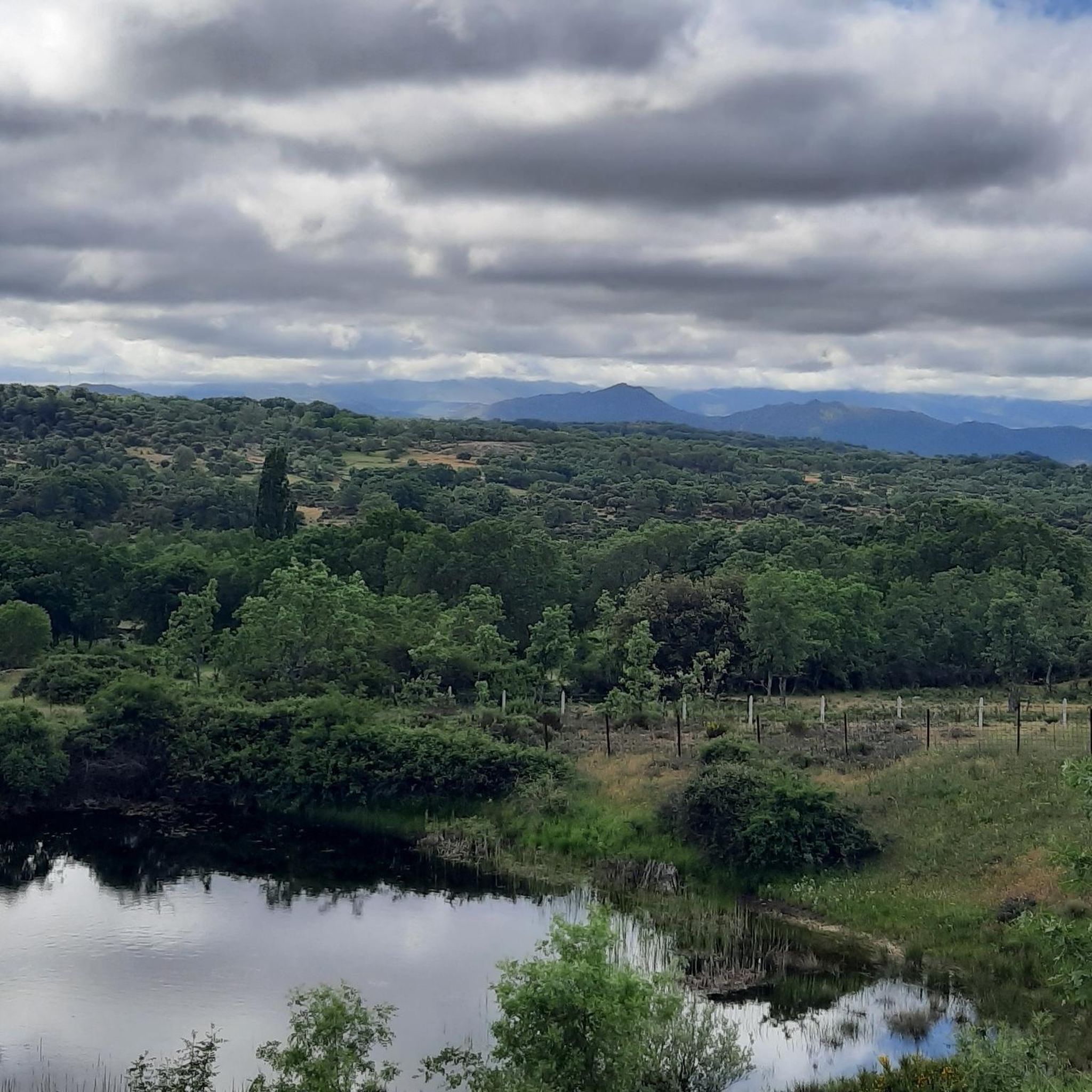
View of the vast Sierra de Francia. Countless church trees grow in the area around Madronal.
0
0
Frequently Asked Questions
How many road cycling routes are available around Monleón?
The Monleón area offers a diverse selection of over 30 road cycling routes, catering to various skill levels. You'll find options ranging from easy scenic rides to challenging mountain ascents through the Sierra de Francia-Quilamas region.
What is the terrain like for road cycling in Monleón?
Road cycling in Monleón features varied terrain, from tranquil, lonely roads winding through oak and chestnut forests to narrow valleys and significant climbs. The region is known for its undulating routes and stunning mountain scenery, providing an engaging experience for cyclists who appreciate elevation changes.
What do other cyclists enjoy most about road cycling in Monleón?
The komoot community highly rates road cycling in Monleón, with an average score of 5.0 stars from over 9 reviews. Cyclists frequently praise the quiet roads, diverse landscapes, and the sense of peaceful seclusion offered by the Sierra de Francia-Quilamas region. Over 360 road cyclists have already explored this area using komoot.
Are there road cycling routes suitable for beginners in Monleón?
Yes, Monleón offers 3 easy road cycling routes, perfect for beginners or those looking for a more relaxed ride. These routes typically feature less challenging ascents and provide a gentle introduction to the region's beautiful scenery.
Are there challenging road cycling routes for experienced cyclists?
Absolutely. For experienced cyclists seeking a challenge, Monleón boasts 17 difficult road cycling routes. These often include significant climbs and longer distances, such as the Miranda de Castañar – Ascent to Puerto de Valero loop from Linares de Riofrío, which covers nearly 100 km with over 2000 meters of elevation gain.
Can I find long-distance road cycling routes in the Monleón area?
Yes, the region around Monleón is ideal for long-distance road cycling. Many routes extend over 60 km, offering ample opportunity for extended rides through varied landscapes. For example, the Ascent to Puerto de Cristóbal – Granite Theme Park loop from Linares de Riofrío is over 100 km long and takes around 5 hours to complete.
What natural features and viewpoints can I expect to see while cycling?
While cycling around Monleón, you'll encounter lush oak and chestnut forests, narrow valleys, and picturesque fields. Notable natural highlights include the impressive Cervero Peak and the scenic Ascent to Puerto de Valero, both offering stunning views of the Sierra de Francia-Quilamas region.
Are there any unique cultural attractions along the road cycling routes?
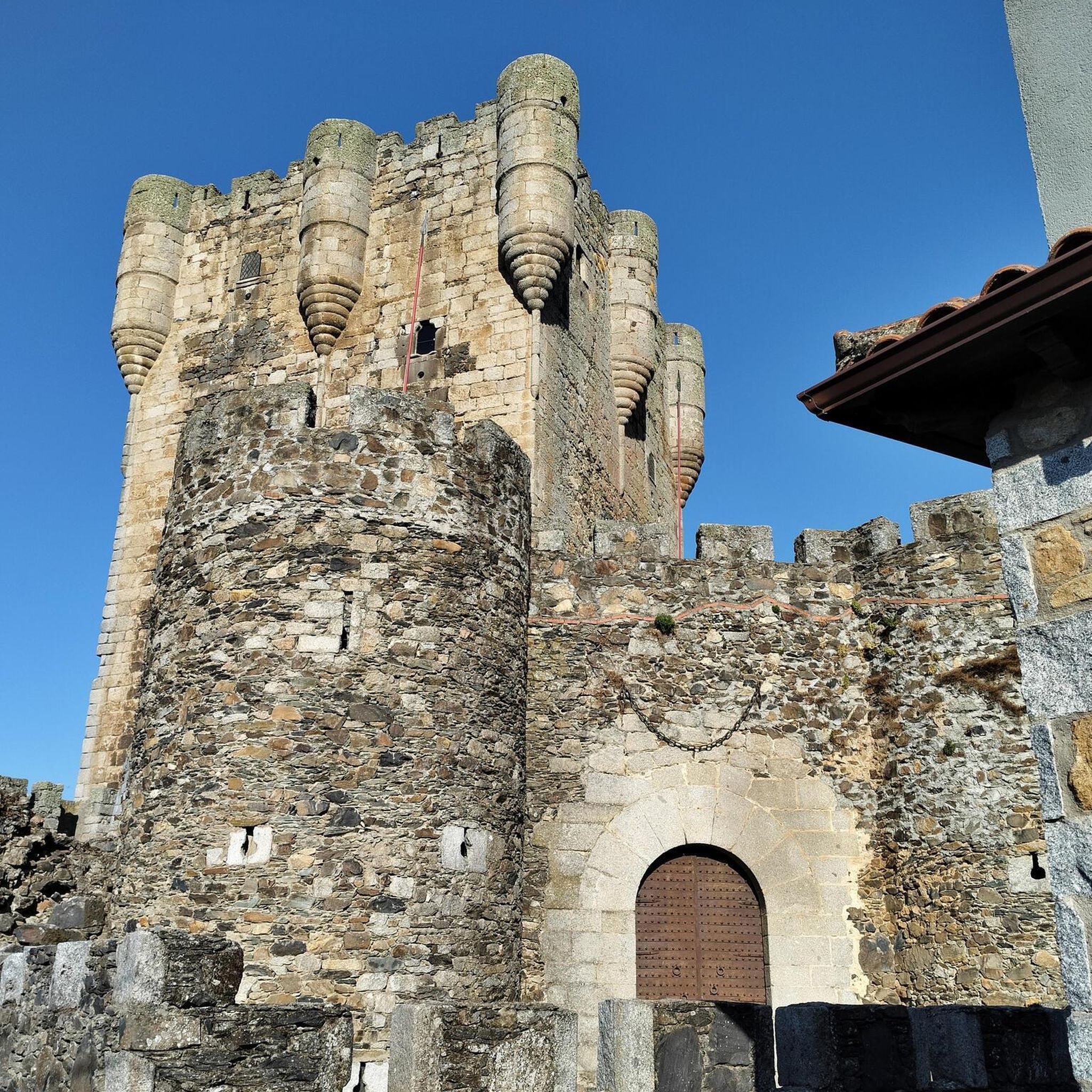
Yes, you can combine your ride with cultural stops. A unique attraction is the Granite Theme Park, Spain's only granite theme park, which transforms a former quarry into an artistic space with monumental sculptures. The village of Monleón itself also features a 15th-century castle with its notable Tower of Homage.
Is Monleón suitable for family-friendly road cycling?
While many routes involve significant climbs, there are 3 easy routes that could be suitable for families with older children or those comfortable with road cycling. The quiet roads in the region generally offer a safer and more relaxed environment for all cyclists.
Can I bring my dog on road cycling routes in Monleón?
Road cycling routes are generally not ideal for dogs due to traffic and the pace of cycling. However, the region's natural beauty, with its forests and quiet paths, might offer opportunities for walks or other outdoor activities with your dog off the main cycling routes.
Are there cafes or accommodation options along the road cycling routes?
The region around Monleón, including small towns in the southern Castilian plateau, offers opportunities to find cafes, pubs, and accommodation. While specific stops vary by route, exploring these charming villages can provide convenient breaks and places to stay.
What is the best time of year for road cycling in Monleón?
The region's climate generally allows for pleasant cycling during spring and autumn, when temperatures are milder. Summer can be warm, but early mornings or late afternoons are often suitable. Winter cycling is possible, but be prepared for cooler temperatures and potentially more variable weather conditions.
Are there circular road cycling routes around Monleón?
Yes, many of the road cycling routes around Monleón are designed as circular loops, allowing you to start and finish at the same point. This is convenient for exploring the diverse landscapes without needing to retrace your path, such as the San Miguel de Valero – Granite Theme Park loop from Linares de Riofrío.
Most popular attractions around Monleón

Get inspired with the komoot mobile app


Explore more
Browse the best Road cycling routes in other regions.
