Attractions and Places To See around Viver I Serrateix - Top 20
Attractions and places to see around Viver I Serrateix, a municipality in the Berguedà region of Catalonia, Spain, offer a blend of historical landmarks and natural landscapes. The area is characterized by rolling hills, dense forests, and winding streams, providing opportunities for outdoor activities. It is an ideal destination for those seeking a tranquil rural experience with cultural heritage.
Best attractions and places to see around Viver I Serrateix
- The most popular attraction is Graugés Lake, a lake suitable…
Last updated: August 16, 2026
The Manresa Canal
Highlight • Structure
Its construction was highly problematic, as the Bishop of Vic opposed …
Translated by Google •
Tip by

Mal Pas de Capolat
Highlight • Mountain Pass
Translated by Google •
Tip by

Sign up now to discover places like this
Get recommendations on the best single tracks, peaks, & plenty of other exciting outdoor places.
Sign up for free
Graugés Lake
Highlight • Lake
Translated by Google •
Tip by

Castellnou Castle Tower
Highlight • Castle
Tip by

Manresans' Weir
Highlight • Monument
Translated by Google •
Tip by

Sign up for free to discover even more attractions around Viver I Serrateix.
Sign up for free
Already have an account?
Start today with a free account
Your next adventure awaits.
Login or Signup

Tips from the Community

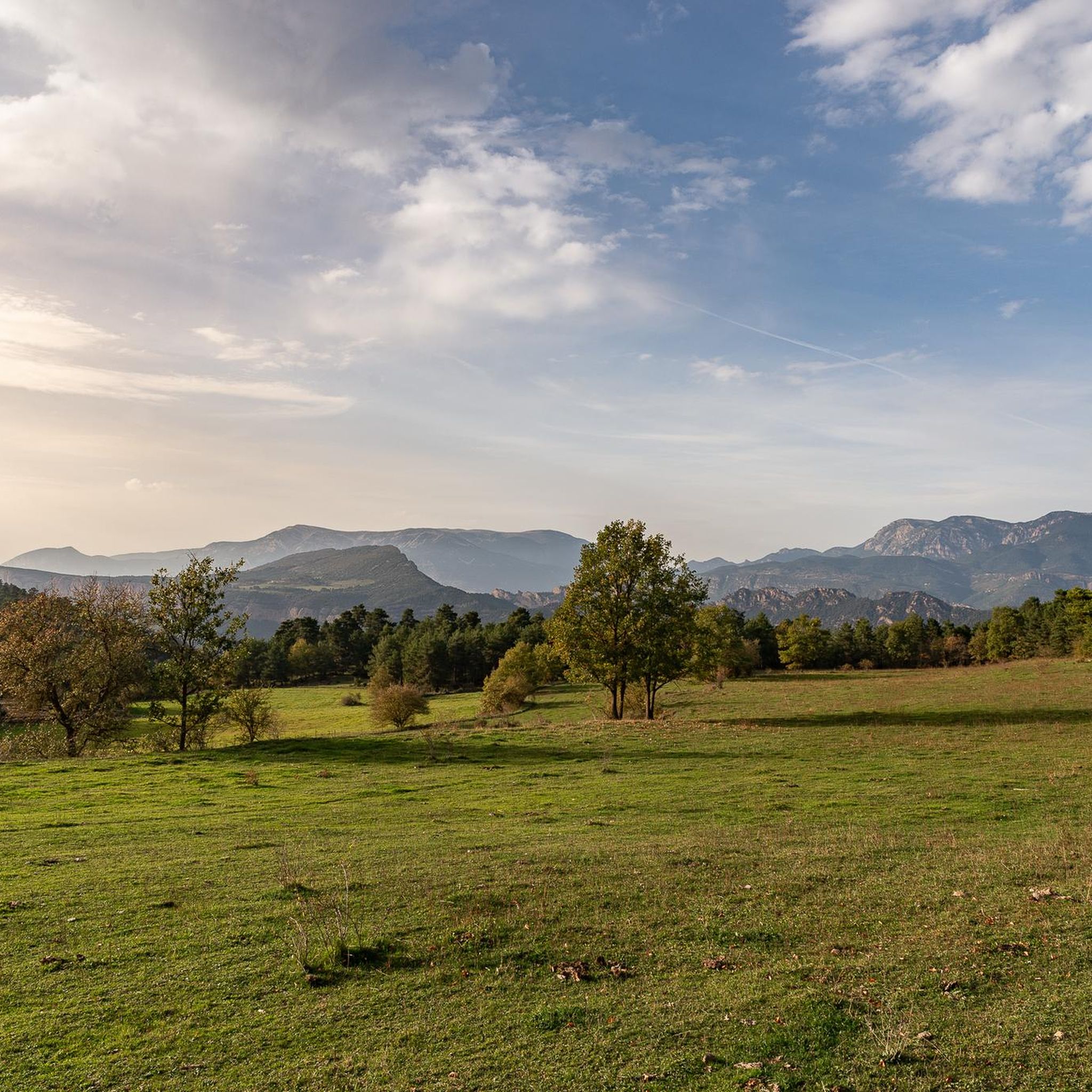
the Inici de la Sèqui, a space of great beauty, landscape and a space of tranquility
0
0

Beautiful lake located in an environment that in spring and autumn dresses it in a thousand colors and birdsong...and without asking for anything, we have a good restaurant right on the shore (Cal Garretà) that takes care of the smells of so much eat like from the fireplace.
0
0

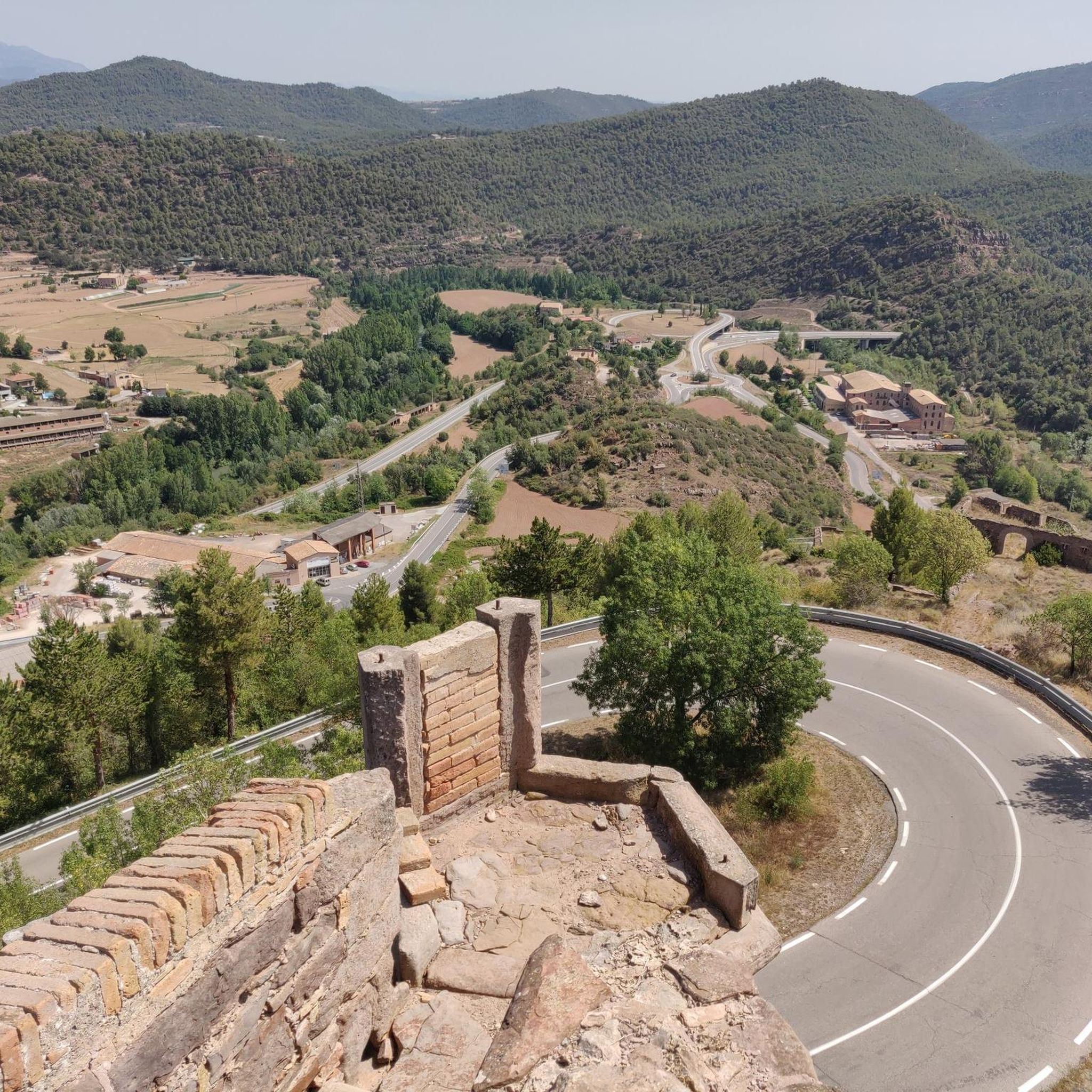
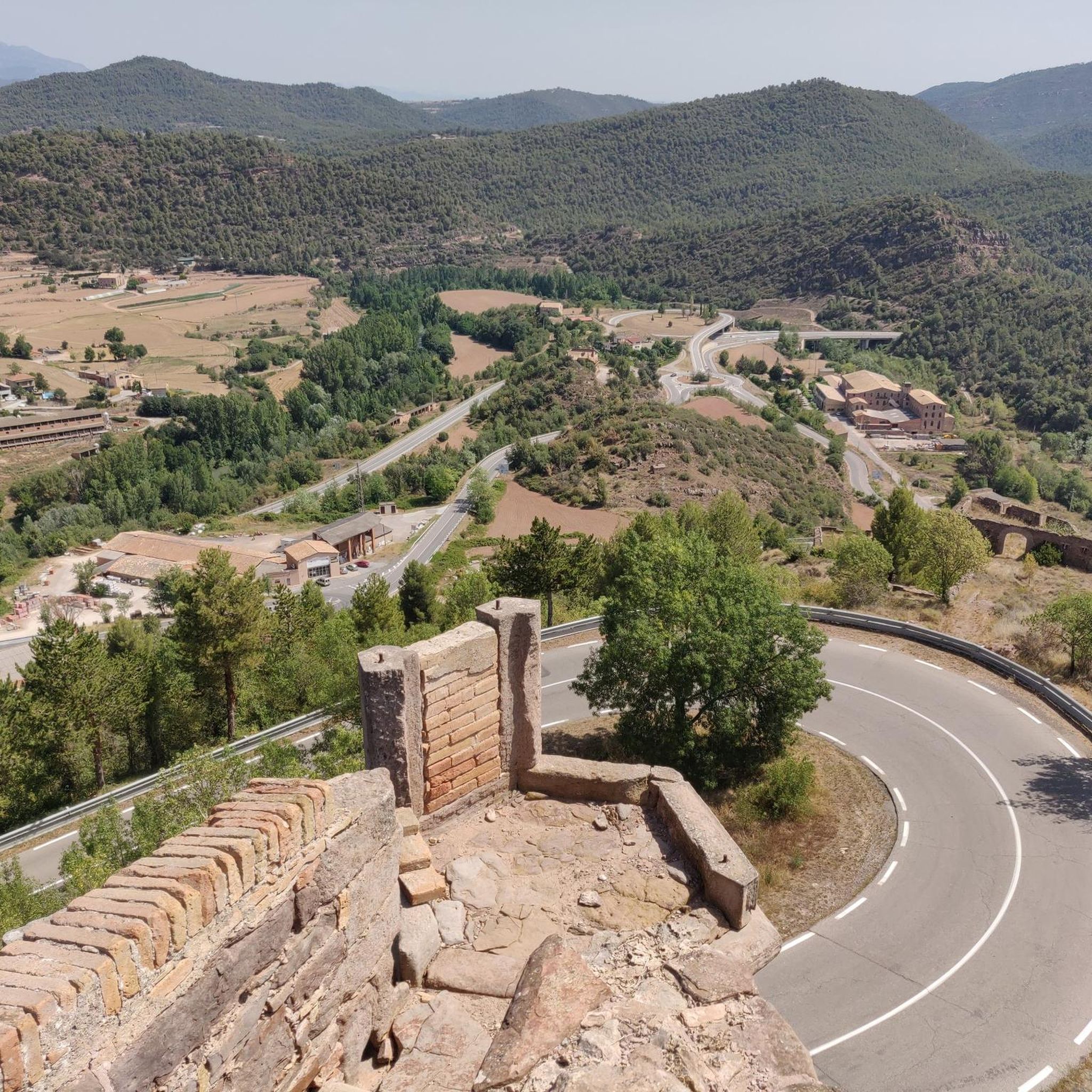
Ideal port on its southern slope for those who like climbs with high percentages. Mostly concreted road with a spectacular layout as it is excavated in the rock.
0
0

This 26-kilometre-long ditch that carries water to Manresa was built in the 14th century by the master Guillem Catà. Its construction was highly problematic, as the Bishop of Vic opposed its construction because it passed through the bishopric's land and threatened its promoters with excommunication. The bishop died before the works were finished and even so he really excommunicated the workers and the councilors of Manresa, in addition to interrupting the practice of the sacraments throughout the city. The bishop's successor maintained a more dialogue attitude, accepting the compensation offered by the city. However, legend has it that divine intervention became necessary, in the form of a mysterious light from Montserrat that entered through the stained glass windows of the Carmen church, at the same time that the bells began to ring by themselves. The bishop, seeing this phenomenon, regretted his position, but died shortly after, and his successor did not take long to reverse the situation and lift the excommunication.
1
1

The climb itself is very steep, and on concrete surface. But the rolling hills to Capolat afterwards are surrounded by very beautiful Catalan country side.
0
0

Beginning of the channel called "Sèquia de Manresa" built in 1385 to carry water from the Llobregat river to the city of Manresa. The canal is 26 km long and has a drop of 10 meters. An authentic engineering work of the Middle Ages.
2
1

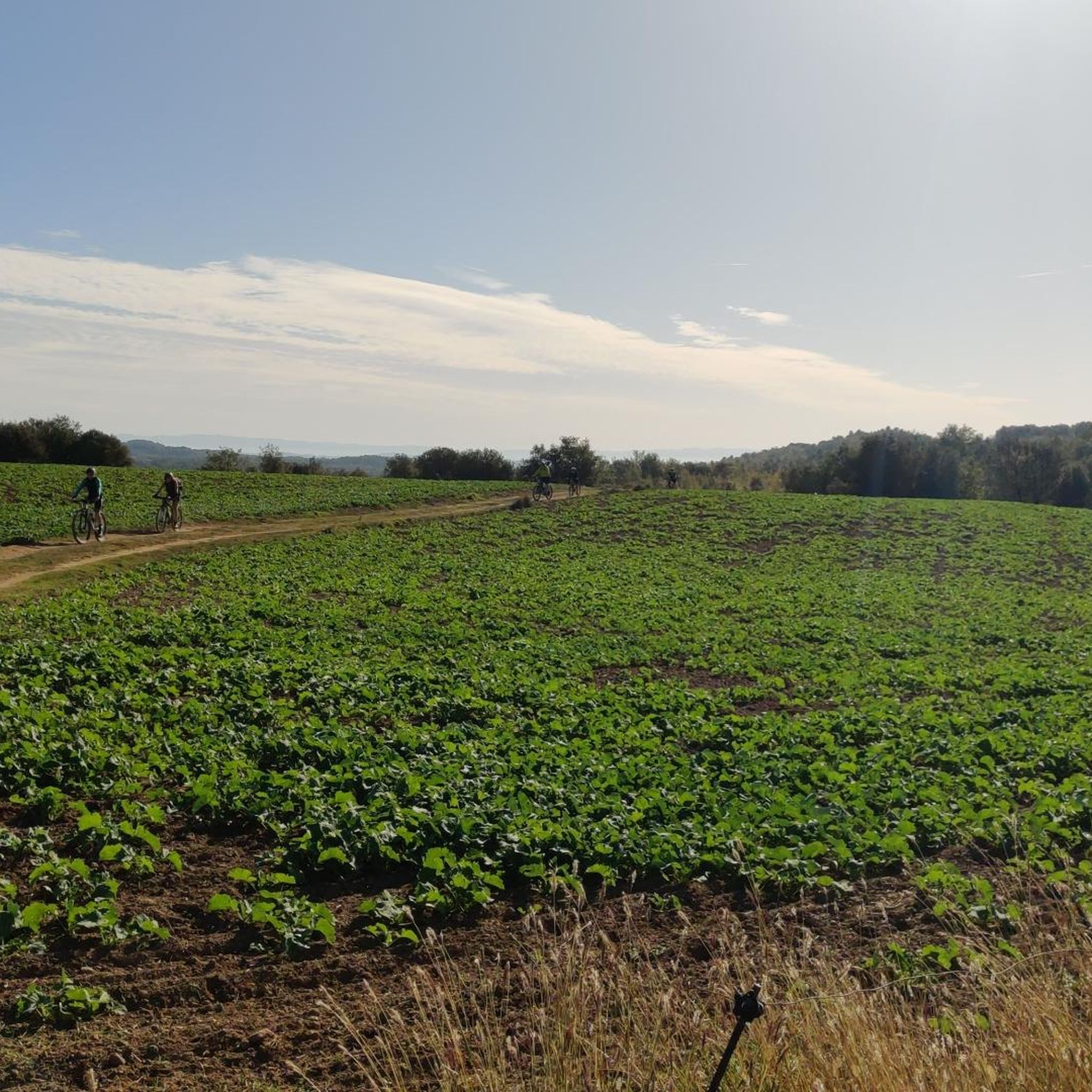
Lake with track that surrounds it suitable for MTB and Gravel. A good place to stop for a moment on the route.
0
0

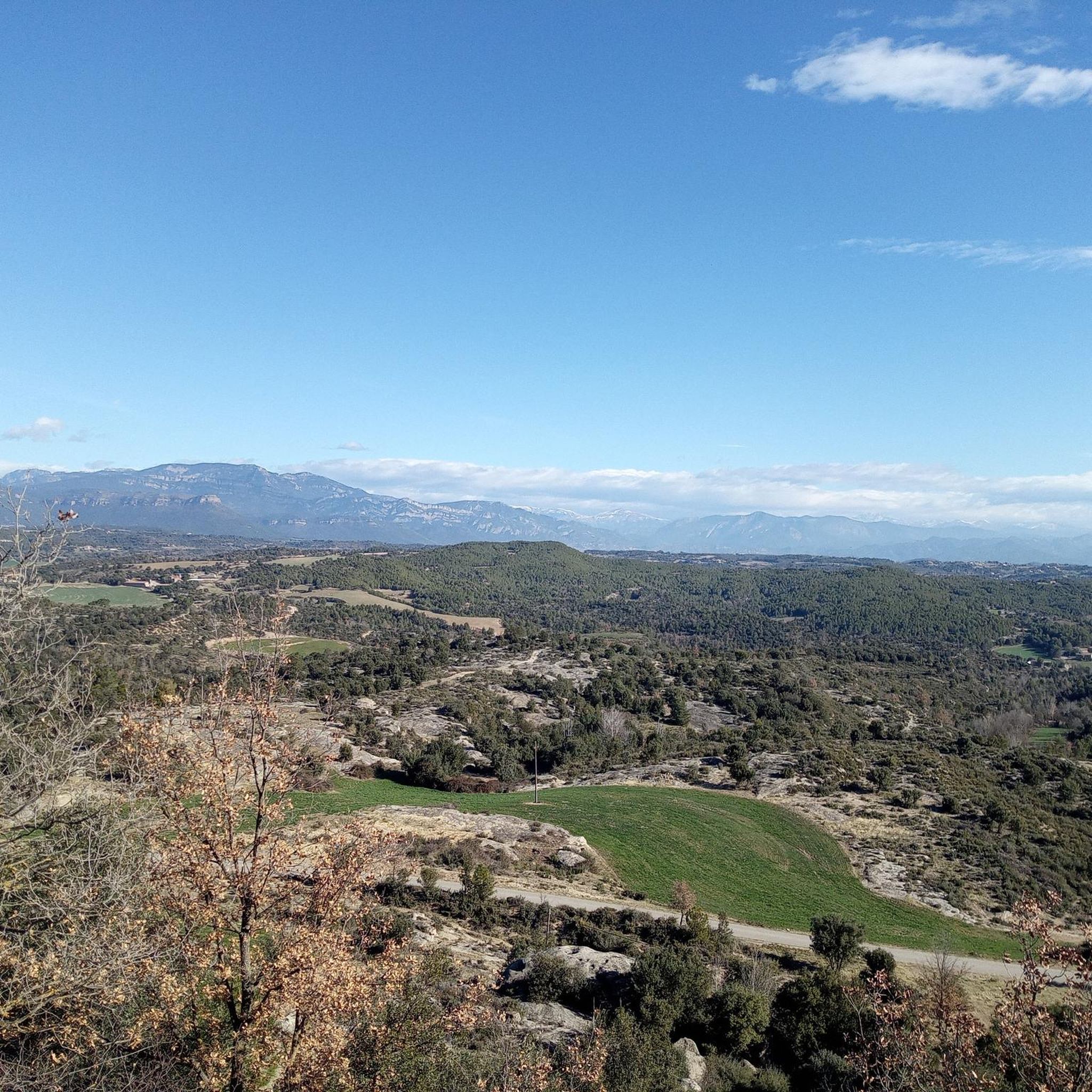
Castellnou Castle was a fortification from the middle of the 10th century. In 1346, King Jaime I gave it to the bishopric of Vic, together with the castle and the town of Sallent. Only a cylindrical tower remains of the old castle, a high watchtower over the Llobregat valley, in the eastern part of the Castellnou term.
0
0
Frequently Asked Questions
What are some notable historical landmarks in Viver I Serrateix?
The region is rich in history. You can visit the Monastery of Santa Maria de Serrateix, a 10th-century Benedictine monastery with Romanesque architecture and a 17th-century neoclassical cloister. Other significant sites include Castellnou Castle Tower, the remains of a 10th-century fortification, and the ancient Carolingian tower at El Castellot de Viver, which also features a nearby necropolis.
What natural features can I explore in the Viver I Serrateix area?
Viver I Serrateix offers diverse natural beauty. The Riera de Navel is a protected natural area with extensive pine forests and lush riparian vegetation, ideal for hiking. You can also visit Graugés Lake, a pleasant spot for a break during a cycling route, or explore the undulating forests and meadows that characterize the rural landscape.
What outdoor activities are popular around Viver I Serrateix?
The area is popular for hiking and cycling. You'll find numerous trails for various skill levels. For specific routes, you can explore options like the 'Manresans' Weir – Road Along Turó de la Senyera loop' for cycling or various running trails around Navàs. For more details on routes, check out the Road Cycling Routes, Gravel Biking, and Running Trails guides.
Are there any family-friendly attractions or activities in Viver I Serrateix?
Yes, several attractions are suitable for families. Graugés Lake is a great spot for a leisurely stop, and the surrounding trails are often accessible for family walks. The Manresans' Weir, marking the beginning of the Sèquia de Manresa, is also considered family-friendly and offers a glimpse into historical engineering.
What are the best viewpoints in the region?
The plateau where Serrateix is located offers privileged panoramic views. From here, you can see the Pre-Pyrenees, the Pyrenees, Montserrat, Montseny, and even distant areas like Cabrera and Montsec. Additionally, El Castellot de Viver provides a splendid viewpoint of the Pre-Pyrenees and the inner regions of Catalonia.
When is the best time to visit Viver I Serrateix for outdoor activities?
The best time to visit Viver I Serrateix is typically in late spring and summer. During these months, the weather is most favorable for outdoor activities such as hiking, cycling, and exploring the natural landscapes.
Are there any ancient ruins or archaeological sites to visit?
Beyond the castles and monasteries, you can find the remains of an ancient Carolingian tower at El Castellot de Viver, complete with a nearby necropolis. The Roca del Moro de Can Cervera is a sepulchral cave providing evidence of ancient human presence in the area. Additionally, the remains of an 11th-century Romanesque church (Sant Martí de Balaguer) can be found to the northeast.
Where can I find unique architectural styles in Viver I Serrateix?
The Monastery of Santa Maria de Serrateix showcases Romanesque architecture with its preserved apse and a 17th-century neoclassical cloister. The Church of Sant Pere, now the Town Hall, has pre-Romanesque origins with Romanesque additions. In Viver, Casa Vilanova, built in 1917, is a notable example of Modernista style.
Can I find any interesting engineering marvels in the area?
Absolutely. The Manresans' Weir marks the beginning of the Sèquia de Manresa, an impressive 14th-century engineering work. This 26 km long canal was built to transport water from the Llobregat river to Manresa and is a testament to medieval ingenuity.
What do visitors particularly enjoy about the attractions here?
Visitors appreciate the blend of historical significance and natural beauty. For instance, Graugés Lake is loved as a beautiful spot for a moment of pause, especially in spring and autumn when it's vibrant with colors and birdsong. The Manresans' Weir is valued for its landscape beauty and tranquility, while Mal Pas de Capolat is noted for its spectacular, steep ascent and photogenic views.
Are there any protected natural areas worth visiting?
Yes, the Riera de Navel is a protected natural area of significant interest. It features extensive pine forests and lush riparian vegetation, offering rich biodiversity and scenic landscapes perfect for hiking and exploration.
What kind of cycling routes are available around Viver I Serrateix?
The region offers a variety of cycling routes, including options for road cycling, mountain biking, and gravel biking. You can find routes like 'La Séquia Canal Trail – View of Montserrat loop' for gravel biking or 'Balsareny, Puig-reig, and Santa María de la Guardia – circular through the upper Llobregat' for road cycling. More details are available in the Road Cycling Routes and Gravel Biking guides.
Most popular routes around Viver I Serrateix

Get inspired with the komoot mobile app


Explore more
Still not found the Highlight you’re looking for? See guides of the top attractions in other regions:
