Attractions and Places To See around Castroverde - Top 20
Best attractions and places to see around Castroverde include a blend of historical landmarks, cultural sites, and natural features. This village in Lugo, Galicia, Spain, is situated in a transition zone between the Lugo plateau and the Eastern Sierras. The area is characterized by gentle valleys, mountains, and numerous small rivers, making it a notable stop for travelers exploring the Primitive Way of the Camino de Santiago.
Best attractions and places to see around Castroverde
- The most popular attractions is Church of Saint Mary of Vilabade, a religious building known as the "Cathedral of Castroverde." This 15th-century Gothic-style church features a Renaissance portico and houses an important 17th-century Baroque sculptural ensemble.
- Another must-see spot is Church of Saint Salvador of Soutomerille, a historical site with origins believed to date back to the Visigothic era. Documented since 897, this church is located on an alternative path of the Camino Primitivo.
- Visitors also love Ermita del Carmen de Vilabade, a religious building situated in a pleasant area with picnic spots and shaded areas. This charming temple is located on the Camino Primitivo, surrounded by meadows and forests.
- Castroverde is known for its historical landmarks, religious buildings, and natural features. Visitors can explore ancient castles, churches, and archaeological sites, alongside scenic river courses and oak groves.
- The attractions around Castroverde are appreciated by the komoot community, with 9 highlights featuring 45 photos and 36 upvotes.
Last updated: October 11, 2026
100 Kilometer Marker and Viaducto da Chanca, Lugo
Highlight • Bridge
Yellow arrows: These arrows will guide you throughout the entire route. They indicate the direction to follow, especially at crossroads. The yellow color is due to the contribution of the parish priest Elías Valiña, a key figure in the resurgence of the Camino de Santiago in the 20th century.
Cairns or milestones: These concrete blocks include an arrow, a yellow shell on a blue background and the distance in kilometers to Santiago de Compostela. You will find them every 500 meters in Galicia.
Scallop shells: In addition to being drawn on the markers, scallop shells are distributed throughout the Camino. They are universal symbols and have been carried by pilgrims for centuries. The open part of the shell indicates the direction towards Santiago.
Good way! 🚶♂️🌟
Translated by Google •
Tip by

Church of Saint Mary of Vilabade
Highlight • Religious Site
Translated by Google •
Tip by

Sign up now to discover places like this
Get recommendations on the best single tracks, peaks, & plenty of other exciting outdoor places.
Ermita del Carmen de Vilabade
Highlight • Religious Site
Translated by Google •
Tip by
Church of Santiago de Espasande
Highlight • Religious Site
Translated by Google •
Tip by
Church of Saint Lawrence (Degolada, Baleira)
Highlight • Religious Site
Translated by Google •
Tip by
Sign up for free to discover even more attractions around Castroverde.
Already have an account?
Start today with a free account
Your next adventure awaits.
Tips from the Community

In June 2026, His Holiness Pope Leo XIV undertook a pastoral visit to Spain and, in his address, naturally referred to the national saint SANTIAGO MAJOR. He spoke of: 'a journey in several stages, each of which will show an aspect of the multifaceted nature of a great country that has embraced the word of the Gospel for almost two millennia. Tradition has always associated the first evangelization of the Iberian Peninsula with the preaching of the Apostle James the Greater. This connection is of considerable theological significance, as it expresses the local Church's awareness of being in continuity with the apostolic mission emanating from the event of Pentecost. The ancient connection between the Christian faith and this land... has profoundly shaped its culture and represents a source of hope and guidance amidst the challenges that we, as a human family, must face together today.'
0
0


Landmark of the city and reminder of the pilgrimage route 🤙
1
1

Signage on the Camino de Santiago is essential for pilgrims. Yellow arrows: These arrows will guide you throughout the entire route. They indicate the direction to follow, especially at crossroads. The yellow color is due to the contribution of the parish priest Elías Valiña, a key figure in the resurgence of the Camino de Santiago in the 20th century. Cairns or milestones: These concrete blocks include an arrow, a yellow shell on a blue background and the distance in kilometers to Santiago de Compostela. You will find them every 500 meters in Galicia. Scallop shells: In addition to being drawn on the markers, scallop shells are distributed throughout the Camino. They are universal symbols and have been carried by pilgrims for centuries. The open part of the shell indicates the direction towards Santiago. Good way! 🚶♂️🌟
10
0

A must stop for every pilgrim who has come this far.
2
0
The 100 kilometre stone and the Lugo landmark
2
0
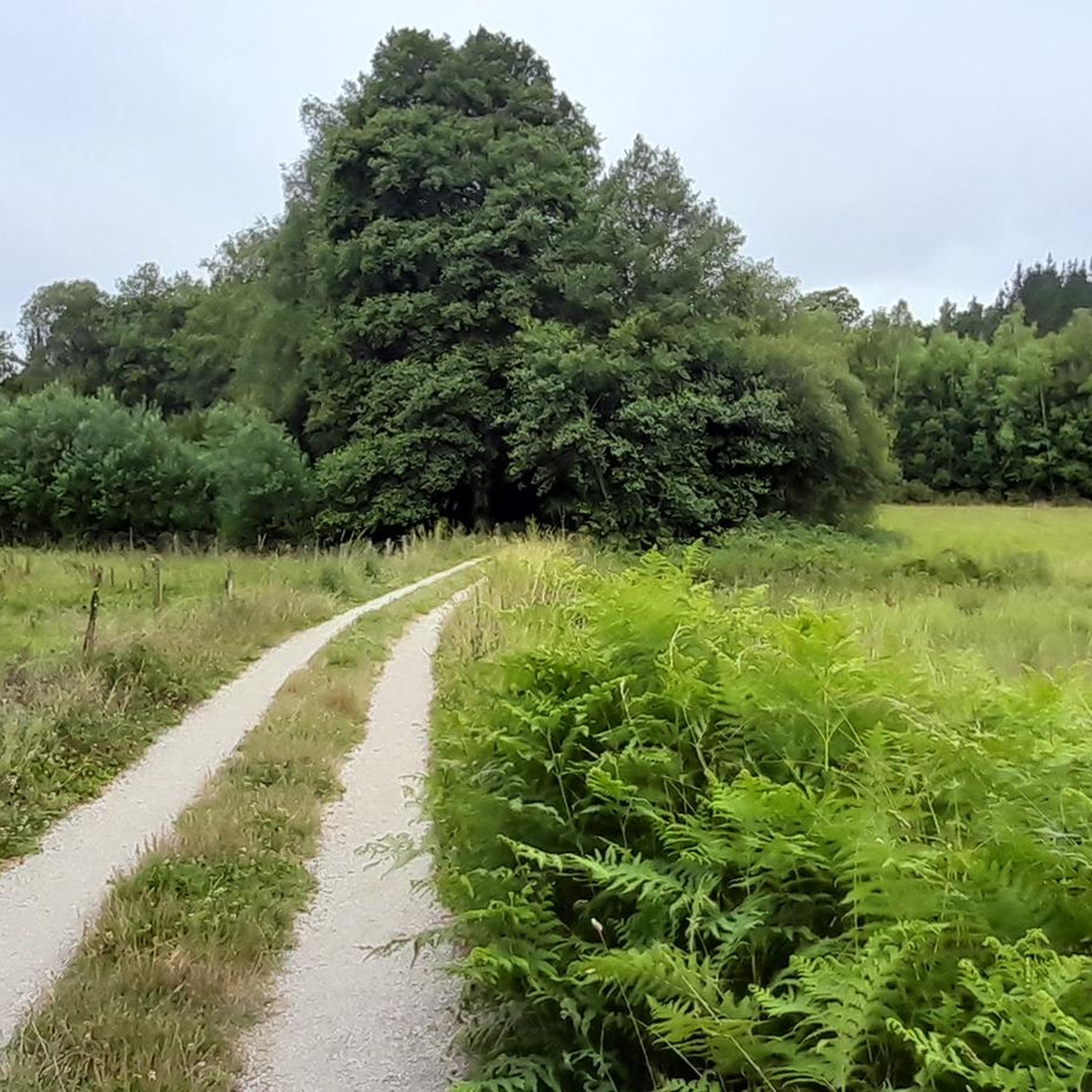
The Ermita del Carmen in Vilabade, Lugo, is a charming temple located on the Camino Primitivo. It is part of the parish of Santa María de Vilabade and is located on the slopes of the Castroverde valley, surrounded by meadows and forests of chestnut trees, oaks and pines. This church, restored in 1988, is known as the Castroverde Cathedral due to its imposing presence. A corner full of history and beauty! 😊
4
0
The so-called “Castroverde Cathedral” is actually the church of Santa María de Vilabade, a small parish three kilometers from Castroverde. It is located on the Primitive Way, although not all pilgrims pass through here, because there are two routes to complete the stage that goes from O Cádavo to Castroverde. However, it is worth choosing this route to visit this eclectic church.
4
0
Frequently Asked Questions
What historical landmarks can I explore in Castroverde?
Castroverde is rich in history. You can visit the ruins of the 14th-century Castroverde Castle, which includes the Tower of Homage. The Church of Saint Mary of Vilabade, often called the “Cathedral of Castroverde,” is a Gothic-style temple with Renaissance and Baroque elements. Don't miss the Church of Saint Salvador of Soutomerille, an ancient site with origins possibly dating back to the Visigothic era. The Cova da Valiña is also significant as Galicia's sole archaeological site representing the beginning of the Upper Palaeolithic period.
What natural features and viewpoints are there around Castroverde?
The region offers beautiful natural landscapes. You can relax in the centenary Carballeira de Castroverde, an oak grove perfect for picnics. For panoramic views, head to Miradoiro Mountain, located at the border with Baleira. The area is also characterized by gentle valleys, mountains, and numerous small rivers feeding into the Miño, offering tranquil scenery along the River Tordea.
Are there any family-friendly attractions or activities in Castroverde?
Yes, the Ermita del Carmen de Vilabade is located in a very pleasant area with picnic spots and shaded areas, making it ideal for families to rest and enjoy the outdoors. The Carballeira de Castroverde, a centenary oak grove, is also a great spot for family relaxation and hosts traditional festivities.
What outdoor activities can I do near Castroverde?
Castroverde is an excellent base for outdoor enthusiasts. You can explore various routes for mountain biking, cycling, and running. For mountain biking, consider routes like the 'Castroverde and A Marronda Trail' or the 'Ermita del Carmen de Vilabade – Hermitage of the Virgin of Carmen loop'. Cyclists can enjoy longer tours such as the 'Ponte Vella de Rábade loop'. If you prefer running, there are options like the 'Río da Chanca loop'. You can find more details on these activities in the MTB Trails around Castroverde, Cycling around Castroverde, and Running Trails around Castroverde guides.
What is the Primitive Way (Camino Primitivo) and how does it relate to Castroverde?
The Primitive Way (Camino Primitivo) is a historic pilgrimage route to Santiago de Compostela, and Castroverde lies along this path. Walking a section of it offers a chance to experience historical routes, natural landscapes, traditional villages, and 'cruceiros' (stone crosses). Several religious sites in the area, such as the Church of Saint Mary of Vilabade and the Ermita del Carmen de Vilabade, are located directly on or near the Camino Primitivo.
Are there any unique or hidden gems to discover in Castroverde?
Beyond the main attractions, you can find several unique spots. The Muíño de Lamela de Rodinso is a beautiful example of traditional popular architecture with its vertical wheel watermill. The region also features various archaeological sites, including anthropomorphic tombs carved into rock in Recesende and the Necropolis of San Miguel de Páramo. The Historic Site of Soutomerille, though sparsely populated, holds a rich past worth exploring.
What do visitors enjoy most about the attractions around Castroverde?
Visitors particularly appreciate the blend of historical and natural beauty. Many enjoy the tranquility and historical significance of sites like the Church of Saint Mary of Vilabade, noting its eclectic architecture. The peaceful settings of places like the Ermita del Carmen de Vilabade, with its picnic and shaded areas, are also highly valued for rest and relaxation, especially for those on the Camino Primitivo.
What is the best time to visit Castroverde for outdoor activities?
The region's climate, characterized by a transition zone between the Lugo plateau and the Eastern Sierras, generally offers pleasant conditions for outdoor activities. Spring and autumn are often ideal, with milder temperatures and lush landscapes, perfect for hiking, cycling, and exploring the historical sites without the peak heat of summer or the chill of winter.
Can I find traditional Galician architecture in Castroverde?
Yes, Castroverde is home to several examples of traditional Galician architecture. You can see unique 'pazos' (traditional manor houses), such as the Pazo de Cellán de Mosteiro and the Pazo de Vilabade. The Muíño de Lamela de Rodinso, a watermill with a vertical wheel, is another excellent example of the region's popular architectural heritage.
Are there any archaeological sites in the Castroverde area?
Absolutely. The Cova da Valiña is a significant archaeological site, being the only one in Galicia representing the beginning of the Upper Palaeolithic period, with findings of bones, stones, and hunting tools. Additionally, the region features various anthropomorphic tombs carved into rock in Recesende and the Necropolis of San Miguel de Páramo, offering insights into ancient burial practices.
What is the significance of the Centenary Chestnut Tree in Castroverde?
While the original Castiñeiro Centenario (Centenary Chestnut Tree) fell in 2015 due to bad weather, its skeleton has been preserved and moved to Castroverde, where it stands next to the municipal hostel. It serves as a natural attraction and a symbol of the area's enduring connection to its natural heritage.
Are there other notable churches besides the Church of Saint Mary of Vilabade?
Yes, several other churches are worth visiting. The Church of Santiago, located in the central square, was rebuilt in the 20th century and houses Baroque altarpieces. The Church of Santiago de Fontaneira, though often closed, is a beautiful Baroque-style church. The Church of Saint Lawrence (Degolada, Baleira), rebuilt in the 19th century, is also a significant religious building in the nearby municipality of Baleira.
Most popular routes around Castroverde

Get inspired with the komoot mobile app


Explore more
Still not found the Highlight you’re looking for? See guides of the top attractions in other regions:
