Top 11 Mountain Passes around Cervantes
Best mountain passes around Cervantes are situated in a mountainous region known for its historical significance, particularly along the Camino de Santiago. The area features numerous passes offering elevated viewpoints and challenging climbs. This landscape is characterized by its varied terrain, including high-altitude sections and winding roads. Visitors can explore a range of natural and man-made landmarks within this setting.
Best mountain passes around Cervantes
- The most popular mountain pass is Pilgrim Statue at Alto de San Roque, a…
Last updated: June 26, 2026
Pilgrim Statue at Alto de San Roque
Highlight • Monument
The silhouette of the pilgrim whipped by the wind represents the …
Translated by Google •
Tip by

Alto do Poio
Highlight • Mountain Pass
Translated by Google •
Tip by
Sign up now to discover places like this
Get recommendations on the best single tracks, peaks, & plenty of other exciting outdoor places.
Sign up for free
Cebreiro Pass
Highlight • Mountain Pass
Translated by Google •
Tip by
The three passes of O Cebreiro
Highlight (Segment) • Mountain Pass
Tip by

The three peaks of Cebreiro
Highlight (Segment) • Mountain Pass
In the …
Translated by Google •
Tip by
Sign up for free to discover even more mountain passes around Cervantes.
Sign up for free
Already have an account?
Start today with a free account
Your next adventure awaits.
Login or Signup
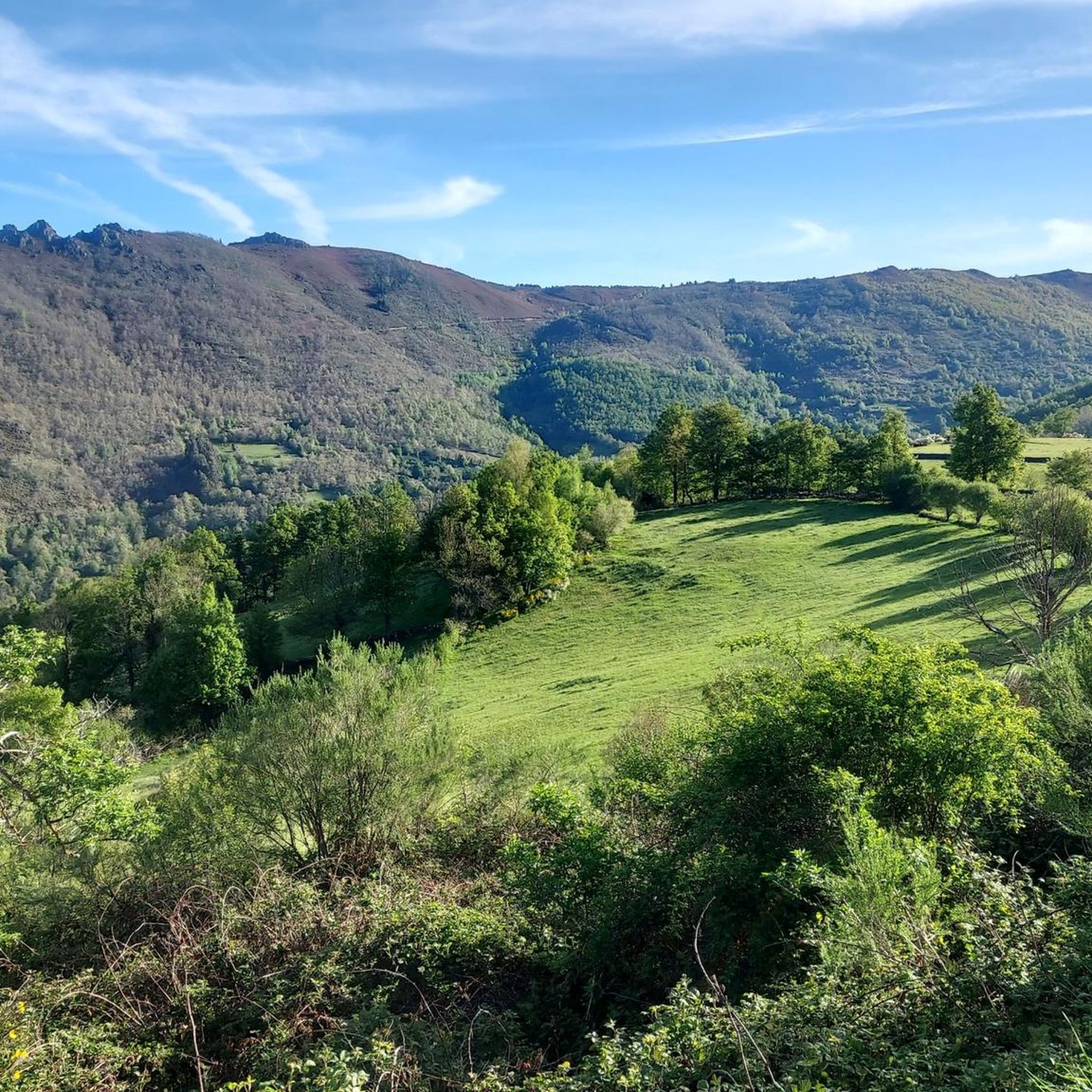
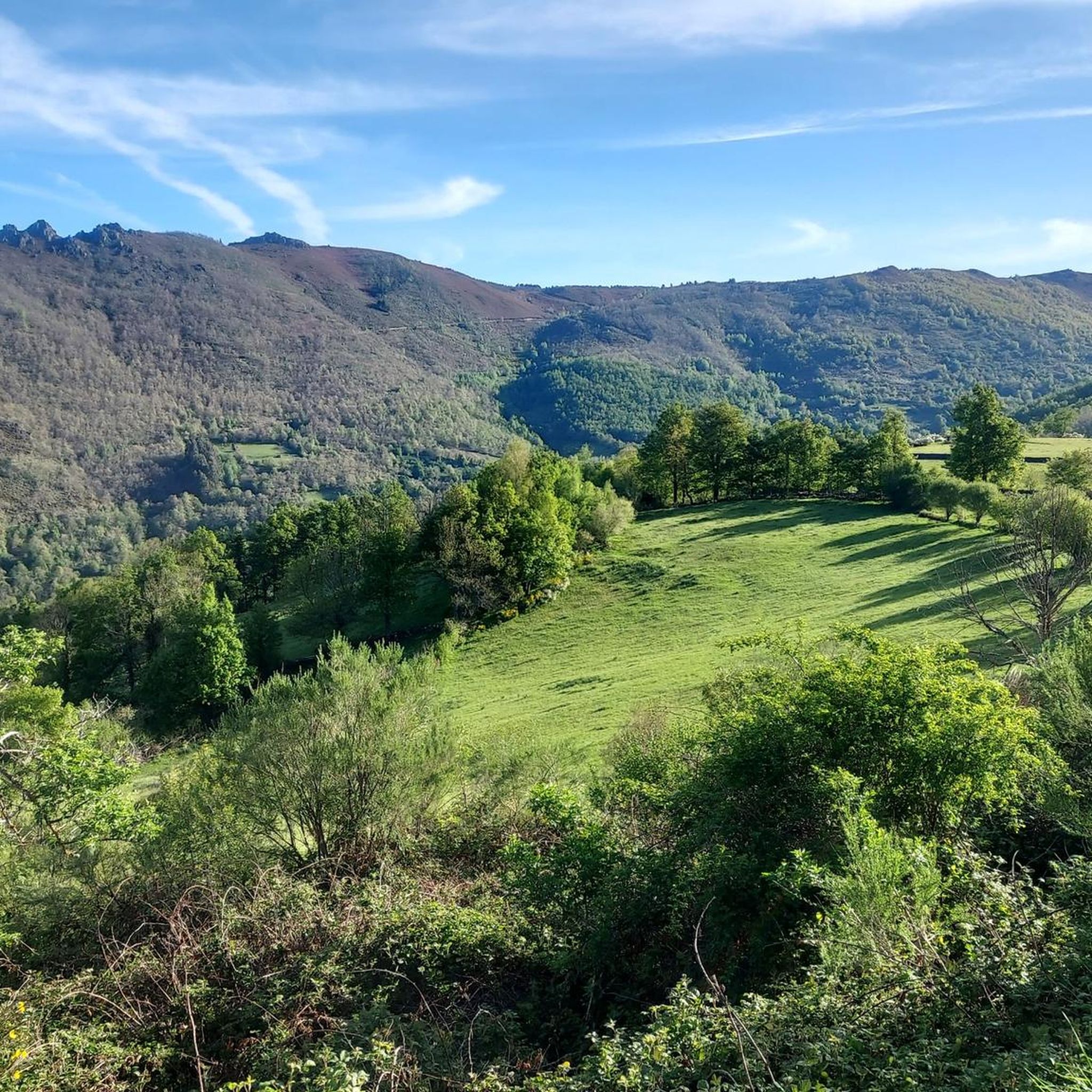
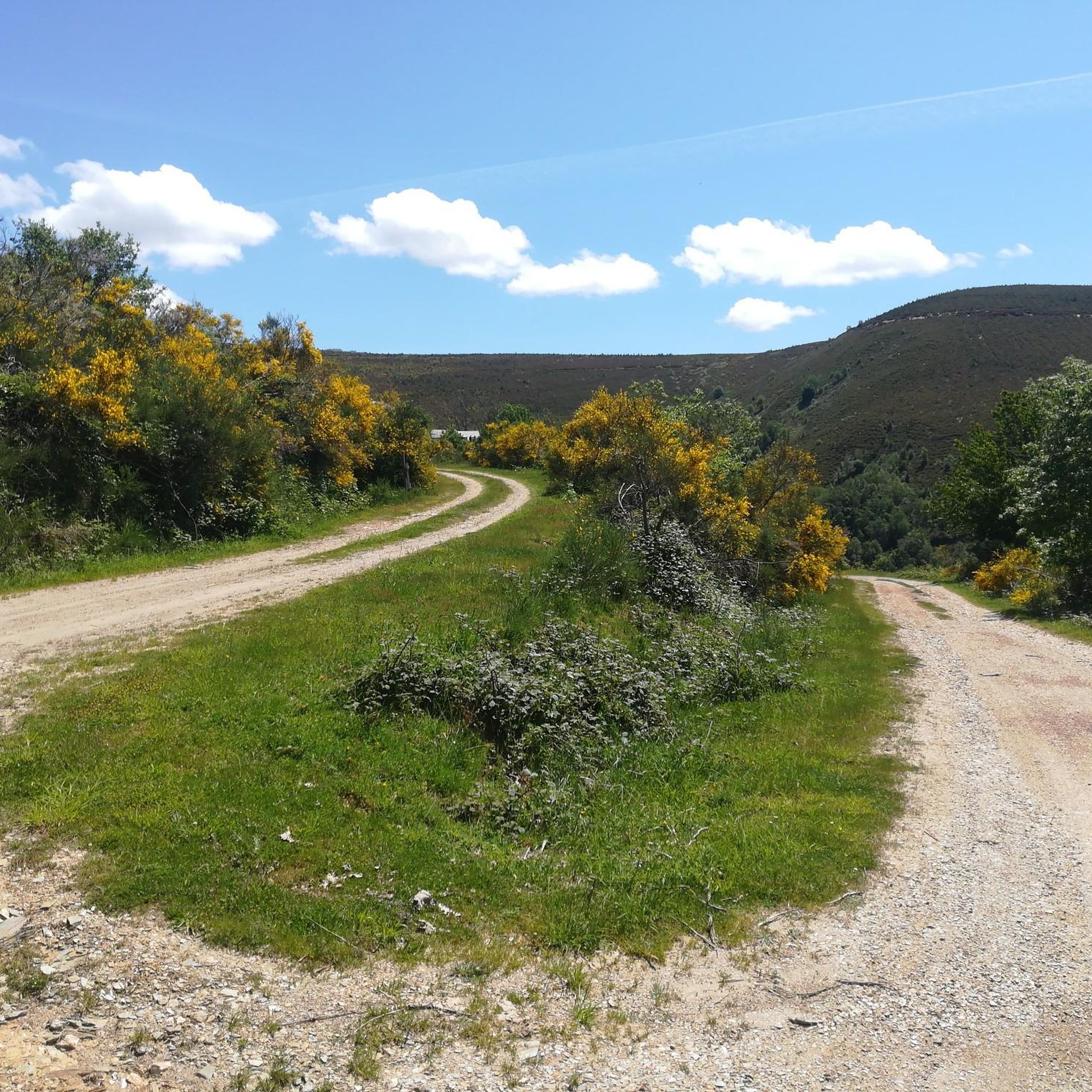
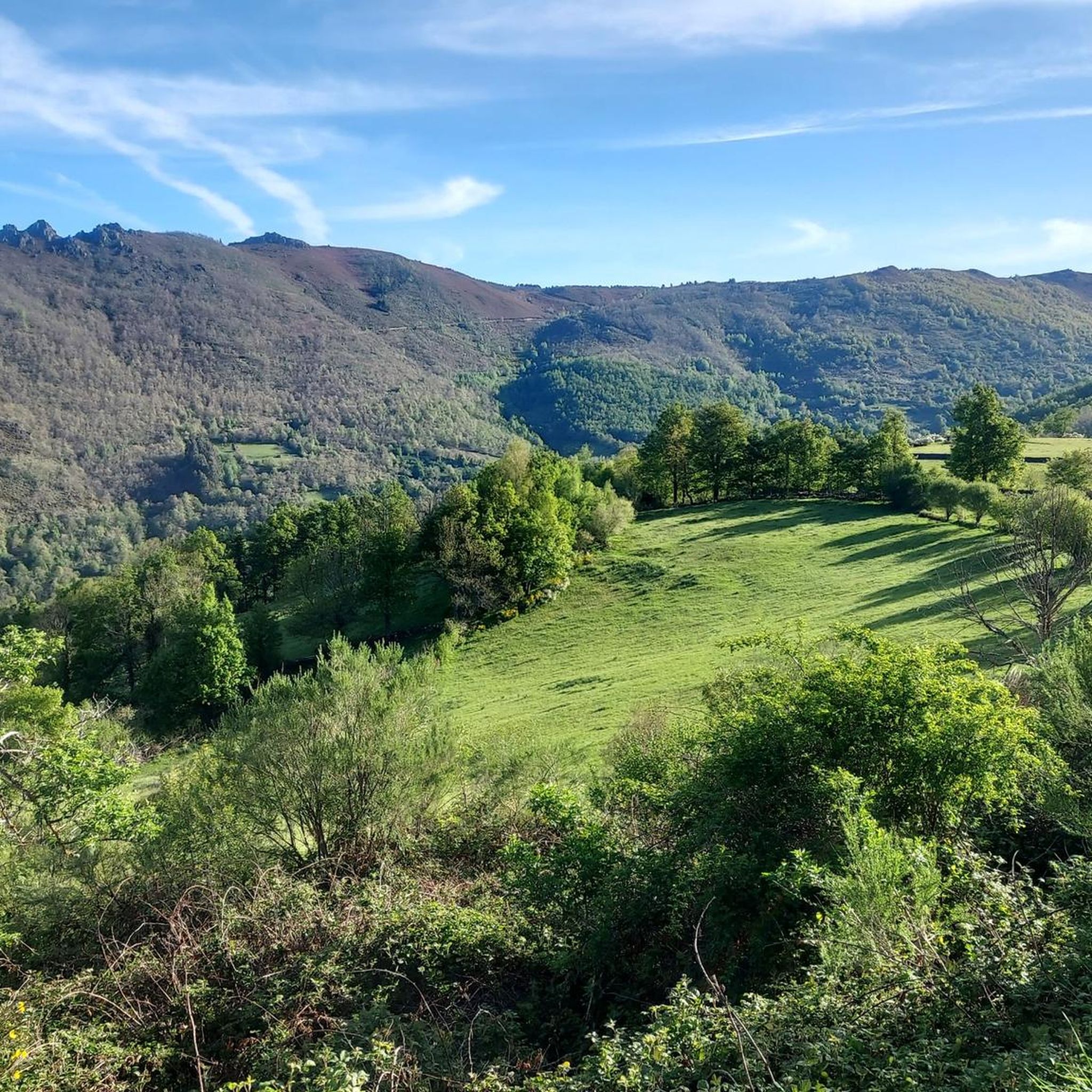


Tips from the Community

One of the highest points on the French Way of the Camino de Santiago, located between Triacastela and Fonfría, already in the province of Lugo. At 1,335 meters above sea level, this peak offers a natural viewpoint overlooking the Galician mountains. The area is often exposed to wind and changeable weather, even in summer, but the views and the feeling of having reached a milestone more than compensate. There's a hostel/bar right at the summit, useful as a stopping point for pilgrims and cyclists. Dress warmly before reaching the top: the temperature here can drop suddenly, even on sunny days. If you're on a mountain bike or e-bike, make sure you have good traction on descents and that your brakes are checked: the descent towards Fonfría is fast and winding. It's a good place to rest and refill your water or coffee before continuing.
1
0


Famous pass, feared by medieval pilgrims, practically connects the Bierzo with Galicia. The climb from Villafranca del Bierzo is no joke, but doable. Just take it easy.
4
0

Perfect road for a bike ride, you have to be careful in summer because of the vehicle traffic
0
0

After a long and hard climb you finally reach the pass and can be proud of yourself.
3
1
Here you have finally reached the long-awaited pass.
3
0
Frequently Asked Questions
What are the most popular mountain passes around Cervantes?
The region around Cervantes is known for several significant mountain passes, particularly those associated with the Camino de Santiago. Among the most popular are the Pilgrim Statue at Alto de San Roque, which offers panoramic views at 1270 meters, and The three passes of O Cebreiro, a historical site encompassing Alto do Cebreiro, Alto de San Roque, and Alto do Poio. Another highly regarded pass is the Ascent to Puerto de Ancares from Tejedo, known for its challenging climb.
What kind of views can I expect from the mountain passes in this area?
The mountain passes around Cervantes offer magnificent and unique panoramic views. For instance, from the Pilgrim Statue at Alto de San Roque, you can enjoy a wide vista of the surrounding mountains. The area of The three passes of O Cebreiro also provides a stunning landscape of mountains and forests, though it can sometimes be shrouded in clouds or fog.
Are there challenging climbs for experienced cyclists or hikers?
Yes, the region offers several challenging climbs. The Ascent to Puerto de Ancares from Tejedo is a notable example, spanning approximately 7.5 kilometers with nearly 700 meters of ascent and gradients up to 19%. Another demanding route is the Climb to the Ancares pass from Murias via Pan de Zarco, a 12-kilometer ascent with over 1,100 meters of elevation gain and slopes exceeding 20%.
What is the historical significance of the mountain passes near Cervantes?
Many mountain passes in this region hold significant historical importance, particularly due to their connection with the Camino de Santiago. The three passes of O Cebreiro, including Alto do Cebreiro, Alto de San Roque, and Alto do Poio, are considered significant historical sites and key stages along the French Way of the Camino. The Pilgrim Statue at Alto de San Roque itself is a monument representing the effort of those undertaking the Camino.
What outdoor activities can I do near these mountain passes?
The mountainous terrain around Cervantes is ideal for various outdoor activities. You can find numerous MTB trails, including difficult routes like 'Paradela y Penamil desde A Pobra' and 'Pico dos Tres Bispos Loop Trail'. For runners, there are challenging running trails such as the 'Pico dos Tres Bispos Loop'. Cyclists can explore extensive cycling routes, including the 'Ponferrada Castle – Alto do Poio loop'.
Are there specific hiking trails associated with the mountain passes?
Yes, the mountain passes are often integral parts of hiking routes. The area around The three passes of O Cebreiro is a well-known section of the Camino de Santiago, which is primarily a hiking path. The Ascent to Puerto de Ancares from Tejedo is also described as a challenging trail suitable for hiking.
What is the highest point among the mountain passes in the Cervantes area?
Among the prominent passes, Alto do Poio, part of The three passes of O Cebreiro, reaches an altitude of 1335 meters, making it one of the highest points in the immediate vicinity of these well-known passes. The Pilgrim Statue at Alto de San Roque is crowned at 1270 meters.
What do visitors particularly enjoy about the mountain passes around Cervantes?
Visitors frequently highlight the breathtaking panoramic views and the profound sense of history, especially along the Camino de Santiago. The unique setting of the Pilgrim Statue at Alto de San Roque against the mountain backdrop is often cited as a memorable experience. The challenging climbs and varied terrain also appeal to those seeking an active outdoor adventure.
Can I find information about multi-day hikes in the Cervantes mountain region?
While specific multi-day hike details are not provided for individual passes, the Camino de Santiago, which traverses many of these passes, is inherently a multi-day journey. The region's extensive network of trails, including those for MTB, running, and cycling, suggests the potential for combining routes into longer excursions.
Are there any natural monuments or unique natural features to see?
The region is characterized by its mountainous landscape, dense forests, and varied terrain. While specific natural monuments are not detailed for each pass, the overall area, particularly around The three passes of O Cebreiro, offers a magnificent natural setting with mountains and forests. The three peaks of Cebreiro are also noted as a natural monument.
What is the best time of year to visit the mountain passes around Cervantes?
Generally, the best time to visit mountain passes in this region is during the spring (April to June) and autumn (September to October) when the weather is milder and more stable, offering pleasant conditions for hiking and cycling. Summer can also be suitable, but be prepared for potentially higher temperatures and more crowds, especially on the Camino de Santiago. Winter can bring snow and challenging conditions, making some passes less accessible.
Most popular attractions around Cervantes

Get inspired with the komoot mobile app


Explore more
See even more epic mountain passes by checking out these guides around Cervantes:
