The best walks and hikes around Yebra De Basa
4.6
(358)
2,492
hikers
101
hikes
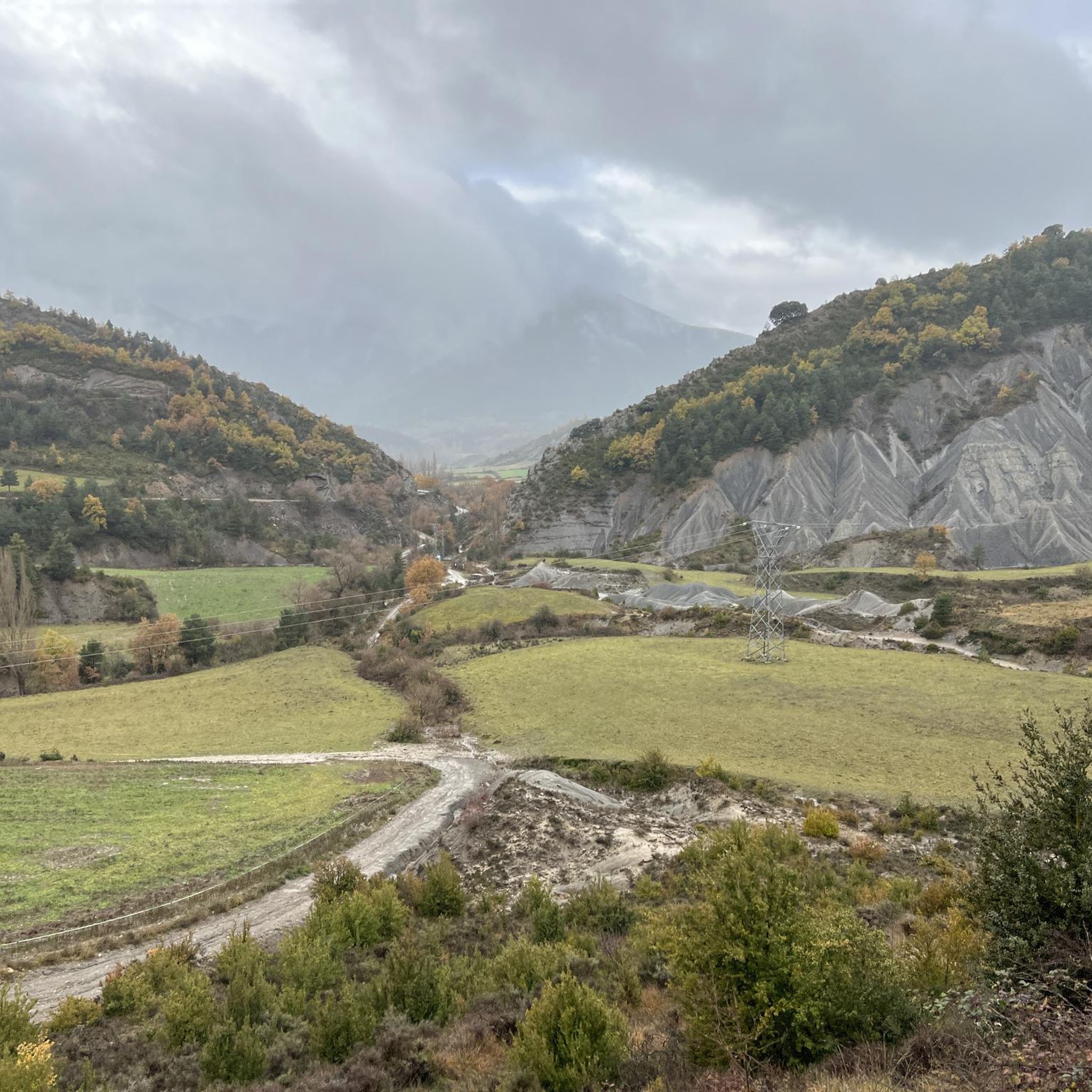
Hiking around Yebra De Basa offers diverse landscapes within the Pyrenean foothills of Huesca, Spain. The region is characterized by the Basa Valley, featuring a mix of forests, ravines, and trails that ascend towards higher elevations. Hikers encounter natural attractions like the Cascada del Chorro and cultural landmarks such as ancient hermitages. This area provides a variety of routes, from accessible paths to more challenging treks.
Best hiking trails around Yebra De Basa
- The most popular hiking route is The…
Last updated: October 12, 2026
5.0
(6)
42
hikers
13.9km
04:50
740m
740m
Moderate hike. Good fitness required. Easily-accessible paths. Suitable for all skill levels.
4.7
(13)
142
hikers
10.8km
03:53
640m
640m
Moderate hike. Good fitness required. Easily-accessible paths. Suitable for all skill levels.

5.0
(1)
28
hikers
7.62km
02:19
260m
260m
Moderate hike. Good fitness required. Easily-accessible paths. Suitable for all skill levels.
17
hikers
7.93km
02:54
500m
500m
Moderate hike. Good fitness required. Easily-accessible paths. Suitable for all skill levels.
5.0
(1)
9
hikers
10.4km
03:57
680m
670m
Moderate hike. Good fitness required. Easily-accessible paths. Suitable for all skill levels.
Get access to more routes and recommendations from other explorers.
Already have an account?
Our route recommendations are based on thousands of hikes, rides, and runs completed by other people on komoot.
Start today with a free account
Your next adventure awaits.
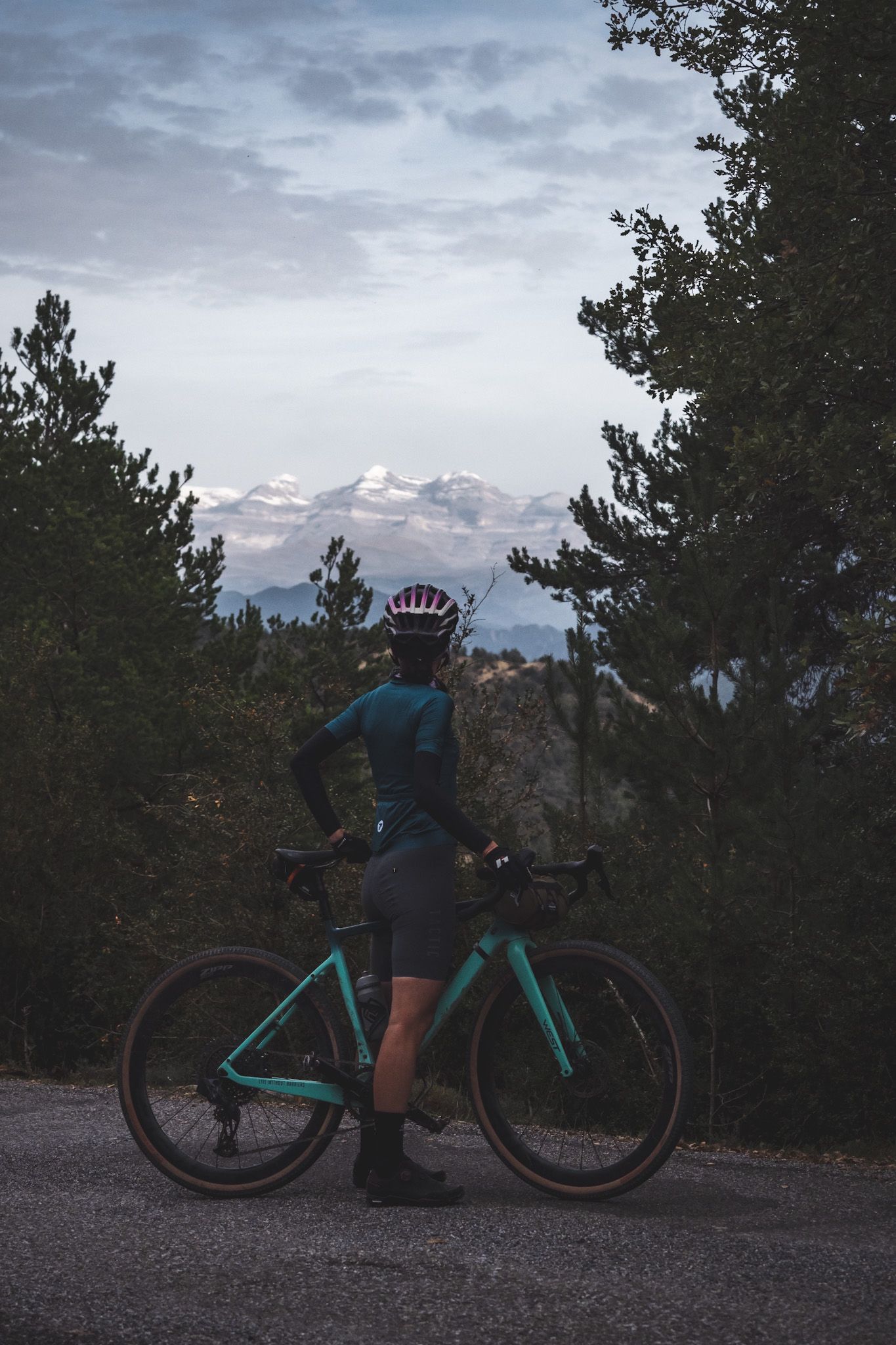
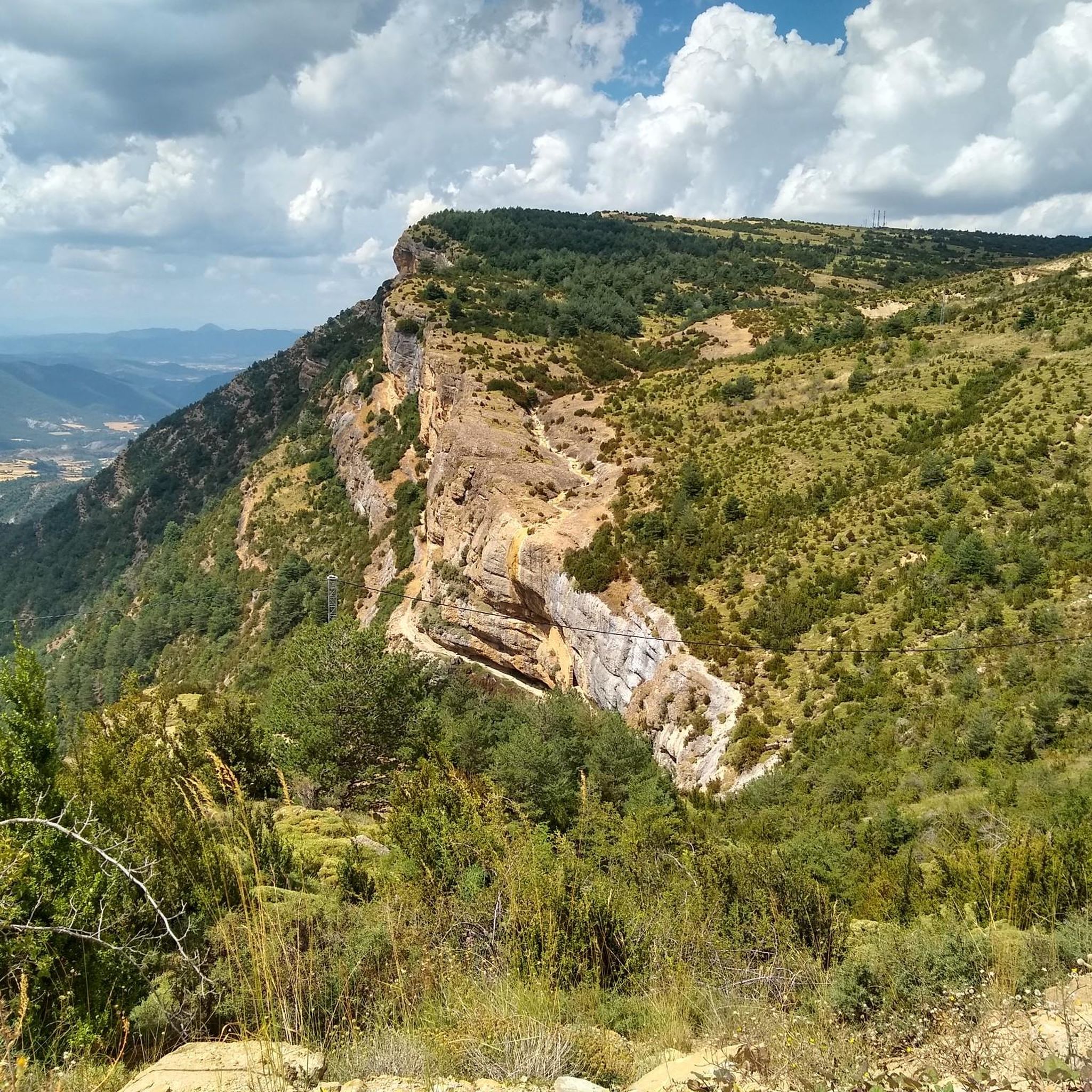
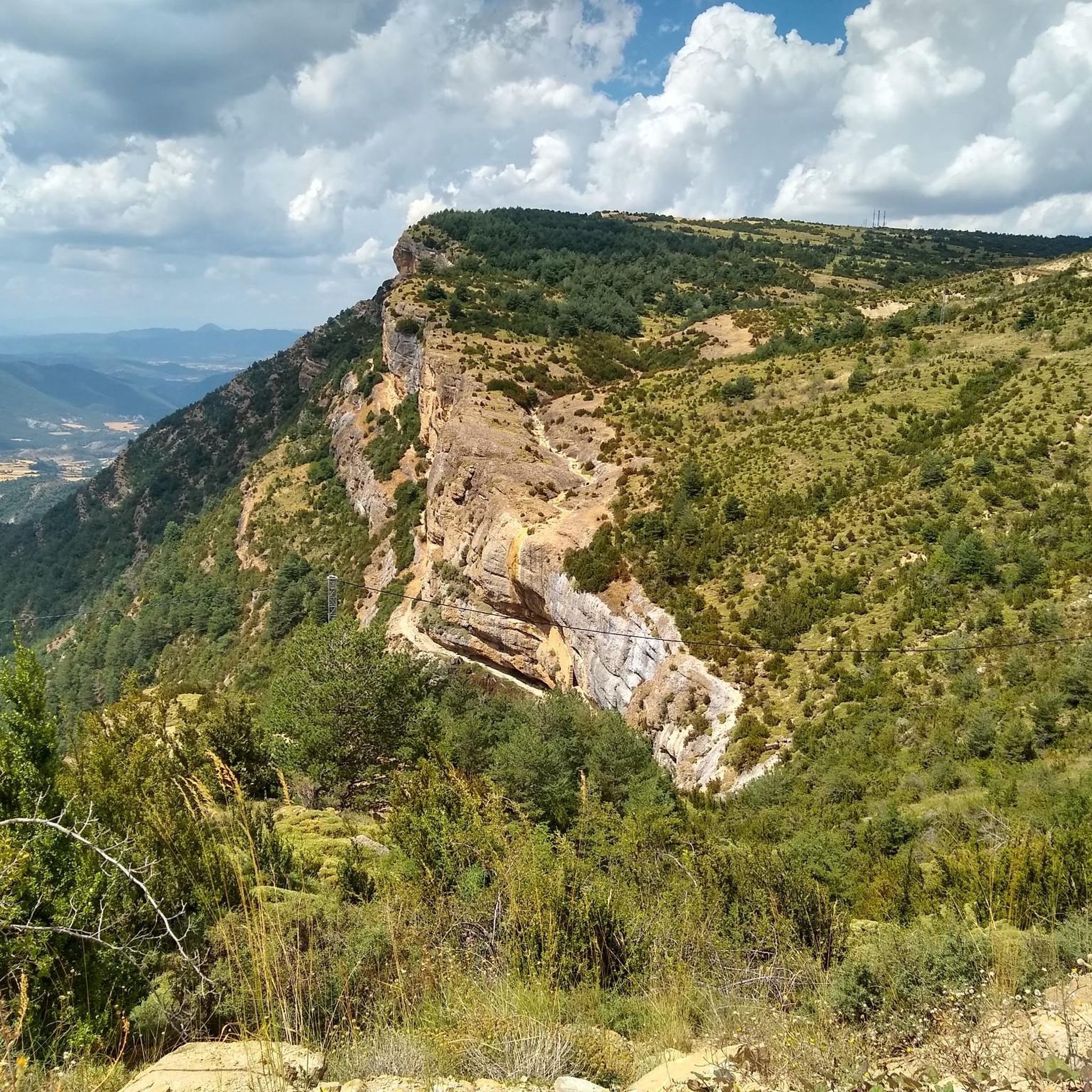
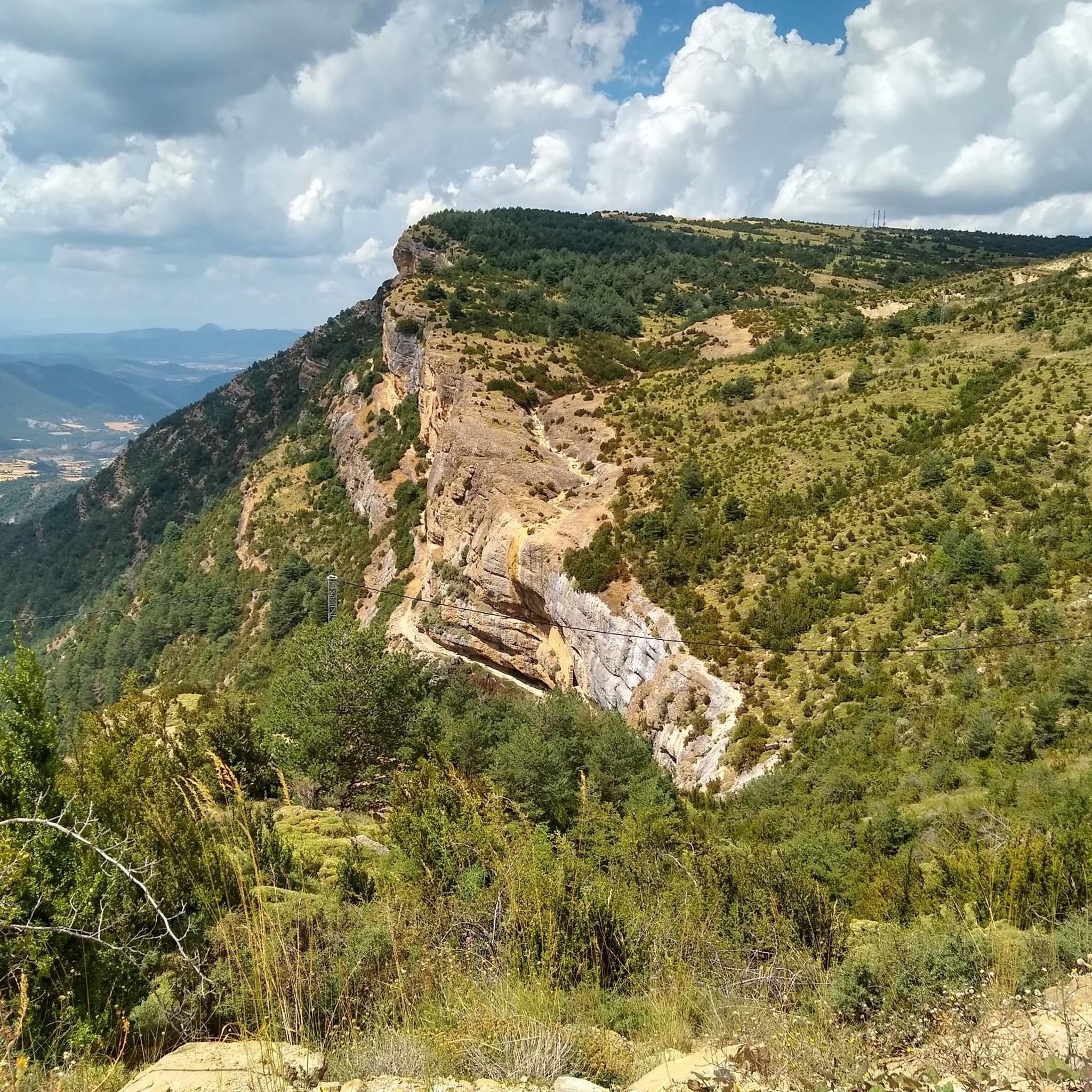

Other adventures around Yebra De Basa

Tips from the Community

A beautiful route that follows the route of the pilgrims to the Sanctuary of Santa Orosia from the town of Yebra de Basa. Santa Orosia is a highly venerated saint in the area, she is the patron saint of the city of Jaca, and a large crowd of people from the surrounding towns and other parts of Aragon gathered on her pilgrimage, as she was known to heal the possessed. The Sanctuary dates back to the 17th century, when it was built to accommodate the increase in devotion to the saint. It was built in the place where tradition places the martyrdom of Santa Orosia. The route is marked by small hermitages through a landscape that goes from the initial marls to a humid area with vegetation sheltered by the Santa Orosia ravine in its highest area.
1
0

The final goal for those who do not want to climb the Tozal de Oturia, this beautiful church is impressive, but unfortunately, we cannot visit the interior because it is closed.
0
0

Wonderful town perched on a hill in the heart of Sobrepuerto, surrounded by terraces and difficult to access. About twenty homes made up this town dedicated to a purely subsistence economy with livestock as the main occupation. Livestock consisting of sheep mainly and goats and cows in smaller quantities. Sheep that until the 40s were brought down to the lowlands, from then on they were no longer kept in the town's pastures. From the importance of sheep farming comes the nickname by which the inhabitants of Escartin were known: "cheese eaters." Life in Escartín was very hard, especially in winter. The main reasons for the abandonment of Escartín must be found in the lack of basic services, electricity and water, in addition to the need to build an access track that was never built. https://www.lospueblosdeshabitados.net/2011/12/escartin-huesca.html http://www.despobladosenhuesca.com/search/label/ESCART%C3%8DN
55
0

Awesome. That is the word that best defines the two rock-cut hermitages and the underpass of the waterfall.
4
0
Small stone bridge spanning the riverbed of the ravine.
3
1
Small cross in one of the turns on the road to El Chorrón. Very good views.
3
0
Third of the hermitages towards El Chorrón. This one has the peculiarity of being literally built around a rock.
2
0
Second of the hermitages on the road to Chorrón, just after a good start climb.
4
0
Frequently Asked Questions
How many hiking trails are available around Yebra de Basa?
Yebra de Basa offers a wide variety of hiking opportunities, with over 70 routes listed on komoot. These trails explore the diverse landscapes of the Pyrenean foothills, from valley floors to higher elevations.
What types of terrain and difficulty levels can I expect on the trails?
The trails around Yebra de Basa cater to various fitness levels. You'll find a mix of easy paths, moderate ascents, and more challenging treks. The region features everything from dense forests and ravines to open mountain vistas, with some routes climbing towards peaks exceeding 2500 meters in nearby areas.
Are there any circular hiking routes in Yebra de Basa?
Yes, many routes in the area are circular, allowing you to start and end in the same location. A notable example is The Route of the Hermitages – circular from Yebra de Basa, which is 8.7 miles (13.9 km) long and connects several traditional hermitages.
What natural features or landmarks can I see while hiking?
Hikers can discover a blend of natural beauty and historical sites. Prominent natural features include the stunning El Chorro Waterfall and the Santa Orosia ravine. You can also find impressive viewpoints like View of Peña Oturia from Cuello Tres Cruces, offering panoramic views of the surrounding Pyrenean landscape.
Are there any historical or cultural sites along the hiking trails?
Absolutely. The region is rich in history, particularly known for its connection to the Hermitage of Santa Orosia. Many trails lead to or pass by ancient hermitages, such as those found on Hermitage of the Knees – Saint Barbara Hermitage loop from Yebra de Basa. You can also explore uninhabited villages like Escartín, offering a glimpse into traditional architecture and the area's past.
Are there any family-friendly hiking options?
While many trails involve moderate ascents, there are options suitable for families looking for shorter or less strenuous walks. The area's diverse network allows for choosing paths that match different ability levels, ensuring an enjoyable experience for all.
What do other hikers say about the trails in Yebra de Basa?
The hiking trails in Yebra de Basa are highly regarded by the komoot community, boasting an average rating of 4.5 stars from over 250 reviews. Hikers often praise the varied terrain, the historical hermitages, and the beautiful Pyrenean foothills.
Can I visit abandoned villages on a hike?
Yes, the region offers unique opportunities to explore abandoned villages. For instance, the Abandoned Village of Escartín loop from Bergua provides a chance to discover these historical sites and their traditional architecture, adding an exploratory element to your hike.
What is the best time of year to go hiking in Yebra de Basa?
Yebra de Basa is generally suitable for hiking across multiple seasons. The Pyrenean foothills offer pleasant conditions in spring and autumn. Summer provides warmer weather for higher altitude treks, while winter can bring snow, requiring appropriate gear and experience for certain routes.
Are there any trails that lead to significant viewpoints or summits?
Many trails offer rewarding views as they climb through the landscape. You can reach summits like Pelupín Summit or enjoy expansive vistas from points such as View of Peña Oturia from Cuello Tres Cruces, providing memorable panoramic scenes of the Pyrenees.
Are there any trails that feature waterfalls?
Yes, the region is home to beautiful waterfalls that can be incorporated into your hikes. The El Chorro Waterfall is a prominent natural attraction often included in popular hiking routes, offering a refreshing stop along the way.
Most popular routes around Yebra De Basa
Most popular attractions around Yebra De Basa

Get inspired with the komoot mobile app


Explore more
Browse the best Hikes in other regions.
