The best road cycling routes around Solana Del Pino
5.0
(2)
305
riders
6
rides
Road cycling around Solana Del Pino offers a diverse and challenging terrain within the Valle de Alcudia and Sierra Madrona in Spain. The region features expansive plains, rugged mountains like the Sierra Madrona and Sierra de Umbría, and valleys covered in oak and cork oak trees. Cyclists encounter significant elevation gains, well-paved surfaces, and low motor vehicle traffic, particularly on mountain passes. The landscape includes rivers such as the Robledillo, gorges like the Hoz de Valdoro, and panoramic views of…
Last updated: July 10, 2026
73
riders
104km
05:49
2,240m
2,240m
This difficult 64.9-mile road cycling route from Mestanza offers scenic views of Pantano del Montoro in Sierra Madrona.
70
riders
116km
06:16
2,330m
2,330m
Hard road ride. Very good fitness required. Mostly well-paved surfaces and easy to ride.

Sign up for free
53
riders
110km
06:05
2,390m
2,390m
Hard road ride. Very good fitness required. Mostly well-paved surfaces and easy to ride.
5.0
(1)
58
riders
86.8km
04:30
1,520m
1,520m
Hard road ride. Very good fitness required. Mostly well-paved surfaces and easy to ride.
5.0
(1)
41
riders
59.6km
02:53
850m
850m
Moderate road ride. Good fitness required. Mostly well-paved surfaces and easy to ride.
Our route recommendations are based on thousands of hikes, rides, and runs completed by other people on komoot.
Start today with a free account
Your next adventure awaits.
Login or Signup
Popular around Solana Del Pino
Tips from the Community

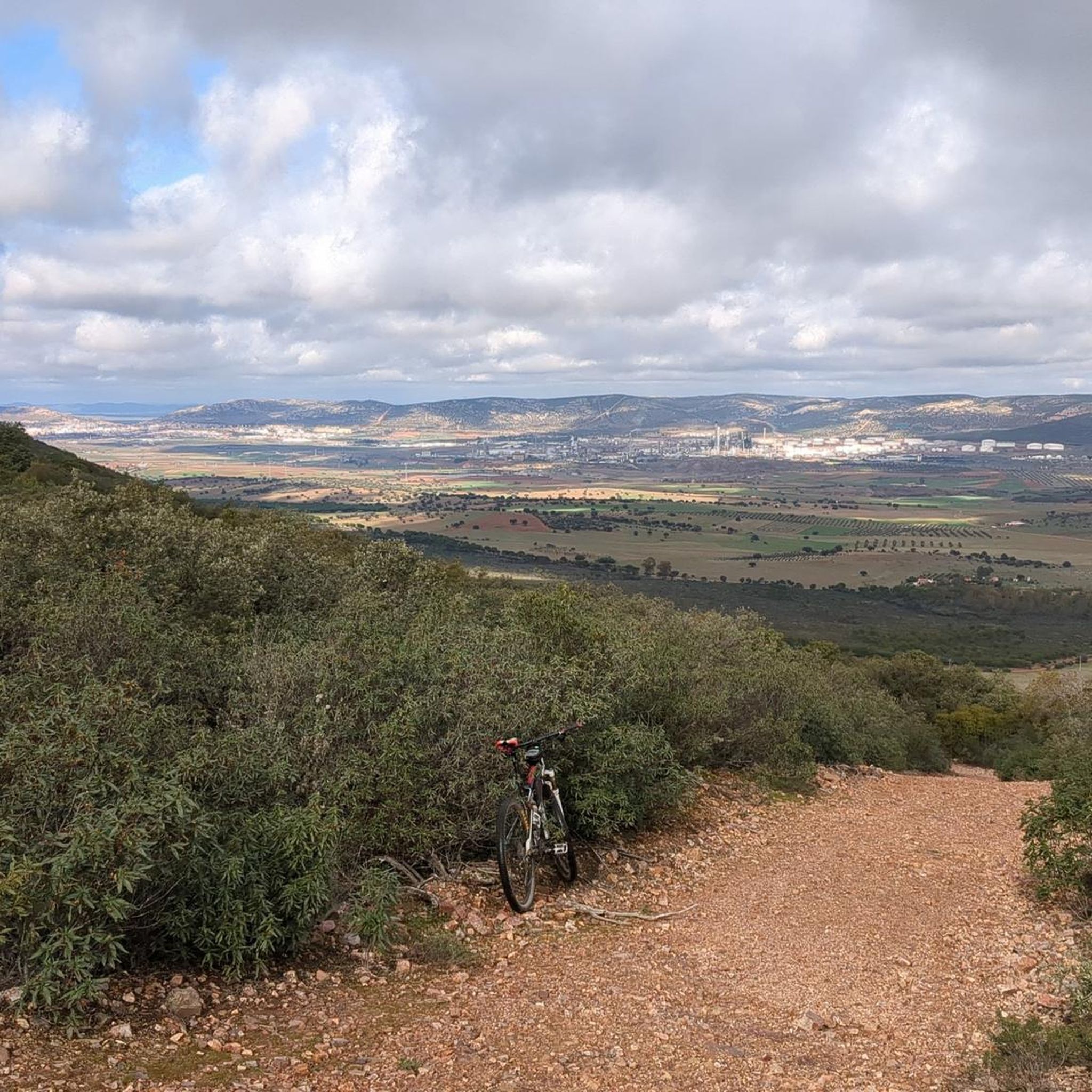
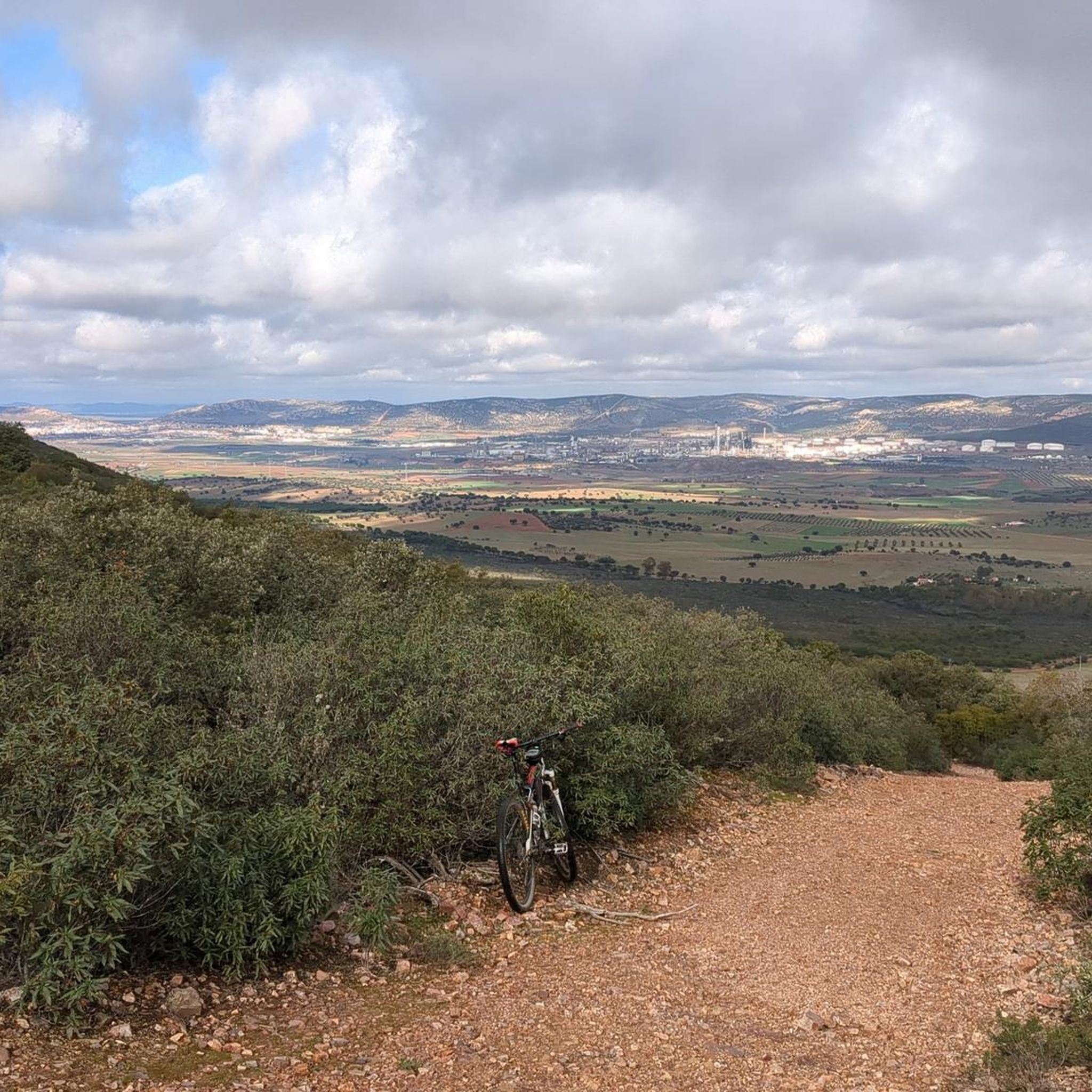
Puerto de los Rehoyos is a mountain pass located in Solana del Pino, in the province of Ciudad Real, Castilla-La Mancha. With an altitude of 986 metres, it offers magnificent views of the Sierra de la Solana and the Alcudia Valley. It is a popular place for hiking and cycling, with routes that allow you to enjoy the local fauna, such as deer and birds of prey. The CR-500 road, which passes through the pass, is in good condition and is ideal for those who enjoy outdoor activities.
3
0

Puertollano is a Spanish town in the province of Ciudad Real, in the autonomous community of Castilla-La Mancha. Traditionally, it has been associated with oil shale and coal mining and industry. The area in which Puertollano is located has been inhabited since prehistory, with archaeological remains found that correspond to Homo heidelbergensis and Homo antecessor. During the Middle Ages the city was born, linked to the repopulation process of Castile during the 13th century. In the 16th century, Puertollano received the rank of town, a privilege granted by Philip II. At that time Puertollano was an important agricultural and livestock center. The demographic consolidation of the city occurred at the end of the 19th century, with the development of coal mining and the inauguration of the train line between Madrid and Badajoz. Its cultural heritage It corresponds mainly to religious buildings, such as the church of Nuestra Señora de la Soledad (14th century), the church of the Virgen de Gracia (15th century) and the church of the Asunción (16th century). There is also a mining museum, and an old medicinal sour water spa, known as the Bath House, which today is a municipal service to citizens.
1
0

On the southern side of the Sierra de la Solana is this small town surrounded by immense forests and with beautiful views of the northern Sierra Madrona.
0
0
Right on the southern side of the Sierra de la Solana is this small town surrounded by immense forests and with beautiful views of the northern Sierra Madrona.
0
1
Population that is located in a valley and on the one hand there are the mountains of Puertollano to the north and to the south the Sierra Madrona and the Robledillo river that belong to the Marianic System.
0
1
Located at the foot of the Monument to the Miner, an imposing bronze sculpture, the work of Pepe Noja, which represents the mining history of the city, borders the volcanic area of Campo de Calatrava and in its vicinity is the Valley of Alcudia. Mining activity is of special importance with the Mining Museum, a building that surrounds an old headframe and simulates a coal selection workshop. On its two floors, the museum discourse addresses the transformation of Puertollano into an industrial city due to the discovery of coal. The mining tradition of this town is very present in its different corners, such as the Castillete de Santa María, which welcomes its visitors at the entrance to the city. It is also worth seeing the Monument to the Miner, mentioned above and located on the Cerro de Santa Ana, from which we will obtain a fantastic panoramic view of the city and its surroundings.
7
0
Located at the foot of the Monument to the Miner, an imposing bronze sculpture, the work of Pepe Noja, which represents the mining history of the city, borders the volcanic area of Campo de Calatrava and in its vicinity is the Valley of Alcudia. Mining activity is of special importance with the Mining Museum, a building that surrounds an old headframe and simulates a coal selection workshop. On its two floors, the museum discourse addresses the transformation of Puertollano into an industrial city due to the discovery of coal. The mining tradition of this town is very present in its different corners, such as the Castillete de Santa María, which welcomes its visitors at the entrance to the city. It is also worth seeing the Monument to the Miner, mentioned above and located on the Cerro de Santa Ana, from which we will obtain a fantastic panoramic view of the city and its surroundings.
3
0

Hinojosa's de Calatrava is a small town at the entrance to the Valle de Alcudia and Sierra Madrona Natural Park. If you need a break, stop under the shade of the trees in the Plaza de la Iglesia.
1
0
Frequently Asked Questions
What is the terrain like for road cycling in Solana Del Pino?
The region offers a diverse and challenging terrain, characterized by expansive plains and rugged mountains such as the Sierra Madrona and Sierra de Umbría. Cyclists will encounter significant elevation gains, with routes featuring consistent, manageable gradients, particularly on passes like Puerto Madrona. The landscape includes valleys covered in oak and cork oak trees, rivers, and gorges.
How many road cycling routes are available around Solana Del Pino?
There are 6 road cycling routes around Solana Del Pino documented on komoot, all of which are rated as difficult, offering a significant challenge for experienced cyclists.
What natural features can I see while road cycling in Solana Del Pino?
Road cycling routes in Solana Del Pino offer breathtaking views of the Valle de Alcudia, Sierra Madrona, and the Montoro Reservoir. You can also encounter unique rock formations and ancient oak trees. Notable natural attractions include the Batanera Waterfall, Las Lastras, and Chorrera de Ventillas Waterfall.
Are there any historical sites or landmarks to explore near the cycling routes?
Yes, the area is rich in history. You can find ancient cave paintings such as the La Batanera Rock Art Site and Peñaescrita Cave Paintings, which are Sites of Cultural Interest. The region also features ancient Roman mines like Minas Díogenes and preserved windmills, reflecting its agricultural past.
What are the road conditions like on the cycling routes in Solana Del Pino?
Many routes in the region feature well-paved surfaces, particularly the road leading to Puerto Madrona, which is described as being in 'perfect' condition. The rural nature of the area also means very little motor vehicle traffic, offering a quiet and enjoyable cycling experience.
Are there challenging road cycling routes in Solana Del Pino?
Absolutely. All 6 routes listed on komoot for Solana Del Pino are rated as difficult, featuring significant elevation gains. For example, the Puerto Madrona y Puerto de los Rehoyos — circular por el Pantano del Montoro route covers 110 km with over 2,300 meters of elevation gain.
What do other road cyclists say about the routes in Solana Del Pino?
The road cycling routes in Solana Del Pino are highly rated by the komoot community, with an average score of 5.0 stars from reviews. Cyclists often praise the stunning and varied mountainous landscapes, the well-maintained natural environment, and the low traffic on the roads, especially on mountain passes.
Are there circular road cycling routes available?
Yes, many of the routes are circular, allowing you to start and end in the same location. Examples include the Sierra de Madrona and Pantano del Montoro Loop and the Puerto Madrona from Puertollano – circular via Mestanza and the Sierra Madrona.
Is Solana Del Pino suitable for beginner road cyclists?
Given that all listed routes are rated as 'difficult' with significant elevation gains, Solana Del Pino is generally more suited for experienced road cyclists seeking a physical challenge. Beginners might find the terrain demanding.
What is the best time of year for road cycling in Solana Del Pino?
While specific weather data isn't provided, the region's mountainous and rural nature suggests spring and autumn would offer the most pleasant temperatures for road cycling, avoiding the intense heat of summer and potential colder conditions in winter.
Are there places to eat or stay for cyclists in Solana Del Pino?
Solana del Pino is a rural village, and while specific cyclist-focused amenities are not detailed, you can expect to find local restaurants and rural accommodation options within the village or nearby towns to refuel and rest after your rides.
Is parking available for road cyclists in Solana Del Pino?
As a rural area, parking is generally available in Solana Del Pino, particularly in the village center or at common starting points for routes. Specific designated cyclist parking areas are not highlighted, but local parking should accommodate visitors.
Most popular routes around Solana Del Pino
Most popular attractions around Solana Del Pino

Get inspired with the komoot mobile app


Explore more
Browse the best Road cycling routes in other regions.
