Attractions and Places To See around Belinchón - Top 20
Best attractions and places to see around Belinchón offer a blend of historical sites, cultural landmarks, and natural features within the province of Cuenca, Spain. The area provides insights into local traditions and historical communication methods. Visitors can explore significant architectural structures and natural salt flats with ancient origins.
Best attractions and places to see around Belinchón
- The most popular attractions is Villamanrique de Tajo Viaduct, a bridge that was originally constructed for a train track. It is now…
Last updated: October 10, 2026
Villamanrique de Tajo Viaduct
Highlight • Bridge
Translated by Google •
Tip by

Iron Bridge of Fuentidueña de Tajo
Highlight • Bridge
Translated by Google •
Tip by

Sign up now to discover places like this
Get recommendations on the best single tracks, peaks, & plenty of other exciting outdoor places.
Cross of the Order of Santiago – Gabriela and Lorenzo Rest Area
Highlight • Monument
Translated by Google •
Tip by
Estremera Tunnels
Highlight • Structure
Translated by Google •
Tip by

Tren de los 40 Días
Highlight • Historical Site
Kilometer 42.5
The route continues along the route of the 40 Day Train and rural roads to the streets of Estremera, passes through El Parque and leaves the town …
Translated by Google •
Tip by

Sign up for free to discover even more attractions around Belinchón.
Already have an account?
Start today with a free account
Your next adventure awaits.



Tips from the Community

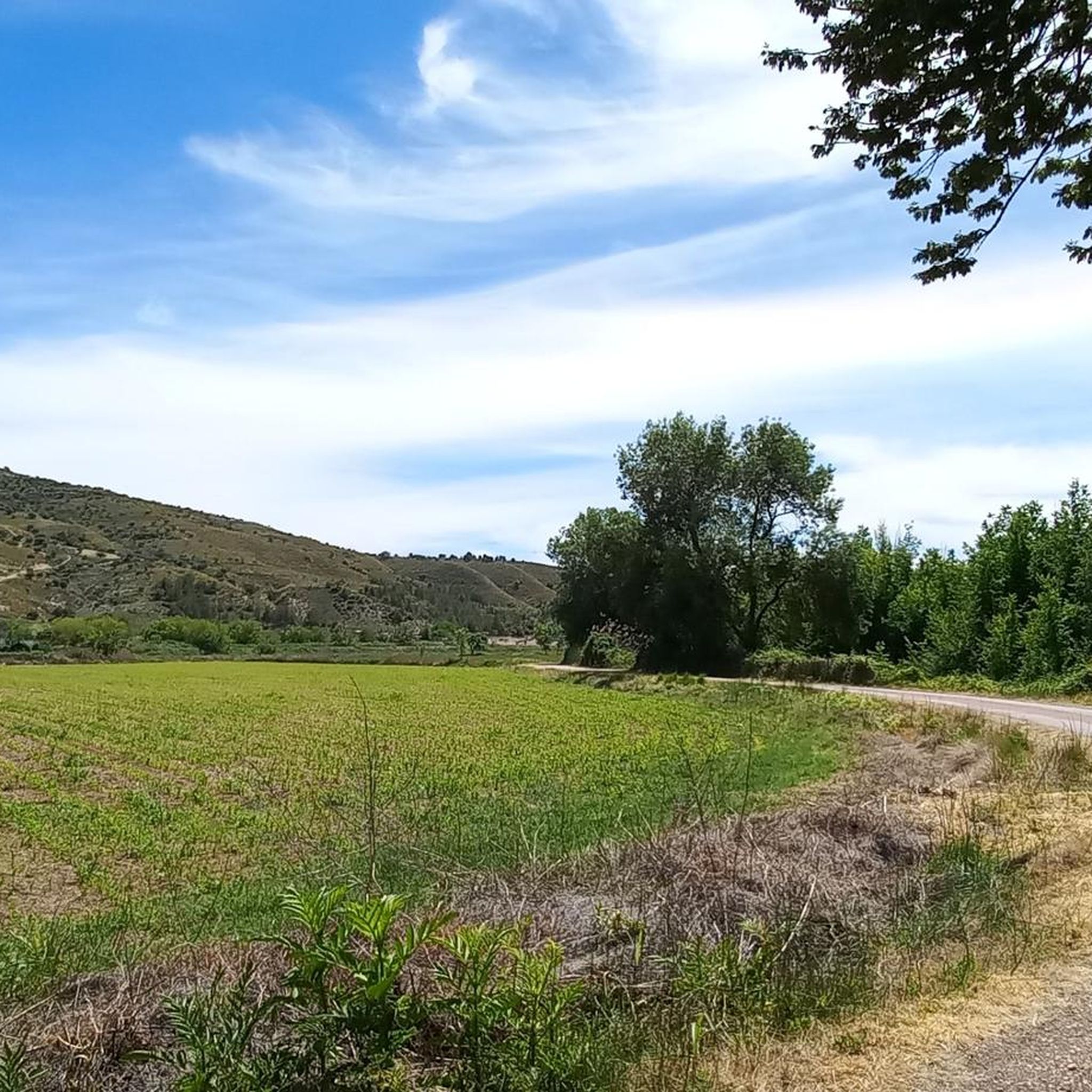
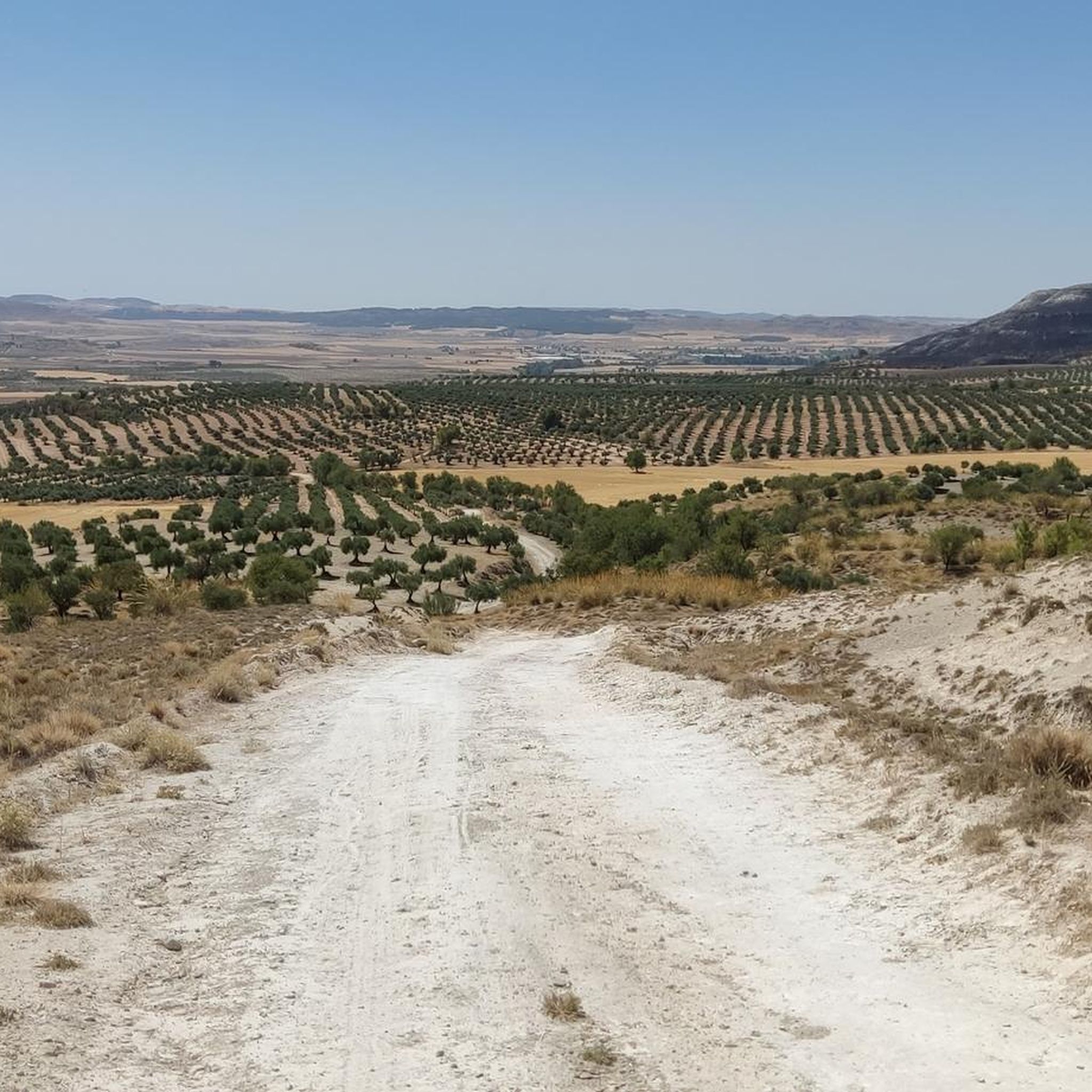
This section is popular with cyclists due to the allure of the tunnels and the gorge carved by the old railway line through the gypsum and esparto grass hillsides and ravines. The railway tunnels and cuttings are impressive constructions, both for their design and their railway efficiency. They facilitate the passage of trains across steep terrain and maintain a gentle, accessible gradient in challenging areas, with raised sections of the ground to reduce noise and visual impact in environmentally sensitive locations.
0
0

Estremera Kilometer 42.5 The route continues along the route of the 40 Day Train and rural roads to the streets of Estremera, passes through El Parque and leaves the town through the Plaza de San Isidro, where there are several stately homes. On Church Street is the Casa de las Columnas, an old century palace with a Renaissance façade from the 16th century and other mansions from the 18th and 19th centuries. In the Plaza Mayor is the Remedios church, which houses the oldest baroque organ in the Community of Madrid, and the Town Hall, with a porticoed façade. The route leaves Estremera along the Tajo Natural Trail, crosses the Illana road and detours towards Brea de Tajo through the Vega de Brea valley.
1
0

The Fuentidueña de Tajo bridge is an engineering work from the mid-19th century that restored the passage through this river on the way to Cuenca. It is the oldest large metal bridge in Madrid. This work allowed communications to be modernized at the time of its execution.
2
0
This viaduct, near Villamanrique de Tajo, seems to have been built for a train track. Today it is enjoyed by cyclists who circulate between Vilamanrique and Fuentidueña.
0
1
The Uclés path is marked by the particularity of its signage full of messages to pilgrims and with rest areas with the cross of the order of Santiago. This point has two cement blocks as benches and motivational messages.
1
0
The livestock route crosses the Tagus Natural Trail, crosses the town to the shore of the Tagus and passes the river over a historic iron bridge from the 19th century. The Tagus Bridge is a magnificent work of civil engineering inaugurated in 1867. The designer of the project was the architect José de Echevarría, who sought collaborators in France within the Eiffel team and chose iron to build a solid bridge in a fundamental passage of the Tagus plain. In the transit of the eastern Soriana Royal Canyon and the Camino Real de Valencia, an old Post Road and route of peasants and merchants since the Early Middle Ages. The first mechanical means to cross the Tagus riverbed was a rope boat, replaced by a rope bridge that could withstand unforeseen floods, but it was destroyed by General Prim's troops in the mid-19th century. In the vicinity of the bridge is the recreational area of La Tejera, with riverside trees and river beaches.
1
1

Nice viaduct, often the perspective prevents us from appreciating it
0
0
Frequently Asked Questions
What historical and cultural sites can I explore in Belinchón?
Belinchón offers a rich historical and cultural experience. You can visit the Museo de la Danza de Belinchón, dedicated to the traditional 'Danza de Belinchón,' which is an Asset of Cultural Interest. The monumental Iglesia de San Miguel Arcángel is another significant architectural landmark. Additionally, the Ayuntamiento de Belinchón, housed in a palace, and the Torre de Telegrafía Óptica de Belinchón, representing a historical communication method, are notable sites.
Are there any natural features or unique landscapes to see near Belinchón?
Yes, the Salinas de Belinchón are a natural feature with historical significance, having been exploited for salt since Roman times. The area also features the Tagus River, which is crossed by several historical bridges.
What are some notable bridges or engineering marvels in the vicinity?
The region boasts impressive engineering works. The Iron Bridge of Fuentidueña de Tajo is a 19th-century marvel that restored passage over the Tagus River and is the oldest large metal bridge in Madrid. Another significant structure is the Villamanrique de Tajo Viaduct, originally built for a train track and now used by cyclists.
Are there any family-friendly attractions around Belinchón?
Several attractions are suitable for families. The Iron Bridge of Fuentidueña de Tajo and the Cross of the Order of Santiago – Gabriela and Lorenzo Rest Area are both categorized as family-friendly. The rest area, in particular, offers benches and motivational messages, making it a pleasant stop.
What kind of outdoor activities can I do near Belinchón?
The area around Belinchón is excellent for various outdoor activities. You can find numerous routes for mountain biking, gravel biking, and running. For detailed routes, explore the MTB Trails around Belinchón, Gravel biking around Belinchón, and Running Trails around Belinchón guides.
Are there specific trails for hiking or walking near the attractions?
While specific hiking trails directly linked to the attractions aren't detailed, the Cross of the Order of Santiago – Gabriela and Lorenzo Rest Area is located on the Uclés path, which is a trail for pilgrims. The Tren de los 40 Días also follows a historical route that can be explored on foot.
What is the significance of the Cross of the Order of Santiago?
The Cross of the Order of Santiago – Gabriela and Lorenzo Rest Area features a monument to the cross of the Order of Santiago. This location is part of the Uclés path, known for its unique signage and rest areas for pilgrims, making it a significant spot for those following historical routes.
Can you tell me more about the historical context of Belinchón?
Belinchón has a deep history, with references dating back to after the Battle of Uclés in 1108. It also played a role in communication history, with a Royal Diligence service connecting it to Valencia in 1767. The area's salt flats have been exploited since Roman times, highlighting its long-standing importance.
What is the 'Tren de los 40 Días'?
The Tren de los 40 Días refers to a historical route, part of which continues along the old train track and rural roads towards Estremera. It's a historical site that offers insights into past transportation and local heritage.
What can I expect to see in Fuentidueña de Tajo Town Center?
The Fuentidueña de Tajo Town Center and Historic Landmarks offers a valuable heritage complex. You can explore the ruins of its castle, the Fuente de la Dueña, the church of San Andrés, and the Plaza de la Constitución with its Clock Tower. It's a place rich in history, revealing its strategic importance since Roman times.
What do visitors particularly enjoy about the attractions around Belinchón?
Visitors appreciate the blend of historical and engineering marvels. The Villamanrique de Tajo Viaduct is noted for its impressive engineering, while the Iron Bridge of Fuentidueña de Tajo is valued for its historical significance and role in modernizing communications. The area's cultural heritage, like the traditional dance, also provides a unique experience.

Get inspired with the komoot mobile app


Explore more
Still not found the Highlight you’re looking for? See guides of the top attractions in other regions:
