Attractions and Places To See around San Pedro Manrique - Top 20
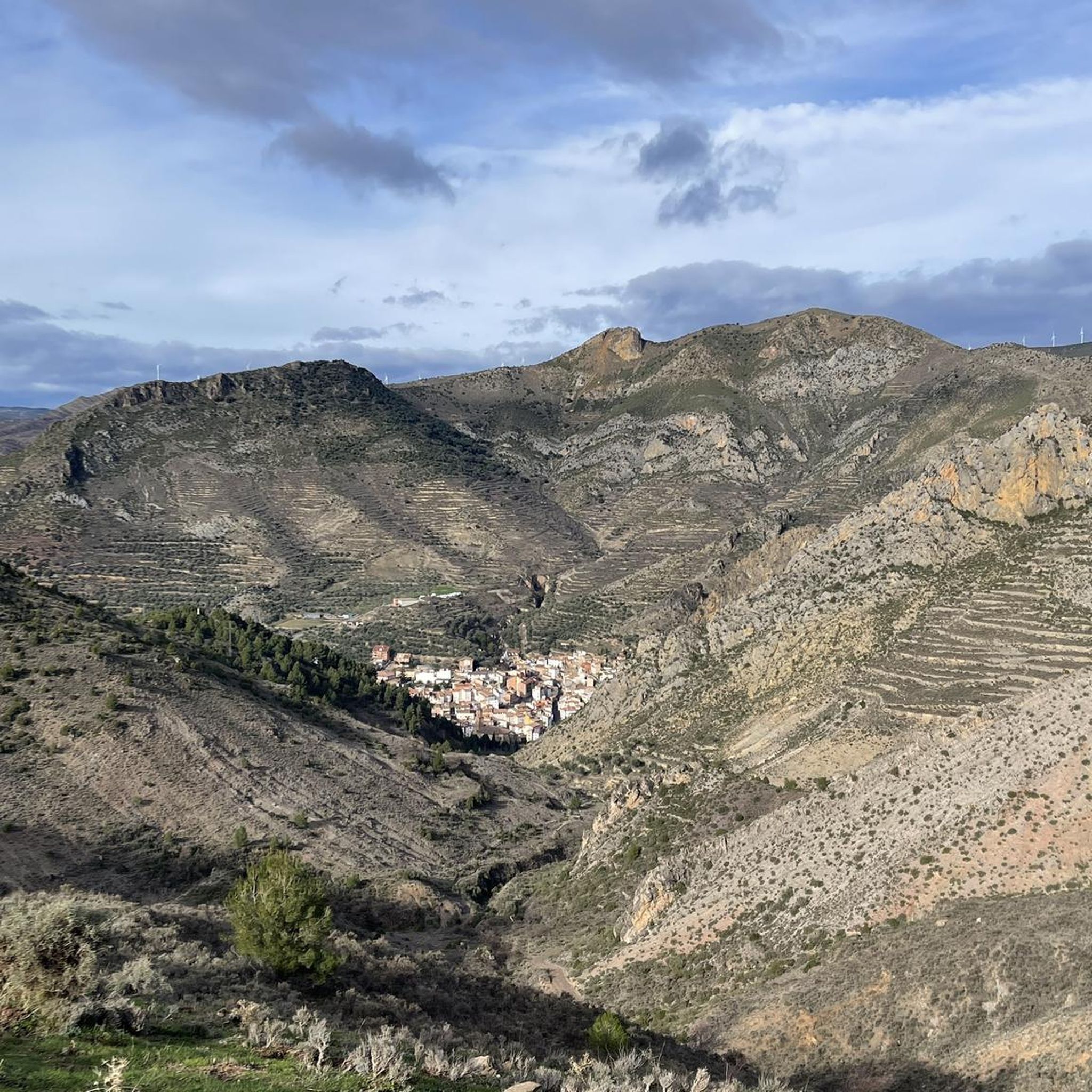
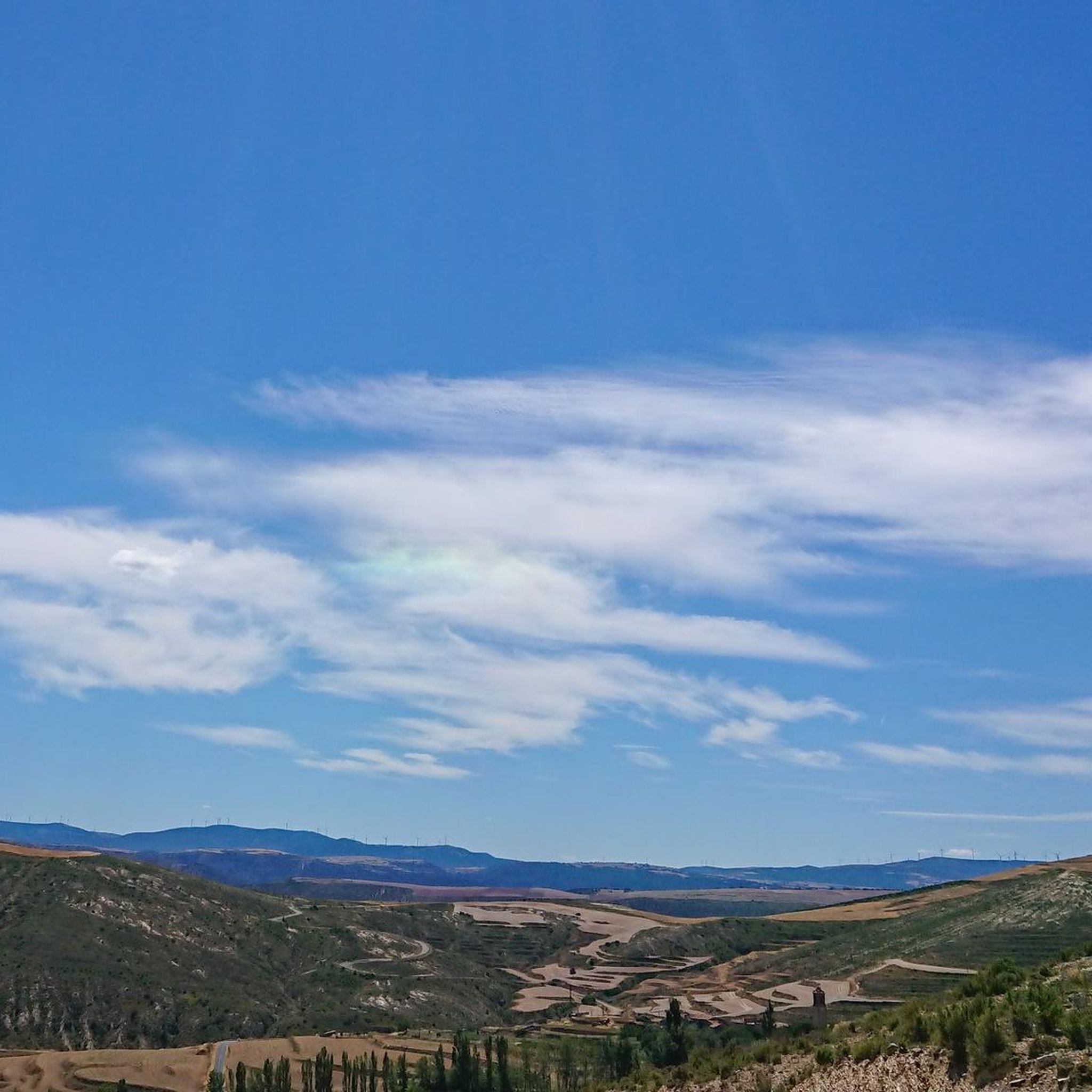
Best attractions and places to see around San Pedro Manrique are found in the province of Soria, Spain, within the picturesque Tierras Altas region. This area is characterized by mountains and valleys, with the Linares River crossing the town. San Pedro Manrique offers a blend of historical landmarks, cultural traditions, and natural beauty for exploration.
Best attractions and places to see around San Pedro Manrique
- The most popular attractions is Peña Isasa, a summit that is a limestone bastion…
Last updated: October 10, 2026
Yanguas Historic Village
Highlight • Historical Site
Translated by Google •
Tip by

Préjano Castle
Highlight • Castle
Translated by Google •
Tip by

Sign up now to discover places like this
Get recommendations on the best single tracks, peaks, & plenty of other exciting outdoor places.
Peña Isasa
Highlight • Summit
Translated by Google •
Tip by

Castle of la Nava del Marqués de Magaña
Highlight • Castle
Translated by Google •
Tip by

Ermita de San Marcos
Highlight • Religious Site
Translated by Google •
Tip by
Sign up for free to discover even more attractions around San Pedro Manrique.
Already have an account?
Start today with a free account
Your next adventure awaits.
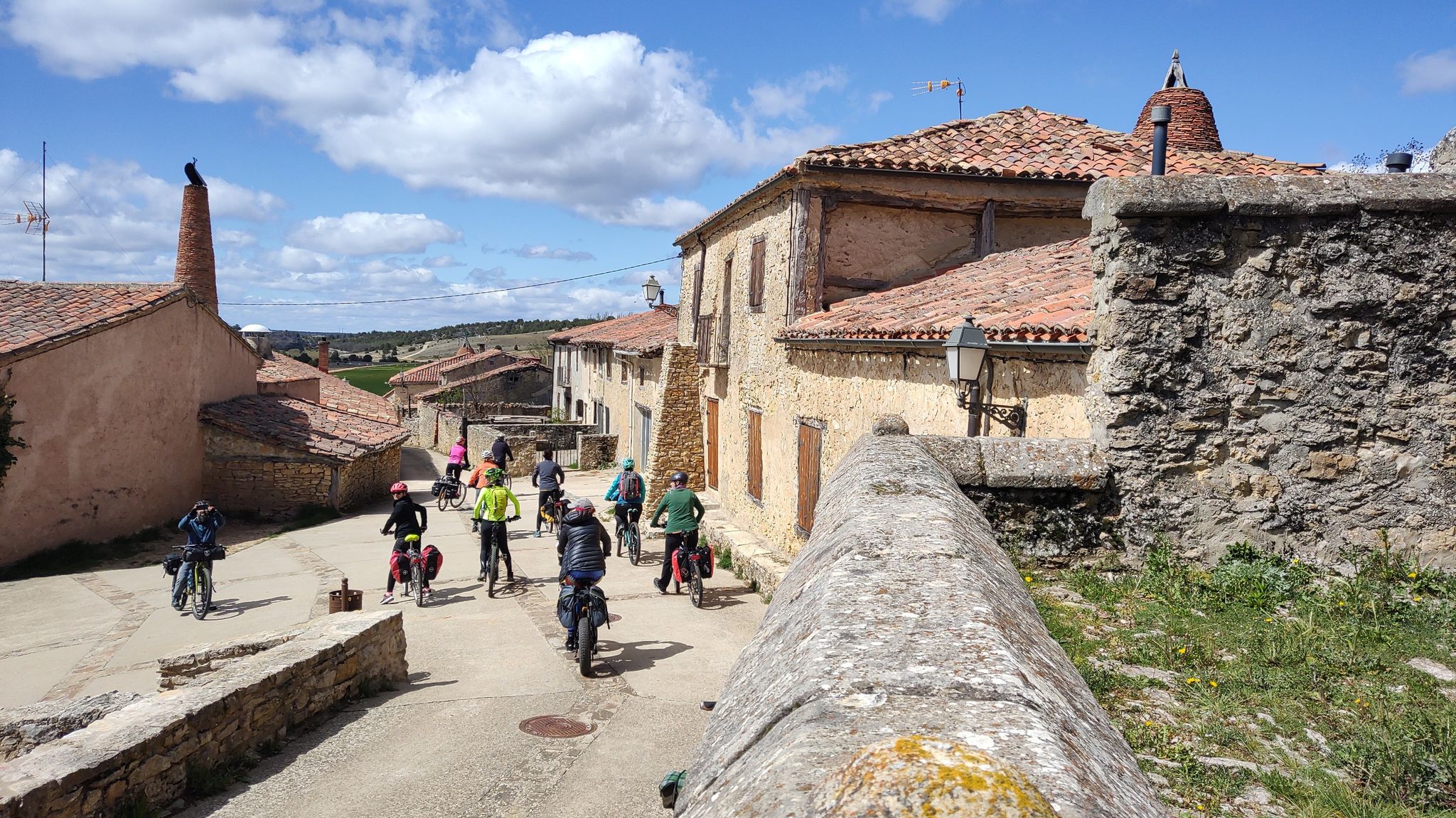
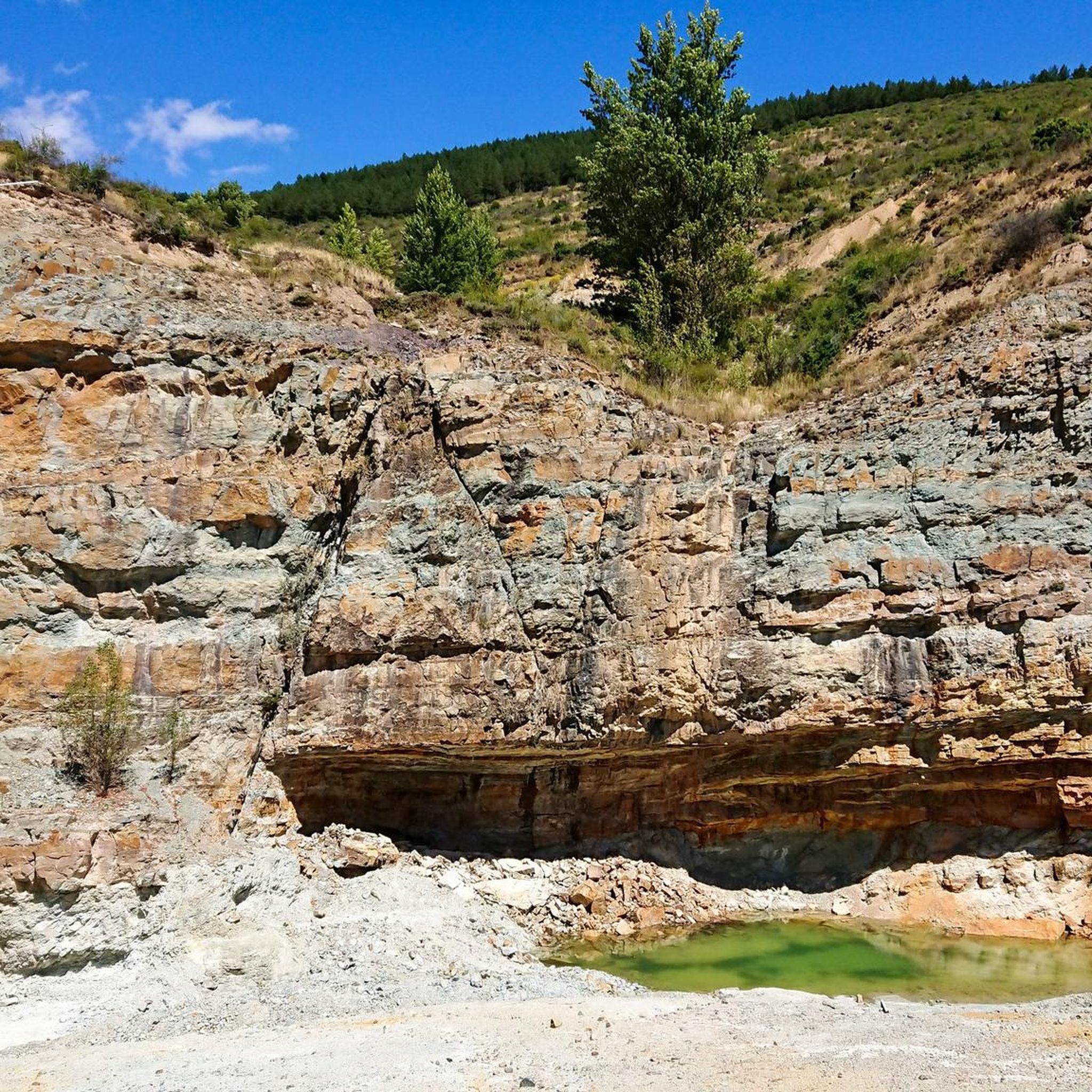
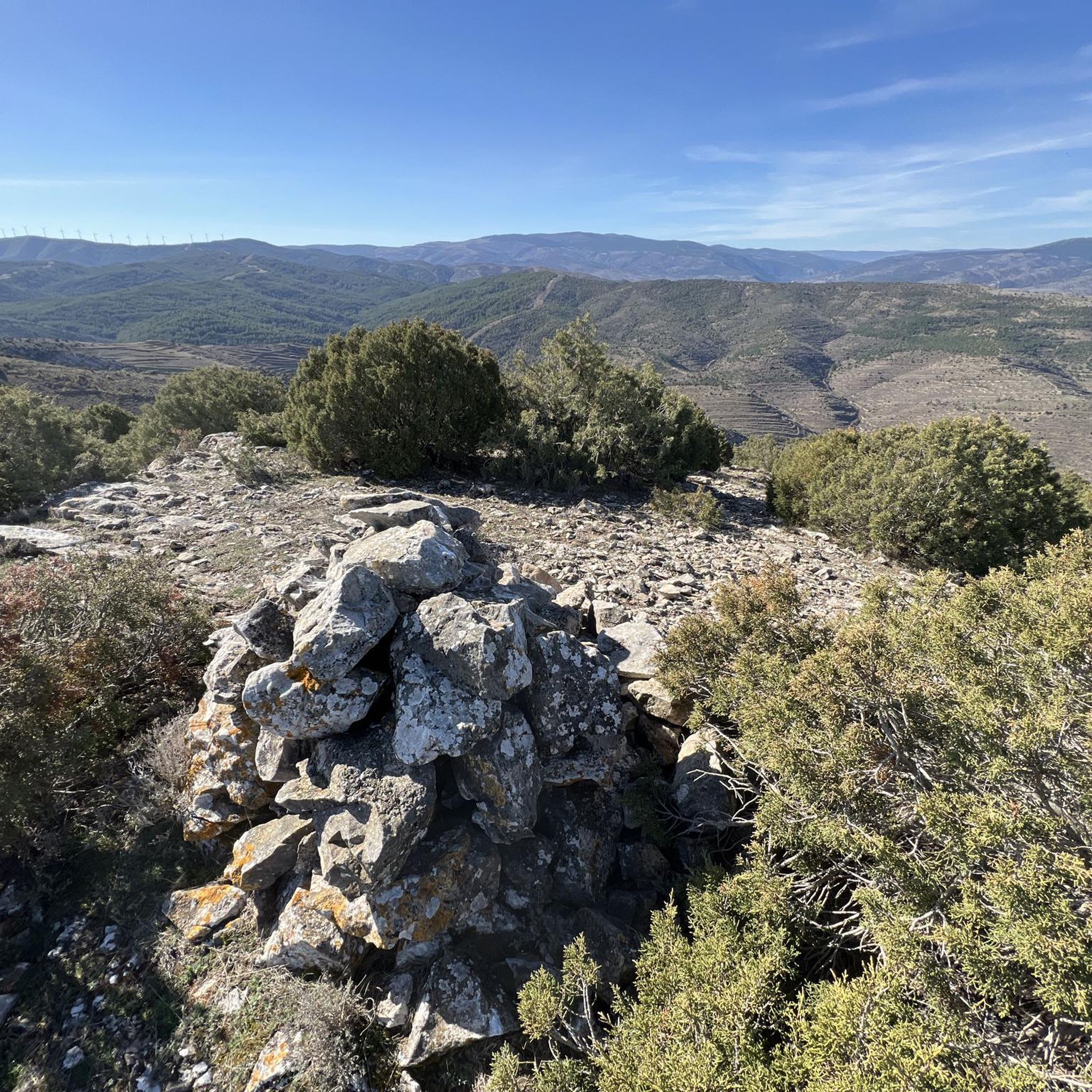
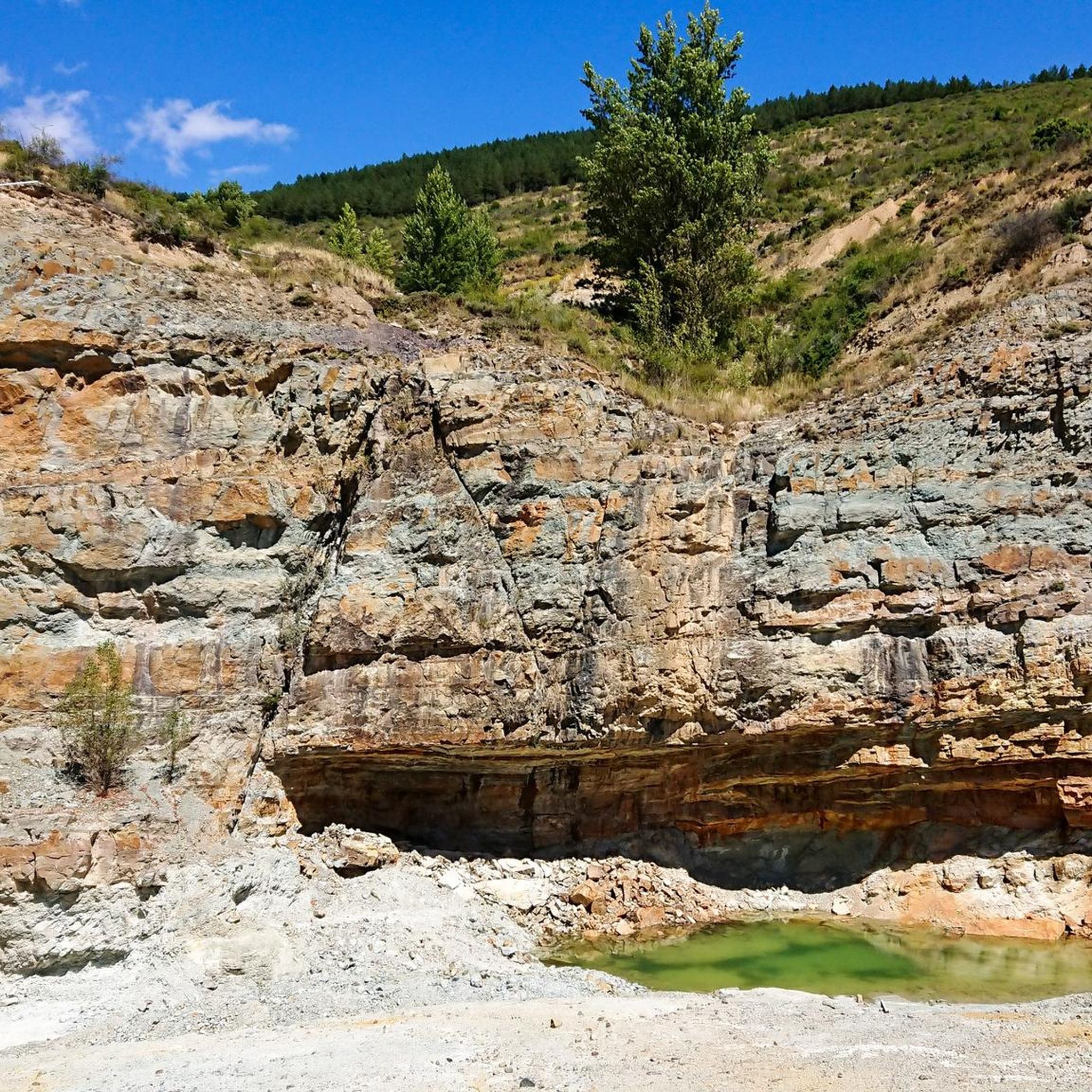
Other adventures around San Pedro Manrique

Tips from the Community

I didn't know it, and today I've been on routes for two days and I loved it.
0
0

Small and pretty town, area with lots of interesting mountain bike trails
0
0

Picnic area with water and beautiful views of the Prejano castle and the valley
0
1

Accommodation, shops and bar in this beautiful medieval town. They have just restored the castle
0
0

Magaña Castle is a medieval fortress located on a hill overlooking the town of the same name, in the province of Soria, Tierras Altas region, community of Castilla y León. It is believed to have been built during two stages throughout the 15th century. The inner enclosure would be built in the first stage, and the outer barrier in a second. Due to its architectural characteristics, it belongs to the typology of stately castle of the Valladolid school, very common in the north of Castile in the second half of the 15th century.
2
0

Yanguas is located at the gates of a canyon on the Cidacos River that leads to La Rioja. The beauty of the town has made it enter by its own right into the association of The Most Beautiful Towns in Spain. Its historic group of stone houses, especially slate, preserves the appearance of traditional architecture. In addition, it houses centuries-old monuments such as the Romanesque churches of San Lorenzo and Santa María, among other buildings of heritage relevance.
1
0
Magaña is one of those towns that surprises you greatly the first time you go. It is located on a promontory above the Alhama River valley and at the highest part stands the Nava del Marqués castle, built in the 15th century from a 10th century Berber tower. From the castle wall you can see a beautiful panoramic view of the town, in the foreground the church of San Martín de Tours stands out, built in the 16th century on a Romanesque hermitage.
1
0

Frequently Asked Questions
What historical sites can I explore around San Pedro Manrique?
The region is rich in history. You can visit the remains of the 15th-century Préjano Castle, which includes a 15-meter high tower. Another significant site is the Yanguas Historic Village, known for its traditional architecture and monuments like the Romanesque churches of San Lorenzo and Santa María. Don't miss the Castle of la Nava del Marqués de Magaña, a medieval fortress offering excellent views. Within San Pedro Manrique itself, you'll find the ruins of the 15th-century Castle of San Pedro Manrique, the Parish Church of San Martín de Tours, and the Romanesque Ruins of San Pedro el Viejo, an old Templar monastery.
Are there any natural viewpoints or scenic spots nearby?
Absolutely. The most prominent natural viewpoint is Peña Isasa, a 1,474 m limestone summit offering expansive views of the entire La Rioja Baja region. The Ermita de San Marcos is also located near a beautiful viewpoint. The town of San Pedro Manrique is nestled in the picturesque Tierras Altas region, characterized by mountains and valleys, with the Linares River flowing through it. Further afield, you can explore the impressive landscapes of Parque Natural de la Laguna Negra y los Circos Glaciares de Urbión and Parque Natural Sierra de Cebollera.
What unique cultural experiences does San Pedro Manrique offer?
San Pedro Manrique is famous for its unique 'Paso del Fuego' (Passage of Fire) and 'Las Móndidas' festivities, held on the night of San Juan (June 23rd). This ancient ritual involves locals walking barefoot over burning embers. You can learn more about this tradition at the Centro de Interpretación del Paso del Fuego, which features displays, photographs, and a recreation of the ember carpet. The Museo Etnográfico de Sarnago, about 5 km away, also showcases local customs and traditions.
What kind of hiking trails can I find around San Pedro Manrique?
The area offers a variety of hiking trails for different skill levels. For an easy family-friendly option, consider the Enciso Dinosaur Trail or the Chorrón del Saltadero Trail. Moderate routes include the Peña Isasa circular route from Muro de Aguas and the Despoblado de Vea by the río Linares. Many trails in the vicinity of Peña Isasa are suitable for a nice day of hiking.
Are there cycling or mountain biking opportunities in the area?
Yes, the region provides excellent routes for both cycling and mountain biking. For cycling, you can explore routes like the Cidacos Greenway or a loop from Magaña to the Church of Castilruiz. Mountain bikers can tackle challenging trails such as the Turruncún Ruins Circuit or the San Pedro Manrique – Fuentes de Magaña loop. Peña Isasa itself has many trails suitable for mountain biking.
What do visitors enjoy most about the attractions around San Pedro Manrique?
Visitors frequently highlight the stunning views from summits like Peña Isasa, often describing them as 'a joy of views.' The historical significance of sites like Yanguas Historic Village, with its well-preserved traditional architecture, is also highly appreciated. The blend of ancient ruins, scenic natural spots, and the opportunity for outdoor activities like hiking and biking makes the area particularly appealing.
Are there family-friendly attractions or activities in the San Pedro Manrique area?
Yes, the Yanguas Historic Village is considered family-friendly, offering an engaging historical experience. For outdoor activities, the Enciso Dinosaur Trail is an easy hiking option that can be enjoyable for families. Exploring the historic streets of San Pedro Manrique itself, with its 16th and 17th-century houses, can also be a pleasant family activity.
What is the best time of year to visit San Pedro Manrique?
The region offers different appeals throughout the year. For cultural enthusiasts, visiting around June 23rd allows you to experience the unique 'Paso del Fuego' festival. Autumn is particularly beautiful for nature lovers, especially to see the Diustes beech forest, which is about 8km from Yanguas. Spring and early summer are generally ideal for hiking and outdoor activities, with pleasant temperatures.
Where can I find information about local services like cafes or accommodation?
The Yanguas Historic Village, for example, offers multiple services including shops, bars, and various accommodations, from hotels to rural houses. San Pedro Manrique itself has a traditional Plaza Mayor, a perfect spot to relax and soak in the local atmosphere, suggesting local establishments are available. For specific details on cafes, pubs, or accommodation in San Pedro Manrique and surrounding villages, it's best to check local tourism resources upon arrival.
What are some lesser-known or 'hidden gem' attractions in the area?
Beyond the main highlights, consider exploring the Romanesque Ruins of San Pedro el Viejo, an old Templar monastery on a nearby hill, which offers a glimpse into the region's ancient past. The Hermitage of the Virgen de la Peña, rebuilt in the 1940s, is also a significant local site. Strolling through the narrow, steep streets of San Pedro Manrique to admire the 16th and 17th-century houses with their unique architecture can also feel like discovering a hidden gem.
Can I combine a visit to San Pedro Manrique with other natural parks?
Yes, San Pedro Manrique serves as a good base for exploring other natural areas. The Parque Natural de la Laguna Negra y los Circos Glaciares de Urbión is approximately 70 kilometers away, offering impressive landscapes. The Parque Natural Sierra de Cebollera in La Rioja is another nearby option for nature enthusiasts. Additionally, the Embalse de la Cuerda del Pozo, a reservoir, is also accessible from San Pedro Manrique for those looking for water-based natural attractions.
Most popular attractions around San Pedro Manrique

Get inspired with the komoot mobile app


Explore more
Still not found the Highlight you’re looking for? See guides of the top attractions in other regions:
