The best walks and hikes around Valle De Tabladillo
4.8
(71)
648
hikers
20
hikes
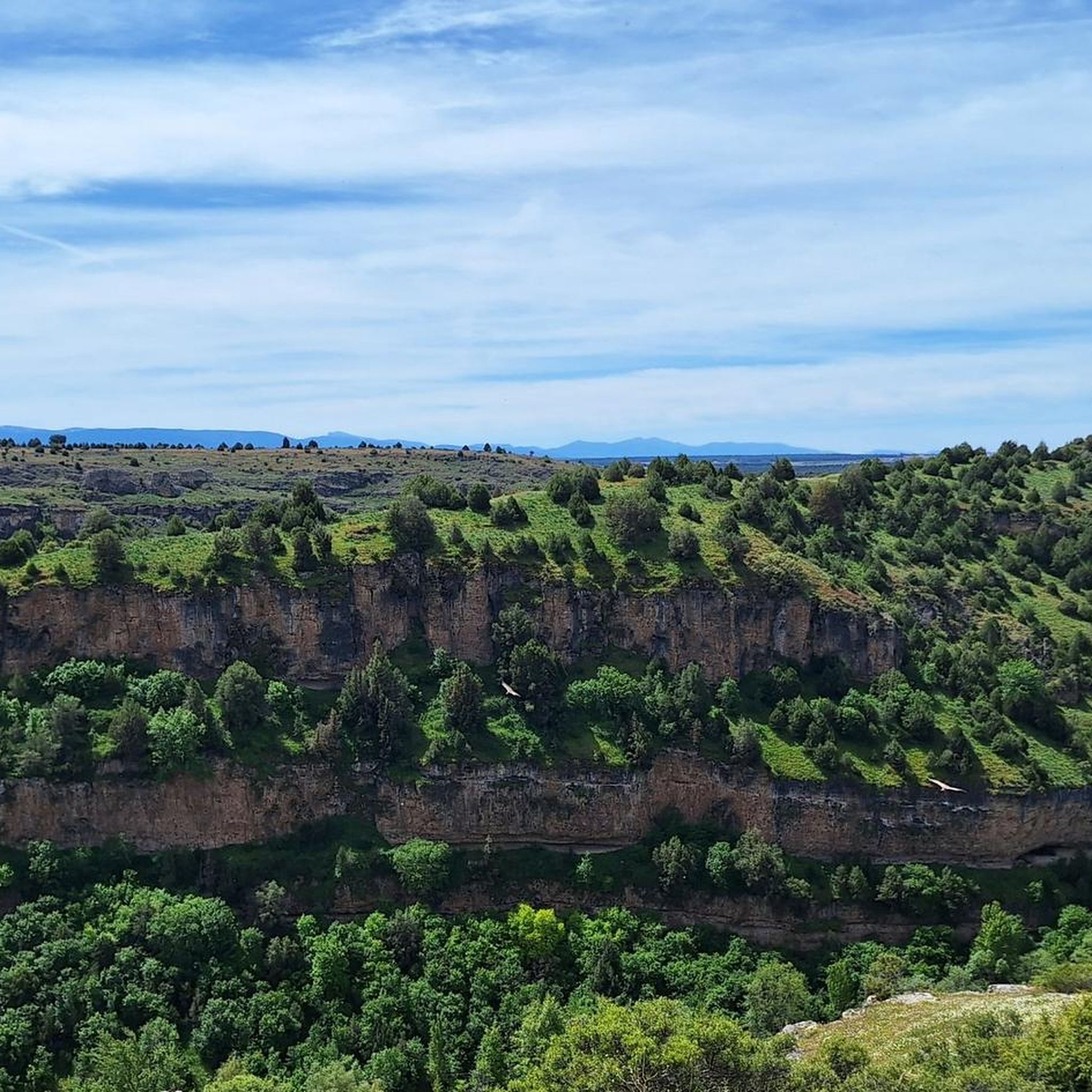
Hiking around Valle De Tabladillo offers access to a landscape shaped by deep canyons and limestone cliffs, notably within the Hoces del Río Duratón Natural Park. The region features unique geological formations such as "El Pingocho" and "El Fraile," carved by centuries of erosion. A distinctive microclimate supports fertile valleys and orchards, creating a varied environment for outdoor activities. The Arroyo del Valle further contributes to the verdant scenery, feeding into the Duratón River.
Best hiking trails around Valle De…
Last updated: July 1, 2026
2
hikers
19.7km
05:19
250m
250m
Hard hike. Very good fitness required. Easily-accessible paths. Suitable for all skill levels.
4.9
(9)
90
hikers
19.2km
05:08
220m
220m
Hard hike. Very good fitness required. Easily-accessible paths. Suitable for all skill levels.

Sign up for free
4.7
(6)
60
hikers
Easy hike. Great for any fitness level. Easily-accessible paths. Suitable for all skill levels.
4.7
(9)
60
hikers
13.5km
03:39
180m
180m
Moderate hike. Good fitness required. Easily-accessible paths. Suitable for all skill levels.
5.0
(2)
23
hikers
4.26km
01:16
130m
130m
Easy hike. Great for any fitness level. Easily-accessible paths. Suitable for all skill levels.
Get access to more routes and recommendations from other explorers.
Sign up for free
Already have an account?
Our route recommendations are based on thousands of hikes, rides, and runs completed by other people on komoot.
Start today with a free account
Your next adventure awaits.
Login or Signup
Tips from the Community

The medieval Talcano Bridge is located in Sepúlveda, in the province of Segovia. Although of Roman origin, the current structure probably dates back to the Middle Ages. Today, only one arch of the original bridge remains, as the course of the Duratón River has been altered and no longer passes beneath it.
1
0
Old factory of I don't know what, but in ruins, very cool to see
0
0
From this point you can get close to see the canyon and the Roman bridge of Talcano
0
0
The medieval Talcano Bridge is located in Sepúlveda, in the province of Segovia. Although of Roman origin, the current structure probably dates back to the Middle Ages. Today, only one arch of the original bridge remains, as the course of the Duratón River has changed and no longer passes beneath it.
0
0
Nice trail near the river. If you don't ask permission, you can't continue.
0
0

dedicate more than 6 hours to do sports and see landscapes
0
0

It is near the Hermitage of San Frutos. The three brothers San Frutos, San Agustin and Santa Engracia, who were hermits who lived in caves in the Hoces del Río Duraton, are buried here.
0
0
I have gone through the gorges of the Duraton River, but you can go by car to a parking lot 500 meters away. Next to the Hermitage of San Frutos are the ruins of the Hermitage of San Valentín, its brother.
0
0
Frequently Asked Questions
How many hiking trails are available in Valle De Tabladillo?
Valle De Tabladillo offers a diverse network of over 15 hiking routes, catering to various skill levels. These trails are highly rated by the komoot community, with an average score of 4.7 stars.
What kind of terrain can I expect on hikes around Valle De Tabladillo?
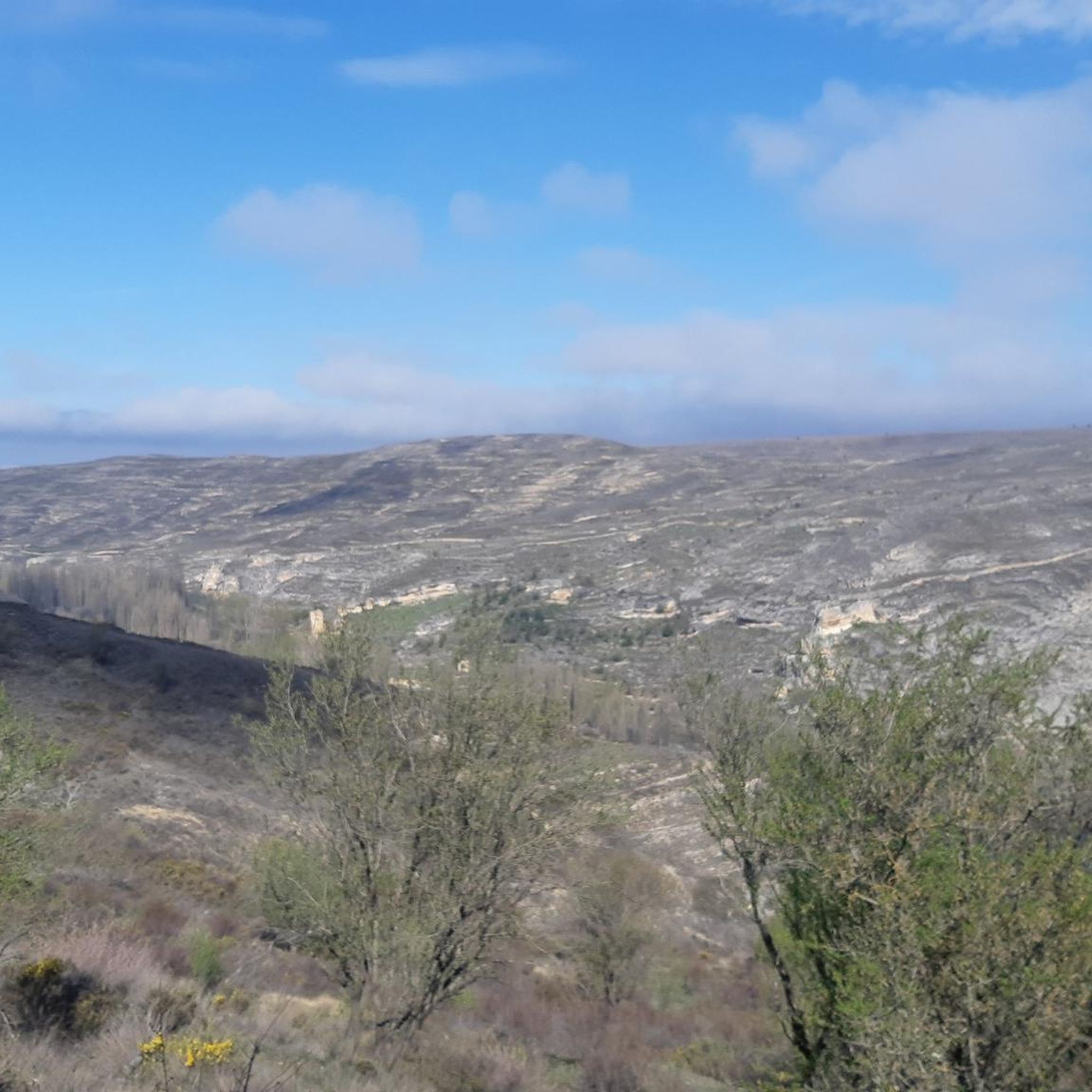
The terrain in Valle De Tabladillo is characterized by dramatic river gorges, unique eroded limestone formations, and fertile valleys. You'll encounter deep canyons carved by the Duratón River, striking rock monoliths, and lush areas fed by the Arroyo del Valle. Some routes may feature rocky paths and elevation changes, typical of the Hoces del Río Duratón Natural Park.
What natural landmarks can I see while hiking in Valle De Tabladillo?
Hikers can discover several unique natural landmarks. Look out for impressive limestone monoliths like "El Pingocho," "El Fraile," and "Las Monjas." The iconic Vulture Cliff and the deep canyons of the Hoces del Duratón Natural Park are prominent features, offering excellent opportunities to observe griffon vultures. You might also encounter the rocky alignment of "El Buquerón" and the "Fuente del Buquerón" spring.
Are there any historical or cultural points of interest along the trails?
Yes, several routes lead to significant historical sites. The Way of Saint Frutos Loop, for example, often includes the historic Ermita de San Frutos. You can also explore the ruins of the former church at Despoblado de Pajares, now the Ermita de San Juan, which offers a glimpse into the region's past. The village of Valle de Tabladillo itself retains traditional architecture, providing a charming start or end to your hike.
Are there any easy hiking trails suitable for beginners or families?
Yes, Valle De Tabladillo offers 5 easy routes. A good option for a shorter, less strenuous walk is the Ermita de San Frutos – Hermitage of San Frutos loop from Aparcamiento Ermita de San Frutos, which is 2.4 km long and takes about 48 minutes to complete.
What is the best time of year to hike in Valle De Tabladillo?
Valle De Tabladillo benefits from a unique microclimate, making it pleasant for hiking across much of the year. Spring is particularly beautiful when fruit trees are in bloom, and the landscape is lush. Autumn offers vibrant colors. The region is also known for its griffon vultures, which can be observed soaring above the canyons throughout the year.
Are there any circular hiking routes available?
Yes, many of the trails in Valle De Tabladillo are circular, allowing you to start and end at the same point. Examples include the Sepúlveda y Río Duratón — circular por el Parque natural Hoces del río Duratón and the Las Vencías Reservoir Loop, both offering scenic loops through the natural park.
What can I expect regarding wildlife, especially birds?
The region is a vital habitat for a large colony of griffon vultures, especially within the Hoces del Río Duratón Natural Park. You can often see them soaring above the cliffs. The Views of vulture nests highlight is a great spot for observation. The diverse natural environment also supports other bird species and local wildlife.
Are there any challenging long-distance hikes in the area?
For experienced hikers seeking a challenge, Valle De Tabladillo offers several difficult routes. The Vulture Cliff – Talcano Bridge loop from Sepúlveda is a demanding 19.2 km trail, often taking over 5 hours to complete, with significant elevation changes and stunning canyon views.
What do other hikers enjoy the most about hiking in Valle De Tabladillo?
The area is highly rated by the komoot community, with an average score of 4.7 stars. Reviewers often praise the dramatic river gorges, the unique eroded rock formations, and the opportunity to observe griffon vultures in their natural habitat. The varied terrain and the blend of natural beauty with historical elements are frequently highlighted as key attractions.
Are there any specific geological features worth noting?
Beyond the general canyons, the valley is home to several striking limestone monoliths, sculpted over centuries by erosion, known as "El Pingocho," "El Fraile," and "Las Monjas." "El Pingocho de San Juan" is particularly iconic, featuring a juniper tree growing atop a towering rock. The rocky alignment of "El Buquerón," forming a small canyon, and the ravine of "La Pecilga" further add to the area's geological interest.
Most popular routes around Valle De Tabladillo
Most popular attractions around Valle De Tabladillo

Get inspired with the komoot mobile app


Explore more
Browse the best Hikes in other regions.
