Attractions and Places To See around El Carpio De Tajo - Top 17
Best attractions and places to see around El Carpio De Tajo include a rich array of historical, cultural, and natural sites within the province of Toledo, Spain. The municipality is characterized by its historical significance, with evidence of Celtiberian, Roman, Visigothic, and Arab cultures. Visitors can explore architectural landmarks, archaeological remains, and natural features linked to the Tagus River. The area offers insights into centuries of history and diverse landscapes.
Best attractions and places to see around El Carpio De Tajo
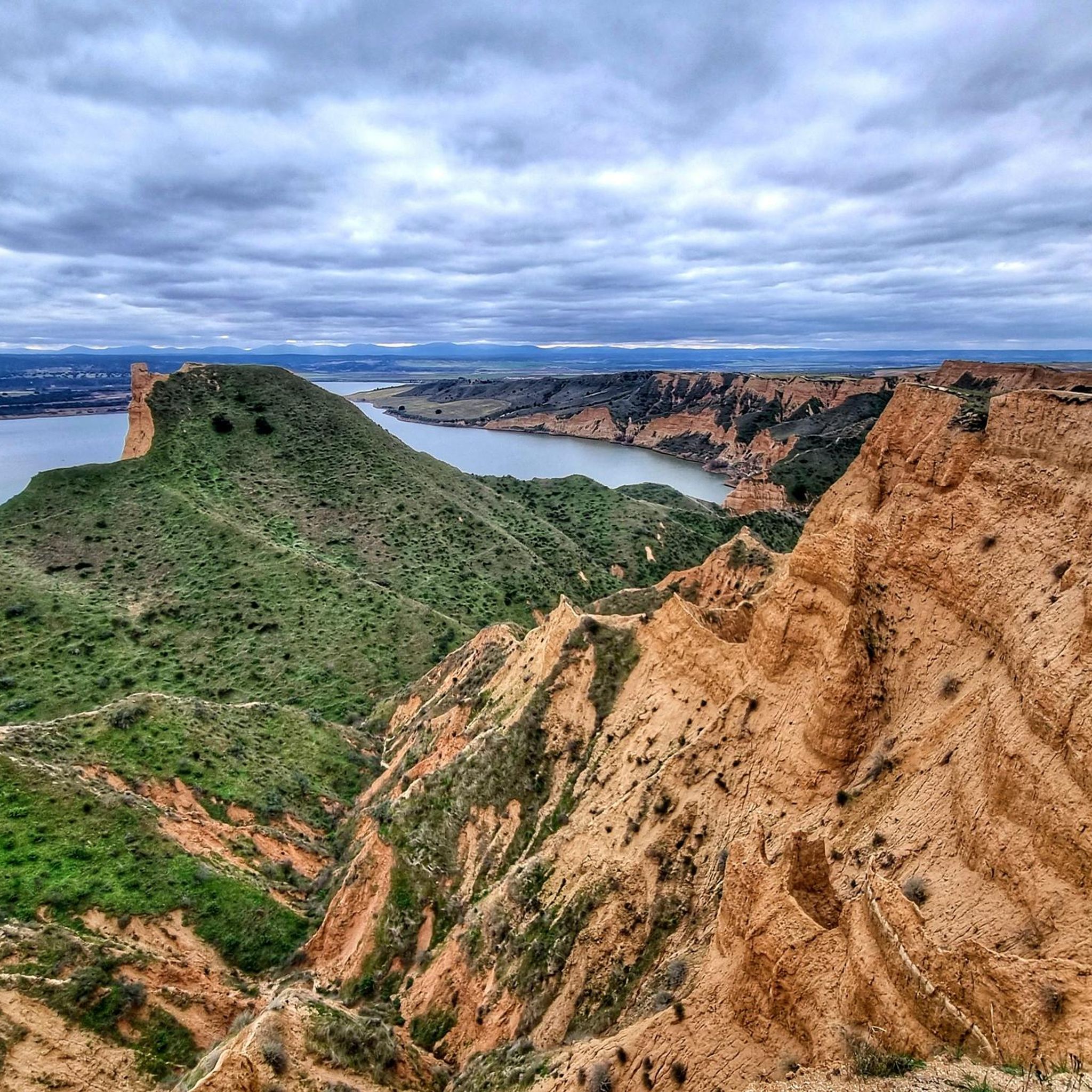
- The most popular attractions is Viewpoints of Las Barrancas and Castrejón Reservoir, a viewpoint that offers privileged views of the entire ravine, its curious natural formation, and the Castrejón reservoir. This area provides a dream complex of natural scenery.
- Another must-see spot is Melque Complex, a historical site. It is a historical and archaeological site that includes the church of Santa María de Melque, one of the best preserved Visigothic churches in Spain. It represents a journey through time, showcasing elements from the Roman world and oriental buildings.
- Visitors also love Parish Church of Our Lady of the Assumption, a religious building. It is a 16th-century Renaissance-style church. It stands on a hill amidst cereal fields and olive groves, characteristic of the Toledo plain.
- El Carpio De Tajo is known for its historical sites, religious buildings, and natural viewpoints. Visitors can explore ancient archaeological sites, significant religious architecture, and scenic natural viewpoints.
- The attractions around El Carpio De Tajo are appreciated by the komoot community, with 11 upvotes and 11 photos shared.
Last updated: July 12, 2026
Viewpoints of Las Barrancas and Castrejón Reservoir
Highlight (Segment) • Viewpoint
Translated by Google •
Tip by

Parish Church of Our Lady of the Assumption
Highlight • Religious Site
Translated by Google •
Tip by

Sign up now to discover places like this
Get recommendations on the best single tracks, peaks, & plenty of other exciting outdoor places.
Sign up for free
Melque Complex
Highlight • Historical Site
The Church of Santa María de Melque is built in irregularly cut granite masonry, with angled pieces to solve some adjustments. The walls, made of ashlars of unequal size, but very well worked, are extremely robust, reaching thicknesses of 1.40 meters.
Translated by Google •
Tip by

Malpica Castle
Highlight • Castle
Translated by Google •
Tip by

Cebolla Castle Ruins
Highlight • Castle
Translated by Google •
Tip by
Sign up for free to discover even more attractions around El Carpio De Tajo.
Sign up for free
Already have an account?
Start today with a free account
Your next adventure awaits.
Login or Signup
Tips from the Community

The Melque Complex is a historical and archaeological site located near San Martín de Montalbán, in the province of Toledo, Castilla-La Mancha. This complex includes the church of Santa María de Melque, which is one of the best preserved Visigothic churches in Spain. The monastic complex of Melque was built at the end of the 7th century or beginning of the 8th century and has gone through various historical stages, including its use as a fortification during the Islamic period. The church and its surroundings were declared a Site of Cultural Interest, with the category of Historical Site. To visit the Melque Complex, you can do so from Tuesday to Sunday, with hours that vary depending on the season. In addition, there is an interpretation center that offers detailed information about the history and evolution of the site.
4
0

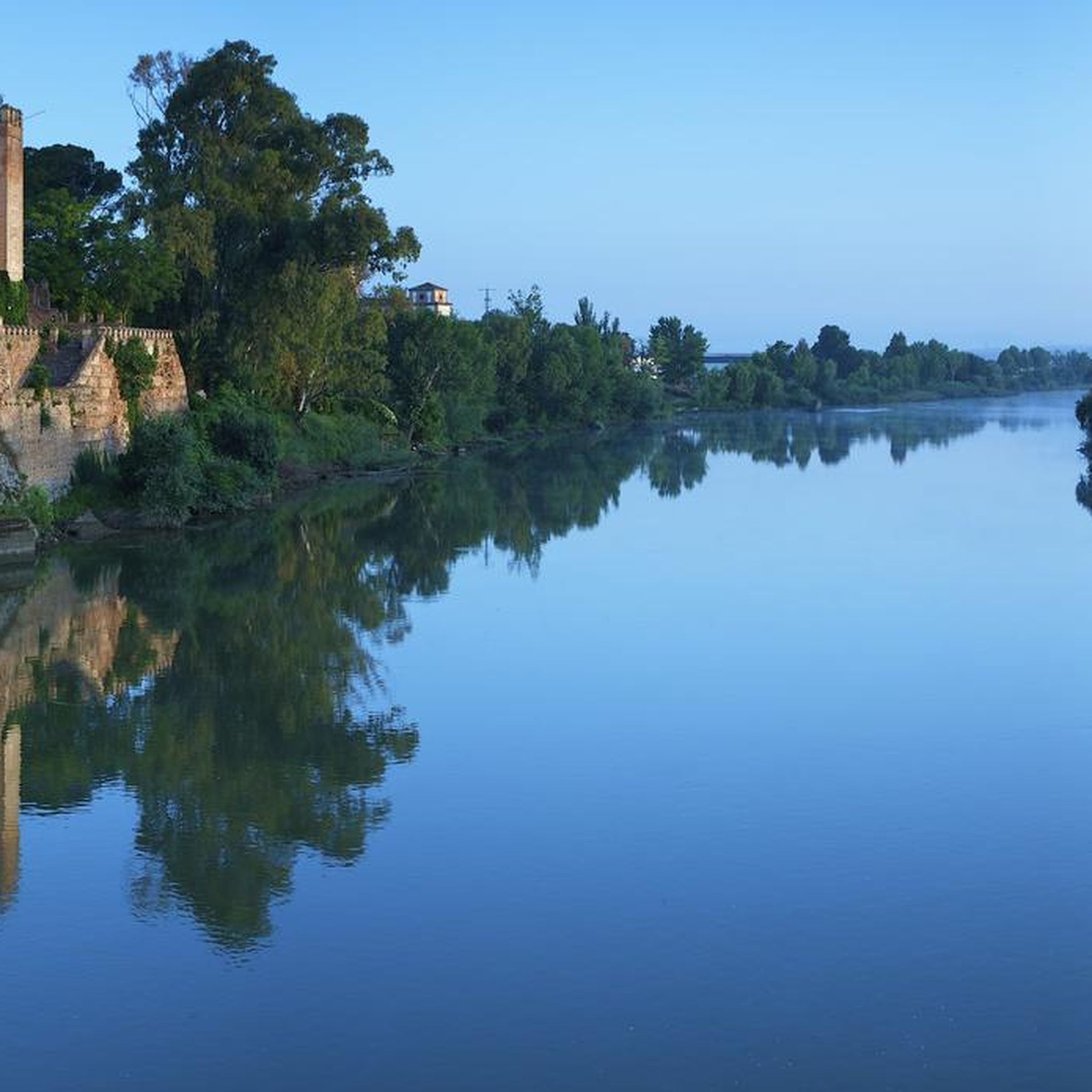
Malpica Castle is the most emblematic construction of the Toledo town of Malpica de Tajo. It is an impressive fortification of Arab origin built in the 14th century. Made of brick and surrounded by several moats and the waters of the Tagus, it stands out for the solidity and strength of its structure.
1
0
No place on the peninsula like Santa María de Melque takes us back to the High Middle Ages. Its architecture not only shows us the last example of the Roman world, but also has elements of oriental buildings from Syria and Jordan. Walking through its floor, chapels and rooms, going through its horseshoe arches and contemplating the remains of the decoration and the founder's sarcophagus constitutes a true journey through time. The Church of Santa María de Melque is built in irregularly cut granite masonry, with angled pieces to solve some adjustments. The walls, made of ashlars of unequal size, but very well worked, are extremely robust, reaching thicknesses of 1.40 meters.
9
0

This castle, privately owned by the Duchy of Arion, is not open to the public and cannot be visited inside, although it is probably worth it since it has the peculiarity of having been continuously inhabited for centuries. The most we can do is surround it or observe it from the opposite bank of the river, which gives it an unusual atmosphere in the medieval architecture of the Iberian Peninsula.
2
0

Built by the Arabs in the 10th century as part of a set of defensive fortifications and later converted into a residential palace, the Malpica castle is one of the few in Spain that is located on the banks of a river, and in this case nothing less than the Tagus. Unfortunately it is private property and you cannot enter it, but it is nonetheless an attractive building that stands out when you cross the bridge to enter the town from where you will have the best views of it.
1
1
This section of path that joins the Cambrón and Enebros viewpoints located at the southern end of the ravine path, offers privileged views of the entire ravine, its curious natural formation and the Castrejón reservoir, a whole dream complex.
1
0
Next to the church of Santa María de Melque is the oldest monastic site in the Iberian Peninsula. Its ruins date from the 7th century and were built on the foundations of an ancient Roman villa. It is a site full of history that deserves to be visited and its access is free of charge.
2
0

The parish church of San Cipriano stands on top of the hill where the town lies, standing out among olive and cereal fields irrigated with the waters of the nearby Tagus riverbed. Cebolla is part of the region of Talavera de la Reina and, among its narrow and twisting streets, you can find a variety of services for the intern.
1
0
Frequently Asked Questions
What historical and cultural sites can I explore in El Carpio de Tajo?
El Carpio de Tajo is rich in history. You can visit the 16th-century Mudejar-style Iglesia Parroquial de San Miguel Arcángel, known for its artesonado ceiling. Other notable religious sites include the historic Ermita de San Pedro and the Ermita de Ronda, situated near the Tagus River. Don't miss the Melque Complex, which features one of Spain's best-preserved Visigothic churches, Santa María de Melque, offering a journey through time from Roman to oriental architectural elements.
Are there any significant archaeological sites in the area?
Yes, El Carpio de Tajo boasts several archaeological sites reflecting its long history. The Valle del Puchío Archaeological Site contains a Visigothic necropolis with over 200 tombs. The El Payón Site reveals remains from Roman and Visigothic settlements, including circular mills and rock tombs. Additionally, prehistoric finds from the Paleolithic and Neolithic eras, such as axes and arrowheads, have been discovered, alongside Iron Age dwellings and a Celtic 'verraco'.
Where can I find natural viewpoints around El Carpio de Tajo?
For breathtaking natural views, head to the Viewpoints of Las Barrancas and Castrejón Reservoir. This area offers privileged views of the entire ravine, its unique natural formations, and the Castrejón reservoir, creating a truly scenic experience.
What kind of outdoor activities can I do near these attractions?
The region around El Carpio de Tajo offers various outdoor activities. You can explore a range of hiking trails, including moderate routes like the 'Embalse del Carpio y la Casa del barquero' loop. For cyclists, there are MTB trails such as the 'Tagus River and Barrancas de Burujón Loop' and road cycling routes like 'La Puebla - Polán - San Martín'.
Are there family-friendly places to visit in El Carpio de Tajo?
Yes, the Melque Complex is considered family-friendly. It's a historical and archaeological site that includes the well-preserved Visigothic church of Santa María de Melque, offering an engaging educational experience for all ages.
What is the best time to visit El Carpio de Tajo for outdoor activities?
While specific seasonal advice for El Carpio de Tajo isn't provided, generally for outdoor activities in this region of Spain, spring (April-May) and autumn (September-October) offer pleasant temperatures for hiking and cycling. Summers can be very hot, so it's advisable to avoid strenuous activities during midday in July and August.
What is the Parish Church of Our Lady of the Assumption known for?
The Parish Church of Our Lady of the Assumption is a 16th-century Renaissance-style church. It stands prominently on a hill amidst cereal fields and olive groves, characteristic of the Toledo plain, and is a significant architectural landmark in the area.
Can I visit Malpica Castle?
The Malpica Castle, an impressive 14th-century fortification of Arab origin, is privately owned by the Duchy of Arion and is not open to the public for interior visits. However, you can admire its unique architecture from the outside, especially from the opposite bank of the Tagus River, which offers excellent views.
Are there any natural parks or significant natural areas nearby?
While El Carpio de Tajo itself is a town, its proximity to the Tagus River provides natural beauty. Further afield, the Alto Tajo Natural Park, located upstream, is a significant natural area known for its extensive canyons, gorges, diverse flora, and wildlife. The River Tajo Nature Trail also offers opportunities to experience the changing landscapes along the river.
What unique cultural events take place in El Carpio de Tajo?
A significant cultural event in El Carpio de Tajo is the annual Carreras de Caballos Enjaezados (Harnessed Horse Races). These races, held during the Fiestas Patronales de Santiago Apóstol in the last week of July, have been recorded for over 400 years and showcase riders demonstrating equestrian skills with a medieval essence.
What do visitors enjoy most about the attractions around El Carpio de Tajo?
Visitors particularly appreciate the rich historical significance and the diverse landscapes. The Viewpoints of Las Barrancas and Castrejón Reservoir are highly praised for their 'dream complex' of natural scenery. The Melque Complex is valued for its unique historical journey through Visigothic architecture and ancient ruins.

Get inspired with the komoot mobile app


Explore more
Still not found the Highlight you’re looking for? See guides of the top attractions in other regions:
