The best running trails around Parque Nacional da Peneda-Gerês
4.7
(10)
601
runners
33
runs
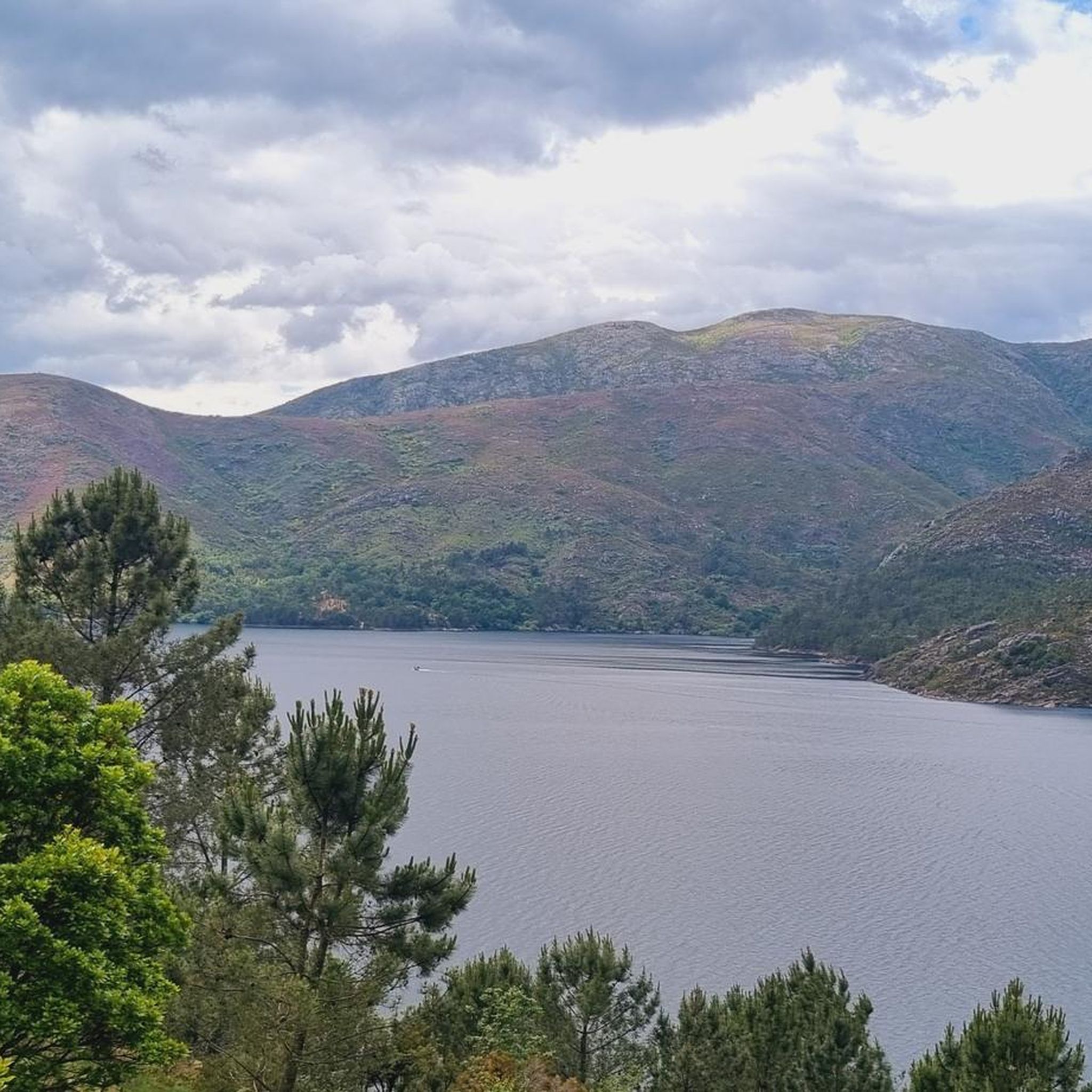
Jogging around Parque Nacional da Peneda-Gerês offers diverse natural landscapes, including towering mountains, ancient forests, and crystal-clear rivers. The region features dramatic scenery with granite rock formations and traces of ancient glaciations. Varied terrain ranges from accessible paths to challenging, rugged routes, making it suitable for different fitness levels.
Best jogging routes around Parque Nacional da Peneda-Gerês
- The most popular jogging route is Peneda-Gerês Great Route: Pitões das Júnias, a 19.9 miles (32.0 km) trail that takes about 4 hours 22 minutes to complete, offering rugged terrain and expansive views.
- Another top favourite among local runners is Trilho da Calcedónia (PR 1) — Peneda-Gerês National Park, a difficult 4.2 miles (6.7 km) path through varied landscapes.
- Local runners also love the Circular Ruta to Minas dos Carris — Peneda-Gerês National Park, a 13.2 miles (21.2 km) trail leading through mountainous terrain with historical mining remnants, often completed in about 3 hours 52 minutes.
- Jogging around Parque Nacional da Peneda-Gerês is defined by towering mountains, ancient forests, and crystal-clear rivers. The network offers routes for various fitness levels, from accessible paths to challenging, rugged trails.
- The routes in Parque Nacional da Peneda-Gerês are highly rated by the komoot community with an average score of 4.6 stars from over 5 reviews. More than 600 runners have used komoot to explore Parque Nacional da Peneda-Gerês's varied terrain.
Last updated: October 10, 2026
5.0
(1)
80
runners
32.0km
04:22
1,150m
990m
Jogging the difficult 19.9-mile TransPeneda-Gerês route in Peneda-Gerês National Park offers rugged terrain and stunning vistas.
17
runners
6.70km
01:03
390m
390m
Hard run. Very good fitness required. Mostly paved surfaces. Suitable for all skill levels.

3
runners
21.2km
03:52
950m
950m
Hard run. Very good fitness required. Sure-footedness, sturdy shoes and alpine experience required.
79.5km
11:18
3,050m
3,050m
Jogging the GR 1 Peneda and Soajo Mountains Crossing is a difficult 49.4-mile route through Portugal's Peneda-Gerês National Park.
112
runners
39.5km
04:56
1,340m
1,340m
Hard run. Very good fitness required. Sure-footedness, sturdy shoes and alpine experience required.
Get access to more routes and recommendations from other explorers.
Already have an account?
Our route recommendations are based on thousands of hikes, rides, and runs completed by other people on komoot.
Start today with a free account
Your next adventure awaits.
Popular around Parque Nacional da Peneda-Gerês
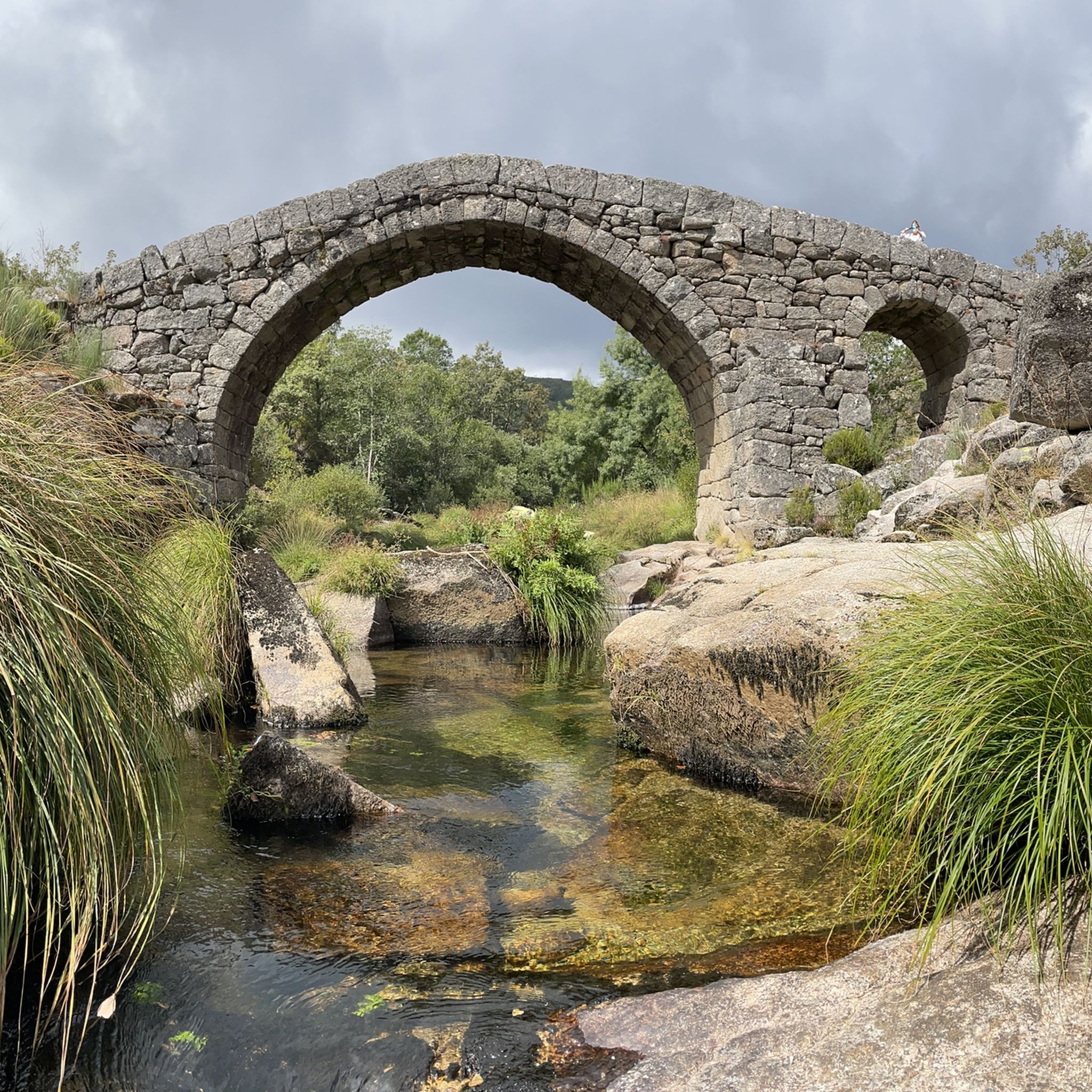
With TOUR in Northern Portugal
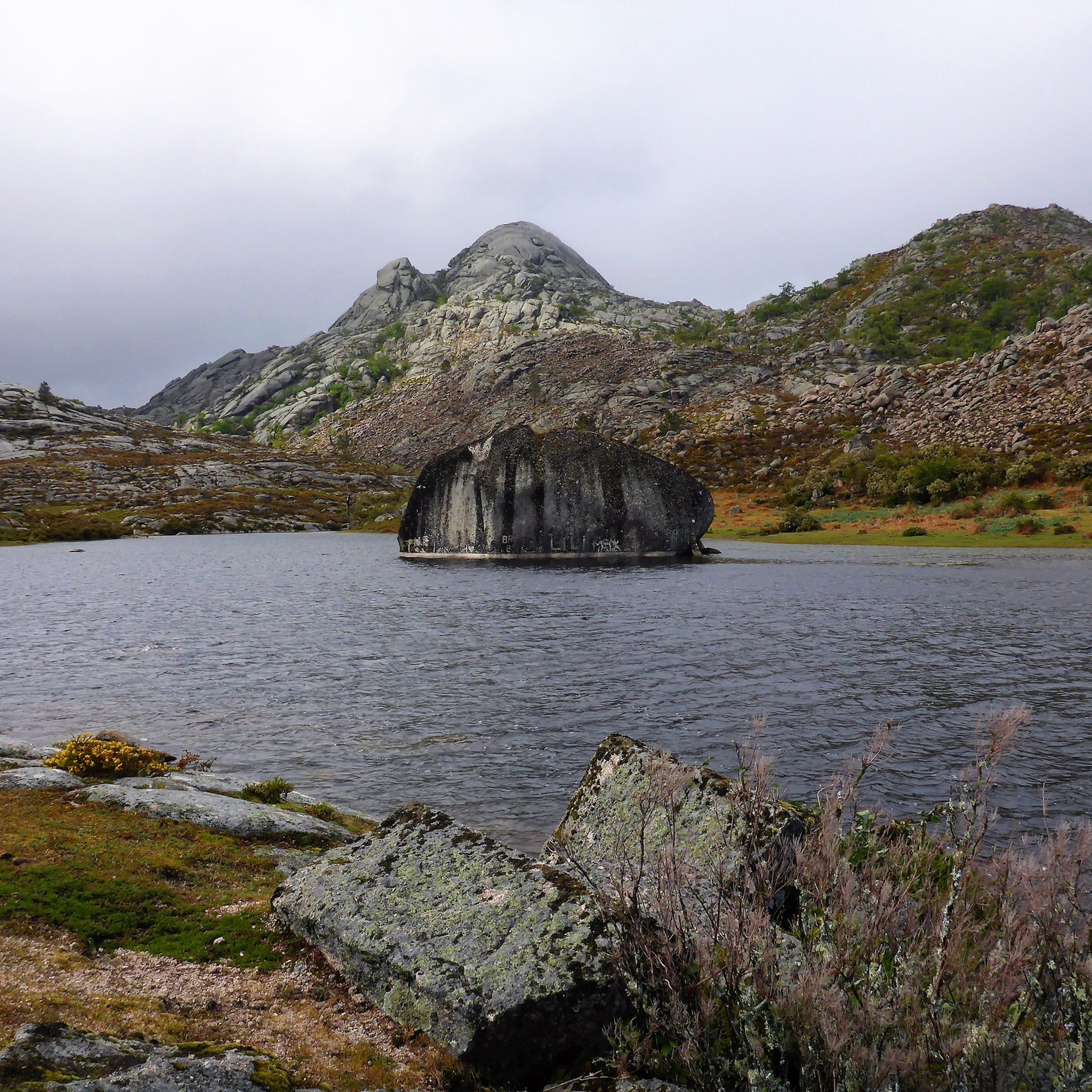
Hiking around Parque Nacional da Peneda-Gerês
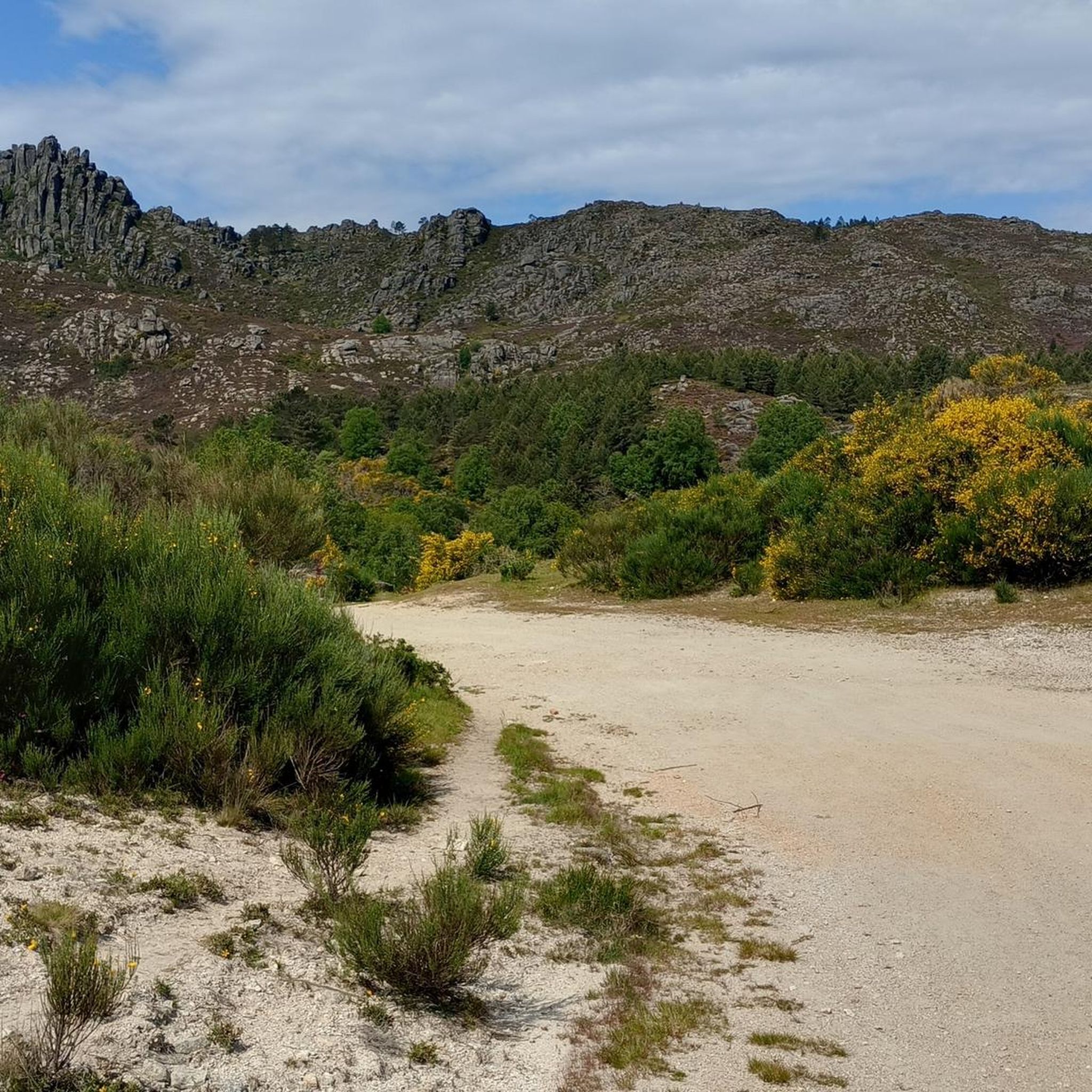
MTB Trails around Parque Nacional da Peneda-Gerês
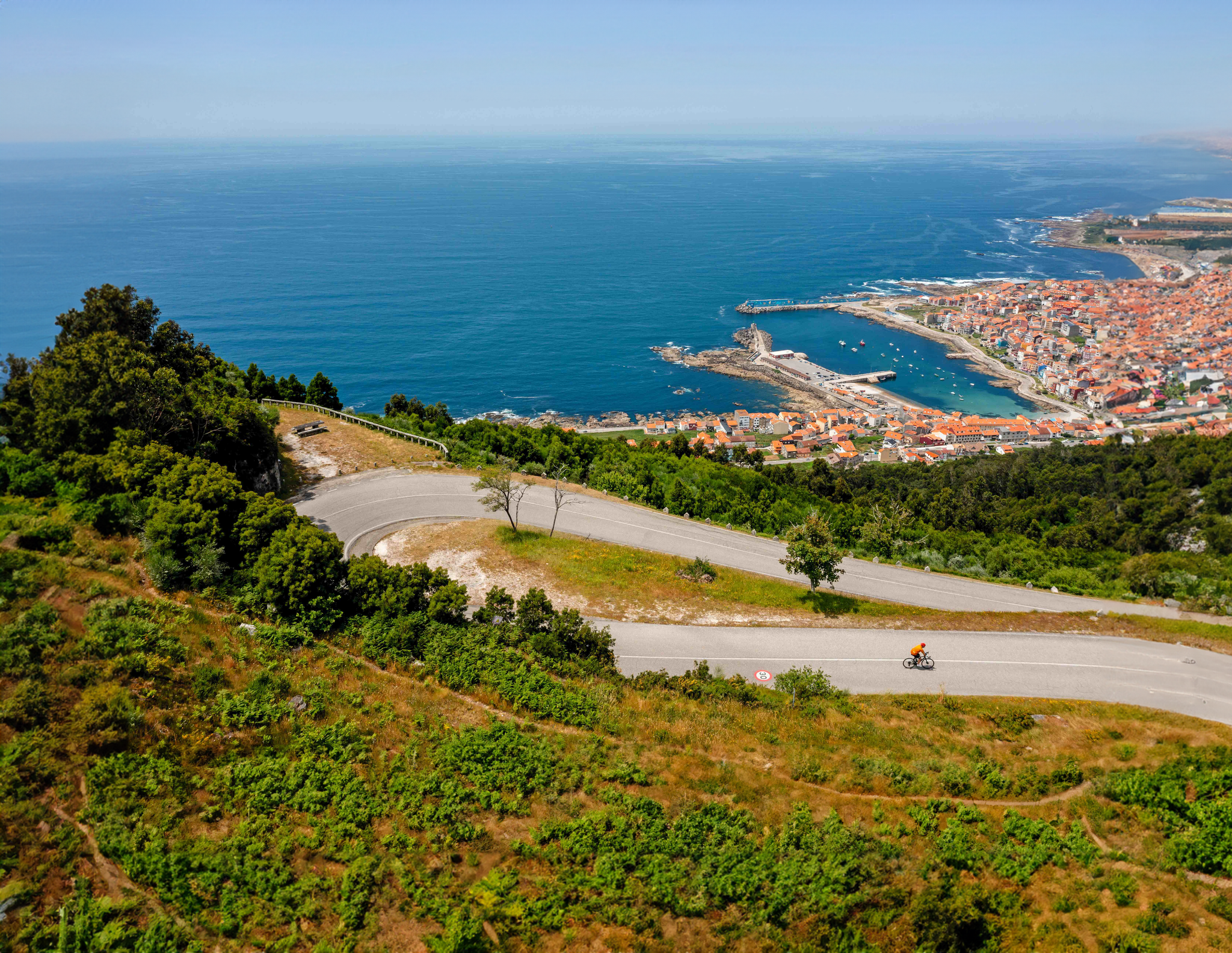
Road Cycling Routes around Parque Nacional da Peneda-Gerês
Cycling around Parque Nacional da Peneda-Gerês

Gravel biking around Parque Nacional da Peneda-Gerês
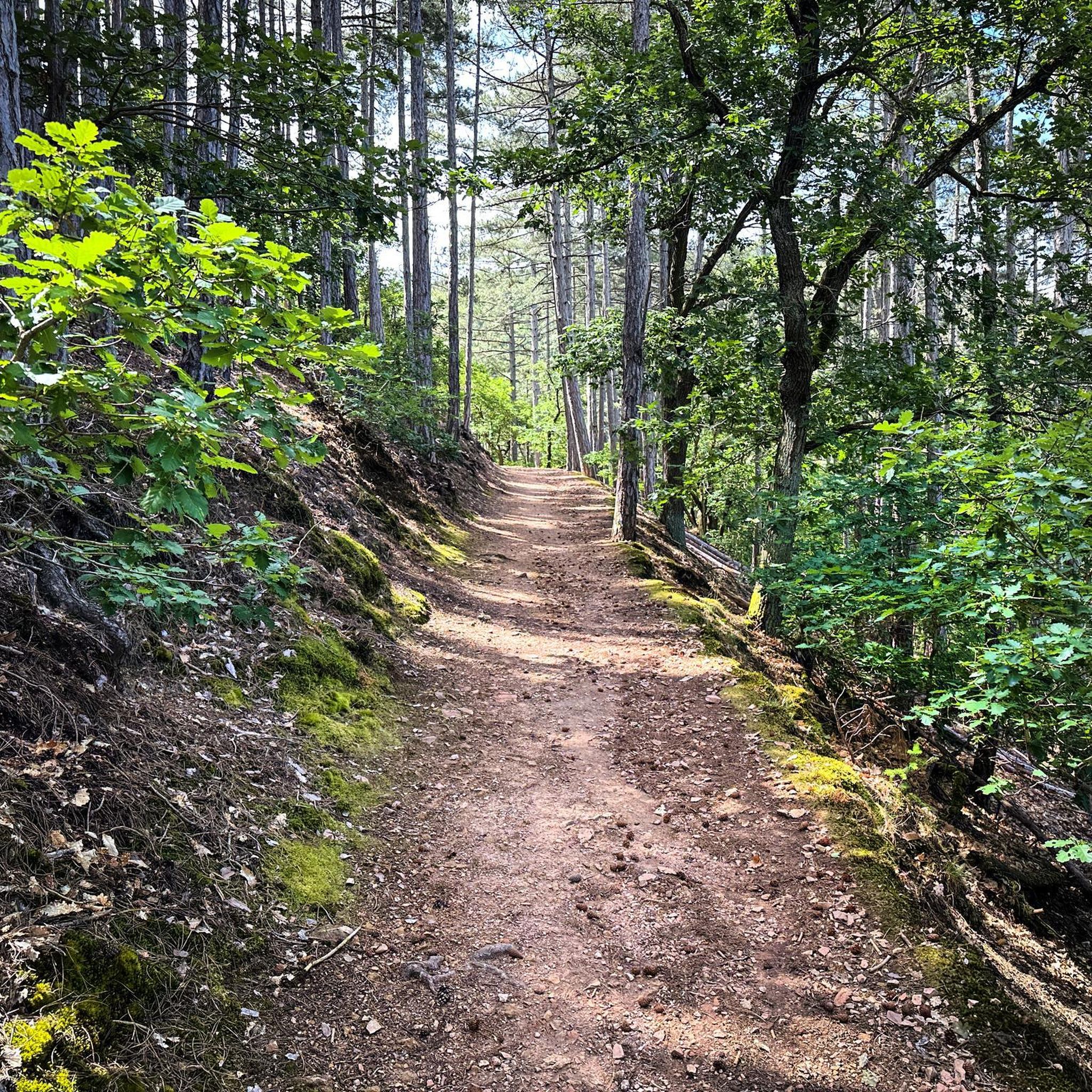
Mountain Hikes around Parque Nacional da Peneda-Gerês
Other adventures around Parque Nacional da Peneda-Gerês

Tips from the Community

Leonte waterfall is now dry (August). Still a beautiful path to walk.
0
0


The Chalcedony Trail (PR1 TBR – Trilho da Cidade da Calcedonia) is one of the most iconic routes in Peneda-Gerês National Park, located in Covide (Braga), within the municipality of Terras de Bouro. It leads to the ruins of the City of Chalcedony, an ancient pre-Roman hill fort high in the mountains. It offers panoramic views over the Homem River valley and the Gerês mountains. The trail passes through native forests, rocky areas, and natural viewpoints.
2
0
A spectacular rocky section where granite boulders rise like "sleeping giants" all around you. The trail ascends towards the peak of Curvaceira, at 919m, and offers panoramic views of the deep Covide Valley.
2
0
Sanctuary of Our Lady of Peneda, located in northern Portugal: It is located in the parish of Gavieira, municipality of Arcos de Valdevez, within the Peneda-Gerês National Park, about 150 km from Porto. [pt.wikipedia.org], [danielasan...araujo.com] It is built over a cave beneath a granite massif known as Penedo da Meadinha, in a spectacular location bordering a deep valley.
3
0
Locally known as socalcos, these are platforms built on granite walls to utilize steep slopes and transform them into farmland. This ancient method allowed for the production of grain and pasture in an extremely mountainous environment. The Sistelo cultural landscape, comprised of these terraces, is recognized as a National Monument.
4
0
The Monastery of Santa Maria das Júnias is a ruined monastery, of which the church remains, located on the outskirts of Pitões das Júnias. The last Cistercian monk became the parish priest of the village of Pitões das Júnias in 1834, the date of the abolition of religious orders in Portugal. As a historical curiosity, it is worth noting that Dom Pedro de Pitões, one of the main drivers of the conquest of Lisbon from the Moors in 1147, was ordained bishop of Porto at this monastery.
0
0
The sanctuary was built between the end of the 18th century and the third quarter of the 19th century. The church was completed in 1875.
1
0
Frequently Asked Questions
How many running routes are available in Parque Nacional da Peneda-Gerês?
There are over 30 dedicated running routes mapped on komoot within Parque Nacional da Peneda-Gerês. These routes offer a wide range of experiences, from easier paths to very challenging trails, catering to various fitness levels.
Are there any easy or moderate jogging routes in Peneda-Gerês National Park?
While many routes in Peneda-Gerês are challenging, there is at least one easy route and six moderate routes available. The park's diverse terrain means you can find paths suitable for a relaxed jog or a more strenuous workout. For example, some sections of the ancient Roman Road (Geira) offer a relatively flat and well-preserved surface.
What kind of natural features can I expect to see while running in Peneda-Gerês?
Jogging in Parque Nacional da Peneda-Gerês offers breathtaking natural scenery. You'll encounter towering mountains like Serra da Peneda and Serra do Gerês, ancient forests such as Mata da Albergaria, and crystal-clear rivers feeding numerous waterfalls and natural pools. Look out for granite rock formations, lush vegetation, and potentially wildlife like garrano ponies and roe deer. You might even discover stunning spots like the Fecha de Barjas Waterfall (Tahiti) or the Pincães Waterfall.
Are there any circular running routes in Parque Nacional da Peneda-Gerês?
Yes, there are several circular running routes available. A notable option is the Circular Ruta to Minas dos Carris, a challenging 21.2 km trail that takes you through mountainous terrain with historical mining remnants. These circular routes are great for experiencing diverse landscapes without needing to retrace your steps.
What are some of the more challenging running trails in the park?
For experienced runners seeking a challenge, Parque Nacional da Peneda-Gerês offers several demanding routes. The Peneda-Gerês Great Route: Pitões das Júnias is a rugged 32 km trail with significant elevation gain. Another difficult option is the Trilho da Calcedónia (PR 1), a 6.7 km path through varied landscapes. For an epic adventure, consider the GR 1 Peneda and Soajo Mountains Crossing, which spans nearly 80 km.
Can I find trails with historical significance for jogging?
Absolutely. The ancient Roman Road (Geira) provides a unique opportunity to jog along a nearly 2000-year-old path, admiring historical milestones along the way. This well-preserved route offers a blend of natural beauty and cultural heritage. A specific route that incorporates this is the Campo do Gerês Roman Road – Campo do Gerês village loop from Gerês.
What do other runners say about the jogging routes in Peneda-Gerês?
The running routes in Parque Nacional da Peneda-Gerês are highly regarded by the komoot community, with an average score of 4.6 stars from over 8 reviews. Runners often praise the stunning natural landscapes, the variety of terrain, and the immersive experience of exploring Portugal's only national park.
Are there any good spots for wild swimming after a run in Peneda-Gerês?
Yes, the park is known for its crystal-clear rivers and natural pools, perfect for a refreshing dip. The Seven Lagoons trail is particularly popular for its stunning natural pools. You can also find a designated swimming spot in Peneda-Gerês National Park, or explore areas near the Fecha de Barjas Waterfall (Tahiti) and Blue Pool.
What is the best time of year to go running in Parque Nacional da Peneda-Gerês?
The park's exuberant vegetation, showcasing every shade of green, makes it beautiful year-round. However, spring and autumn generally offer the most pleasant temperatures for running, avoiding the peak heat of summer and the colder, potentially wetter conditions of winter. Always check local weather forecasts before heading out.
Is it possible to reach trailheads using public transport in Peneda-Gerês?
While public transport options within the vast national park can be limited, some villages and entry points may be accessible by bus. For detailed information on reaching specific trailheads, it's advisable to consult local transport schedules or consider services that connect to major towns surrounding the park. For general travel information about the region, you might find resources on Visit Portugal or Visit Porto and North.
Are there any specific landmarks or viewpoints to look out for on the running trails?
Many trails offer stunning viewpoints and lead past significant landmarks. Beyond the natural beauty of mountains and waterfalls, you might encounter ancient structures, traditional villages, and geological formations like the Fenda da Calcedónia gorge. The park's rich cultural heritage is often interwoven with its natural paths.
Most popular routes around Parque Nacional da Peneda-Gerês
Most popular attractions around Parque Nacional da Peneda-Gerês

Get inspired with the komoot mobile app


Explore more
Browse the best Running Trails & Routes in other regions.
