The best road cycling routes around Bucegi
4.7
(3)
217
riders
4
rides
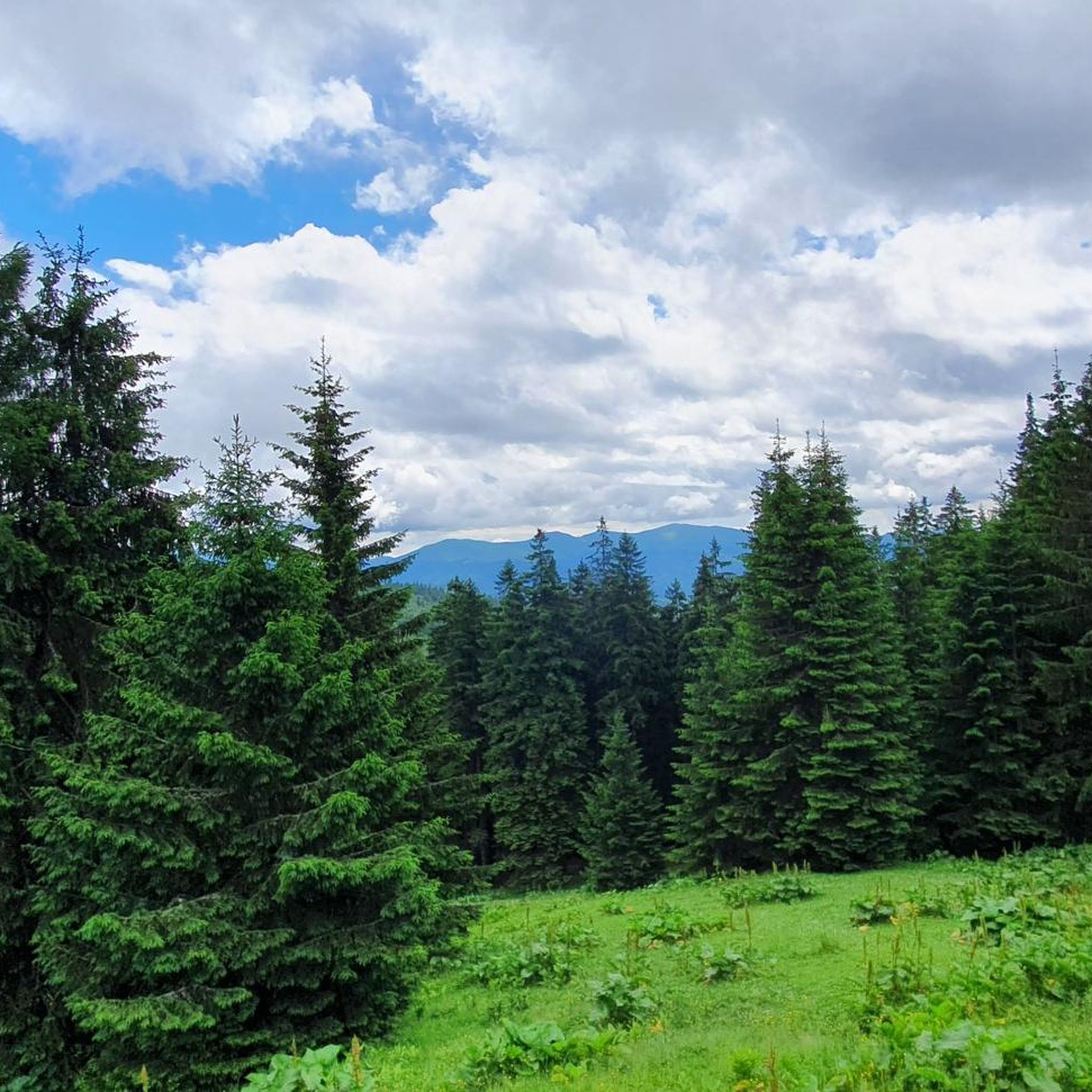
Road cycling around Bucegi offers routes through the Southern Carpathians, characterized by an elevated plateau, dramatic canyons, and steep valleys. The region features the Transbucegi road (DJ713), which ascends to nearly 2,000 meters, providing challenging climbs and diverse landscapes. Cyclists encounter rolling hills, hairpin turns, and varied terrain from shaded forests to open, high-altitude areas. This area is part of the Bucegi Natural Park, known for its unique geological formations.
Best road cycling routes in Bucegi
- The most popular road…
Last updated: August 25, 2026
5.0
(1)
67
riders
38.9km
02:23
1,080m
1,080m
Hard road ride. Very good fitness required. Mostly well-paved surfaces and easy to ride.
52
riders
75.2km
04:32
1,890m
1,890m
Hard road ride. Very good fitness required. Some segments of this route may be unpaved and difficult to ride.

Sign up for free
5.0
(1)
57
riders
56.4km
03:20
1,430m
1,430m
Hard road ride. Very good fitness required. Mostly well-paved surfaces and easy to ride.
11
riders
55.1km
02:21
410m
410m
Moderate road ride. Good fitness required. Some segments of this route may be unpaved and difficult to ride.
20
riders
Moderate road ride. Good fitness required. Mostly well-paved surfaces and easy to ride.
Our route recommendations are based on thousands of hikes, rides, and runs completed by other people on komoot.
Start today with a free account
Your next adventure awaits.
Login or Signup
Tips from the Community

CAUTION: the castle has absolutely nothing to do with the historical figure Vlad Dracula!!! ;-)) Bran Castle (Romanian: Cetatea Bran, often referred to in English as "Dracula’s Castle") is one of Romania's most famous and visited structures. Nestled within the dramatic rocks of the Southern Carpathians, just 30 kilometers from Brașov, the medieval fortress stands atop a 60-meter-high limestone cliff and is considered a symbol of mysticism, history, and Romanian folklore. Although often associated with the legend of Count Dracula, Bran Castle is, above all, a testament to Transylvanian history, architecture, and culture.
0
0

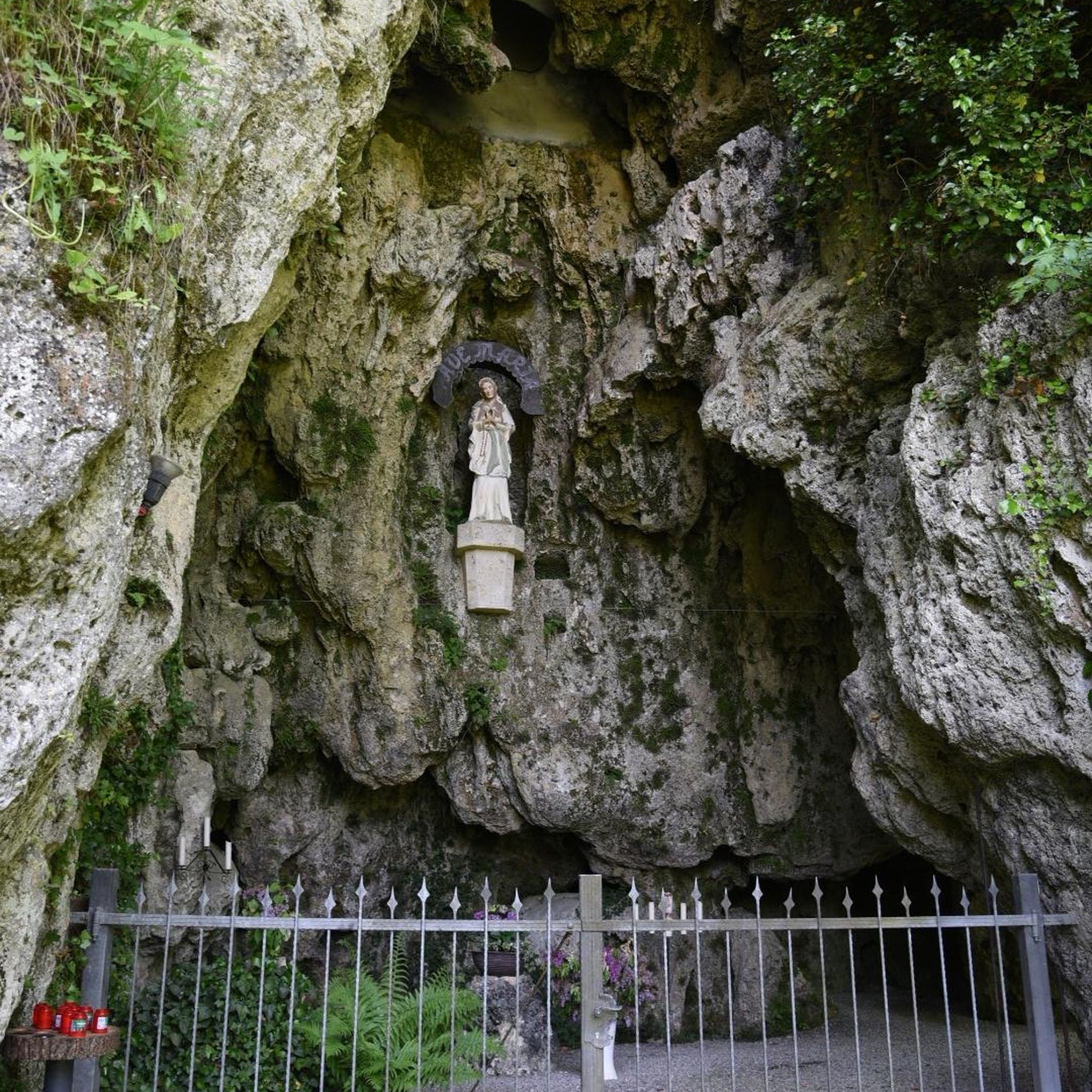
The Queen's Chapel is a replica of the Stella Maris Chapel in Balchik, built in 1940 in Bran by Princess Ileana of Romania to house the vessel containing the heart of her mother, Queen Maria of Romania. Balchik had recently been ceded by Romania to Bulgaria. Marie Alexandra Victoria of Saxe-Coburg and Gotha was a Princess of Great Britain and Ireland and the granddaughter of Queen Victoria of Great Britain. Born in 1875, she spent her youth in England. In 1893, she married Ferdinand, Crown Prince of Romania, who became King in 1914.
12
1
Bran Castle's current appearance, with its dramatic location and ominous atmosphere, has been created through numerous additions and modifications to the medieval fortifications. It provides the perfect backdrop for tourists who want to imagine Dracula's castle here.
15
0

Queen Maria Alexandra Victoria of Romania was born on October 29, 1875 in Eastwell Park, the granddaughter of Queen Victoria of Great Britain and Tsar Alexander II of Russia. In 1893, Princess Maria married the heir to the Crown of Romania, Prince Ferdinand, and moved with him to the country. The personal charm and the desire to represent her country with pride made the Queen very popular with the people. In her will, the Queen asked for her body to be buried in Curtea de Arges, and her heart to be deposited in the "Stella Maris" chapel in Balchik. However, the Queen's wish was fulfilled only two years later, after the Quadrilateral was ceded to Bulgaria. As a result, the Queen's heart was brought to Bran. In this context, Princess Ileana ordered the construction of the "Queen Mary's Heart" chapel, the construction of which took a year. By the end of the chapel, which was to be similar to the one in Balchik, the Queen's heart was deposited in a rock near Bran Castle. After the establishment of the communist regime, the beautiful chapel in stone was devastated and left in ruins. In 1995, the chapel underwent restoration works, the purpose of which was to bring the heart of Queen Mary back to Bran. Currently, the chapel can be admired, but the interior cannot be visited. Excerpts from the Romanian; https://ghidlocal.com
1
0
If you only want to take a photo of the beautiful castle and don't want to deal with the hustle and bustle at the foot of the castle hill, there is a great vantage point
1
0

Excellent point to take pictures Bran Castle. Preferably in the afternoon when the light falls directly on the Castle
0
0


Small detour from the marked hiking trail, which is rewarded with a great view
0
0
Frequently Asked Questions
What kind of terrain can I expect on road cycling routes in Bucegi?
Road cycling in the Bucegi Mountains primarily features the scenic Transbucegi road (DJ713), which ascends to nearly 2,000 meters. You can expect continuous climbs, rolling hills, and hairpin turns. The terrain varies from shaded forests to open, high-altitude areas, with most roads being paved, though some segments might be unpaved or narrow.
How many road cycling routes are available in the Bucegi region?
There are over 10 road cycling routes around Bucegi listed on komoot, offering a range of experiences for cyclists. These routes are highly rated by the komoot community, with an average score of 4.7 stars.
Are there challenging road cycling routes in Bucegi?
Yes, the Bucegi Mountains are known for their challenging road cycling routes, with 6 out of 10 routes categorized as difficult. Routes often involve significant elevation gains, with some reaching over 1,200 meters uphill. For example, the Bolboci Lake loop from Pensiunea Valea Șipotului is a difficult 35.6-mile path with over 1,500 meters of elevation gain.
What are some notable landmarks or natural features to see along the road cycling routes?
The Bucegi Mountains are rich in natural beauty and unique geological formations. Along your rides, you might encounter the iconic Bucegi Sphinx and Babele rock formations. The region also features stunning natural monuments like Mount Omu, the highest peak, and the serene Scropoasa Lake. You can also find the beautiful Seven Waterfalls (Șapte Cascade) within Bucegi Natural Park.
Are there any loop routes for road cycling in Bucegi?
Yes, several popular road cycling routes in Bucegi are loops. A favorite is the Lăptici loop from Sinaia, a 24.2-mile trail offering panoramic views. Other notable loops include the Bolboci Lake loop from Popas Valea Mușchiului and the Bolboci Lake loop from Sinaia, both providing diverse scenery around Bolboci Lake.
What is the best time of year for road cycling in Bucegi?
The best time for road cycling in Bucegi is generally during the warmer months, from late spring to early autumn. This period offers more stable weather conditions and ensures that the high-altitude Transbucegi road is clear of snow. Cycling on weekdays is recommended to avoid crowds, especially on the popular Transbucegi road.
What do other road cyclists enjoy most about cycling in Bucegi?
The area is highly rated by the komoot community, with an average score of 4.7 stars from 3 reviews. Cyclists often praise the breathtaking views of the surrounding mountains, the unique geological formations, and the rewarding challenge of continuous climbs on routes like the Transbucegi road.
Are there any easier road cycling routes for beginners in Bucegi?
While many routes in Bucegi are challenging, there is at least one route categorized as easy. However, the region is primarily known for its strenuous climbs and high-altitude experiences, making it more suitable for experienced cyclists seeking a demanding ride.
Is public transport available to access road cycling routes in Bucegi?
The region has towns like Sinaia, which can be reached by public transport. From these towns, you can often access the start points of various road cycling routes, including those leading up to the Bucegi Plateau. Specific public transport options directly to trailheads might be limited, so planning your journey in advance is advisable.
Where can I find parking for road cycling routes in Bucegi?
Many road cycling routes in Bucegi start from towns or popular access points where parking facilities are available. For example, routes originating from Sinaia, such as the Sinaia Monastery – Base of Paltinu Dam loop from Sinaia, typically have parking options nearby. It's recommended to check specific starting points for detailed parking information.
Are there any uncrowded road cycling trails in Bucegi?
The Transbucegi road can be crowded with cars, especially on weekends. To enjoy a more serene experience and potentially find less crowded sections, it is recommended to cycle on weekdays. Exploring some of the less-trafficked side roads or starting early in the morning can also help avoid peak congestion.
Most popular attractions around Bucegi

Get inspired with the komoot mobile app


