The best cycling routes around Benferri
4.3
(124)
905
riders
111
rides
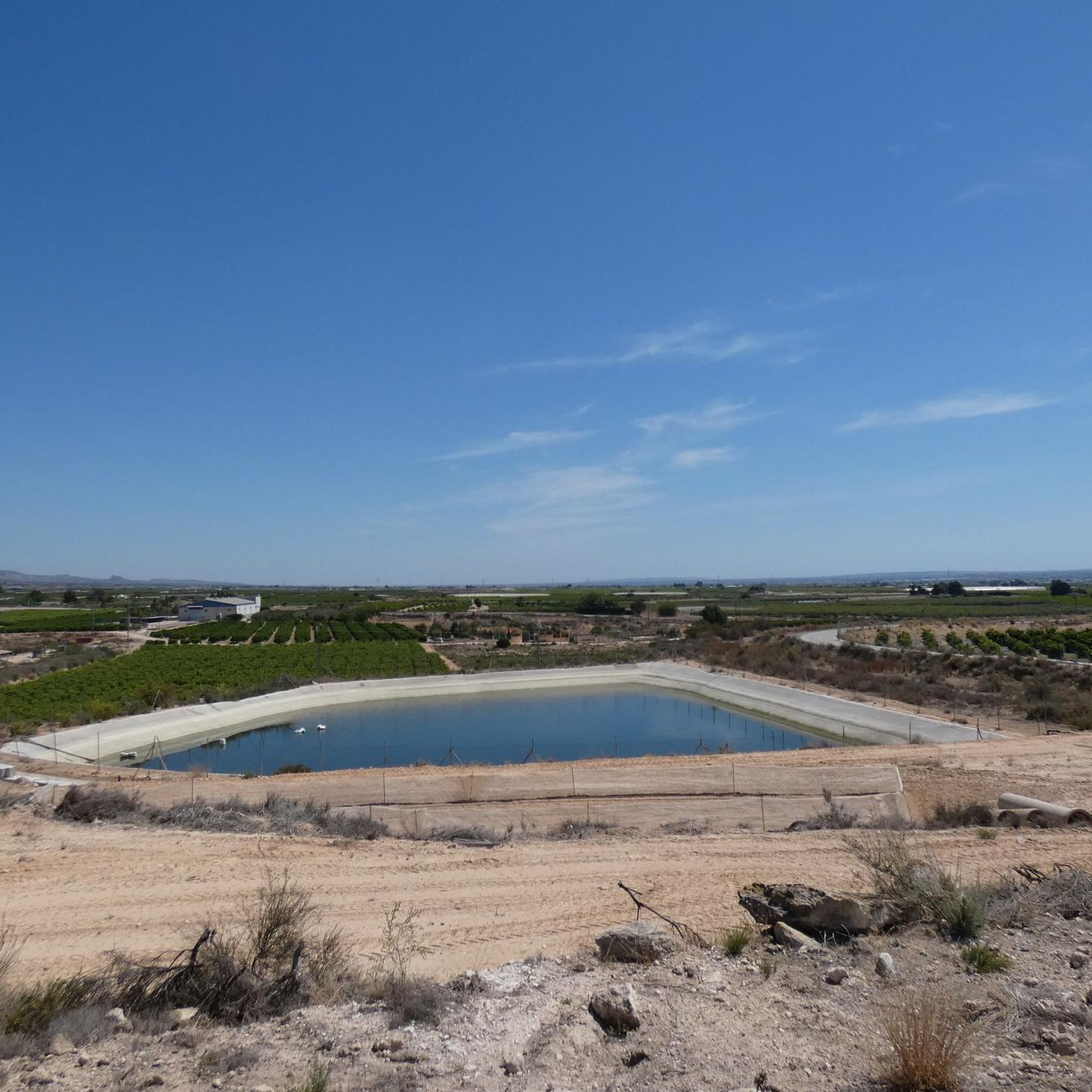
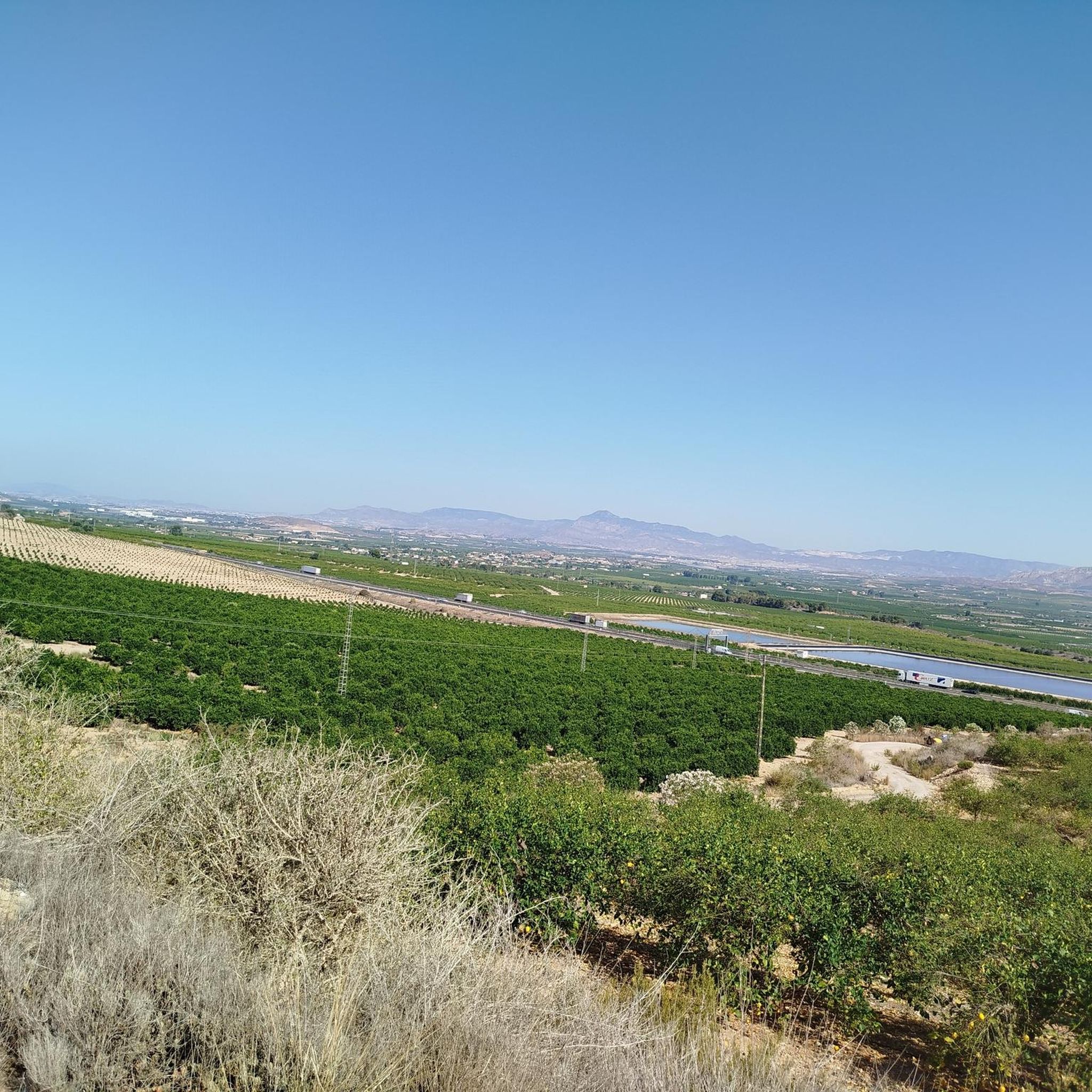
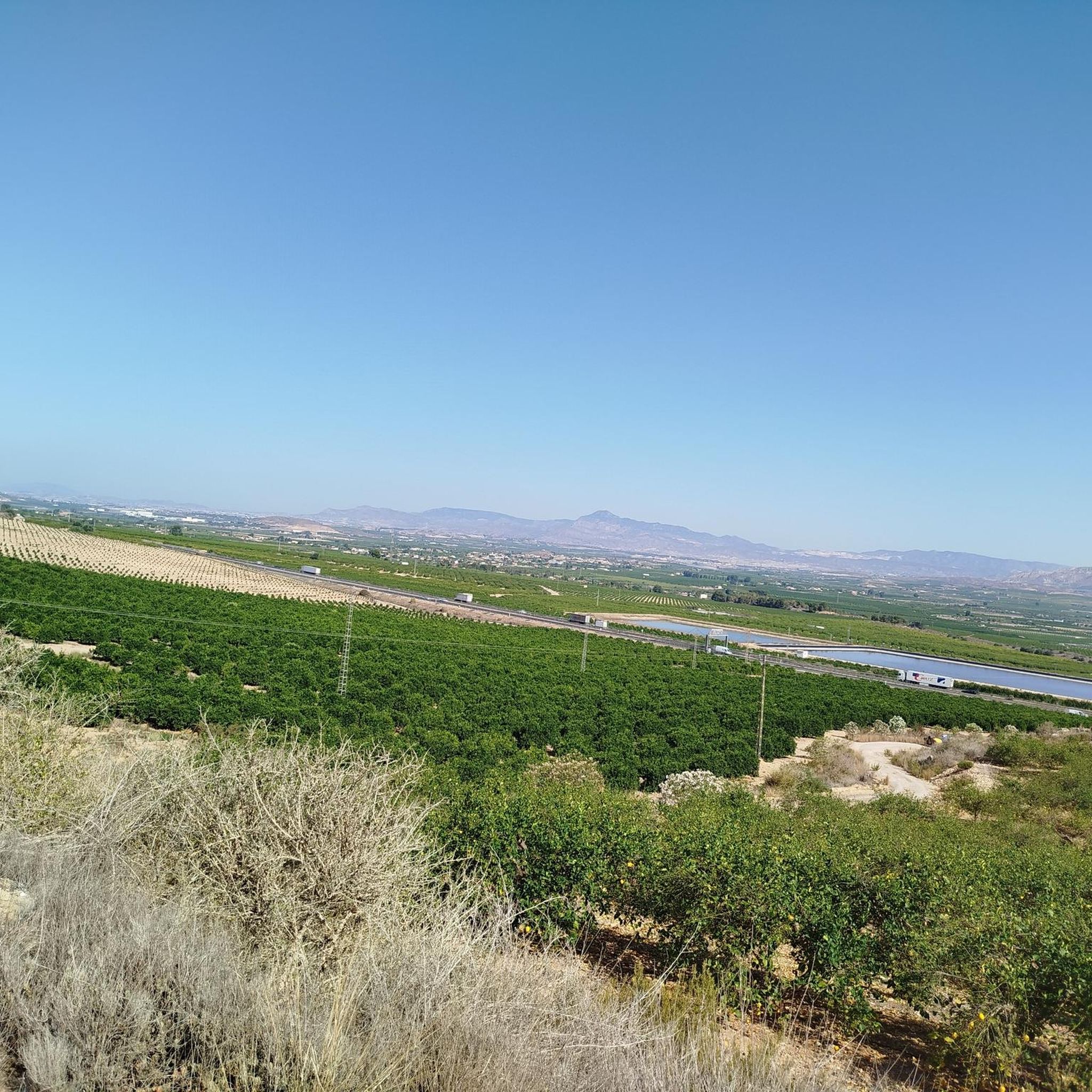
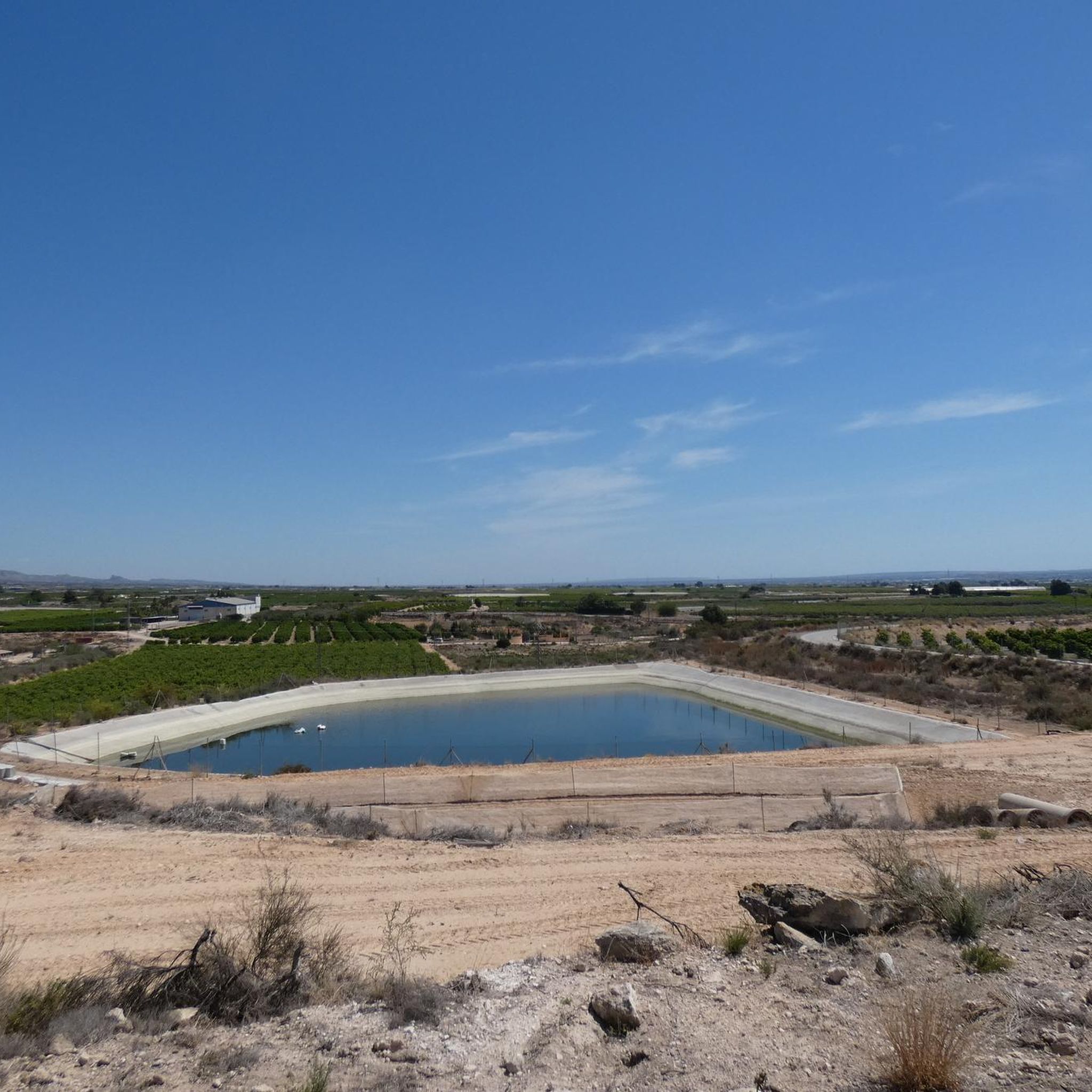
Touring cycling routes around Benferri are characterized by the flat terrain of the agricultural Vega Baja region, abundant with orange and lemon groves. The area features historical irrigation systems, including old dams and water wheels, alongside rural paths that follow natural features like the Rambla de Abanilla. A wooded hill, Paraje del Cabezo, offers gentle climbs and varied terrain for those seeking a change from the agricultural paths. This region provides a serene environment for cycling, with a sunny micro-climate suitable for outdoor activities for much of the year.
Best touring cycling routes around Benferri
- The most popular touring cycling route is Fortuna and Embalse de Santomera Loop, a 24.8 miles (39.9 km) trail that takes 2 hours 37 minutes to complete, offering varied terrain and views of the Embalse de Santomera.
- Another top favourite among local touring cyclists is Tajo-Segura Canal – Algueda Canal Path loop from Abanilla, a moderate 29.2 miles (47.0 km) path. This route follows historical irrigation canals through the agricultural landscape.
- Local touring cyclists also love the Orihuela – Ociopía Park loop from La Matanza, a 15.3 miles (24.7 km) trail leading through agricultural fields and local amenities, often completed in about 1 hour 27 minutes.
- Touring cycling around Benferri is defined by extensive orange and lemon groves, historical irrigation systems, and quiet rural paths. The network offers options for easy, moderate, and difficult routes, catering to various ability levels.
- The routes in Benferri are highly rated by the komoot community with an average score of 4.3 stars from over 120 reviews. More than 900 touring cyclists have used komoot to explore Benferri's varied terrain.
Last updated: April 28, 2026
3.7
(3)
8
riders
39.9km
02:38
370m
370m
Hard bike ride. Good fitness required. You may need to push your bike for some segments of this route.
5
riders
37.3km
02:30
200m
200m
Moderate bike ride. Good fitness required. Mostly paved surfaces. Suitable for all skill levels.

Sign up for free
2.7
(3)
19
riders
24.7km
01:28
100m
100m
Easy bike ride. Great for any fitness level. Mostly paved surfaces. Suitable for all skill levels.
5.0
(2)
8
riders
37.5km
02:25
310m
310m
Moderate bike ride. Good fitness required. Mostly paved surfaces. Suitable for all skill levels.
7
riders
33.9km
02:05
170m
170m
Moderate bike ride. Good fitness required. Mostly paved surfaces. Suitable for all skill levels.
Get access to more routes and recommendations from other explorers.
Sign up for free
Already have an account?
Our route recommendations are based on thousands of hikes, rides, and runs completed by other people on komoot.
Start today with a free account
Your next adventure awaits.
Login or Signup

Tips from the Community

In the village of Abanilla, you can see the beautiful staircase with 200 steps leading up to the Christ statue. It's a tough climb, but worth it. There are stunning views over the Abanilla region near Murcia.
4
0

The location of the Roman Baths of Fortuna was first pinpointed in 1984, thanks to the work of Gonzalo Matilla to provide archaeological context for the Black Cave of Fortuna. Although modern baths already existed at the same site and were in use until the first third of the 19th century, the area was known as "Los Baños Moros" (The Moorish Baths) from the late 19th century onward.
15
0
The Abanilla Desert, also known as the Mahoya Desert, is one of the most unique and fascinating places in the Murcia region, just an hour's drive from the beaches of the Costa Cálida and Costa Blanca South. This surreal landscape, often compared to the surface of the moon, offers a perfect combination of natural beauty and tranquility. Whether you're a nature lover, an adventurer, or simply looking for a place to relax,
17
0
On the road to Baños de Fortuna, you'll find a desert that was the seabed millions of years ago, now shaped by erosion. The Ramblas de la Parra, del Font, Balonga, Zurca, and the Chícamo Basin form one of Murcia's most otherworldly landscapes. Here you can see the remnants of ancient seas, such as the coral reefs formed by the Chícamo River and the El Cajer Ravine, which are now a feast for the eyes and the camera.
5
0

Former episcopal city - typical Spanish city - lively Orihuela is located on the left bank of the Río Segura (60 km south of Alicante) and surrounded by a green valley with palm trees and citrus groves. It is a former episcopal city at the foot of a mountain with ruins of a fortress and buildings of the seminary. From the seminary you have a beautiful view. The historic center bears witness to a rich past, with Gothic and Baroque heritage, religious buildings and museums. In this typical Spanish city it is lively and cozy in both the old and the new city, with numerous restaurants, bars and terraces. The brightly colored houses on the river Segura in the center, may remind you of Gerona. In addition to the palm gardens of Elche, the palm forest (Palmeral) of Orihuela is also worth a visit. The forest, the second largest in Europe, is located on the edge of the historic centre History The city was called 'Aurariola' under Roman rule and 'Orguëla' under the Moors. In the 9th century, Orihuela was the capital of the Duchy of Teodomiro. After that, it was under the rule of the Umayyad Caliphate. In 1242, after the liberation from the Moors, the city was incorporated into the Kingdom of Valencia. It flourished during the period when it was a bishopric in 1564. After the war of succession, the city was destroyed by the troops of Philip V because Orihuela had sided with Austria. In 1910, the writer/poet Miguel Hernández was born in the city and his house can now be visited as a museum Nature - Active The city is surrounded by palm trees and orange and lemon groves. On the edge of the historic centre is the Palm Grove (Palmeral) and offers the perfect location for nature watching, picnicking or a pleasant walk. The Natural Park, "Pinar de Bonanza", is just outside the town (4.5 km north-west). This nature reserve has an interesting variety of fauna and flora, and is a popular place for cycling, walking and picnicking. The River Segura runs through the heart of Orihuela and is ideal for a relaxing walk. To the south, near the village of Torremendo, is the beautiful Pedrera reservoir, with its bright blue colours. There are beautiful views of the lake from various viewpoints. You can cycle and walk around the lake. You can go canoeing on the lake
0
0
Campus de las Salesas de la Universidad Miguel Hernández (left of the university facade; inconspicuous entrance with a small glass dome). Tuesday-Saturday 10am-2pm, 5pm-8pm (4pm-7pm in winter) Sundays and holidays 10am-2pm, closed on 25th and 31st December, 1st January. FREE admission! This museum at the foot of the Universidad Miguel Hernández contains finds from excavations on the former site of the Casa del Paso (1998-2000); remains of the enclosure wall, of the baths and dwellings from the Moorish period, of a Gothic palace, of an amok building and of several other buildings.
0
0
Ramón y Cajal Street. Tuesday-Saturday 10am-2pm, 5pm-8pm (4pm-7pm early September-mid June, Sunday 10am-2pm, Monday closed. This cathedral is mainly Gothic (14th century) and was thoroughly renovated and expanded in the 16th century. The north side has a beautiful Renaissance portal with the theme of the Annunciation. The interior is accessed via the apse, which was completed in 1942 with a very graceful 14th century cloister from the Convento de la Merced. Inside, some vaults have remarkable spiral ribs that are characteristic of Levantine Gothic. Also admire the magnificent latticework that closes off the choir, and the presbytery with the imperial coat of arms of Charles V and a beautiful altarpiece by Santa Catalina, said to be by Juan de Victoria (16th century).
0
0

for the second time in a month we were amazed here
4
0
Frequently Asked Questions
How many touring cycling routes are available around Benferri?
Benferri offers a wide selection of touring cycling routes, with over 110 options to explore. These routes cater to various skill levels, including 23 easy, 66 moderate, and 22 difficult trails.
What kind of terrain can I expect when touring cycling in Benferri?
The terrain around Benferri is predominantly flat, characterized by the agricultural Vega Baja region. You'll cycle through extensive orange and lemon groves and alongside historical irrigation systems. For those seeking a slight change, the wooded hill of Paraje del Cabezo offers gentle climbs and more varied landscapes.
Are there any easy touring cycling routes suitable for beginners or families?
Yes, Benferri has 23 easy touring cycling routes perfect for beginners or families. An excellent option is the Orihuela – Ociopía Park loop from La Matanza, an easy 24.7 km trail that takes about 1 hour 27 minutes, leading through agricultural fields and local amenities.
What are some of the longer or more challenging touring cycling routes in the area?
For a more challenging ride, consider the Fortuna and Embalse de Santomera Loop. This difficult 39.9 km trail takes approximately 2 hours 37 minutes and offers varied terrain with views of the Embalse de Santomera. There are 22 difficult routes in total for experienced cyclists.
What natural features or landmarks can I see along the cycling routes?
Cycling around Benferri allows you to discover several natural and historical features. You can explore the unique landscape of Desierto de Abanilla, or enjoy views of the Santomera Reservoir. The area also features historical irrigation systems, including old dams and water wheels, remnants of the region's rich agricultural heritage.
Are there any circular touring cycling routes around Benferri?
Many of the touring cycling routes around Benferri are circular, allowing you to start and end in the same location. For example, the moderate Desierto de Abanilla loop from Benferri is a 37.5 km route that takes about 2 hours 25 minutes, offering a great way to experience the local landscape.
What is the best time of year to go touring cycling in Benferri?
Benferri enjoys a sunny micro-climate for much of the year, making it ideal for outdoor activities. Spring and autumn generally offer the most pleasant temperatures for touring cycling, avoiding the peak heat of summer while still enjoying ample sunshine.
What do other touring cyclists enjoy most about cycling in Benferri?
The touring cycling routes in Benferri are highly rated by the komoot community, with an average score of 4.3 stars from over 120 reviews. Cyclists often praise the serene environment, the picturesque orange and lemon groves, and the quiet rural paths that offer an authentic Spanish experience away from bustling tourist areas.
Are there any routes that follow historical canals or waterways?
Yes, the region's history with advanced irrigation systems means you can cycle alongside historical waterways. A notable route is the moderate Tajo-Segura Canal – Algueda Canal Path loop from Abanilla, a 47.0 km path that follows these significant canals through the agricultural landscape.
What amenities or points of interest are available in Benferri village itself?
Benferri offers a charming village atmosphere with quaint streets and whitewashed houses. You can visit the historic Church of San Jerónimo, explore the central Plaza de la Constitución with its impressive fountain, or experience local life at the weekly market. The village also has recreational areas like Elveri, featuring green spaces and playgrounds.
Are there any routes that pass through other villages or offer cultural insights?
Many routes will take you through the agricultural heartland, offering glimpses of traditional Spanish life. For a route that connects Benferri with another local area, consider the moderate Parroquia San José, La Murada loop from Benferri, a 33.9 km ride that takes about 2 hours 4 minutes.
Most popular attractions around Benferri

Get inspired with the komoot mobile app


Explore more
Browse the best Cycling routes in other regions.
