The best road cycling routes around Glenveagh National Park
4.5
(4)
255
riders
36
rides
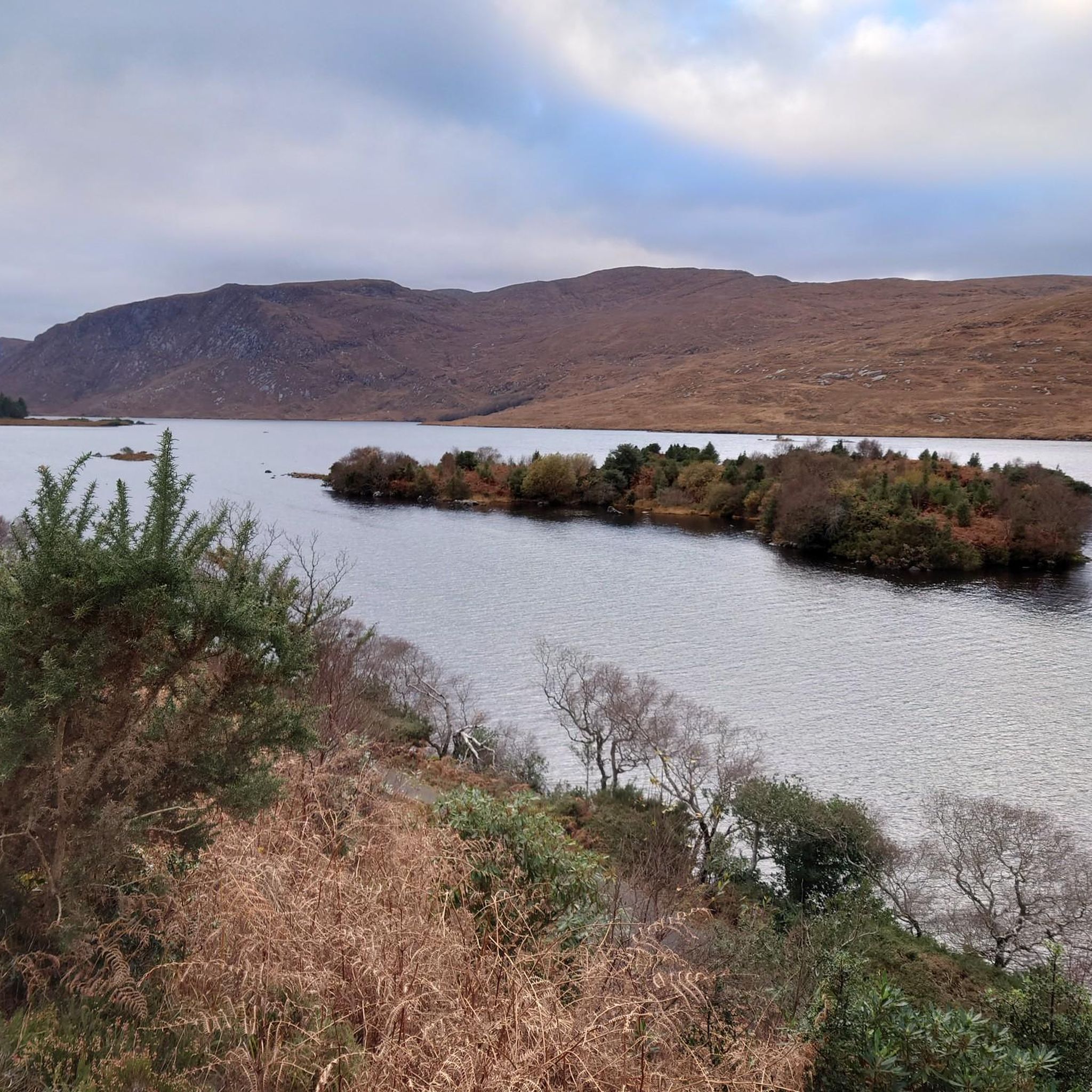
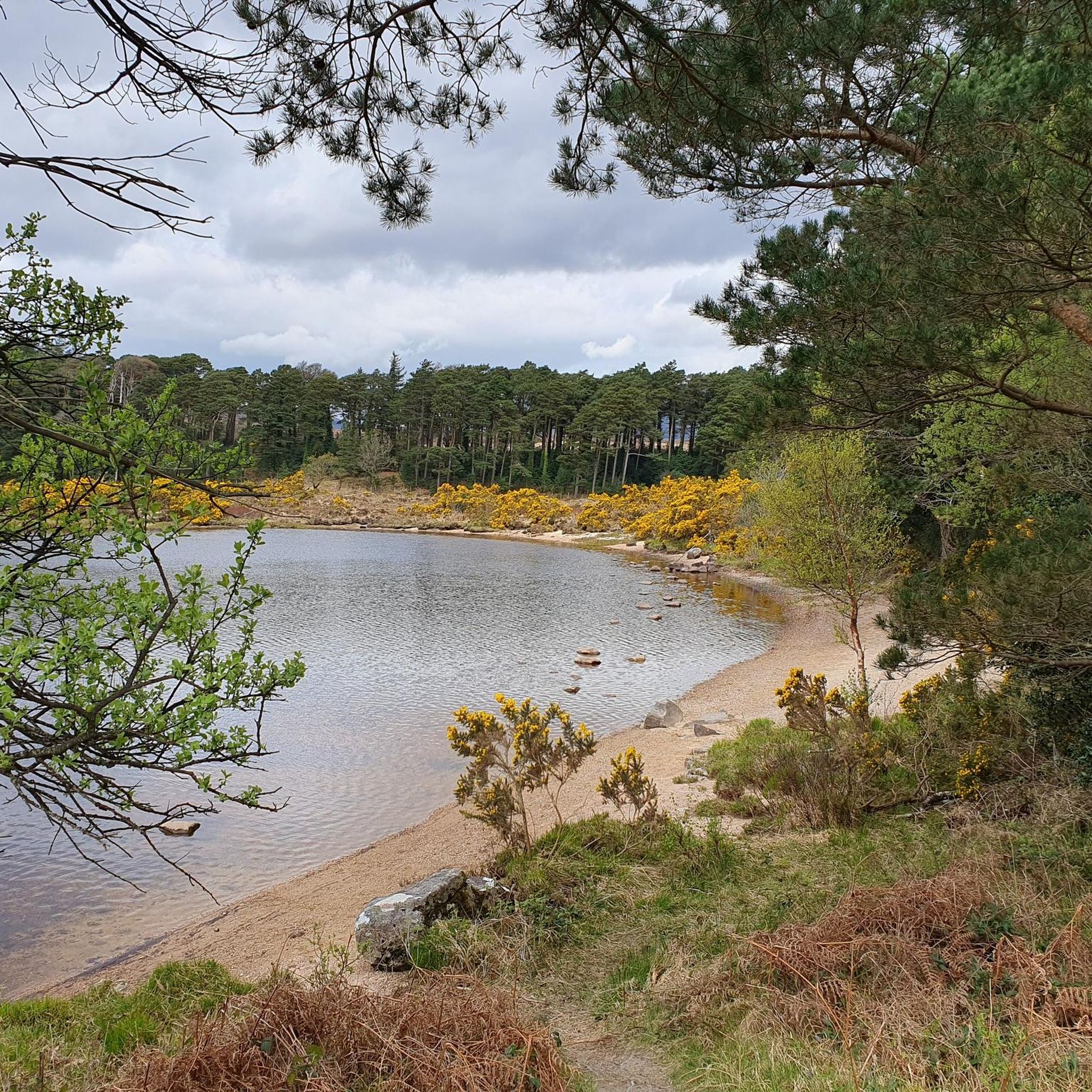
Road cycling around Glenveagh National Park offers routes through a landscape defined by the Derryveagh Mountains, deep glacial valleys, and the serene Lough Veagh. The park encompasses 66 square miles (170 square kilometers) of varied terrain, including mostly paved surfaces suitable for road bikes. Cyclists can expect routes that traverse both lakeside paths and areas with moorlands and native woodlands. The topography includes both gentle gradients and more challenging sections with significant elevation changes.
Best road cycling routes around Glenveagh…
Last updated: October 12, 2026
5
riders
Moderate road ride. Good fitness required. Mostly well-paved surfaces and easy to ride.
4
riders
36.1km
01:48
390m
390m
Moderate road ride. Good fitness required. Mostly well-paved surfaces and easy to ride.

5.0
(1)
17
riders
76.1km
03:39
850m
850m
Moderate road ride. Good fitness required. Mostly well-paved surfaces and easy to ride.
9
riders
62.9km
03:09
650m
650m
Moderate road ride. Good fitness required. Mostly well-paved surfaces and easy to ride.
6
riders
Moderate road ride. Good fitness required. Some segments of this route may be unpaved and difficult to ride.
Get access to more routes and recommendations from other explorers.
Already have an account?
Our route recommendations are based on thousands of hikes, rides, and runs completed by other people on komoot.
Start today with a free account
Your next adventure awaits.
Popular around Glenveagh National Park
Other adventures around Glenveagh National Park


Tips from the Community

Dunlewey lies at the foot of Mount Errigal, on the shore of the tranquil Dunlewey Lough. The village forms one of West Donegal’s most characteristic spots: a combination of rugged mountains, open water and the iconic ruin of the old church overlooking the lake. The area breathes Gaeltacht culture and silence — broad vistas, peat fields and the sharp silhouette of Errigal constantly hanging over the landscape. Dunlewey is a natural hub between the valleys of Gweedore, Glenveagh and the Seven Sisters, and a place where Donegal’s landscape comes together in its most dramatic and photogenic way.
4
0
Mount Errigal (751 m) is the highest mountain in Donegal and one of Ireland's most iconic peaks. The mountain is immediately striking with its sharp, pyramid-shaped silhouette and its quartz summit that shines almost white in sunlight. Errigal stands apart from the surrounding hills, giving it a dominant presence from all directions — especially when driving inland from Dungloe, Doochary, or Dunlewey.
5
0
One of the least interesting parts of the bike route.
4
0
Maghery Beach is a long, quiet beach on the west coast of Donegal, enclosed between low dunes and the open Atlantic Ocean. From here you look out over the rocky islands and the rugged coastline towards Crohy Head. The beach feels wide and empty, with only the sound of the waves and the wind sweeping over the dunes.
5
0
Crohy Head Sea Arch, locally also known as The Breeches, is a striking coastal formation on the rugged cliffs southwest of Dungloe. The arch seen from the cliff is actually the Bristi Sea Stack, one of several natural arches carved out here by Atlantic erosion. The silhouette — a narrow, tall rock with a hollowed-out passage — forms one of Donegal's most recognizable coastal sights. The surroundings consist of steep grassy slopes, dark rocks, and open views towards Maghery and Arranmore.
5
0
At this point, a solitary bench stands with a magnificent view over the rugged coastline of Crohy. You look out over rock plateaus, deep inlets, and the open Atlantic horizon. It is a quiet, sheltered spot where you can pause for a moment and truly appreciate the dramatic shapes of the coast.
7
0

This stretch of the Slí An Earagail long-distance trail follows a quiet country lane, providing lovely views of rural Donegal countryside. This is a Gaeltacht (Irish speaking) region of the country where proud traditions and customs are still practised.
0
0
A charming townland on Donegal's Atlantic coast, An Bun Beag (often Anglicised to Bunbeg) has much to offer the walker. A stroll to the beach reveals the enchanting Bád Eddie shipwreck, one of the region's iconic sights. It forms the foreground to another icon, the distant Errigal, one of Ireland's most recognisable mountains. The village and neighbouring Doirí Beaga (Derrybeg) are home to a few accommodation options and places to eat and drink.
0
0
Frequently Asked Questions
How many road cycling routes are available around Glenveagh National Park?
There are over 40 road cycling routes available around Glenveagh National Park, offering a diverse range of options for different skill levels. These routes are highly rated by the komoot community, with an average score of 4.5 stars.
What kind of terrain can I expect when road cycling in Glenveagh National Park?
Road cycling in Glenveagh National Park features a captivating mix of moorlands, mountains, and woodlands. You'll encounter vast peat bogs, heather-covered hills, and crystal-clear lakes, with Lough Veagh being a prominent feature. While some routes might involve unpaved sections, many are paved and suitable for road cycling, offering both gentle gradients and more challenging sections with significant elevation changes.
What is the best time of year for road cycling in Glenveagh National Park?
The spring and summer months are ideal for road cycling in Glenveagh National Park, when the landscape is vibrant with wildflowers. Autumn also offers stunning scenery with warm amber and rust tones. While cycling is possible year-round, weather conditions can be more challenging in winter, so checking forecasts is always recommended.
Are there road cycling routes suitable for beginners in Glenveagh National Park?
Yes, Glenveagh National Park offers several road cycling routes suitable for beginners. There are 8 routes classified as easy, providing a gentle introduction to the park's beautiful scenery without overly challenging climbs. These routes are perfect for those looking for a relaxed ride.
What landmarks or viewpoints can I see along the road cycling routes in Glenveagh National Park?
Many road cycling routes offer stunning views and pass by notable landmarks. You can expect to see the majestic Mount Errigal, the historic Glenveagh Castle and its beautiful gardens, and various viewpoints offering panoramic vistas of Lough Veagh. The Bridle Path to Lough Veagh and the Lough Veagh Lakeside Gravel Path also offer picturesque sections.
Are there any waterfalls to see while cycling in Glenveagh National Park?
Yes, the park's scenic beauty includes cascading waterfalls. You might encounter the Astellen Waterfall, which adds to the natural charm of the cycling routes. The numerous lakes, especially Lough Veagh, also contribute to the park's stunning waterscapes.
Is there parking available for road cyclists at Glenveagh National Park?
Yes, the Glenveagh National Park car park serves as a common starting point for many cycling routes. This provides convenient access for cyclists bringing their own bikes. Specific parking details for individual routes can often be found on their respective komoot tour pages.
Are there cafes or pubs near the road cycling routes in Glenveagh National Park?
The park's visitor center includes a cafe, which is a convenient stop for refreshments. Additionally, routes like the View of the Lake – Coffee Time Café loop from Termon and the Coffee Time Café loop from Termon are named for nearby cafes, indicating opportunities for breaks and refreshments along the way. You'll find options in the surrounding towns and villages.
Can I bring my family for road cycling in Glenveagh National Park?
Glenveagh National Park offers routes suitable for various fitness levels, including easier rides that can be enjoyed by families. The park's visitor center also provides bicycle rentals, including electric bikes and adaptive bikes, making it accessible for a wider range of visitors and families with different needs.
What do other road cyclists enjoy most about cycling in Glenveagh National Park?
The area is highly rated by the komoot community, with an average score of 4.5 stars from over 300 road cyclists. Reviewers often praise the stunning and diverse landscapes, including the dramatic Derryveagh Mountains and the tranquil Lough Veagh. The mix of moorlands, mountains, and woodlands, along with the well-maintained paths, are frequently highlighted as enjoyable aspects of the cycling experience.
Are there any circular road cycling routes in Glenveagh National Park?
Yes, many of the road cycling routes in and around Glenveagh National Park are designed as loops, allowing you to start and finish at the same point. Examples include the Glasserchoo Upper Road loop from Gortahork and the View of the Lake – Muckish Climb loop from Church Hill, providing convenient and scenic circular journeys.
What are some more challenging road cycling routes near Glenveagh National Park?
For experienced road cyclists seeking a challenge, there are 5 routes classified as difficult. Routes like the View of the Lake – Muckish Climb loop from Church Hill, at 47.2 miles (76.0 km) with significant elevation gain, offer a demanding ride through mountainous terrain. The Glenties – Gorgeous scenic road loop from Crolly is another longer option, covering over 90 km with substantial climbing.
Can I rent bicycles in Glenveagh National Park?
Yes, bicycle rentals are available at the Glenveagh National Park Visitor Centre. Services like Grass Routes Bike Hire offer a range of options, including electric bikes and adaptive bikes, making cycling accessible for a wider audience.
Most popular routes around Glenveagh National Park
Most popular attractions around Glenveagh National Park

Get inspired with the komoot mobile app


Explore more
Browse the best Road cycling routes in other regions.
