The best cycling routes around Artajona
4.5
(31)
394
riders
85
rides
Touring cycling routes around Artajona traverse a landscape characterized by rolling hills and expansive agricultural fields, including vineyards and olive groves. The region features a mix of open terrain and occasional wooded sections, offering varied scenery for cyclists. Historic sites, such as the medieval Cerco de Artajona, are often visible along the routes.
Best touring cycling routes around Artajona
- The most popular touring cycling route is Puente la Reina Romanesque Bridge loop from Artajona, a 25.8 miles (41.6 km) trail that takes 2 hours 36 minutes to complete. This route connects Artajona with the historic town of Puente la Reina, known for its Romanesque bridge.
- Another top favourite among local touring cyclists is Water Fountain – Ermita de San Miguel loop from Berbinzana, a difficult 37.9 miles (61.0 km) path. This route offers extensive views across the agricultural plains and includes significant elevation changes.
- Local touring cyclists also love the Torreón of Miranda de Arga – Artajona loop from Larraga, a 36.0 miles (58.0 km) trail leading through varied rural landscapes, often completed in about 3 hours 35 minutes.
- Touring cycling around Artajona is defined by rolling agricultural landscapes, historic landmarks, and quiet country roads. The network offers options for different ability levels, from moderate loops to more challenging routes with significant climbs.
- The routes in Artajona are highly rated by the komoot community with an average score of 4.6 stars from over 25 reviews. More than 385 touring cyclists have used komoot to explore Artajona's varied terrain.
Last updated: July 3, 2026
11
riders
41.7km
02:36
410m
410m
Moderate bike ride. Good fitness required. Mostly paved surfaces. Suitable for all skill levels.
5.0
(1)
6
riders
61.1km
03:52
710m
710m
Hard bike ride. Very good fitness required. Mostly paved surfaces. Suitable for all skill levels.

Sign up for free
3.0
(1)
8
riders
57.9km
03:36
540m
540m
Hard bike ride. Very good fitness required. Mostly paved surfaces. Suitable for all skill levels.
2
riders
11.6km
00:56
150m
150m
Moderate bike ride. Good fitness required. Mostly paved surfaces. Suitable for all skill levels.
6
riders
Moderate bike ride. Good fitness required. Mostly paved surfaces. Suitable for all skill levels.
Get access to more routes and recommendations from other explorers.
Sign up for free
Already have an account?
Our route recommendations are based on thousands of hikes, rides, and runs completed by other people on komoot.
Start today with a free account
Your next adventure awaits.
Login or Signup
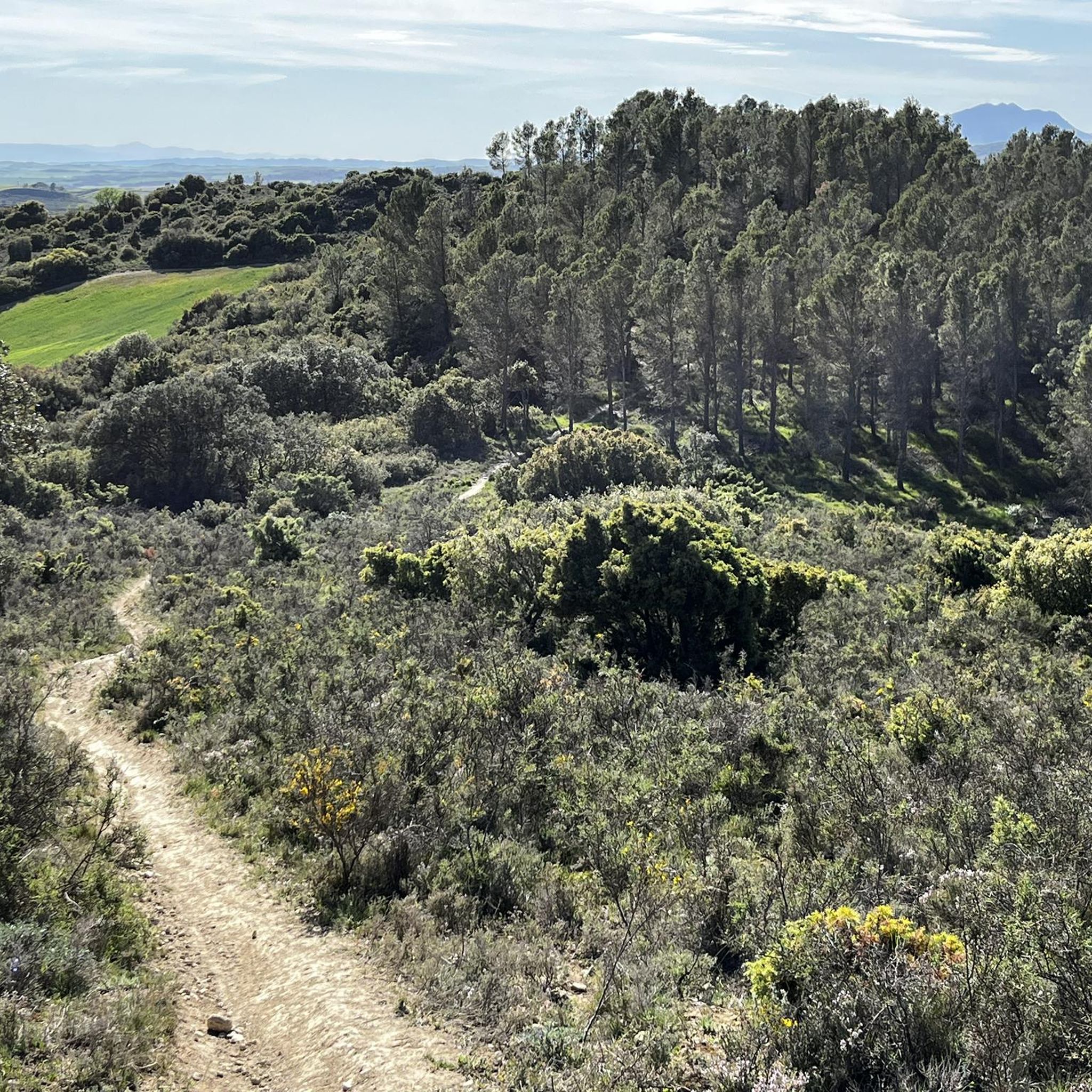
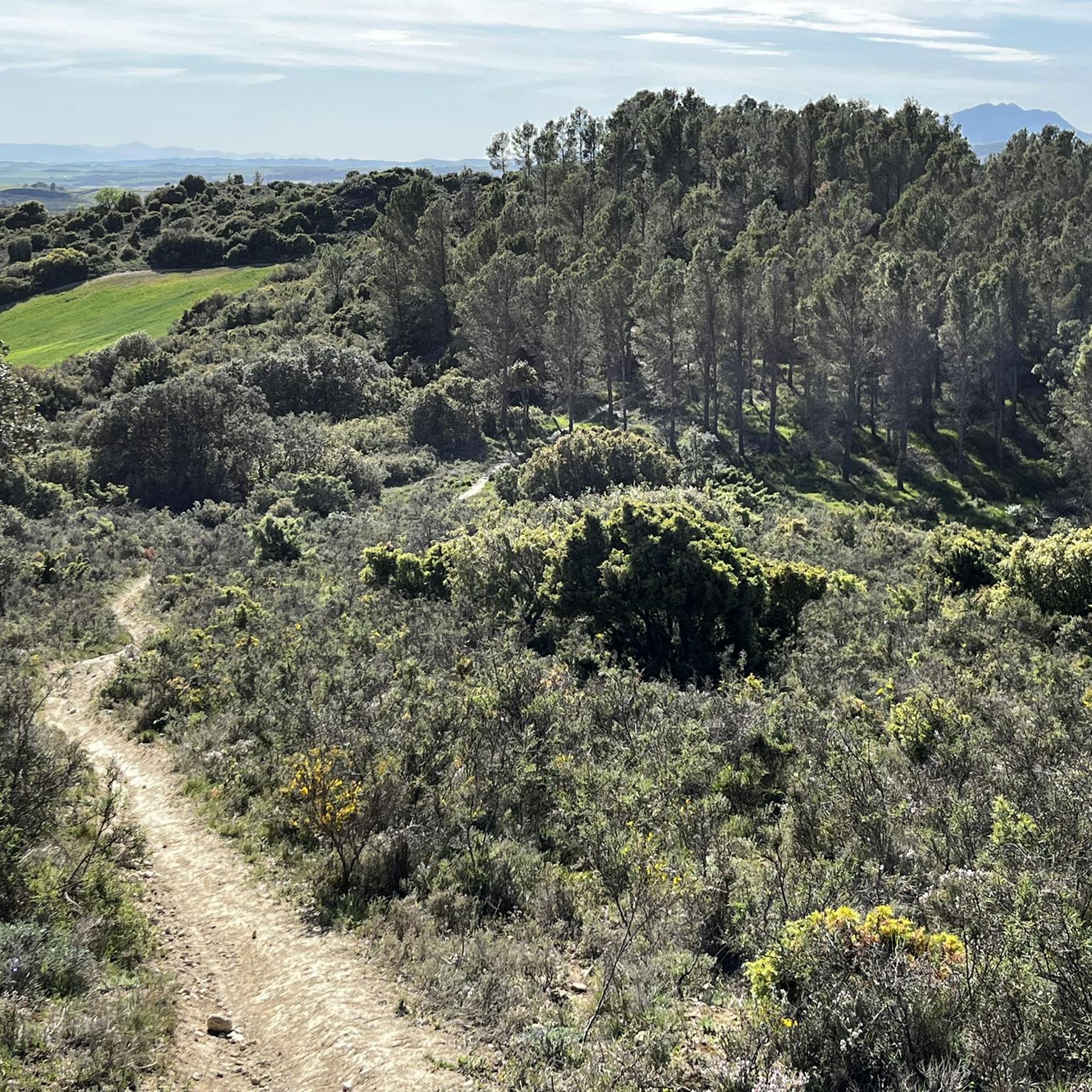
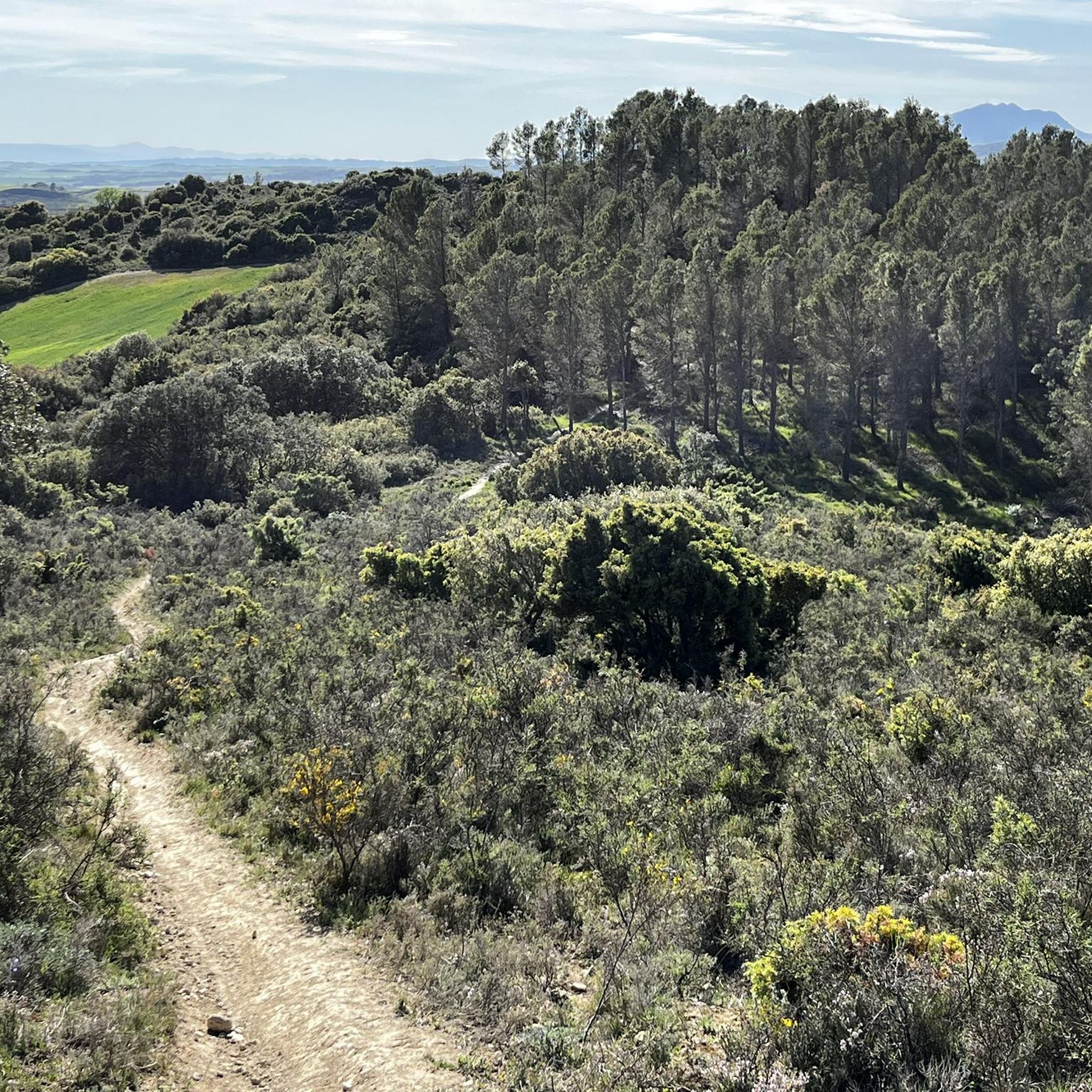
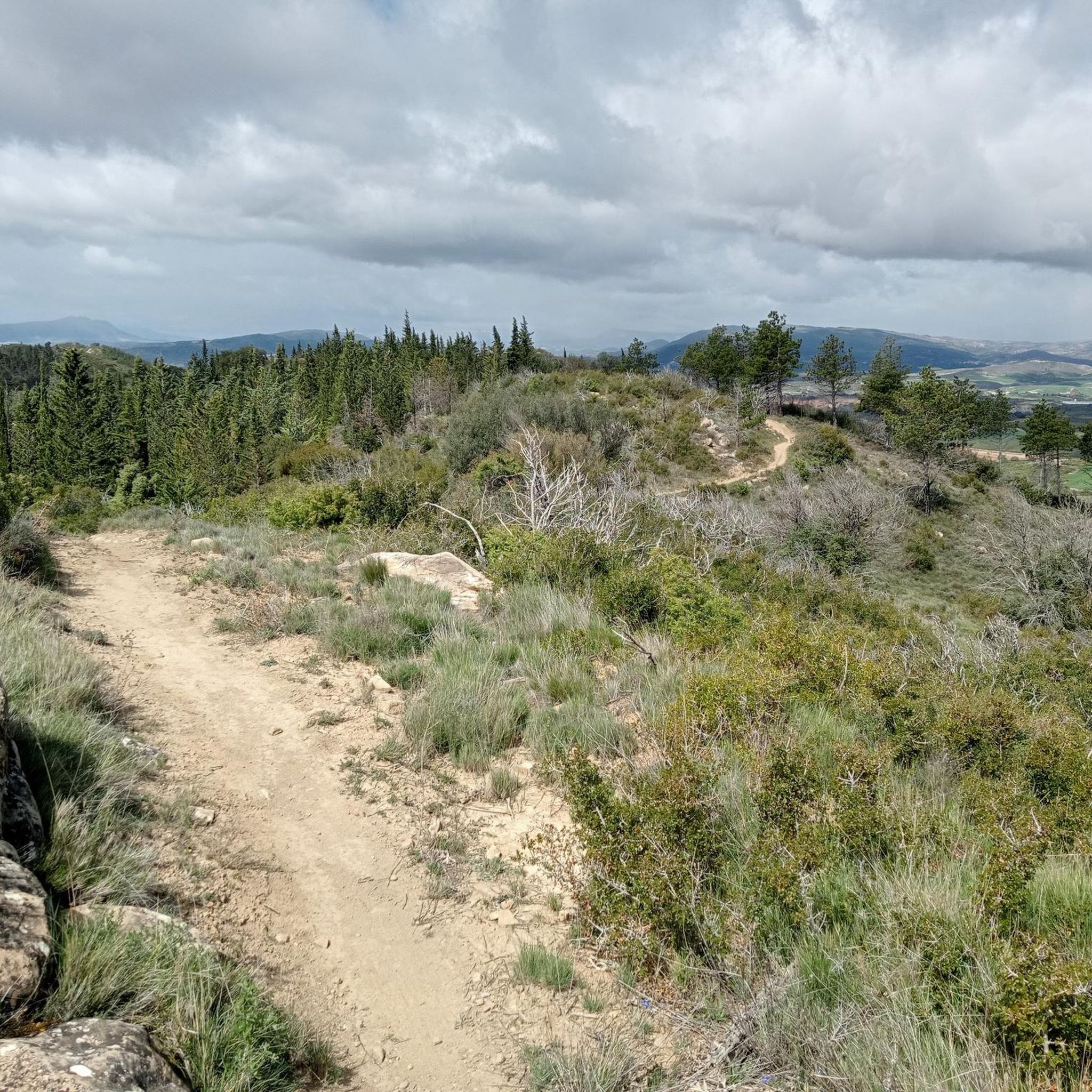

Tips from the Community

At the general audience on June 21, 2006, the then Holy Father briefly summarized two biblically recorded events that describe the special position of James the Greater, the patron saint of this church, among the disciples: + "He was privileged, along with Peter and John, to participate in the hour of Jesus' agony in the Garden of Gethsemane and in the event of Jesus' Transfiguration. (...) In the first instance, James, together with the other two apostles, experiences the glory of the Lord; he sees him speaking with Moses and Elijah; he sees the splendor of divine glory shining in Jesus; in the other instance, he faces suffering and humiliation; he sees with his own eyes how the Son of God humbles himself and is obedient to the point of death. The second experience was certainly an opportunity for him to mature in faith and to correct the one-sided, triumphalist interpretation of the first experience: He had to recognize that the Messiah, awaited by the Jewish people as a triumphant leader, was in reality not only full of honor and glory. surrounded not only by suffering, but also by suffering and weakness. The glory of Christ is realized precisely on the cross, in sharing in our sufferings." (Pope Benedict XVI)
2
0

Start and finish of the best gravel test in the state: TIERRA ESTELLA EPIC GRAVEL
2
0

Santa María de Eunate is a Romanesque church on the Aragonese branch of the Way of St. James in Navarre. The church was built at the end of the 12th century in the Romanesque style with Mozarabic influences. The octagonal design is a reference to the Templars. There used to be a hospice here that belonged to the Order of St. John and today it is a hostel for pilgrims.
0
0

The Church of Santiago in Puente la Reina, also known as the Church of Santiago el Mayor, is a historical and architectural gem. This parish church originally dates back to the 12th century, but most of what you see today dates back to the 16th century after extensive reconstruction. One of its most striking features is the late Romanesque entrance, which was preserved during later renovations. Inside you will find a special statue, known as the Black Santiago.
4
0
The Iglesia del Crucifijo in Puente la Reina is a fascinating historical monument deeply rooted in the history of the Camino de Santiago. Originally built in the 12th century by the Knights Templar, the church was later taken over by the Order of St. John of Jerusalem. The church consists of two different naves: a Romanesque one from the 12th century and a Gothic one that was added later. What makes this church really special is the impressive Gothic crucifix in the shape of a “Y”, one of the most remarkable Gothic sculptures in Spain.
2
0
The Church of San Juan Bautista in Obanos, located in the Plaza de los Fueros, is a beautiful example of neo-Gothic architecture. Built in 1912, this church exudes an impressive historical charm. The church’s façade features a portico and a square tower, which contribute to the building’s majestic appearance. Inside, the church exudes a serene and sacred atmosphere, with beautiful stained glass windows and detailed decorations that reflect the church’s rich history.
1
0

This is the complete opposite of the Chapel of the Cross: here the theme is splendor and glorification. Almost too much gold, pomp...
2
0
This room allows every pilgrim to write down intercessions and prayers to place at the Jesus statue or write them in the prayer book. A simple, beautiful room that has preserved much of the old spirituality. Pilgrim station.
1
1
Frequently Asked Questions
How many touring cycling routes are available around Artajona?
There are over 85 touring cycling routes around Artajona, offering a wide range of options for different skill levels and preferences.
What kind of terrain can I expect on touring cycling routes in Artajona?
The routes around Artajona primarily feature rolling hills and expansive agricultural fields, including vineyards and olive groves. You'll encounter a mix of open terrain and occasional wooded sections, providing varied scenery.
Are there any easy touring cycling routes suitable for beginners or families?
Yes, Artajona offers 6 easy touring cycling routes. While specific family-friendly routes aren't detailed, easy routes are generally suitable. For example, the View of Altos de Artajona loop from Mendigorria is a moderate 11.6 km route with less elevation gain, which could be a good option.
What are the typical distances for touring cycling routes in Artajona?
Route distances vary significantly. You can find shorter loops like the View of Altos de Artajona loop from Mendigorria at 11.6 km, up to longer, more challenging rides such as the Water Fountain – Ermita de San Miguel loop from Berbinzana, which is 61.0 km.
Are there any challenging touring cycling routes for experienced cyclists?
Absolutely. Artajona has 47 difficult touring cycling routes. These often include significant elevation changes and longer distances. A challenging option is the Alto de la Sarrea loop from Artajona, a 30.0 km difficult route with substantial climbs.
What historical landmarks or points of interest can I see along the routes?
Many routes pass by or offer views of historic sites. The medieval Cerco de Artajona is often visible. Other notable attractions in the wider region include the Royal Palace of Olite and the Torreón of Miranda de Arga. The Puente la Reina Romanesque Bridge loop from Artajona specifically connects to the historic town of Puente la Reina.
Are there circular touring cycling routes available?
Yes, many of the touring cycling routes around Artajona are designed as loops, allowing you to start and end in the same location. Examples include the Puente la Reina Romanesque Bridge loop from Artajona and the Torreón of Miranda de Arga – Artajona loop from Larraga.
What is the best time of year for touring cycling in Artajona?
Given the region's climate, spring (April-May) and autumn (September-October) are generally the most pleasant times for touring cycling in Artajona. Temperatures are milder, and the landscape is often vibrant. Summers can be hot, and winters cooler with a chance of rain.
What do other touring cyclists enjoy most about cycling in Artajona?
The area is highly rated by the komoot community, with an average score of 4.6 stars from over 25 reviews. Reviewers often praise the varied rural landscapes, the quiet country roads, and the opportunity to combine cycling with visits to historic landmarks like the Cerco de Artajona.
Are there any natural viewpoints or scenic spots along the routes?
Yes, the rolling agricultural plains offer extensive views. Routes like the View of Altos de Artajona loop from Mendigorria are designed to showcase scenic vistas. You might also encounter natural monuments such as the Ancient Olive Tree of Olite or the Quejigo of Garínoain in the broader area.
Is parking available near the touring cycling routes in Artajona?
While specific parking areas for each route are not detailed, Artajona and surrounding towns typically offer public parking facilities where you can leave your vehicle before starting your ride. It's advisable to check local parking options in your chosen starting point.
Most popular attractions around Artajona

Get inspired with the komoot mobile app


Explore more
Browse the best Cycling routes in other regions.
