Attractions and Places To See around La Mata De Los Olmos - Top 16
Best attractions and places to see around La Mata De Los Olmos include a blend of historical landmarks, cultural sites, and natural features. This municipality, located in the Bajo Aragón comarca of Teruel, Spain, is nestled in the foothills of the Iberian mountain range. The area offers diverse landscapes, from pine and holm oak forests to valleys cultivated with cereals and almonds. Visitors can explore a rich heritage alongside unique natural heritage sites.
Best attractions and places to see around…
Last updated: July 12, 2026
Sanctuary of Santa María del Olivar
Highlight • Religious Site
Translated by Google •
Tip by

Ejulve
Highlight • Settlement
Translated by Google •
Tip by

Sign up now to discover places like this
Get recommendations on the best single tracks, peaks, & plenty of other exciting outdoor places.
Sign up for free
Andorra, Teruel
Highlight • Settlement
Translated by Google •
Tip by

Estercuel
Highlight • Settlement
Translated by Google •
Tip by
Plaza Mayor de Molinos
Highlight • Settlement
Tip by

Sign up for free to discover even more attractions around La Mata De Los Olmos.
Sign up for free
Already have an account?
Start today with a free account
Your next adventure awaits.
Login or Signup



Tips from the Community

The Sanctuary/Monastery of Santa María del Olivar is located in Estercuel, within the natural setting of the Serranía de Montalbán mountain range, in the Andorra-Sierra de Arcos region. Although often referred to as a sanctuary, its official name is the Monastery of Santa María del Olivar. It is one of the most important historical and artistic monuments in the area and has been a significant spiritual center for over seven centuries. Located 4 km from Estercuel, in the province of Teruel, it lies within the river valley and is surrounded by pine forests. It sits atop a hill at an altitude of 700 meters, overlooking the valley watered by the Escuriza River.
2
0

At the heart of Molinos. Very lively, specially during summer (early August) town celebrations. Worth the tour.
0
0

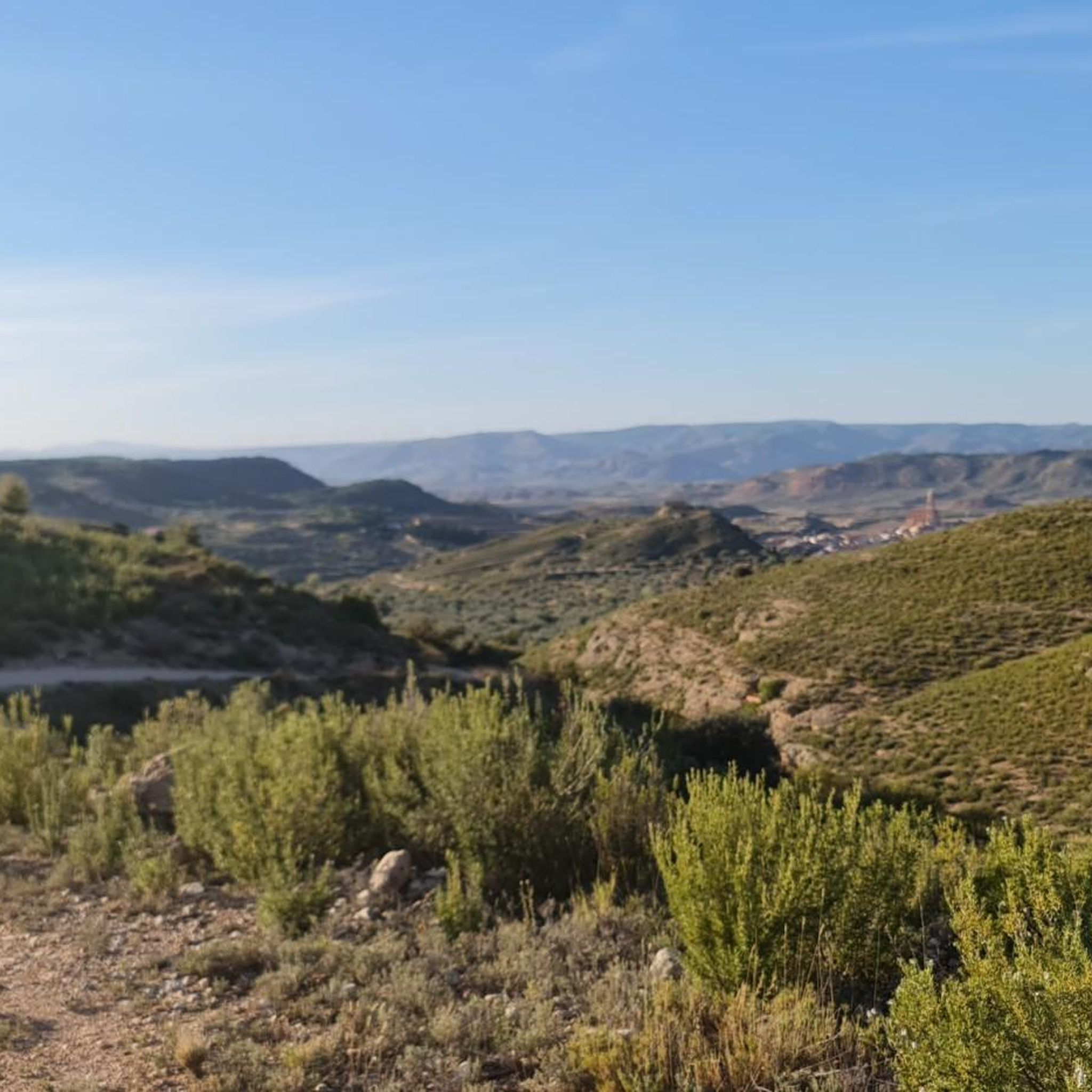
The pretty town of Estercuel is located in the Andorra-Sierra de Arcos region, in the province of Teruel. The Olivar Monastery, not far from the town, is the biggest tourist attraction. We can also visit the coal mine, the Ermita del Olivar or the fire and fiesta interpretation center.
1
0
At this point on the way we come across this imposing Aragonese monastery built in the 16th century and which, due to its historical and artistic value, is one of the most important monuments in the Andorra-Sierra de Arcos region. On the web: monasterioelolivar.com we will find more information about the activities offered by the place, ideal for enjoying the peace of a unique space.
1
0
Andorra, a town in the province of Teruel and capital of the region of Andorra-Sierra de Arcos is located between the valleys of the rivers Martín and Guadalope, next to the small river Regallo where we can visit the Ermita de la Virgen del Pilar or the Church of the Natividad, the park of San Macario or the Castillete del Pozo de San Juan.
1
0

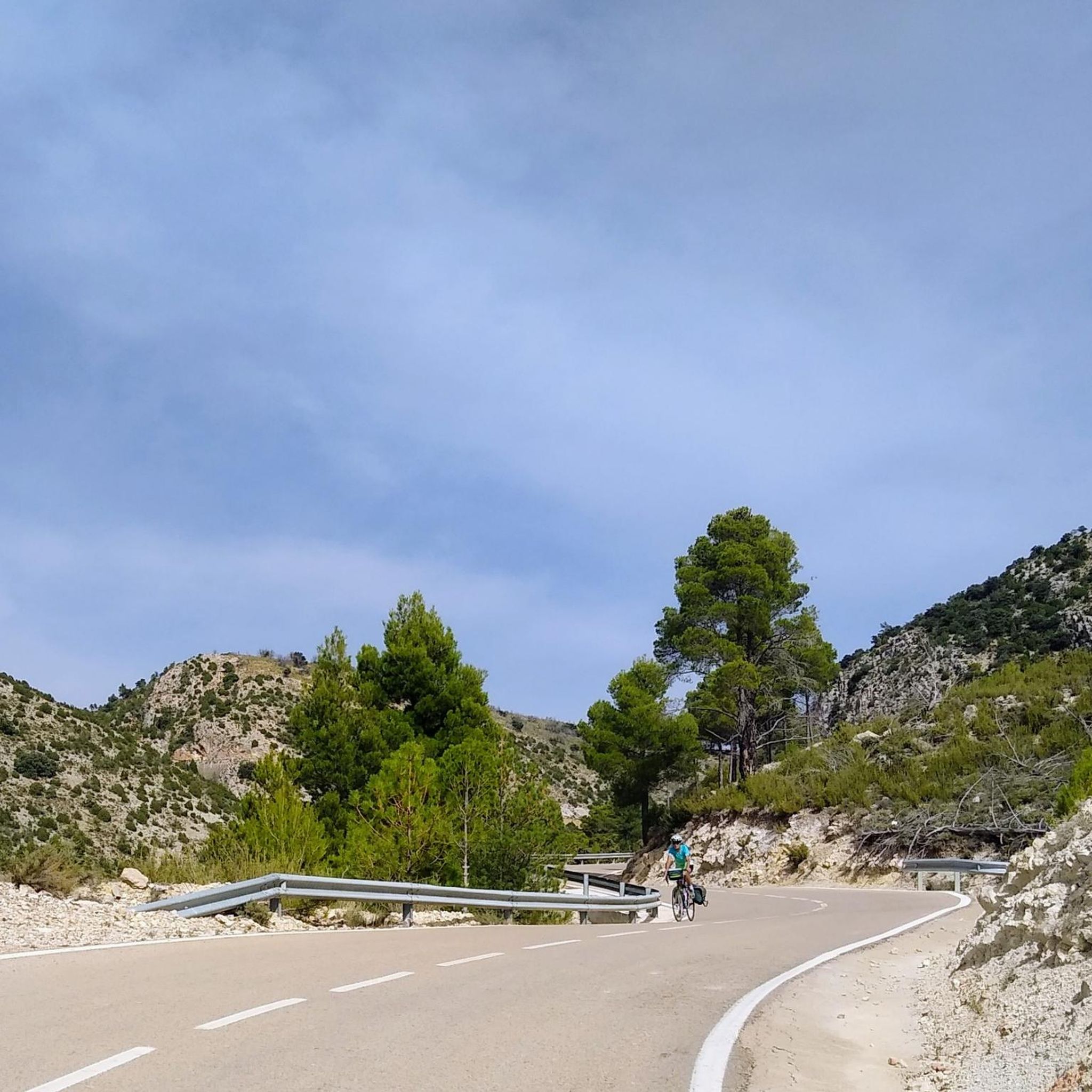
On the banks of the Guadalopillo River and at the foot of the Sierra de Majalinos rises this picturesque and quiet village typical of the interior of Teruel. In the heart of the Maestrazgo Cultural Park, this town offers many alternative hiking routes to tour this beautiful area of Aragon.
1
1
Frequently Asked Questions
What historical landmarks can I explore in La Mata de los Olmos?
La Mata de los Olmos is rich in history. You can visit the impressive Church of San Bartolomé and the adjacent Town Hall, both dating back to the 16th and 17th centuries. Don't miss the restored Old Ice House (Nevera), a 17th-century structure that serves as a starting point for the 'Route of the Ice Houses and Cold Vaults'. The town also features several historic chapels, including the Chapel of La Virgen de Gracia and the round Chapel of El Rosario.
Are there any natural attractions or unique landscapes to see in the area?
Yes, the area around La Mata de los Olmos, nestled in the foothills of the Iberian mountain range, offers diverse natural beauty. You can explore pine forests, holm oak groves, and juniper forests. A notable natural heritage site is the Sabinar de La Mata de los Olmos, a small grove of monumental Spanish junipers. For a pleasant walk, take the Paseo a la Fuente Vieja, which leads to the historic Old Fountain and passes the old wash house.
What cultural sites are worth visiting near La Mata de los Olmos?
Beyond the town itself, you can explore significant cultural sites. The Sanctuary of Santa María del Olivar, an impressive Aragonese monastery from the 16th century, is one of the most important historical and artistic monuments in the region. The nearby town of Estercuel also offers cultural insights, including an interpretation center for fire and fiesta.
Are there family-friendly activities or attractions suitable for children?
Absolutely! Many attractions are suitable for families. The Grutas de Cristal (Crystal Caves) offer a unique and exciting experience for all ages with guided tours through their fascinating underground formations. The Sanctuary of Santa María del Olivar is also considered family-friendly, providing a peaceful and educational visit. Additionally, the picturesque village of Ejulve is a great base for exploring easy hiking routes in the surrounding natural park.
What kind of outdoor activities can I do near La Mata de los Olmos?
The region is excellent for outdoor enthusiasts. You can find numerous hiking and cycling opportunities. For hiking, consider routes like 'Mountains - Mills by the Guadalopillo River' or the 'Ejulve – Ejulve Village loop'. Cyclists can enjoy routes such as 'Castellote and Mas de las Mat' or the 'Bike loop from La Mata de los Olmos'. You can find more details and routes in the Hiking around La Mata De Los Olmos and Road Cycling Routes around La Mata De Los Olmos guides.
Are there any easy hiking trails suitable for beginners or families?
Yes, there are options for easier walks. The 'Gallipuén Reservoir loop from Berge' is an easy hiking route. The Paseo a la Fuente Vieja within La Mata de los Olmos is also a short, pleasant walk. For more hiking ideas, including moderate options, check out the Hiking around La Mata De Los Olmos guide.
What are some architectural highlights in La Mata de los Olmos?
Beyond the main church and town hall, La Mata de los Olmos features several architecturally interesting private homes, particularly on Calle Mayor and Calle Baja. These 17th-century houses often display distinctive vernacular architecture, including upper brick arcades, carved window sills, large arched doorways, and sometimes family coats of arms, offering a glimpse into the region's past.
Where can I find information about the historical use of ice in the region?
The restored Old Ice House (Nevera) in La Mata de los Olmos is the perfect place to learn about this. Located at the highest point of the town, it features a spectacular ashlar domed roof. An adjacent interpretive center provides detailed information about other ice houses and their historical significance in the area, highlighting their role in preserving food and medicine before modern refrigeration.
What is the best time of year to visit La Mata de los Olmos for outdoor activities?
While specific seasonal recommendations are not provided, the diverse landscapes, including pine and holm oak forests, suggest that spring and autumn would be ideal for outdoor activities like hiking and cycling. The weather during these seasons is generally mild and pleasant, perfect for exploring the natural beauty and historical sites without extreme heat or cold.
Can I find any unique natural heritage sites in the municipality?
Yes, the Sabinar de La Mata de los Olmos is a unique natural heritage site. It's a small grove of monumental Spanish junipers (Juniperus thurifera) characterized by their large sizes, robust trunks, and lush canopies. This ancient juniper forest is a testament to the region's ecological richness and offers a tranquil spot for nature observation.
What do visitors enjoy most about the attractions around La Mata de los Olmos?
Visitors particularly appreciate the blend of historical depth and natural beauty. The peaceful atmosphere of places like the Sanctuary of Santa María del Olivar and the picturesque charm of villages like Ejulve are frequently highlighted. The unique experience of exploring the Grutas de Cristal is also a favorite, offering a memorable adventure for families and individuals alike.
Are there any cycling routes available for different skill levels?
Yes, the area offers a variety of cycling routes. For road cycling, you'll find challenging routes like 'Ejulve - Aliaga Maestrazgo Loop' and 'Cuencas Mineras and Puerto de Majalinos Loop'. There's also a moderate 'Bike loop from La Mata de los Olmos' for touring bicycles. More details can be found in the Road Cycling Routes around La Mata De Los Olmos and Cycling around La Mata De Los Olmos guides.
Most popular routes around La Mata De Los Olmos

Get inspired with the komoot mobile app


Explore more
Still not found the Highlight you’re looking for? See guides of the top attractions in other regions:
