Attractions and Places To See around Espirdo - Top 20
Best attractions and places to see around Espirdo offer a rich historical and cultural experience. This region, situated in the province of Segovia, is characterized by its proximity to significant historical landmarks and a blend of rural and urban landscapes. Visitors can explore ancient Roman engineering, medieval castles, and Gothic architecture. The area provides a diverse range of points of interest for those seeking cultural immersion and historical exploration.
Best attractions and places to see around Espirdo
- The most popular…
Last updated: April 25, 2026
Aqueduct of Segovia
Highlight • Monument
Translated by Google •
Tip by

Segovia Cathedral
Highlight • Religious Site
Translated by Google •
Tip by
Sign up now to discover places like this
Get recommendations on the best single tracks, peaks, & plenty of other exciting outdoor places.
Sign up for free
Alcázar of Segovia
Highlight • Castle
Its rooms were the resting place of Alfonso X el Sabio …
Translated by Google •
Tip by
Ruins of the Santillana Shearing House
Highlight • Historical Site
Translated by Google •
Tip by

San Lázaro Bridge
Highlight • Bridge
Translated by Google •
Tip by
Sign up for free to discover even more attractions around Espirdo.
Sign up for free
Already have an account?
Start today with a free account
Your next adventure awaits.
Login or Signup


Tips from the Community

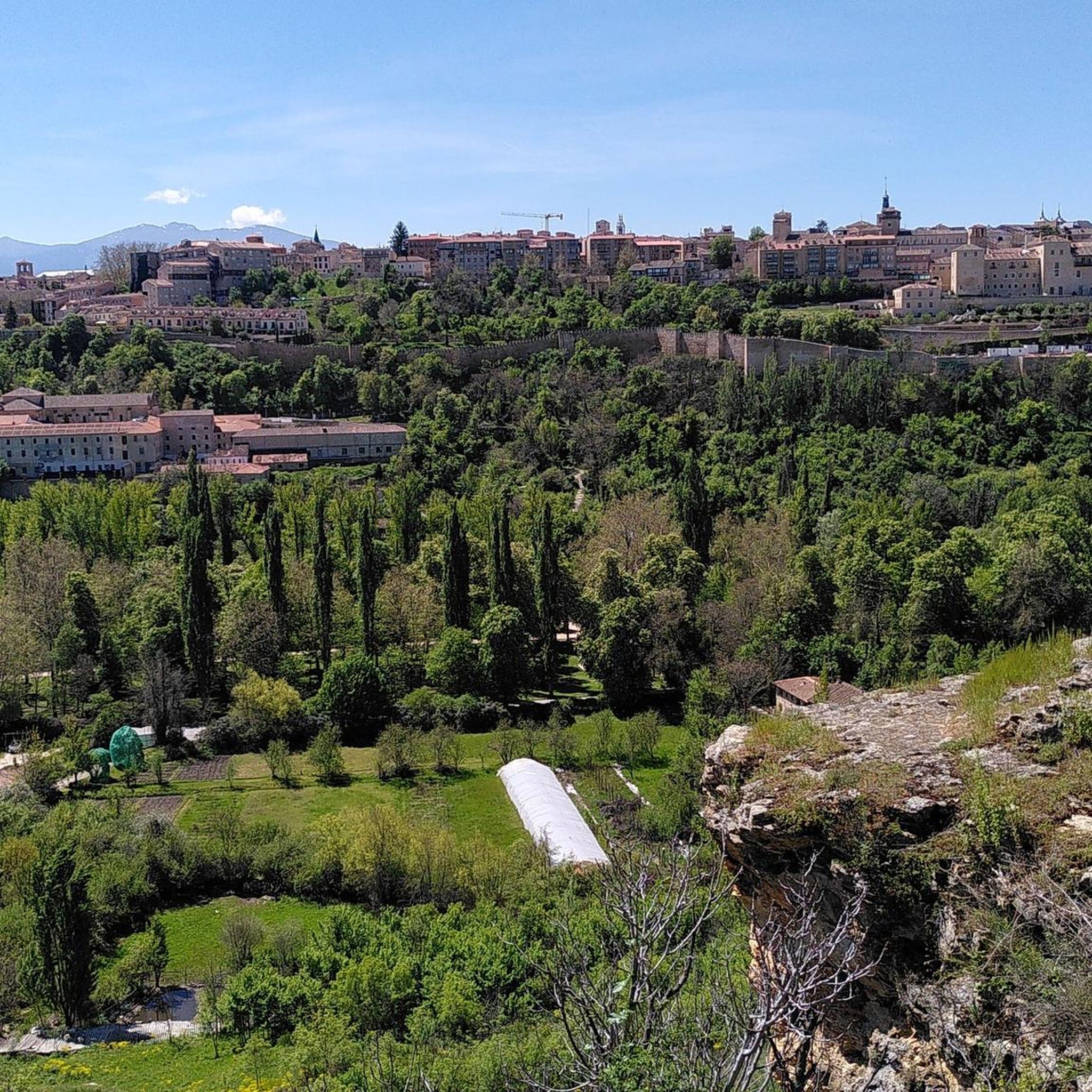
Turn around and you see the bridge and the alcazar... what a view!
0
0

The Segovia Aqueduct is an impressive architectural structure dating back to the 1st century AD and was built by the Romans during their occupation of Hispania. Its main function was to supply water to the city of Segovia, transporting it from the mountains to the city centre. The aqueduct carries water from the Fuenfría spring, located in the mountains about 17 kilometres from the city, to the centre of Segovia. The water is collected in a cistern called El Caserón and then carried through a channel of ashlars to a second tower known as Casa de Aguas. After travelling for more than 15 km, it reaches the city. The Segovia Aqueduct is a heraldic symbol of the city and one of the most impressive works that the Romans left behind in their vast empire. If you ever have the chance to visit it, I highly recommend you do. It's truly amazing! 😊🏛️
8
0
The Segovia Aqueduct is an impressive architectural structure dating back to the 1st century AD and was built by the Romans during their occupation of Hispania. Its main function was to supply water to the city of Segovia, transporting it from the mountains to the city centre. The aqueduct carries water from the Fuenfría spring, located in the mountains about 17 kilometres from the city, to the centre of Segovia. The water is collected in a cistern called El Caserón and then carried through a channel of ashlars to a second tower known as Casa de Aguas. After travelling for more than 15 km, it reaches the city. The Segovia Aqueduct is a heraldic symbol of the city and one of the most impressive works that the Romans left behind in their vast empire. If you ever have the chance to visit it, I highly recommend you do. It's truly amazing! 😊🏛️
5
0
The Segovia Aqueduct is an impressive architectural structure dating back to the 1st century AD and was built by the Romans during their occupation of Hispania. Its main function was to supply water to the city of Segovia, transporting it from the mountains to the city centre. The aqueduct carries water from the Fuenfría spring, located in the mountains about 17 kilometres from the city, to the centre of Segovia. The water is collected in a cistern called El Caserón and then carried through a channel of ashlars to a second tower known as Casa de Aguas. After travelling for more than 15 km, it reaches the city. The Segovia Aqueduct is a heraldic symbol of the city and one of the most impressive works that the Romans left behind in their vast empire. If you ever have the chance to visit it, I highly recommend you do. It's truly amazing! 😊🏛️
5
0
The Segovia Aqueduct is an impressive architectural structure dating back to the 1st century AD and was built by the Romans during their occupation of Hispania. Its main function was to supply water to the city of Segovia, transporting it from the mountains to the city centre. The aqueduct carries water from the Fuenfría spring, located in the mountains about 17 kilometres from the city, to the centre of Segovia. The water is collected in a cistern called El Caserón and then carried through a channel of ashlars to a second tower known as Casa de Aguas. After travelling for more than 15 km, it reaches the city. The Segovia Aqueduct is a heraldic symbol of the city and one of the most impressive works that the Romans left behind in their vast empire. If you ever have the chance to visit it, I highly recommend you do. It's truly amazing! 😊🏛️
5
0
The Segovia Aqueduct is an impressive architectural structure dating back to the 1st century AD and was built by the Romans during their occupation of Hispania. Its main function was to supply water to the city of Segovia, transporting it from the mountains to the city centre. The aqueduct carries water from the Fuenfría spring, located in the mountains about 17 kilometres from the city, to the centre of Segovia. The water is collected in a cistern called El Caserón and then carried through a channel of ashlars to a second tower known as Casa de Aguas. After travelling for more than 15 km, it reaches the city. The Segovia Aqueduct is a heraldic symbol of the city and one of the most impressive works that the Romans left behind in their vast empire. If you ever have the chance to visit it, I highly recommend you do. It's truly amazing! 😊🏛️
6
0

The trip, the gardens, and the building itself are worth it.
3
0
Frequently Asked Questions
What historical sites can I visit near Espirdo?
The region around Espirdo is rich in history. You can explore the ancient Roman Aqueduct of Segovia, a marvel of engineering. Also, don't miss the majestic Segovia Cathedral, one of Spain's latest Gothic cathedrals, and the iconic Alcázar of Segovia, a former residence of Castilian kings perched on a rocky outcrop.
Are there any family-friendly attractions around Espirdo?
Yes, several attractions are suitable for families. The Aqueduct of Segovia, Segovia Cathedral, and Alcázar of Segovia are all marked as family-friendly and offer engaging experiences for all ages. The Old Hontanares de Eresma Station is also a family-friendly spot, offering a glimpse into local history.
What outdoor activities can I do near Espirdo?
You can enjoy various outdoor activities. For hiking, there are routes like 'Ciudad de Segovia: the Aqueduct and the Alcázar' or 'The Alameda of Parral – Alameda Bridge loop from Segovia'. Cycling enthusiasts can explore routes such as 'Segovia Bullring – Aqueduct of Segovia loop from Espirdo'. For more options, check out the dedicated guides for hiking, cycling, and gravel biking around Espirdo.
Are there any viewpoints or natural features to explore?
While the area is primarily known for its historical sites, the Alcázar of Segovia offers extensive views of the old town from its rocky outcrop. The Segovia Cathedral also provides a viewpoint. For natural features, the surrounding countryside offers scenic landscapes, particularly along the Eresma river, which can be explored via local walking and cycling routes.
What is the best time of year to visit Espirdo for outdoor activities?
The best time to visit Espirdo for outdoor activities is generally during spring (April to June) and autumn (September to October). During these months, the weather is typically mild and pleasant, ideal for hiking, cycling, and exploring historical sites without the intense heat of summer or the chill of winter.
What are the Ruins of the Santillana Shearing House?
The Ruins of the Santillana Shearing House are a historical site dating back to 1745. Originally a large shearing house that processed wool from thousands of sheep annually, it now stands as an impressive ruin. It offers a fascinating glimpse into the region's agricultural past and the Mesta council's influence.
How can I get to the main attractions from Espirdo using public transport?
Espirdo is located close to Segovia, which is well-connected by public transport. You can typically find local bus services connecting Espirdo to Segovia. Once in Segovia, the main attractions like the Aqueduct, Cathedral, and Alcázar are within walking distance of each other or accessible via local city buses.
Are there any easy hiking trails suitable for beginners near Espirdo?
Yes, there are easy options. The 'Ciudad de Segovia: the Aqueduct and the Alcázar' route is an easy 4.6 km circular hike that allows you to see the city's main landmarks. You can find more details and other routes in the Hiking around Espirdo guide.
What kind of food and accommodation options are available in Espirdo?
Espirdo, being a smaller village, offers a more traditional and local experience. You can find charming rural guesthouses or casas rurales for accommodation. For dining, there are local restaurants and pubs serving traditional Castilian cuisine. For a wider variety of options, the nearby city of Segovia provides numerous hotels, restaurants, and cafes.
What do visitors enjoy most about the attractions around Espirdo?
Visitors consistently praise the impressive scale and historical significance of the Roman engineering at the Aqueduct of Segovia. The architectural beauty of the Segovia Cathedral and the fairytale-like appearance and panoramic views from the Alcázar of Segovia are also frequently highlighted as memorable experiences.
Do I need any permits for hiking around Espirdo?
Generally, you do not need special permits for hiking on public trails around Espirdo or in the immediate Segovia area. However, it's always advisable to respect private property, stay on marked paths, and be aware of any local regulations, especially if venturing into protected natural areas further afield.
Are the attractions around Espirdo accessible for people with wheelchairs?
The Aqueduct of Segovia is noted as wheelchair accessible, allowing visitors to appreciate this ancient structure. For other historical sites like the Cathedral and Alcázar, accessibility can vary depending on the specific areas and historical nature of the buildings. It's recommended to check their official websites for detailed accessibility information before your visit.
Most popular routes around Espirdo
Most popular attractions around Espirdo

Get inspired with the komoot mobile app


Explore more
Still not found the Highlight you’re looking for? See guides of the top attractions in other regions:
