The best walks and hikes around Faramontanos De Tábara
3.5
(8)
33
hikers
7
hikes
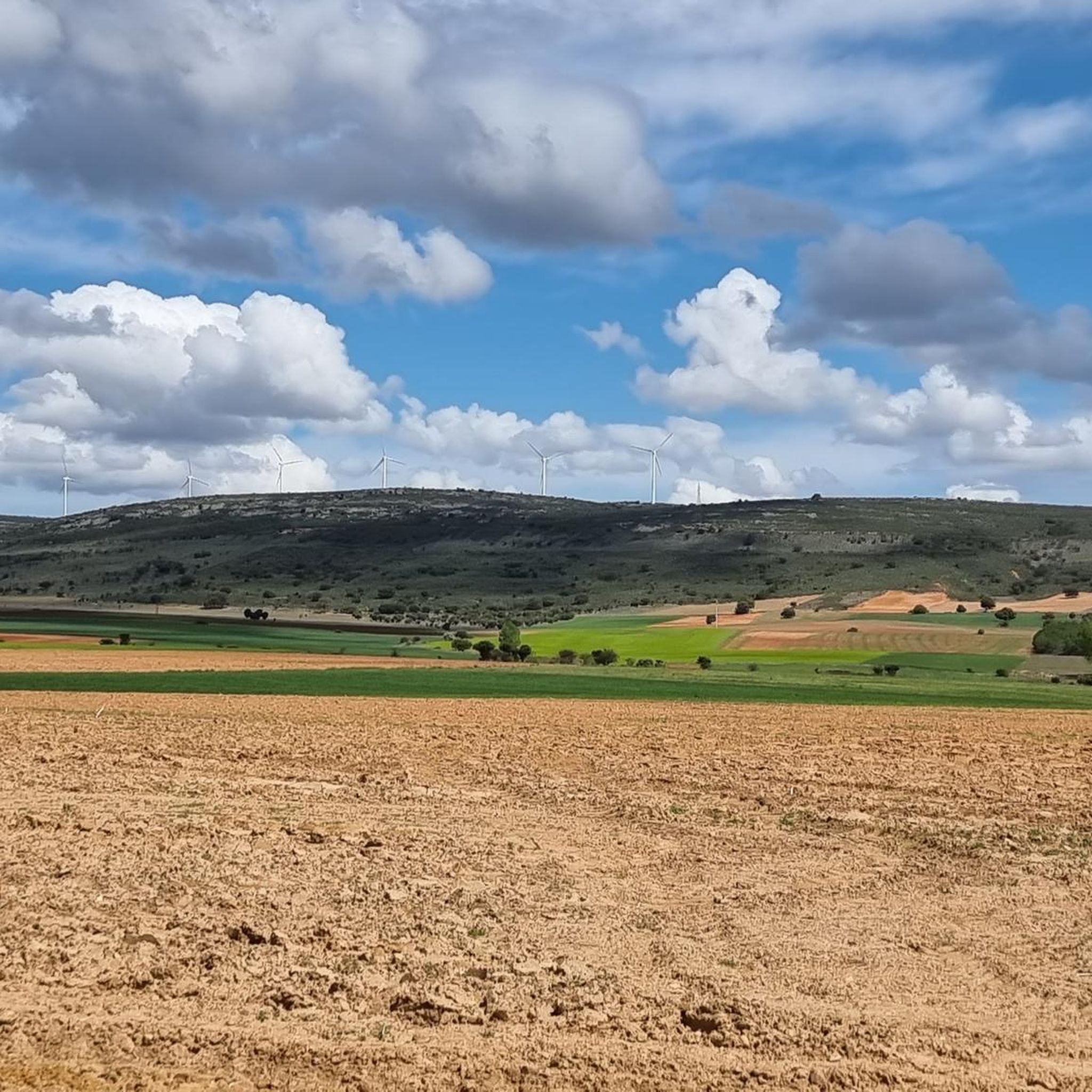
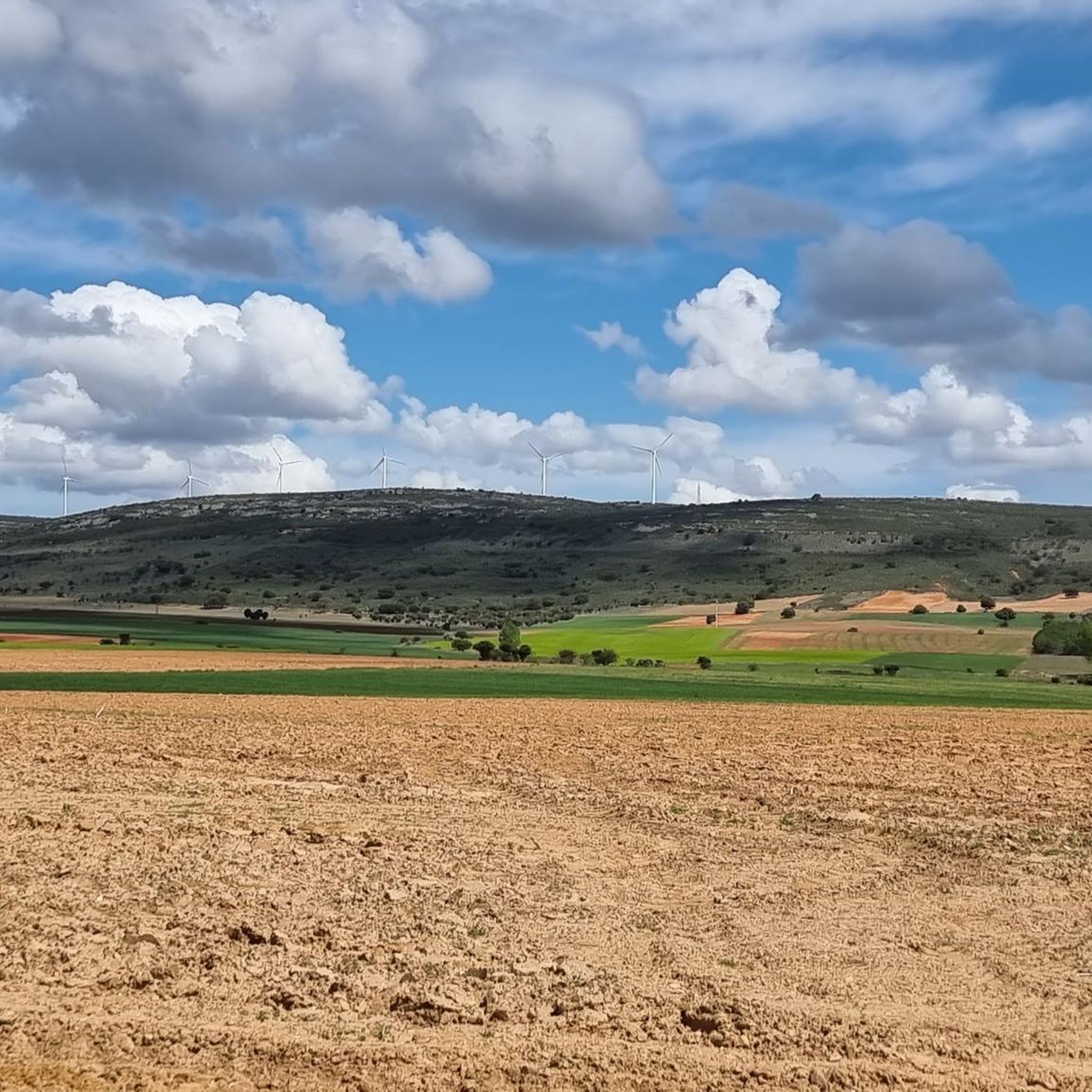
Hiking around Faramontanos De Tábara offers exploration of a natural setting within the province of Zamora, Spain. The region features diverse ecosystems with holm oaks, pines, gall oaks, ash trees, and willows. It is situated on the slopes of the Sierra de las Cavernas and near the Arroyo de la Burga, characterized by a mosaic of fields and gentle hills. Proximity to the Esla River reservoir and its inclusion in the Camino de Santiago Sanabrés further define the landscape.
Best…
Last updated: July 4, 2026
2
hikers
6.58km
01:49
110m
110m
Easy hike. Great for any fitness level. Easily-accessible paths. Suitable for all skill levels.
2.0
(1)
6
hikers
7.83km
01:59
20m
20m
Easy hike. Great for any fitness level. Easily-accessible paths. Suitable for all skill levels.

Sign up for free
2.0
(1)
5
hikers
8.03km
02:03
30m
30m
Moderate hike. Good fitness required. Easily-accessible paths. Suitable for all skill levels.
4.0
(1)
1
hikers
21.6km
05:39
170m
170m
Hard hike. Very good fitness required. Easily-accessible paths. Suitable for all skill levels.
Moderate hike. Good fitness required. Easily-accessible paths. Suitable for all skill levels.
Get access to more routes and recommendations from other explorers.
Sign up for free
Already have an account?
Our route recommendations are based on thousands of hikes, rides, and runs completed by other people on komoot.
Start today with a free account
Your next adventure awaits.
Login or Signup
Popular around Faramontanos De Tábara
Tips from the Community

Wonderful view, sure-footedness and good shoes are important. Better not to go when it's raining.
0
1

This monastery complex, where Cistercians once prayed and worked day after day, even as a ruin still provides impressive evidence of the magnificent architecture. This monastic order (the order's Latin name is "Ordo Cisterciensis") takes its name from the French town of Citeaux in Burgundy, where the first monastery was founded in 1098. It is a reform branch of the Benedictines.
3
1
Even if we always use the term “St. James Way” in the singular in the German language, there is no such thing as “one”. Rather, it is a network of many Ways of St. James that runs through several European countries and then concentrates on a few main routes in Spain (the most famous is the "Camino Frances", which leads from the Pyrenees through the north of Spain). However, in order to get from the south of Spain to Santiago de Compostela in Galicia, a different route is required, which JavierCR and DennisKe have already described briefly.
2
0

Leaving Granja de Moreruela you reach an important crossing of the Vía de la Plata: towards the north, Astorga and the Camino Francés; Towards the northwest, Sanabria and Ourense. In which direction are you dreaming?
2
0
Spectacular stone bridge with 9 symmetrical arches that crosses the Esla River. It was built in 1920 to connect the trade route between the Zamora regions of Tierra de Campos and Tábara. The bridge is located on the Jacobean route known as Camino Mozárabe Sanabrés, which allows pilgrims to cross into Zamora and Galicia beyond.
3
1
On the west bank of the Esla River is the site of archaeological importance of El Castillon dating from the Bronze and Iron Ages. The views from up here are spectacular. You can understand why this site was selected for a settlement.
1
1
The Quintos bridge over the Esla river is located on the road between Zamora and Galicia. It unites the Zamora regions of Tierra de Tábara and Tierra de Campos, forming a link on the Camino de Santiago Sanabrés.
4
1
A short distance from the Quintos Bridge, you are following in the footsteps of many. This section next to the Esla river is part of the Jacobean route known as the Camino Mozárabe Sanabrés. Amazing walk on the path between the rock formation and the river landscape.
2
0
Frequently Asked Questions
How many hiking trails are available around Faramontanos De Tábara?
There are 7 hiking trails around Faramontanos De Tábara, offering a variety of experiences for different skill levels. You can find 3 easy routes, 2 moderate routes, and 2 difficult routes.
What kind of landscapes can I expect to see while hiking in Faramontanos De Tábara?
The region features diverse ecosystems with holm oaks, pines, gall oaks, ash trees, and willows. You'll hike on the slopes of the Sierra de las Cavernas, near the Arroyo de la Burga, and through a mosaic of fields and gentle hills. Many routes also follow the Esla River, offering pleasant riverside scenery.
Are there any easy hikes suitable for beginners or families?
Yes, there are several easy routes. For example, the Río Esla from Puente Quintos – circular by Camino Mozárabe Sanabrés is an easy 6.6 km trail that takes about 1 hour 49 minutes. Another accessible option is the Cistercian Monastery of Santa Maria from Granja de Moruela, an easy 7.8 km path leading to a historic site.
Can I find circular hiking routes in the area?
Yes, several circular routes are available. The Río Esla from Puente Quintos – circular by Camino Mozárabe Sanabrés is a popular circular option. Another is the Camino Sanabrés and Moreruela Monastery Loop, which is a moderate 8.0 km loop.
What historical or cultural points of interest can I explore while hiking?
The region is rich in history. You can visit the historic Cistercian Monastery of Santa Maria, which is a destination for routes like the Cistercian Monastery of Santa Maria from Granja de Moruela. The area is also part of the Camino de Santiago Sanabrés, and you can find highlights like the Junction of Camino Sanabrés and Via de la Plata. The village itself has traditional rural architecture, including mills and dovecotes, and the 13th-century Church of San Martín.
Are there any notable bridges or river features to see?
Yes, the Esla River is a prominent feature. You can see the Quintos Bridge Over the Esla River and the Stone Bridge over the Esla River. Many trails, such as the Río Esla from Puente Quintos – circular by Camino Mozárabe Sanabrés, follow the river, offering scenic views.
What do other hikers say about the trails in Faramontanos De Tábara?
The trails in Faramontanos De Tábara are generally well-regarded by the komoot community, with an average rating of 3.0 stars. Hikers often appreciate the quiet woodlands, gentle hills, and the historical significance of routes like those along the Camino Sanabrés.
Are there any long-distance or more challenging hikes available?
For those seeking a longer and more challenging experience, the Camino Sanabrés: Moreruela Monastery Loop is a difficult 21.6 km trail, typically taking around 5 hours 39 minutes to complete. This route offers a more extensive exploration of the region's varied terrain.
What kind of wildlife might I encounter?
The diverse ecosystem, with its holm oaks, pines, and other trees, provides opportunities for spotting wild fauna. The wooded areas and proximity to the Esla River reservoir create habitats for various species, making wildlife observation a possibility during your hike.
Is Faramontanos De Tábara part of the Camino de Santiago?
Yes, Faramontanos De Tábara is situated on the Camino de Santiago Sanabrés, offering a unique blend of spiritual journey and natural exploration. Several routes, such as the Camino Sanabrés and Moreruela Monastery Loop, incorporate sections of this historic pilgrimage path.
Are there any viewpoints or scenic spots along the trails?
While specific viewpoints are not detailed for every trail, the region's landscape of gentle hills and river valleys naturally offers scenic vistas. The Mirador de la Sierra de la Culebra, mentioned in regional research, provides panoramic views of the surrounding natural beauty, and routes along the Esla River offer picturesque riverside scenery.
Most popular routes around Faramontanos De Tábara
Most popular attractions around Faramontanos De Tábara

Get inspired with the komoot mobile app


Explore more
Browse the best Hikes in other regions.
