The best road cycling routes around Vegalatrave
60
riders
2
rides
Road cycling routes around Vegalatrave traverse the Zamora province, an area characterized by open plains and rolling hills. The region offers expansive "big sky country" views, with routes often following quiet rural roads. Cyclists can encounter sections of the historic Vía de la Plata, an ancient Roman road, providing diverse terrain and cultural immersion. The landscape includes river valleys, such as those formed by the Douro, offering varied gradients for road cyclists.
Best road cycling routes around Vegalatrave
- The most…
Last updated: July 12, 2026
41
riders
93.0km
04:12
920m
920m
Hard road ride. Very good fitness required. Mostly well-paved surfaces and easy to ride.
5
riders
54.7km
02:41
660m
660m
Moderate road ride. Good fitness required. Mostly well-paved surfaces and easy to ride.

Sign up for free
7
riders
92.0km
04:27
1,250m
1,250m
Hard road ride. Very good fitness required. Some segments of this route may be unpaved and difficult to ride.
4
riders
40.9km
02:04
630m
630m
Moderate road ride. Good fitness required. Some segments of this route may be unpaved and difficult to ride.
3
riders
43.1km
02:04
520m
520m
Moderate road ride. Good fitness required. Mostly well-paved surfaces and easy to ride.
Our route recommendations are based on thousands of hikes, rides, and runs completed by other people on komoot.
Start today with a free account
Your next adventure awaits.
Login or Signup
Popular around Vegalatrave
Tips from the Community

Tábara is a Spanish municipality of about 830-950 inhabitants located in the province of Zamora, within the autonomous community of Castile and León. This small village stands at an altitude of 749 meters and is the capital of the Tierra de Tábara comarca. It represents a center of great historical-cultural importance, as well as being a fundamental stop for pilgrims traveling the Camino Sanabrésl
1
0

It spans the Duero River in Zamora (Castilla y León), connecting Avenida de Portugal (Pinilla neighborhood) with Calle de Salamanca in the city. The project began in 1882, with construction starting in 1892, under the direction of engineer Prudencio Guadalajara, to alleviate the overloading of the old Stone Bridge. Inaugurated in 1900, it represented a significant improvement in handling the growing traffic in the city. It was designed in steel, using a metal lattice structure of the St. Andrew's Cross type, typical of the late 19th century.
3
0
Tábara, located in the northwest of the province of Zamora (Castilla y León), is a town with a rich medieval history, a stunning natural setting, and a significant cultural heritage. Origins: These date back to the Bronze Age and Roman period. Middle Ages: It was an important monastic center with the Monastery of San Salvador de Tábara, founded by Saint Froilán in the 9th century at the behest of Alfonso III.
10
0

This bullring was built in 1875 and is the typical style you will find throughout Spain. It has space for about 10,000 spectators. It is an important part of Zamora and a festival is held here every June.
0
0
Here you will find a set of mills that use the water of the Duero River to grind locally grown cereals. They were built during medieval times.
0
0

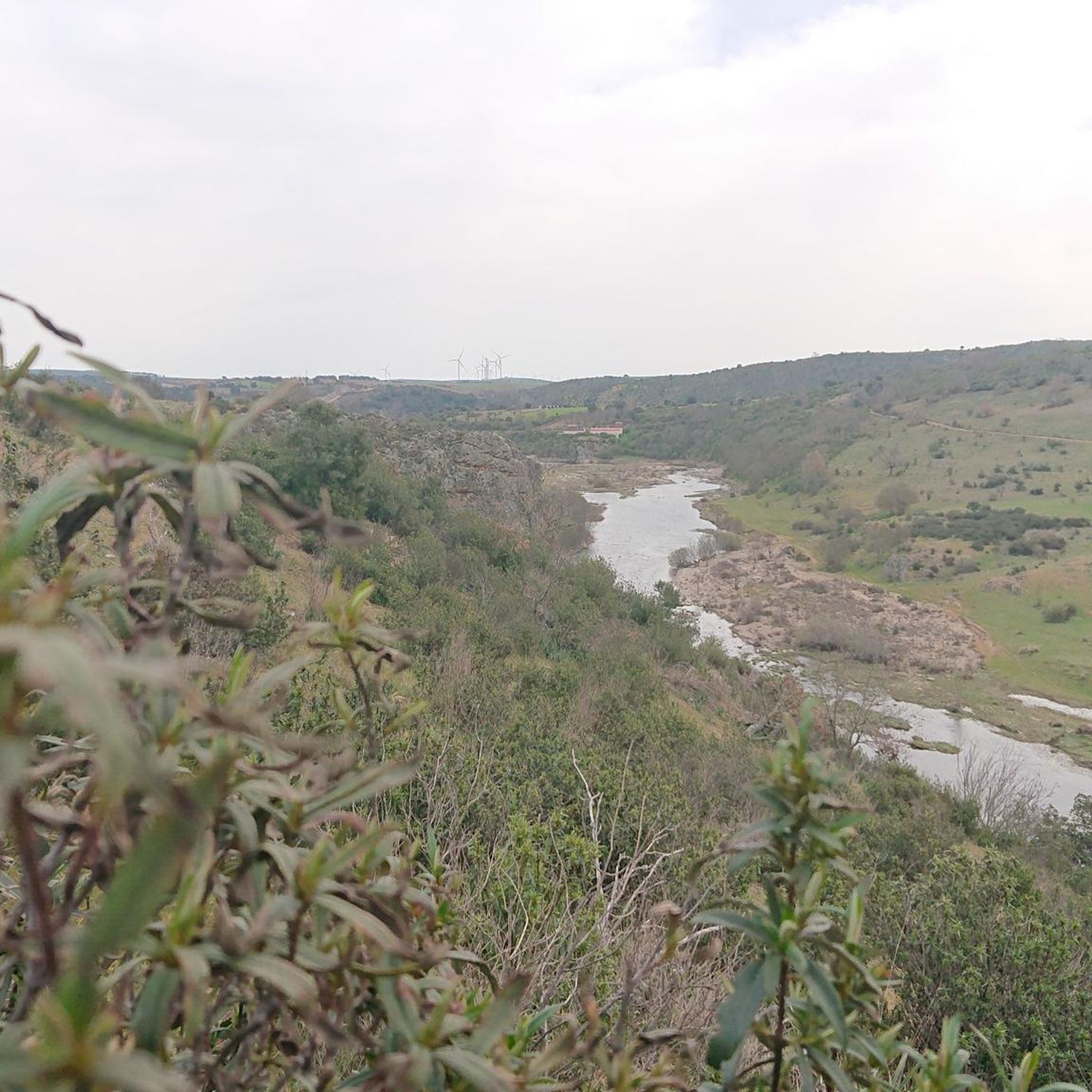
Fortress on a defensive hill that dominates the Aliste river. The ruined castle offers spectacular views of the river canyon.
1
0
The Poets Bridge is a modern bridge over the Duero River. The bridge gives you spectacular views of the city and the river landscape.
3
0
Las Aceñas de Olivares, are a group of water mills built during medieval times and were the first industrial buildings in the city. The water from the Duero River was used to grind locally grown cereals and grains.
1
0
Frequently Asked Questions
What types of road cycling routes can I find around Vegalatrave?
The Vegalatrave area, situated in Zamora province, offers a mix of road cycling routes characterized by open plains and rolling hills. You'll find routes that traverse quiet rural roads, some incorporating sections of the historic Vía de la Plata, and others following river valleys like the Douro. The terrain provides options for both moderate and difficult ability levels, with expansive 'big sky country' views.
Are there any challenging road cycling routes in the Vegalatrave region?
Yes, the region features several challenging road cycling routes. For instance, the Puente de los Poetas – Puente de Hierro de Zamora loop from Fonfría is a difficult 93.1 km route with over 900 meters of elevation gain. Another demanding option is the Alba Castle – Tábara loop from Fonfría, which covers 92.0 km and features significant elevation gain of over 1250 meters.
What are some moderate road cycling options near Vegalatrave?
For those seeking moderate challenges, routes like the Tábara loop from Olmillos de Castro offer a 54.7 km ride through rolling hills and open countryside. Another good choice is the Valdoradas Bridge – Alba Castle loop from Olmillos de Castro, a 40.9 km route with over 600 meters of ascent, providing a balanced experience.
Are there any loop road cycling trails available around Vegalatrave?
Yes, many of the road cycling routes in the area are designed as loops, allowing you to start and finish in the same location. Examples include the difficult Puente de los Poetas – Puente de Hierro de Zamora loop from Fonfría, the moderate Tábara loop from Olmillos de Castro, and the Valdoradas Bridge loop from Carbajales de Alba.
What kind of scenery can I expect while road cycling in Vegalatrave?
The Vegalatrave region is known for its 'big sky country' with sweeping views across open landscapes. You'll cycle through rolling hills, quiet rural roads, and sections that follow river valleys. The routes often provide a sense of tranquility, passing through areas with historical significance, including parts of the ancient Vía de la Plata.
What historical or natural attractions can I see along the road cycling routes?
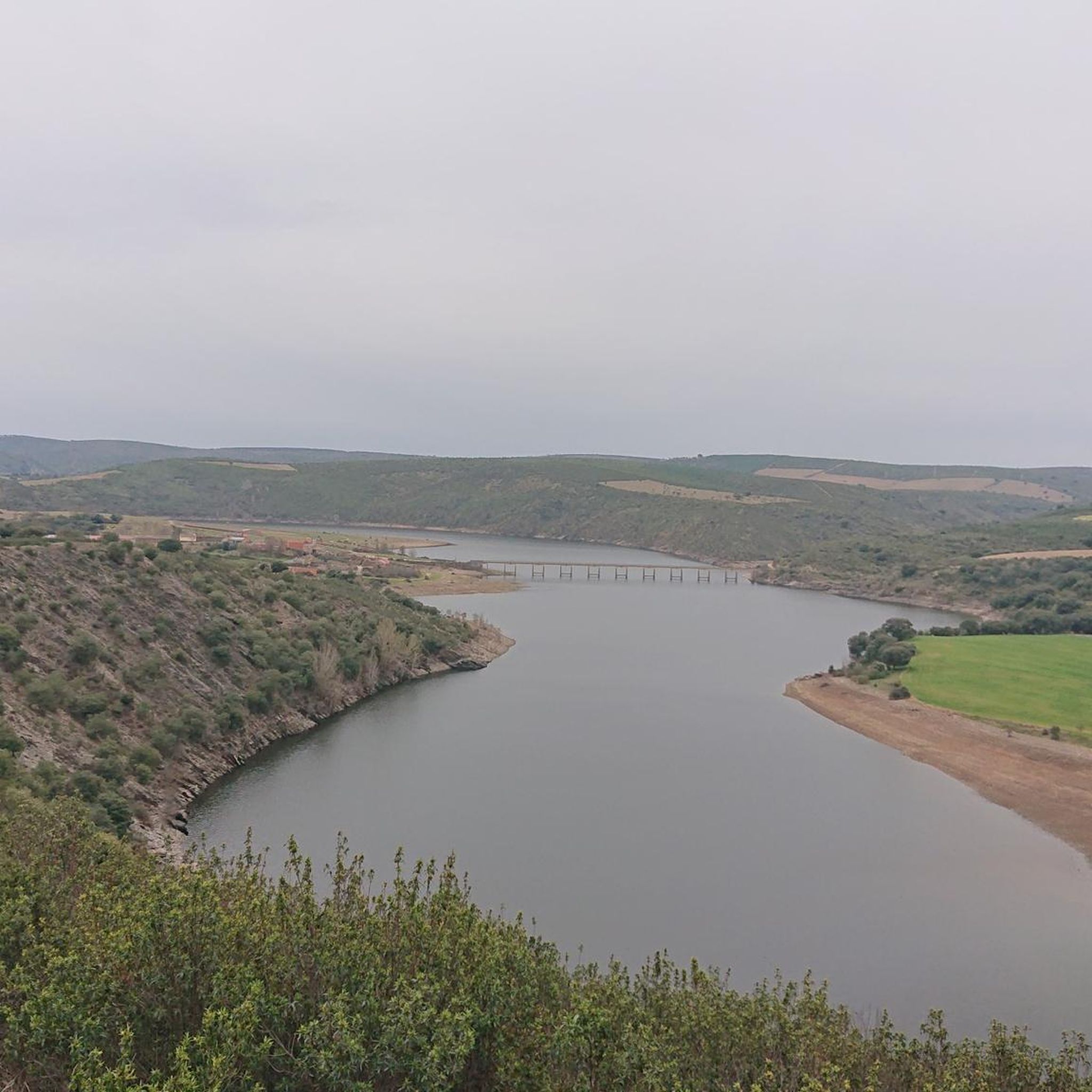
As you cycle, you might encounter several points of interest. Notable attractions include the historic Alba Castle, the picturesque Valdoradas Bridge, and the serene Aliste River in Vegalatrave. There's also the charming Losacino Bridge and the tranquil La Palia Waterfall to discover.
Are there any Vías Verdes (Greenways) suitable for road cycling in the wider Zamora province?
While specific Vías Verdes directly intersecting Vegalatrave are not detailed, the broader Zamora region is known to have sections of these converted railway lines. Vías Verdes offer smooth surfaces and are free from motorized traffic, making them ideal for relaxed cycling. The 'Vía de la Plata Greenway Loop' is mentioned as a cycling route in Zamora, suggesting such infrastructure is available in the wider area for a different cycling experience.
What is the best time of year for road biking in Vegalatrave?
Given the region's characteristics, spring and autumn generally offer the most pleasant conditions for road cycling in Vegalatrave. These seasons typically provide milder temperatures, making longer rides more comfortable. Summers can be hot, especially in the open plains, while winters might bring cooler temperatures, though the area is known for its sunny days.
How do the road cycling routes around Vegalatrave compare in terms of distance and elevation?
The routes vary significantly. For example, the difficult Alba Castle – Tábara loop from Fonfría is one of the longer options at 92.0 km with a substantial 1252 meters of elevation gain. Shorter, moderate routes like the Valdoradas Bridge loop from Carbajales de Alba cover around 43.1 km with about 519 meters of ascent, offering less demanding rides.
Are the road cycling routes around Vegalatrave generally less crowded?
The Vegalatrave area is characterized by quiet rural roads and a tranquil environment, suggesting that many of its road cycling routes are less crowded than those in more densely populated or highly touristed areas. This allows for a peaceful cycling experience, especially when exploring the open plains and rolling hills of the Zamora province.
What is the overall difficulty level of road cycling in Vegalatrave?
The road cycling network around Vegalatrave offers a range of difficulties. While there are no easy routes listed, you can find several moderate options, such as the Tábara loop from Olmillos de Castro. For experienced cyclists, there are also challenging routes like the Puente de los Poetas – Puente de Hierro de Zamora loop from Fonfría, which feature significant elevation gains and longer distances.
Most popular routes around Vegalatrave
Most popular attractions around Vegalatrave

Get inspired with the komoot mobile app


Explore more
Browse the best Road cycling routes in other regions.
