Attractions and Places To See around Llano De Bureba - Top 20
Best attractions and places to see around Llano De Bureba offer a blend of historical sites and natural landscapes within the Burgos province. This region features extensive cultivated plains and is surrounded by mountain ranges, providing diverse points of interest. Llano De Bureba is known for its rural Spanish culture, including ancient churches and traditional wineries. The area provides opportunities to explore both man-made monuments and unique natural features.
Best attractions and places to see around Llano De Bureba
- The…
Last updated: July 7, 2026
Red Rock Valley
Highlight • Gorge
Translated by Google •
Tip by

Poza de la Sal
Highlight • Settlement
Translated by Google •
Tip by
Sign up now to discover places like this
Get recommendations on the best single tracks, peaks, & plenty of other exciting outdoor places.
Sign up for free
Church of San Cosme and San Damian
Highlight • Religious Site
Translated by Google •
Tip by

Royal Salt Warehouse Depot of Poza de la Sal
Highlight • Historical Site
Translated by Google •
Tip by

Town Hall Arch
Highlight • Monument
Translated by Google •
Tip by
Sign up for free to discover even more attractions around Llano De Bureba.
Sign up for free
Already have an account?
Start today with a free account
Your next adventure awaits.
Login or Signup
Tips from the Community

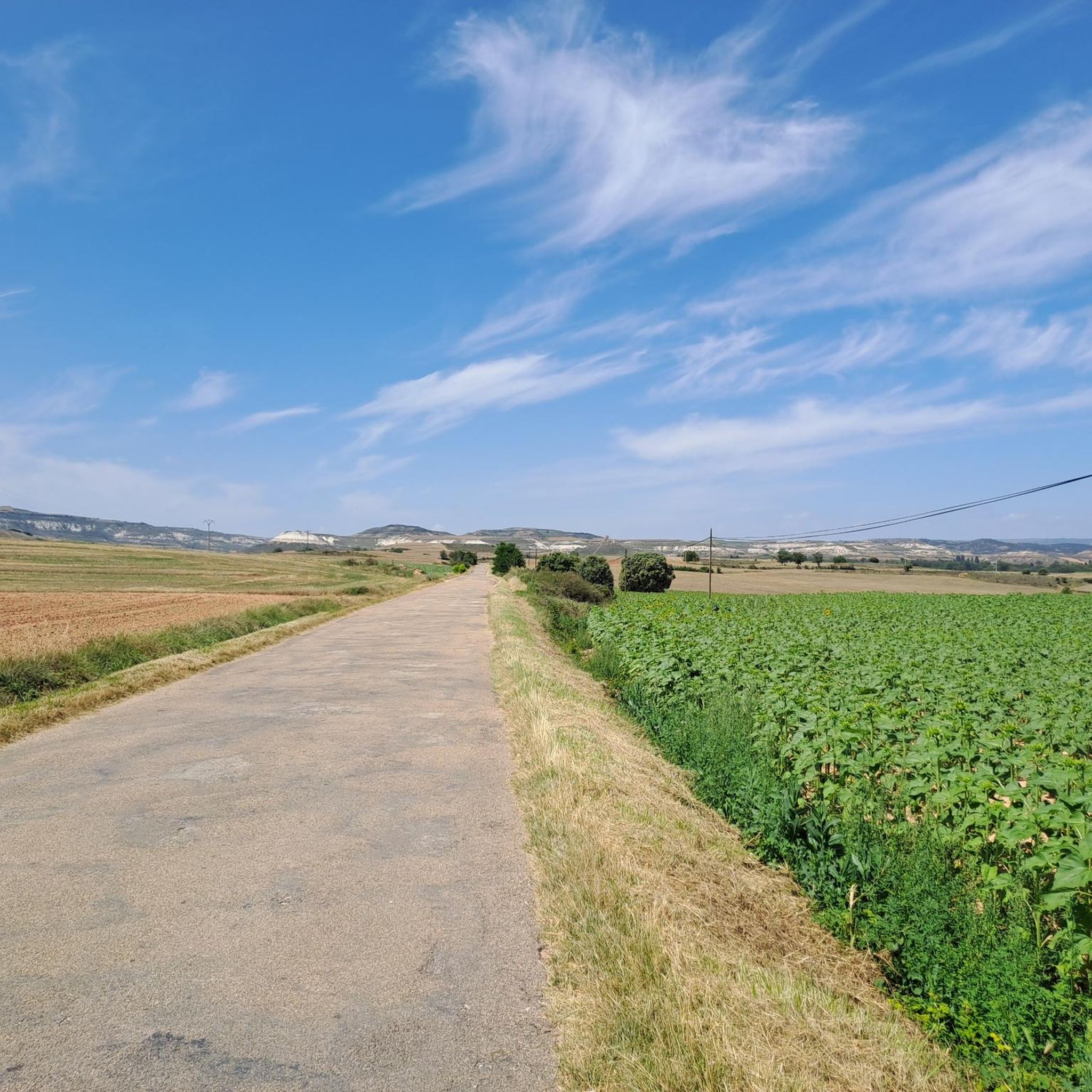
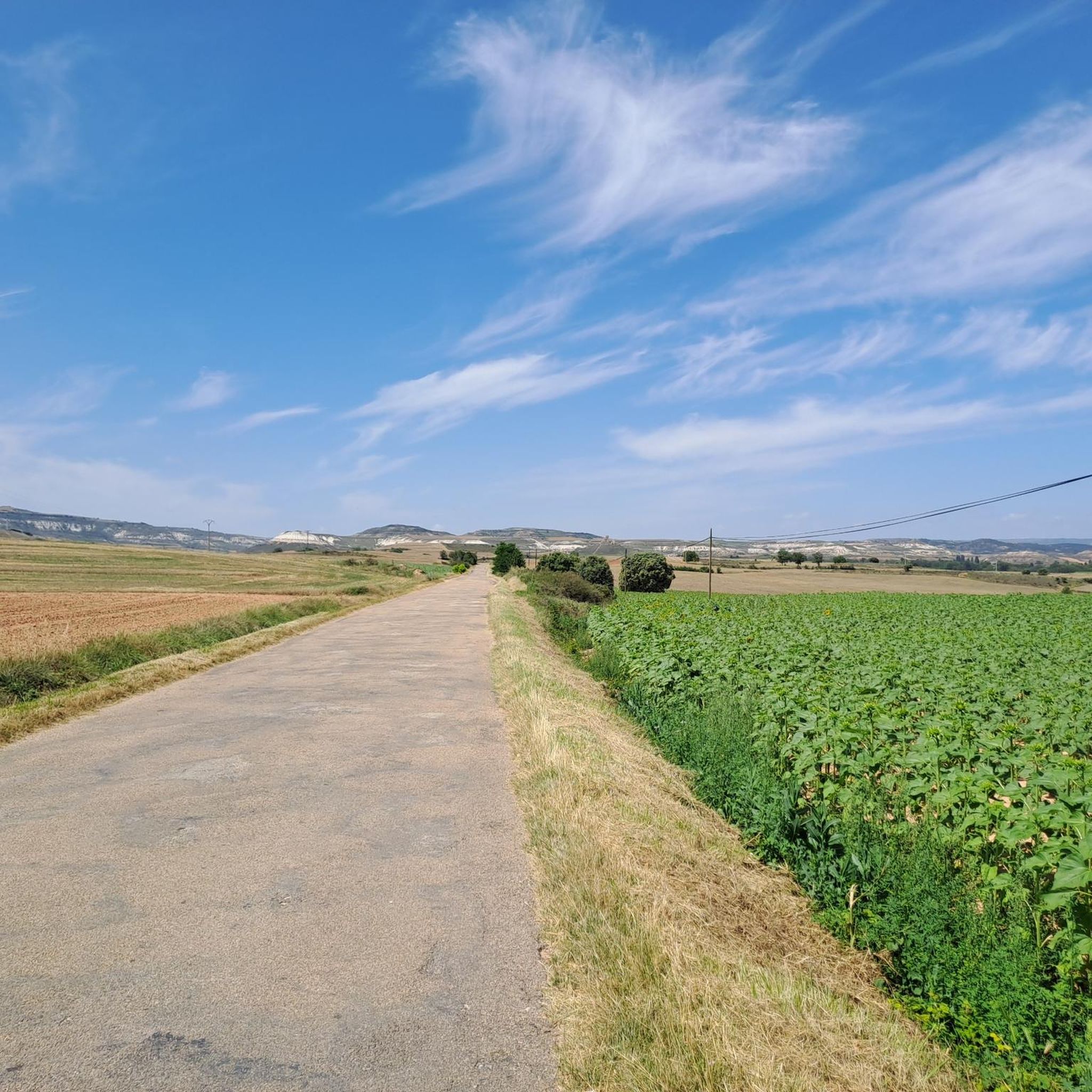
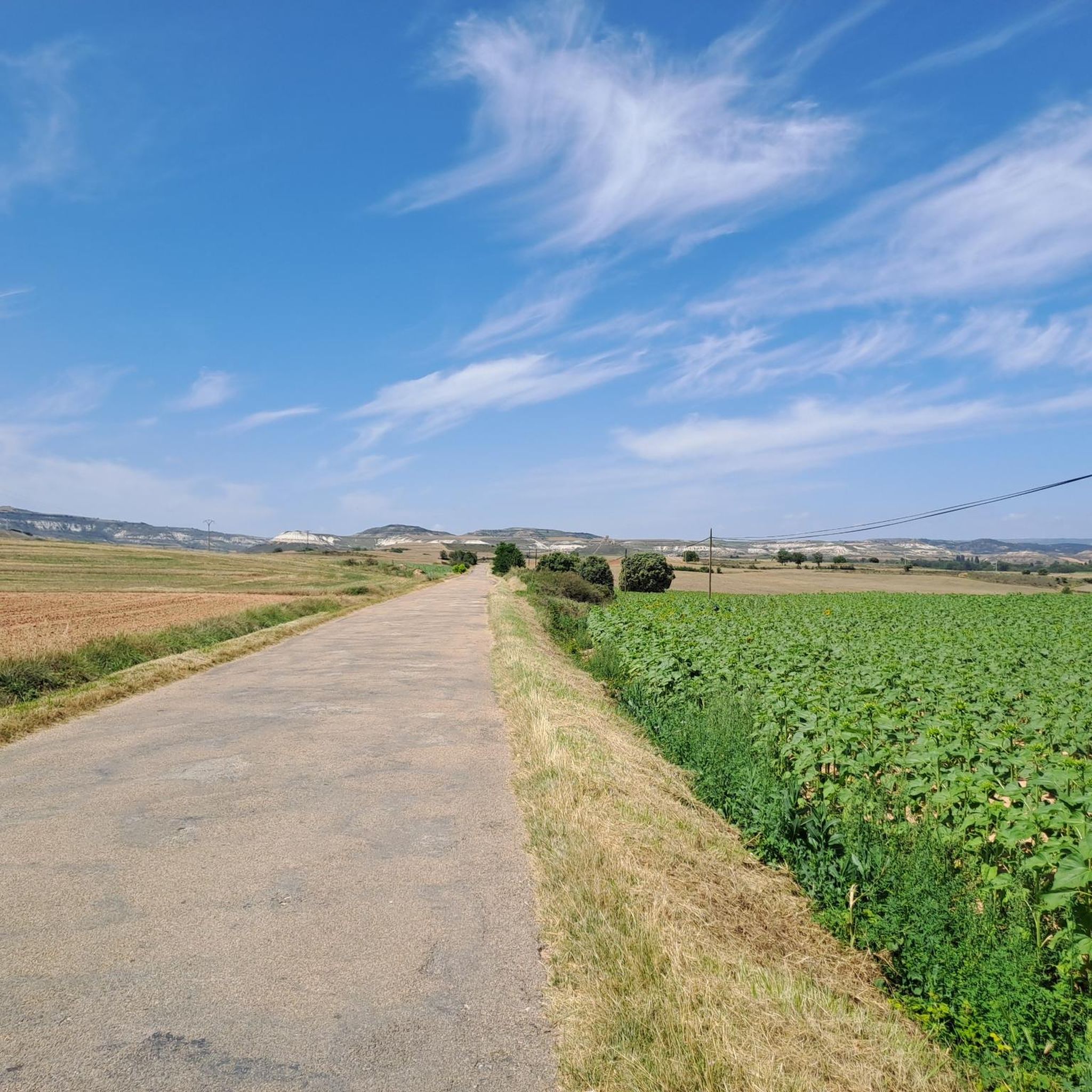
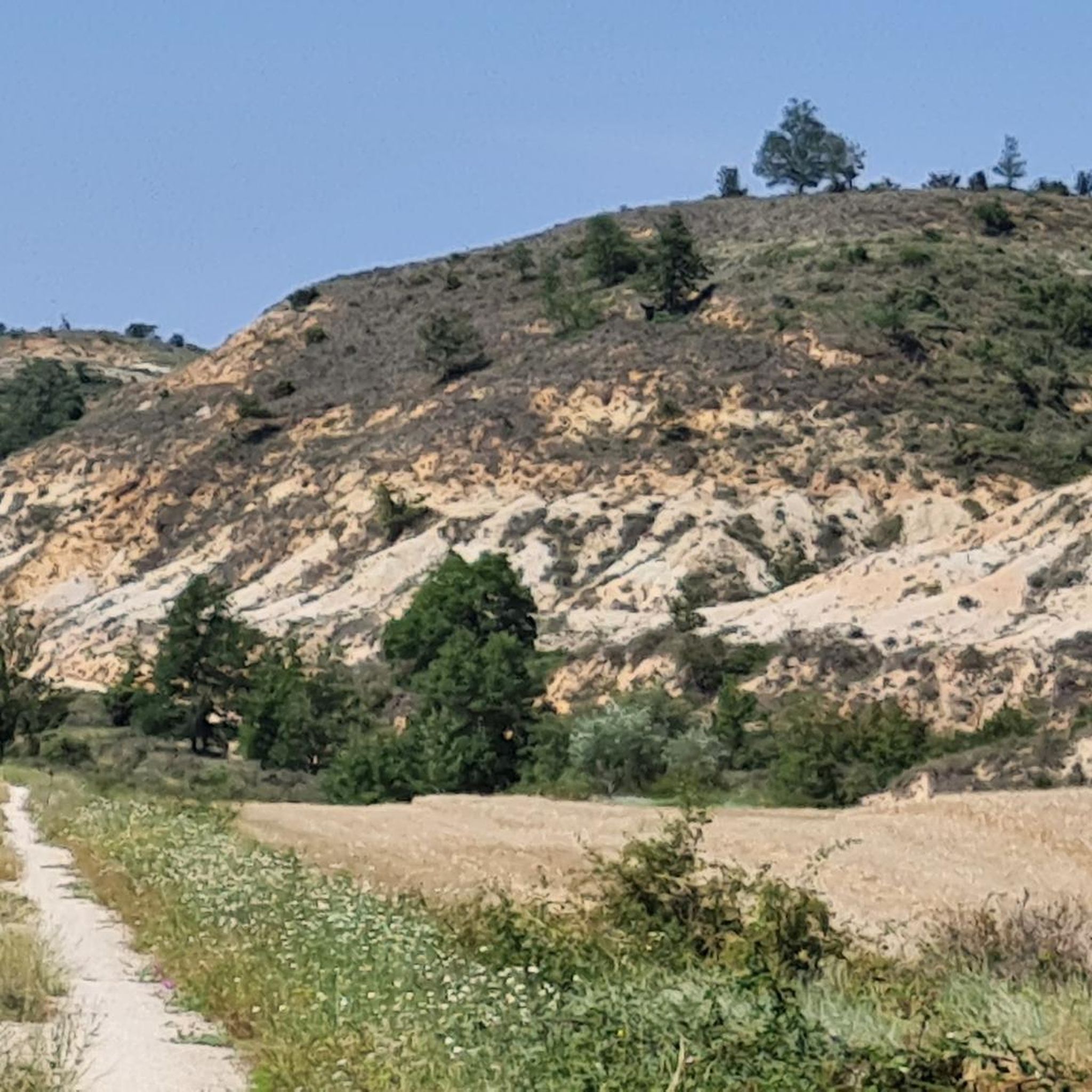
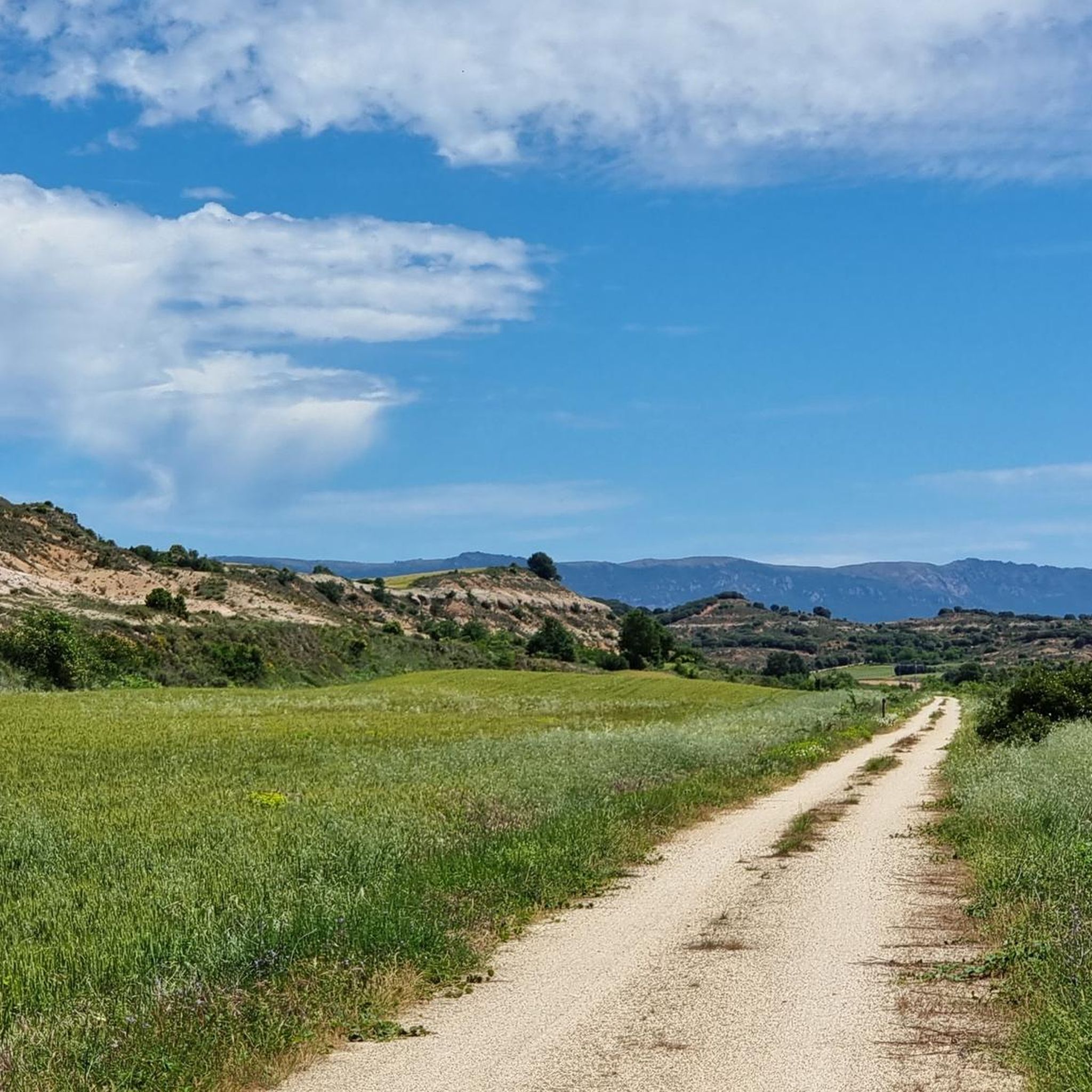
Beautiful landscape on the greenway with layers of different colors.
0
0

It is not the only one in town, but it is possibly the most beautiful.
1
0
Be sure to cross it if you visit the town.
2
0
Imposing and in the middle of this beautiful town.
2
0

Very beautiful views, on a sunny day.
1
0

The building is an excellent example of industrial architecture of the period, although it is now in ruins. It is located in front of the salt flats and next to the road (we can get a good view of them from this place). As we can read on the page of the Poza de la Sal Town Hall, it is "an excellent example of this type of architecture and proof of the importance that the salt industry reached, are the three Royal Salt Warehouses that can still be seen, although in ruins, at the ends of the Salt Cellar. They are known as: El Depósito, Trascastro and La Magdalena. These last two receive their name from the valley in which they were built and present as main construction characteristics the masonry and masonry fabric, semicircular access openings, and their large dimensions, with a double function: storage and room. El Depósito is the oldest building, erected during the reign of Felipe II, while the construction of Trascastro and La Magdalena was ordered and financed by the Royal Treasury of the Bourbons on the threshold of the 19th century, during the reign of Carlos IV, once the Administration House of the Reales Salinas has been completed."
0
0

The Church of Poza de la Sal is an example of early Gothic architecture with a Baroque façade. Its construction dates from the end of the 14th century and the beginning of the 15th, although the temple underwent numerous reforms in the 17th and 18th centuries.
1
0

The town of Poza de la Sal deserves a slightly longer visit. If you pass through here, do not hesitate to walk through its alleys and see its most emblematic places of interest: the medieval wall that surrounds the town and which is mostly preserved, and also its three gates (Puerta de las Eras, the Conjuradero, that of the City Hall), the church of San Cosme and San Damián, which is the heart of the urban area, the Administration House of the Reales Salinas and the City Hall building, among others. The name and fame of the town comes from its salt mines, which have been exploited since before Roman times.
4
0
Frequently Asked Questions
What historical and cultural sites can I explore in Llano de Bureba?
Llano de Bureba is rich in history. You can visit the Romanesque-style Church of San Cosme and San Damian in Poza de la Sal, an early Gothic church with a Baroque façade. The village itself is home to the ancient Poza de la Sal, with its medieval wall and impressive Town Hall Arch. Don't miss the traditional Royal Salt Warehouse Depot of Poza de la Sal, reflecting the region's salt mining heritage, and the historic Iglesia de San Martín, dating back to the 8th or 9th century, known for its robust rural Romanesque style and Renaissance altarpiece.
Are there any natural attractions or scenic viewpoints in the area?
Yes, the region offers beautiful natural features. The Red Rock Valley is a notable gorge with curiously colored landscapes, offering incredible views, especially from the Santander-Mediterranean Greenway that passes through it. The wider Comarca de La Bureba is characterized by extensive cultivated plains and is surrounded by mountain ranges, including the Montes Obarenes, which feature abundant juniper, boxwood, and extensive forests of oak and pine.
What outdoor activities are available around Llano de Bureba?
The area around Llano de Bureba is excellent for outdoor enthusiasts. You can find numerous routes for hiking, cycling, and running. For detailed options, explore the Hiking around Llano De Bureba, Cycling around Llano De Bureba, and Running Trails around Llano De Bureba guides.
Are there family-friendly attractions in Llano de Bureba?
Absolutely! Many attractions are suitable for families. The Red Rock Valley offers scenic views that can be enjoyed by all. Exploring the medieval town of Poza de la Sal, with its ancient walls and the impressive Town Hall Arch, can be an engaging experience for children. Additionally, the traditional bowling alley, La Bolera, doubles as a natural grass football field and includes a children's playground.
Where can I find hiking trails near Llano de Bureba?
You'll find a variety of hiking trails in the vicinity. Popular options include 'Las Salinas de Poza Trail' and the 'Santa Casilda Sanctuary and Santorcaz Loop'. For a comprehensive list of routes, including moderate options, check out the Hiking around Llano De Bureba guide.
What is the significance of the wineries in Llano de Bureba?
Llano de Bureba has a deep-rooted tradition of wine production. The village is home to 42 family-owned wineries, known as Las Bodegas, which are medieval-origin cellars excavated into rock or clay. Historically, Llano de Bureba was renowned for producing the best 'chacolí' wine in La Bureba, and some residents continue this tradition today, often using grapes from La Rioja and Ribera del Duero.
What is the best time to visit Llano de Bureba for outdoor activities?
The region experiences long, cold winters and short, cool summers. For outdoor activities like hiking and cycling, the cooler summer months or the milder periods of spring and autumn would generally be most pleasant, avoiding the consistent rainfall outside of summer. Always check local weather forecasts before your visit.
Are there any unique local traditions or sports in Llano de Bureba?
Yes, Llano de Bureba is known for its traditional bowling alley, La Bolera, which is used for the sport of 'Pasabolo Tablon'. This cultural highlight has even hosted Spanish championships and remains active, especially during the town's patron saint festivities, showcasing a unique local pastime.
Can I find cycling routes suitable for different skill levels?
The area offers cycling routes ranging from moderate to difficult. For example, the 'Town Hall Arch – Oña Historic Town Center loop from Poza de la Sal' is a moderate option, while others like 'Oña — circular from Poza de la Sal' are more challenging. You can explore all available routes and their difficulty grades in the Cycling around Llano De Bureba guide.
What is the 'El Moral' and why is it important to the village?
El Moral, or The Mulberry Tree, is an ancient black mulberry tree (Morus nigra) planted in 1845. It is a symbolic and emblematic feature of Llano de Bureba, originating from a branch planted eight years prior. For generations, it has served as a cherished recreational spot for the village's adolescents, embodying a connection to the community's past and natural heritage.
What do visitors particularly enjoy about the attractions near Llano de Bureba?
Visitors frequently praise the stunning natural beauty and historical significance of the area. The Red Rock Valley is loved for its 'curious color' and 'incredible views'. The medieval town of Poza de la Sal is appreciated for its well-preserved medieval wall and charming alleys, while the Town Hall Arch is noted for its 'impressive size and majesty'.
Most popular routes around Llano De Bureba
Most popular attractions around Llano De Bureba

Get inspired with the komoot mobile app


Explore more
Still not found the Highlight you’re looking for? See guides of the top attractions in other regions:
