Attractions and Places To See around Vega De Valdetronco - Top 9
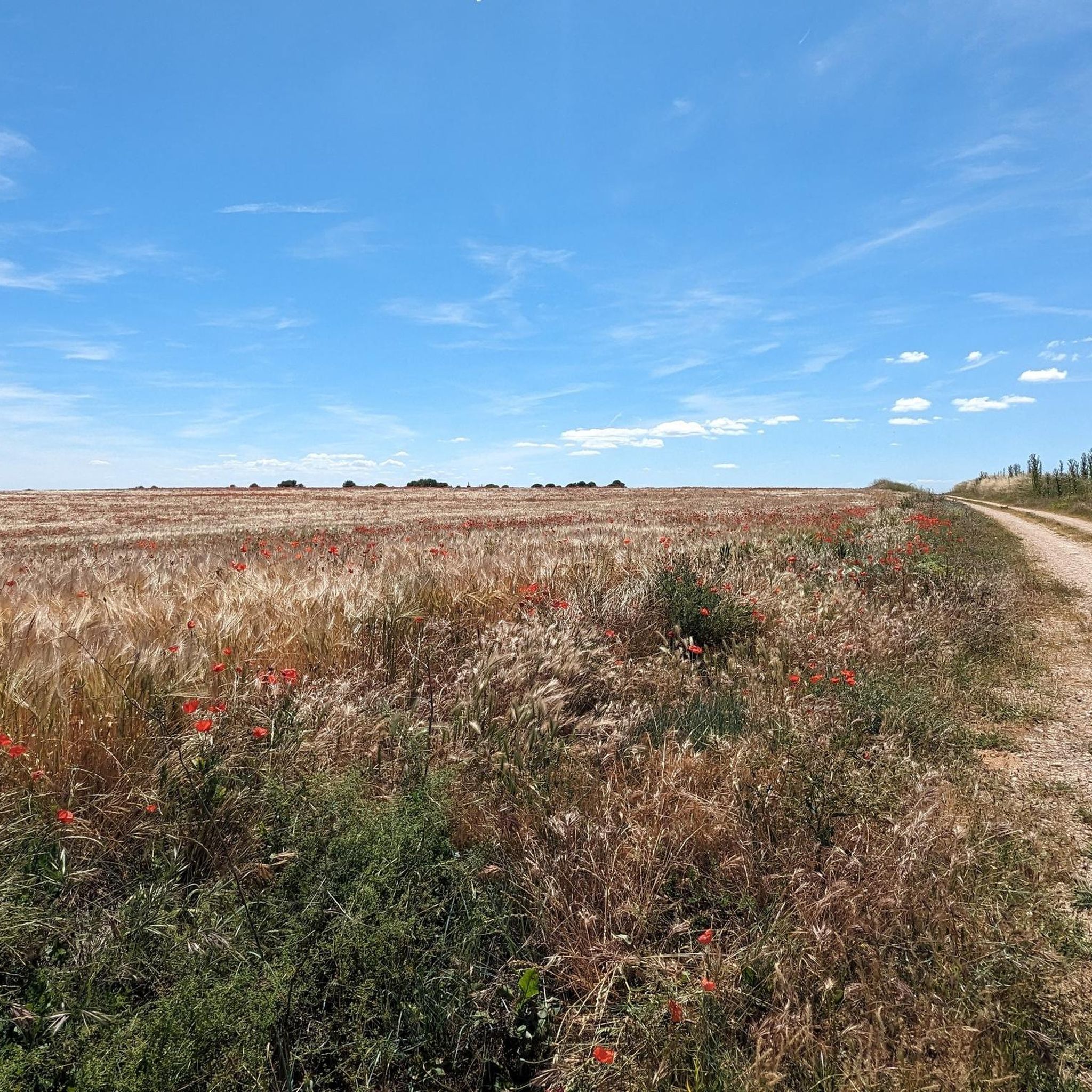
Best attractions and places to see around Vega De Valdetronco include a blend of historical architecture and natural landscapes. This small municipality in the province of Valladolid, Spain, is nestled within the Hornija Valley, offering a glimpse into rural Spanish life. The area features calcareous terrain, loamy and clay soils, and golden fields amidst the foothills of the Montes Torozos. Visitors can explore historical buildings and enjoy serene riverside scenery.
Best attractions and places to see around Vega De Valdetronco
…Last updated: July 12, 2026
Torrelobatón Castle
Highlight • Castle
Translated by Google •
Tip by

Church of San Cipriano of San Cebrián de Mazote
Highlight • Religious Site
Translated by Google •
Tip by

Sign up now to discover places like this
Get recommendations on the best single tracks, peaks, & plenty of other exciting outdoor places.
Sign up for free
Mota del Marqués
Highlight • Settlement
Translated by Google •
Tip by
Plaza Mayor de Torrelobatón
Highlight • Historical Site
The Town Hall building is also located in this square.
It is …
Translated by Google •
Tip by
Monument to the Comuneros
Highlight • Monument
Translated by Google •
Tip by

Sign up for free to discover even more attractions around Vega De Valdetronco.
Sign up for free
Already have an account?
Start today with a free account
Your next adventure awaits.
Login or Signup
Popular around Vega De Valdetronco
Tips from the Community

Well-preserved castle, interesting visit, and beautiful views of the Castilian countryside, especially in spring. Good trails for mountain biking.
1
0

On April 23, 1521, the so-called Battle of Villalar was fought on the outskirts of this town. It put an end to the War of the Communities of Castile, which pitted King Charles V against the Comuneros, peasants, nobles, ecclesiastics and bourgeois who had rebelled against the excessive tax pressure imposed by the monarch and the scant participation of Castile in imperial politics. In this battle, the comuneros Padilla, Bravo and Maldonado were captured and executed the following day. The monolith commemorates them.
1
0

The Castle of the Comuneros rises majestically above the Torozos Mountains, visible from several kilometers around. Located in Torrelobatón, in the province of Valladolid, this castle has become the symbol of the town and is one of the best preserved in Castilla y León. It was declared Historical Heritage in 1949. This imposing castle, a witness to history and struggle, remains a fascinating attraction for visitors. If you ever have the opportunity, I recommend exploring its walls and discovering the secrets it keeps in its centuries-old stone. 🏰
5
0
The Plaza Mayor of Torrelobatón has beautiful Castilian houses with arcades built in the 16th and 17th centuries. The Town Hall building is also located in this square. It is a space that breathes history and tradition, and its architecture transports us to past times.🏰🌸
3
0

Plaza Mayor of Torrelobatón and the town hall building. Go through the arch to see the castle on the hill above the city.
2
0
A magnificent and well-preserved 15th-century castle-fortress, Torrelobatón Castle, standing on a formidable hill, dominates the valley below.
1
1

The Castillo de los Comuneros de Torrelobatón, built in the 13th century, is an architectural treasure. It was built with the aim of monitoring the entire Hornija valley. This imposing castle-fortress was the scene of the Battle of Villalar and represents an important symbol of the resistance of the community members. Its robust walls and towers offer impressive views of the surroundings. Currently, the castle has become a place of tourist and cultural interest.
2
0
On the old road between Madrid and Benavente on the banks of the Bajoz River is the small historic town of Mota del Marqués. The remains of a fortified castle dominate the hill overlooking the village and the surrounding landscape. If you want to stop to rest, go to the gardens of the Palacio de los Ulloa.
1
1
Frequently Asked Questions
What historical sites can I explore around Vega de Valdetronco?
The region is rich in history. You can visit the Church of San Cipriano of San Cebrián de Mazote, a religious building of great historical importance. Another significant site is Mota del Marqués, a historical settlement with the remains of a fortified castle. Don't miss the Plaza Mayor de Torrelobatón, featuring beautiful 16th and 17th-century Castilian houses and arcades.
Are there any monuments commemorating significant historical events?
Yes, you can find the Monument to the Comuneros and the Monument to the Comuneros of Villalar. These monoliths commemorate the Battle of Villalar fought on April 23, 1521, which ended the War of the Communities of Castile, a pivotal event in Spanish history.
What natural features define the landscape around Vega de Valdetronco?
Vega de Valdetronco is nestled within the Hornija Valley, characterized by diverse terrain including calcareous upper parts and loamy, clay, and sandy soils further down. The village is also situated among the foothills of the Montes Torozos, offering a landscape of golden fields, gentle hills, cultivated areas, pastures, and small groves. Beautiful riverside scenery also adds to the natural charm.
What kind of outdoor activities can I do near these attractions?
The area around Vega de Valdetronco is excellent for road cycling. You can explore routes like the 'Comuneros Loop' or longer rides such as the 'Church of Santa María de Wamba – Geria Road loop'. For more options, check out the Road Cycling Routes around Vega De Valdetronco guide.
Are there family-friendly attractions in the area?
Many of the historical sites are suitable for families. For instance, Mota del Marqués and the Plaza Mayor de Torrelobatón are considered family-friendly, offering a glimpse into history in an accessible setting. The monuments to the Comuneros also provide an educational experience for all ages.
What is the main church in Vega de Valdetronco?
The main church in Vega de Valdetronco is the Church of San Miguel Arcángel. Built in the 18th century in the Baroque style, it features a lintelled doorway, a remarkable tower, and six Rococo altarpieces inside. It underwent a significant renovation in the 18th century.
Are there any other religious buildings or hermitages to see?
Besides the Church of San Miguel Arcángel, you can find the remains of the Hermitage of Our Lady of Canteces (Ermita de la Virgen de Canteces), also dating back to the 18th century. Though its stones were later used for the old cemetery, visitors can still admire its remaining arches and walls.
What do visitors enjoy most about the attractions around Vega de Valdetronco?
Visitors appreciate the blend of historical significance and natural beauty. Tips from the komoot community highlight the opportunity to cycle through cereal fields and visit historical churches like San Cipriano, explore fortified castle remains at Mota del Marqués, and experience the historical ambiance of places like Plaza Mayor de Torrelobatón with its traditional Castilian architecture.
Can I find places to rest or get supplies near the attractions?
Yes, if you visit Mota del Marqués, you'll find shops and bars where you can stock up or take a break. The village also offers the gardens of the Palacio de los Ulloa as a peaceful spot to rest.
What is the best time to visit Vega de Valdetronco for outdoor activities?
Given the region's climate, spring and autumn generally offer pleasant temperatures for exploring the historical sites and engaging in outdoor activities like road cycling. The golden fields and gentle hills are particularly scenic during these seasons.
Are there any historical ruins or ancient sites to explore?
Yes, the site of the Old Cemetery, now in ruins, is a testament to the village's long history. Additionally, the remains of the fortified castle at Mota del Marqués offer a glimpse into the area's past defenses.
Most popular routes around Vega De Valdetronco

Get inspired with the komoot mobile app


Explore more
Still not found the Highlight you’re looking for? See guides of the top attractions in other regions:
