Attractions and Places To See around Riego De La Vega - Top 20
Attractions and places to see around Riego De La Vega are found within the La Bañeza region of León, Spain, encompassing six distinct localities. This area is characterized by its connection to traditional agricultural practices and a tranquil natural environment. The landscape is shaped by the Tuerto, Peces, and Duerna rivers, alongside cultivated fields and oak forests. Visitors can explore historical sites, cultural landmarks, and natural features that reflect the region's heritage.
Best attractions and places to see around Riego…
Last updated: July 7, 2026
Cathedral of Saint Mary of Astorga
Highlight • Religious Site
Translated by Google •
Tip by

Episcopal Palace of Astorga (Gaudí Palace)
Highlight • Castle
Translated by Google •
Tip by
Sign up now to discover places like this
Get recommendations on the best single tracks, peaks, & plenty of other exciting outdoor places.
Sign up for free
The Garden of the Soul
Highlight • Rest Area
Translated by Google •
Tip by
Tengo Sed Pilgrim Statue
Highlight • Monument
It is located at the entrance to the town of San Justo de la Vega
Translated by Google •
Tip by
Gaudí Palace
Highlight • Castle
Translated by Google •
Tip by

Sign up for free to discover even more attractions around Riego De La Vega.
Sign up for free
Already have an account?
Start today with a free account
Your next adventure awaits.
Login or Signup
Tips from the Community

For me, this place is a piece of paradise on the Camino. Take a short break in the shade. Enjoy some of the delicacies (fruit, eggs, cake, etc.). In this atmosphere, it's easy to relax, rejuvenate, and move on more easily (and happier).
1
0

In the heart of Astorga, right next to the cathedral, lies one of the most unusual bishop's residences on the Iberian Peninsula: the Palacio Gaudi. It was designed and built by the famous Spanish architect of the same name (Antonio Gaudi, 1852-1926). A visit to the museum housed here is worthwhile both for the exhibits presented to visitors and, of course, for the imaginative architecture of the building.
0
0

The Bishop's Palace of Astorga is one of only three buildings that Antoni Gaudí built outside Catalonia.
3
0
In the heart of Astorga, right next to the cathedral, lies one of the most unusual bishop's residences on the Iberian Peninsula: the Palacio Gaudi. It was designed and built by the famous Spanish architect of the same name (Antonio Gaudi, 1852-1926). A visit to the museum housed here is worthwhile both for the exhibits on display and, of course, for the imaginative architecture of the building.
2
0

On June 24, 1889, the prelate's name day, the first stone was laid. They had planned to complete the work on the palace in June 1894, but the bishop died in 1893, and this event radically changed the course of the work, paralyzed by the hostility between Gaudí and the Diocesan Council. Finally, Antonio Gaudí resigned from his post as chief architect, very upset by the treatment he received. In 1905, D. Julián de Diego y Alcolea ruled the diocese of Astorga and tried to convince Gaudí to return to the works of the palace, but he did not succeed. Ricardo García-Guereta, diocesan of León, was appointed architect and completed the work on October 12, 1913, as bishop D. Julián de Diego y Alcolea
4
0
Cultural visit The Cathedral of Astorga is a temple that is forever engraved in the memory of those who visit it. It offers a fantastic tour explained through an audio guide system available in different languages. A visit also designed for the little ones, since the cathedral offers a fun audio guide for children.
5
0

Behind the city wall in the park you have a beautiful view of Gaudi's Pilgrimage Museum.
2
0

The sculpture pays tribute to the pilgrims and is intended to symbolize the traveler's thirst for knowledge, introspective quest and cultural fusion on the Camino de Santiago. It is located in the gardens of the Bajada del Crucero, next to an iron fountain from the early 20th century.
1
1
Frequently Asked Questions
What historical and cultural sites can I explore in Riego De La Vega?
Riego De La Vega is rich in history and culture. You can visit the Cathedral of Saint Mary of Astorga, an impressive Gothic monument, and the Episcopal Palace of Astorga (Gaudí Palace), a unique neo-Gothic building by Antoni Gaudí that now houses the Caminos Museum. Within the municipality, explore the Santuario de Castrotierra, known for its traditional 'rogativas con pendones' and the Centro de Interpretación de Pendones. Don't miss the Mudejar artesonado churches in Riego de la Vega and San Félix de la Vega, or the Museo de la Molienda in Riego de la Vega, which showcases the region's milling heritage.
Are there any family-friendly attractions around Riego De La Vega?
Yes, several attractions are suitable for families. The Cathedral of Saint Mary of Astorga and the Episcopal Palace of Astorga (Gaudí Palace) are both listed as family-friendly. The Garden of the Soul offers a pleasant resting spot for all ages, and the Tengo Sed Pilgrim Statue is an interesting stop. Exploring the restored water mills in Toralino, San Félix, and Riego can also be an engaging activity for families.
What natural features define the landscape of Riego De La Vega?
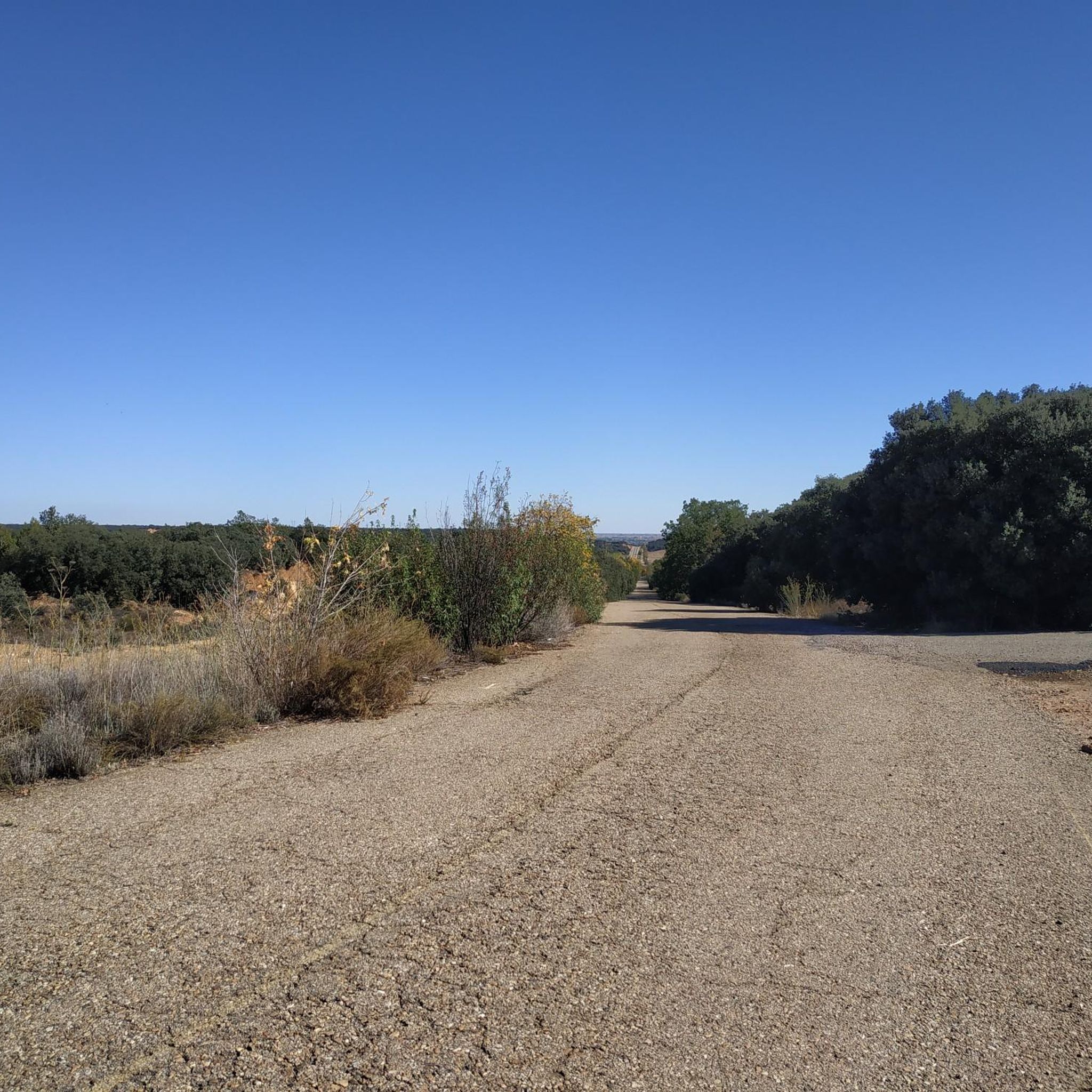
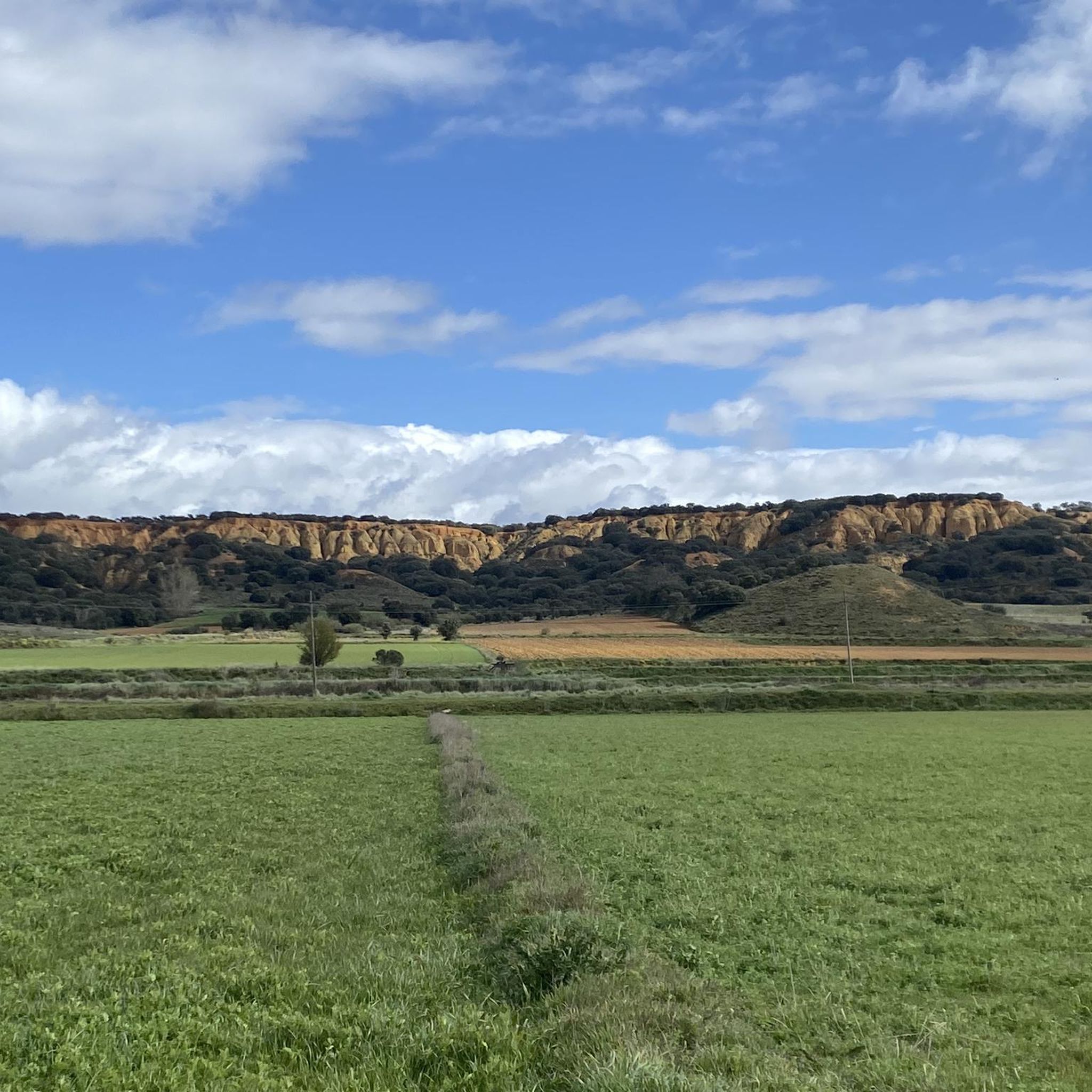
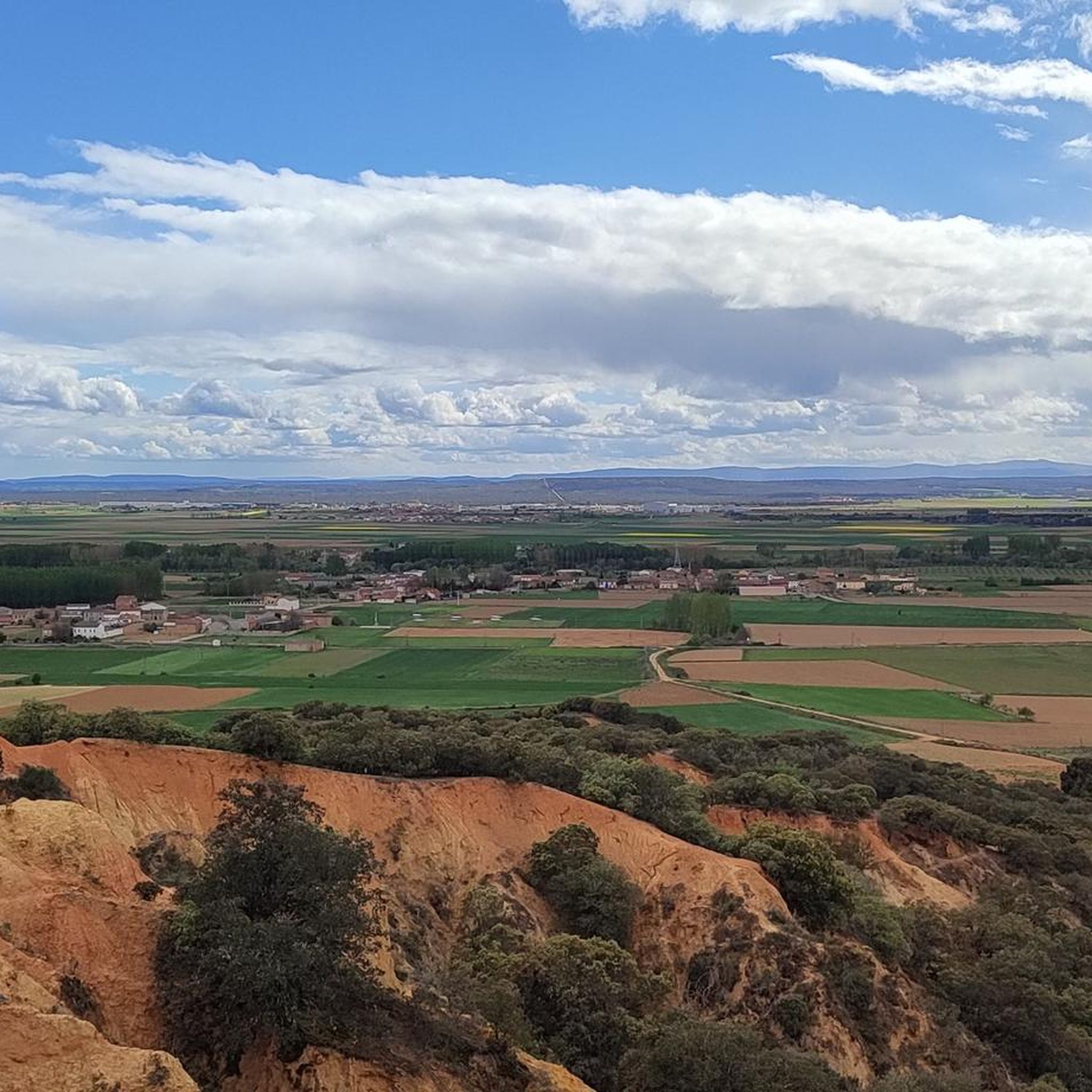
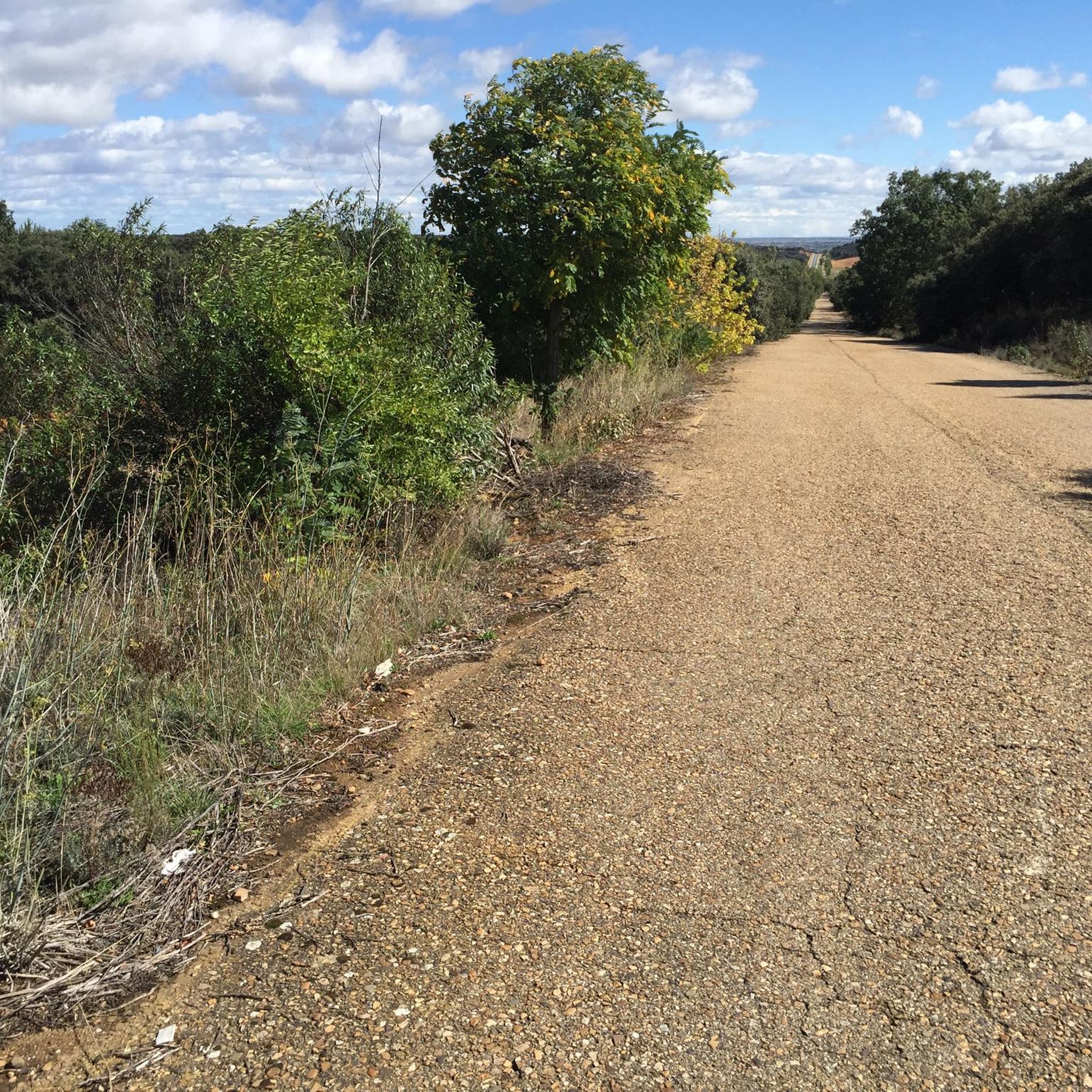
The landscape of Riego De La Vega is characterized by the Tuerto, Peces, and Duerna rivers, which are lined with lush riparian vegetation, including alder and poplar trees. You'll also find a mix of cultivated fields, traditional orchards, and beautiful oak forests in areas like Riego, Castrotierra, Toralino, and Toral. This blend creates a tranquil natural environment ideal for peaceful walks and observing local wildlife such as white storks and kites.
What outdoor activities can I do near these attractions?
The region around Riego De La Vega is perfect for various outdoor activities. You can enjoy hiking, cycling tourism, or peaceful walks through the agricultural and natural environments. For specific routes, consider exploring the hiking trails around Riego De La Vega, the MTB trails, or the running trails available in the area.
Are there hiking trails near Riego De La Vega, and what are their difficulties?
Yes, there are several hiking trails. Options include the easy 'Ribera del río Órbigo – circular desde Soto de la Vega' (5.3 km) and 'Santo Toribio Cross and French Way Loop' (5.2 km). For a moderate challenge, try 'Vía de la Plata and Bazán Castle Loop' (13.6 km) or 'La Bañeza — circular by the río Órbigo' (10.1 km). A more difficult option is 'Riego de la Vega from Valderrey — circular by the Torcas de Barrientos' (24.3 km). You can find more details on these and other routes in the hiking guide for Riego De La Vega.
Can I find any unique architectural sites in the area?
Absolutely. The Episcopal Palace of Astorga (Gaudí Palace) is a prime example of unique neo-Gothic architecture by Antoni Gaudí. Within Riego de la Vega itself, the churches in Riego and San Félix de la Vega feature singular examples of Mudejar artesonado (carved wooden ceilings), forming part of a significant regional route.
What is the Vía de la Plata, and how can I experience it near Riego De La Vega?
The Vía de la Plata is an ancient historical Roman road that traverses the territory of Riego De La Vega. It offers a special appeal for history enthusiasts and hikers. You can experience a section of this historic route through the 'Vía de la Plata and Bazán Castle Loop' hiking trail, which is a moderate 13.6 km route. More information on routes that incorporate the Vía de la Plata can be found in the hiking guide.
Are there any places to rest or get refreshments while exploring?
Yes, particularly if you are following the Camino de Santiago. The Garden of the Soul is a highly recommended resting place that offers food and amenities for pilgrims to recuperate, including a rich selection of fruit, juice, coffee, and various snacks.
What is the significance of the Santuario de Castrotierra?
The Santuario de Castrotierra is a provincial landmark, deeply rooted in the region's traditions. It's famous for the 'rogativas con pendones,' colorful processions with banners. The sanctuary is built on a site where pre-Christian civilizations worshipped nature deities, with the Virgin of Castrotierra seen as an heir to an ancient rain goddess, linking its cult to agriculture. It also houses the Centro de Interpretación de Pendones.
What kind of wildlife can I expect to see in Riego De La Vega?
The natural environment of Riego De La Vega supports various wildlife. You might spot white storks nesting in bell towers and kites soaring gracefully over the cultivated fields. The riparian areas along the Tuerto, Peces, and Duerna rivers also provide habitat for small mammals, offering opportunities for discreet wildlife observation.
Are there any sites related to ancient settlements in the area?
Yes, the area holds evidence of ancient indigenous settlements known as 'castros' or fortified settlements. A notable example is on the hill of Castrotierra, believed to have been inhabited by the Orniacos tribe. Other localities like Riego, Toral, and Toralino also originated from settlements on high ground, reflecting the region's long history of human habitation.
What do visitors enjoy most about the attractions around Riego De La Vega?
Visitors particularly appreciate the unique architecture of the Episcopal Palace of Astorga (Gaudí Palace) and the historical significance of the Cathedral of Saint Mary of Astorga. The Garden of the Soul is highly praised for its welcoming atmosphere and amenities for travelers. Overall, the blend of rich history, cultural heritage, and tranquil natural landscapes, along with the opportunity for outdoor activities, makes the region appealing.
Most popular routes around Riego De La Vega

Get inspired with the komoot mobile app


Explore more
Still not found the Highlight you’re looking for? See guides of the top attractions in other regions:
