Attractions and Places To See around Ibdes - Top 20
Best attractions and places to see around Ibdes include a variety of historical, cultural, and natural sites. This region in the province of Zaragoza, Spain, is characterized by the Mesa River, which has carved out canyons and fertile lands. Visitors can explore ancient religious sites, impressive natural landscapes, and unique geological formations. The area offers a blend of historical landmarks and scenic natural features.
Best attractions and places to see around Ibdes
- The most popular attractions is La Caprichosa Waterfall…
Last updated: October 18, 2026
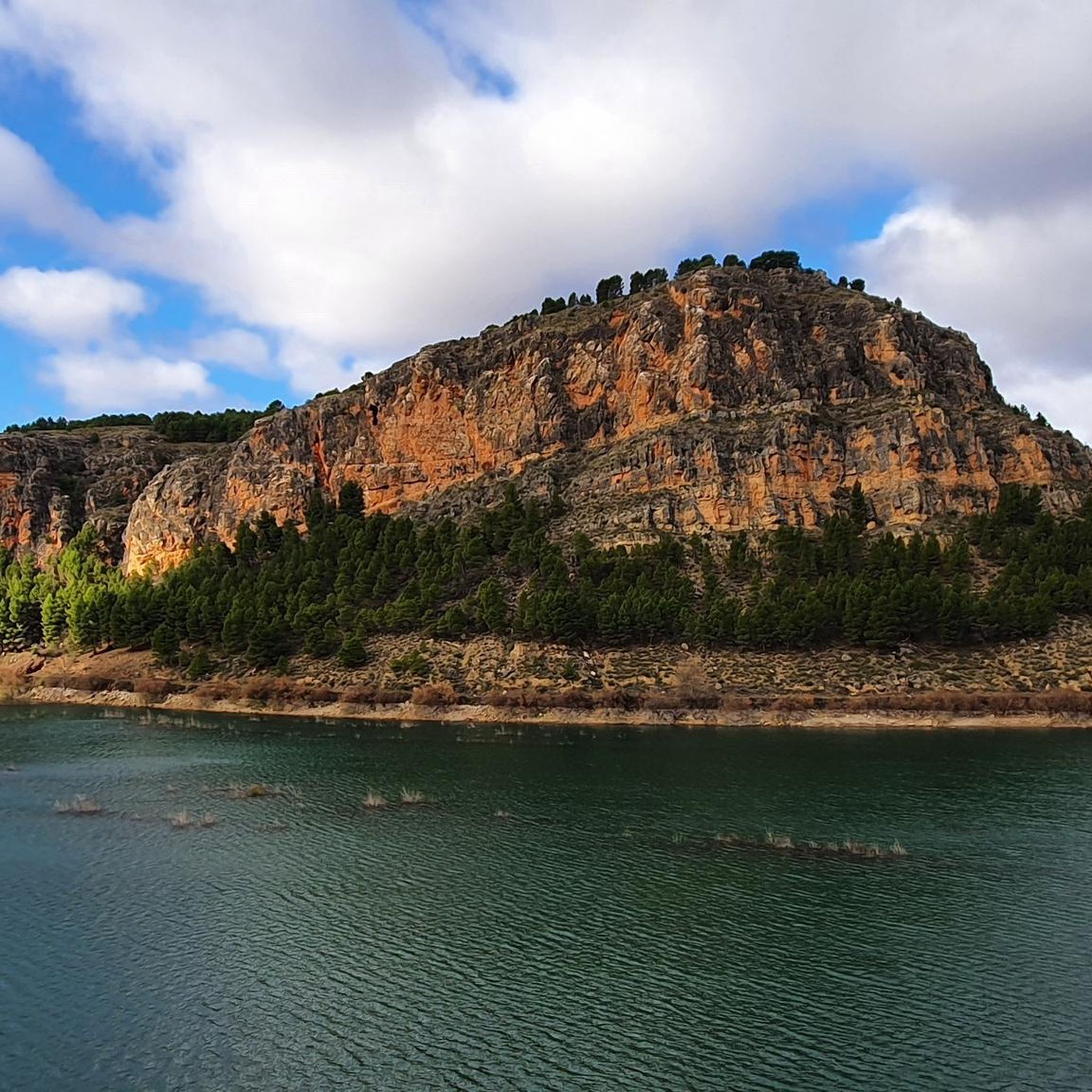
Sanctuary of the Virgin of Jaraba
Highlight • Religious Site
Translated by Google •
Tip by

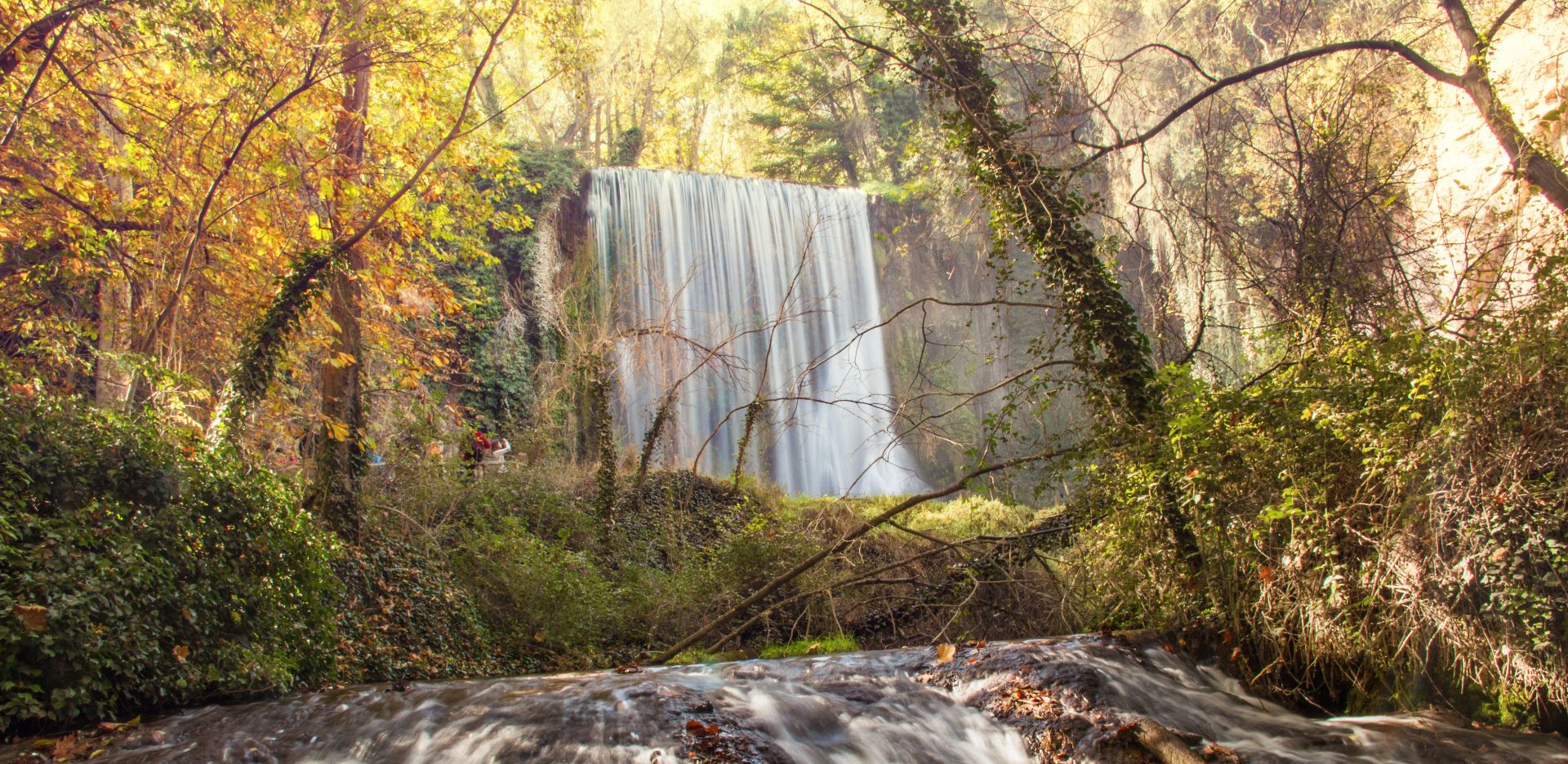
La Caprichosa Waterfall
Highlight • Waterfall
Translated by Google •
Tip by
Sign up now to discover places like this
Get recommendations on the best single tracks, peaks, & plenty of other exciting outdoor places.
Monasterio de Piedra Monastery Ruins
Highlight • Historical Site
Translated by Google •
Tip by
Chorreaderos Waterfall
Highlight • Waterfall
In addition to the waterfalls, you can also visit the monastery, …
Translated by Google •
Tip by
Ateca
Highlight • Settlement
Translated by Google •
Tip by

Sign up for free to discover even more attractions around Ibdes.
Already have an account?
Start today with a free account
Your next adventure awaits.
Other adventures around Ibdes

Tips from the Community

The Jaraba Sanctuary is a very popular site. The only requirement is to know the opening hours, which are shown in the photos.
0
1

The natural environment surrounding the sanctuary is stunning, with dramatic rock formations and winding trails ideal for hikers of all levels. To visit the interior of the sanctuary, please contact the Jaraba Tourist Office.
3
0
The Sanctuary of the Virgin of Jaraba is a medieval sanctuary located on the walls of the Cañón de la Hoz Seca, also known as the Barranco de la Hoz Seca, in Jaraba, Zaragoza. This sanctuary is dedicated to the Virgin Mary, and it is said that a shepherd had a vision of the Virgin at this location in the 12th century. The sanctuary, which blends perfectly into the rocky surroundings, features a Baroque chapel that houses a venerated image of the Virgin of Jaraba. The complex also includes an original altar and several altarpieces donated by nearby towns.
3
0
The Sanctuary of the Virgin of Jaraba is a place of great historical and spiritual interest, located in the stunning setting of the Barranco de la Hoz Seca. Built in the 18th century, the sanctuary is known for its architecture and natural setting. It is said that the Virgin of Jaraba appeared on a rock oozing oil, giving it a miraculous quality.
3
0

Stunning views of the Hoz Seca ravine. The Sanctuary was closed when we arrived, so it is important to check the opening hours beforehand if you want to visit.
1
0

Beyond the monastery and its park, the route is mainly on the road, which is a shame.
1
0
The Chorreaderos Waterfall is one of the nine named waterfalls in the Monasterio de Piedra Natural Park, near Nuévalos. In addition to the waterfalls, you can also visit the monastery, which was built in 1194. The Monasterio de Piedra Natural Park offers a surprising landscape with paths and trails that cross waterfalls, streams, lakes and caves, all in the shade of trees. centuries-old and an exceptional variety of flora and fauna. Definitely a place to explore! 🌿🏞️
2
0

Beautiful location in the Rio Piedra area, which runs through the Monasterio de Piedra Natural Park. Enjoyable route that will reward you with another waterfall.
2
0
Frequently Asked Questions
What natural features can I explore near Ibdes?
The region around Ibdes is rich in natural beauty. You can visit the impressive La Caprichosa Waterfall, known for its jungle-like setting within the Monasterio de Piedra Natural Park. Other notable waterfalls include the Chorreaderos Waterfall and Cascada La Paradera. The area is also shaped by the Mesa River, which has carved out scenic Cañones del Río Mesa, offering beautiful views and opportunities for exploration. Additionally, the unique Gruta de las Maravillas (Cave of Wonders) is a rare 'dry cave' worth discovering.
Are there historical or cultural sites to visit in the Ibdes area?
Yes, Ibdes and its surroundings offer several significant historical and cultural sites. The Sanctuary of the Virgin of Jaraba is an 18th-century religious building nestled in the stunning Barranco de la Hoz Seca. You can also explore the Monasterio de Piedra Monastery Ruins, a restored 13th-century Cistercian monastery. In Ibdes itself, the Iglesia de San Miguel Arcángel, originally a Roman fortress, showcases a rich history from its Roman, Arab, and medieval periods, culminating in its current 16th-century edifice. Several smaller hermitages, such as Ermita de San Daniel and Ermita de Ntra. Sra. de la Soledad, also dot the landscape.
What kind of outdoor activities are available around Ibdes?
The Ibdes region is excellent for outdoor enthusiasts. You can find a variety of routes for different sports. For mountain biking, explore trails like 'Barranco de la Hoz Seca - Jaraba - Ibdes' or 'La Caprichosa Waterfall of Ibdes – La Paradera Waterfall loop'. Road cycling options include routes such as 'Carenas - Ateca - Munébrega' or 'Nuévalos - Monterde - Cubel - Aldehuela de Liestos'. If you enjoy running, consider trails like 'Rock paintings of Roca Benedí and Calmarza Waterfall' or 'Somé Peak and La Tranquera Reservoir'. You can find more details on these activities and routes on the respective komoot guides for MTB Trails around Ibdes, Road Cycling Routes around Ibdes, and Running Trails around Ibdes.
Are there family-friendly attractions near Ibdes?
Absolutely! The Monasterio de Piedra Natural Park is a fantastic destination for families. Within the park, both the La Caprichosa Waterfall and the Monasterio de Piedra Waterfall are considered family-friendly attractions. The park features marked trails, numerous waterfalls, streams, and grottos, making it an engaging and beautiful place for all ages to explore at a relaxed pace.
Where can I see impressive waterfalls around Ibdes?
The area around Ibdes is famous for its waterfalls, particularly within the Monasterio de Piedra Natural Park. Here, you'll find the spectacular La Caprichosa Waterfall, which boasts a 30-meter drop and a lush, jungle-like atmosphere. Another beautiful cascade in the park is the Chorreaderos Waterfall. Outside the park, within the municipal area of Ibdes, you can also visit Cascada La Paradera, which once powered a hydroelectric plant.
What is the Monasterio de Piedra Natural Park known for?
The Monasterio de Piedra Natural Park is renowned for its extraordinary geological features, including numerous waterfalls, streams, pools, and grottos, all carved by the Piedra River. It offers a marked trail of about 5 kilometers, taking 2 to 3 hours to explore. Beyond its natural wonders, the park also houses the Monasterio de Piedra Monastery Ruins, a restored 13th-century Cistercian monastery showcasing impressive Romanesque and Gothic architecture.
Can I visit ancient religious buildings in the region?
Yes, the region offers several ancient religious buildings. The Sanctuary of the Virgin of Jaraba, built in the 18th century, is partially embedded in rock and holds significant historical and spiritual interest. In Ibdes, the Iglesia de San Miguel Arcángel stands as a magnificent 16th-century church with a rich past, including its origins as a Roman fortress and later a mosque and castle. Additionally, several hermitages like Ermita de San Daniel and Ermita de Ntra. Sra. de la Soledad, some dating back to the 12th century, are found throughout the area.
What are the Mesa River Canyons like?
The Mesa River Canyons are a defining natural feature of the Ibdes region. The Mesa River has carved out various ravines and created fertile lands around the town. These canyons offer scenic views and opportunities for exploration, providing a dramatic backdrop to the landscape and contributing to the area's natural beauty.
Is there a unique cave attraction near Ibdes?
Yes, near Ibdes, you can find the Gruta de las Maravillas (Cave of Wonders). Discovered in the early 20th century, this cave formed approximately 50,000 years ago from sediments left by the Mesa River. It is notable for being a 'dry cave' or 'dead cave,' which are very rare in Spain, offering a unique geological experience.
What is the best time of year to visit Ibdes for outdoor activities?
While specific data isn't provided, generally, spring (April-June) and autumn (September-October) offer the most pleasant weather for outdoor activities in this region of Spain. Temperatures are milder, making hiking, cycling, and exploring natural sites like the Monasterio de Piedra Natural Park and the Mesa River Canyons more comfortable. Summers can be hot, and winters can be chilly, though still suitable for some activities.
What do visitors enjoy most about the attractions near Ibdes?
Visitors particularly enjoy the blend of natural beauty and historical significance. The Monasterio de Piedra Natural Park, with its stunning waterfalls like La Caprichosa Waterfall, is frequently praised for its idyllic, jungle-like setting and the opportunity to explore a restored Cistercian monastery. The Sanctuary of the Virgin of Jaraba is also highly regarded for its unique architecture integrated into the natural landscape of the Barranco de la Hoz Seca. The community has shared 29 photos and given 19 upvotes to the attractions, highlighting their visual appeal and overall positive experience.
Are there any specific parking considerations for popular attractions like Monasterio de Piedra Natural Park?
For popular attractions like the Monasterio de Piedra Natural Park, it's advisable to check their official website for current parking information, prices, and operating hours before your visit. While parking is generally available, it can fill up quickly during peak seasons or holidays. Planning ahead ensures a smoother experience.
Most popular attractions around Ibdes

Get inspired with the komoot mobile app


Explore more
Still not found the Highlight you’re looking for? See guides of the top attractions in other regions:
