The best walks and hikes around Ilche
4.7
(26)
83
hikers
18
hikes
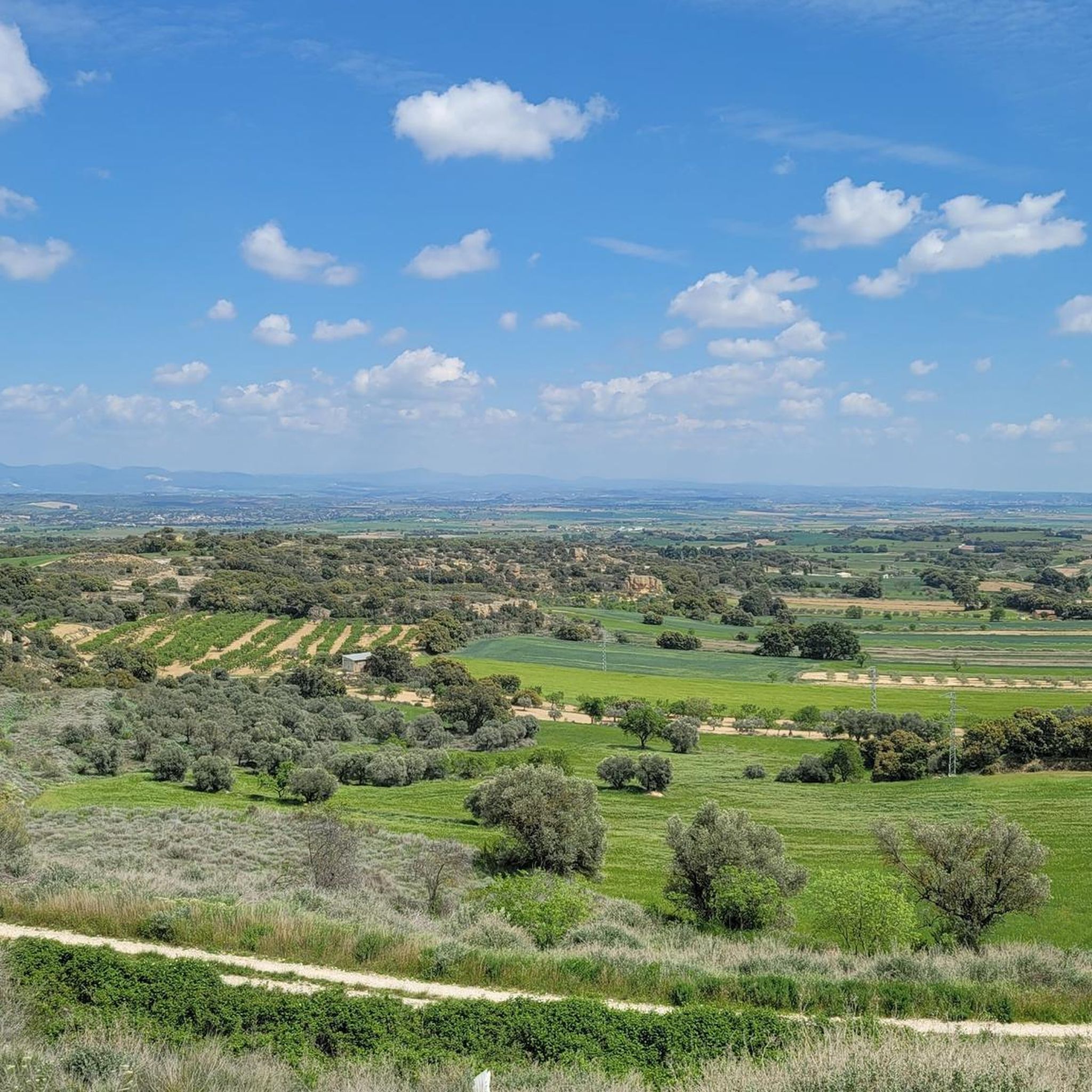
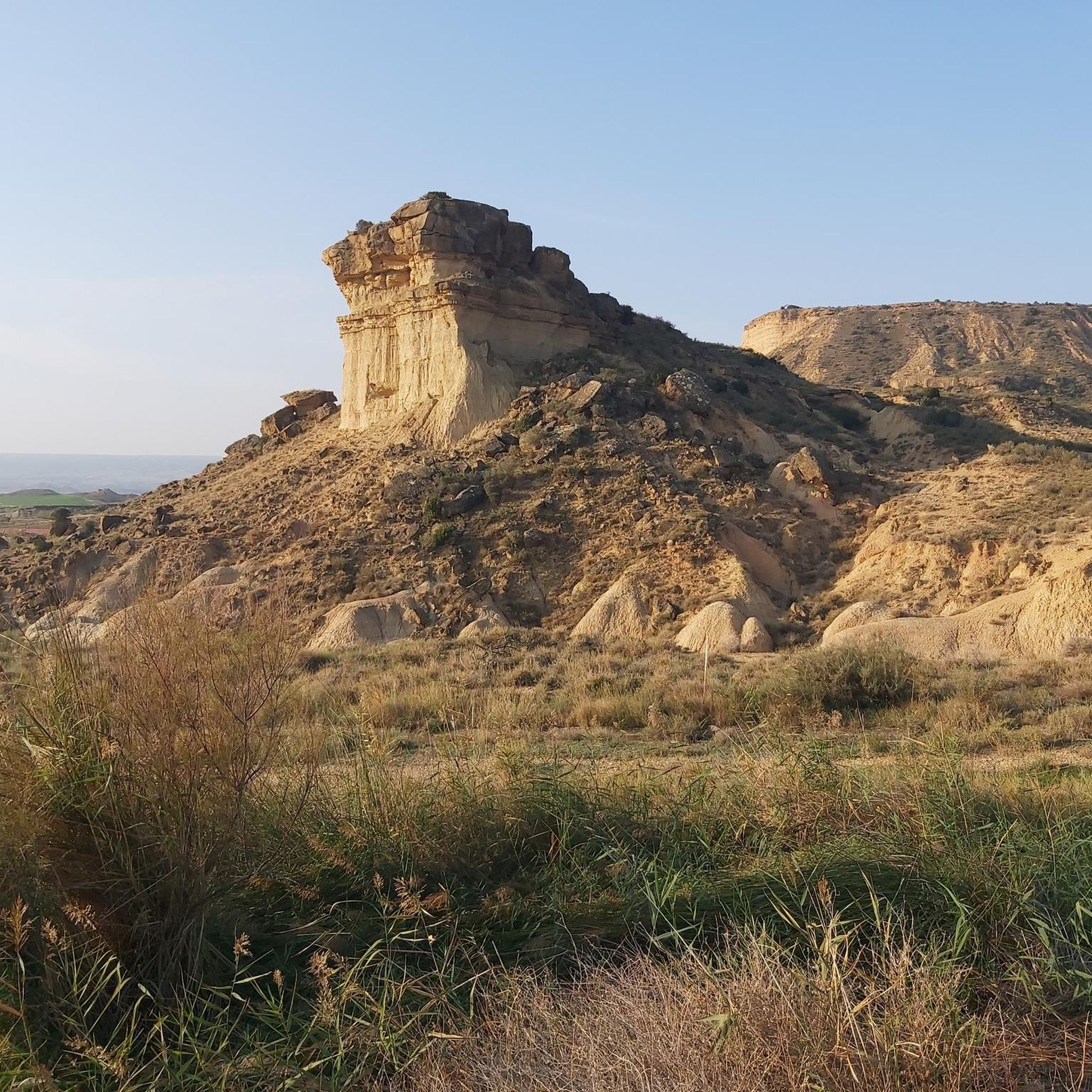
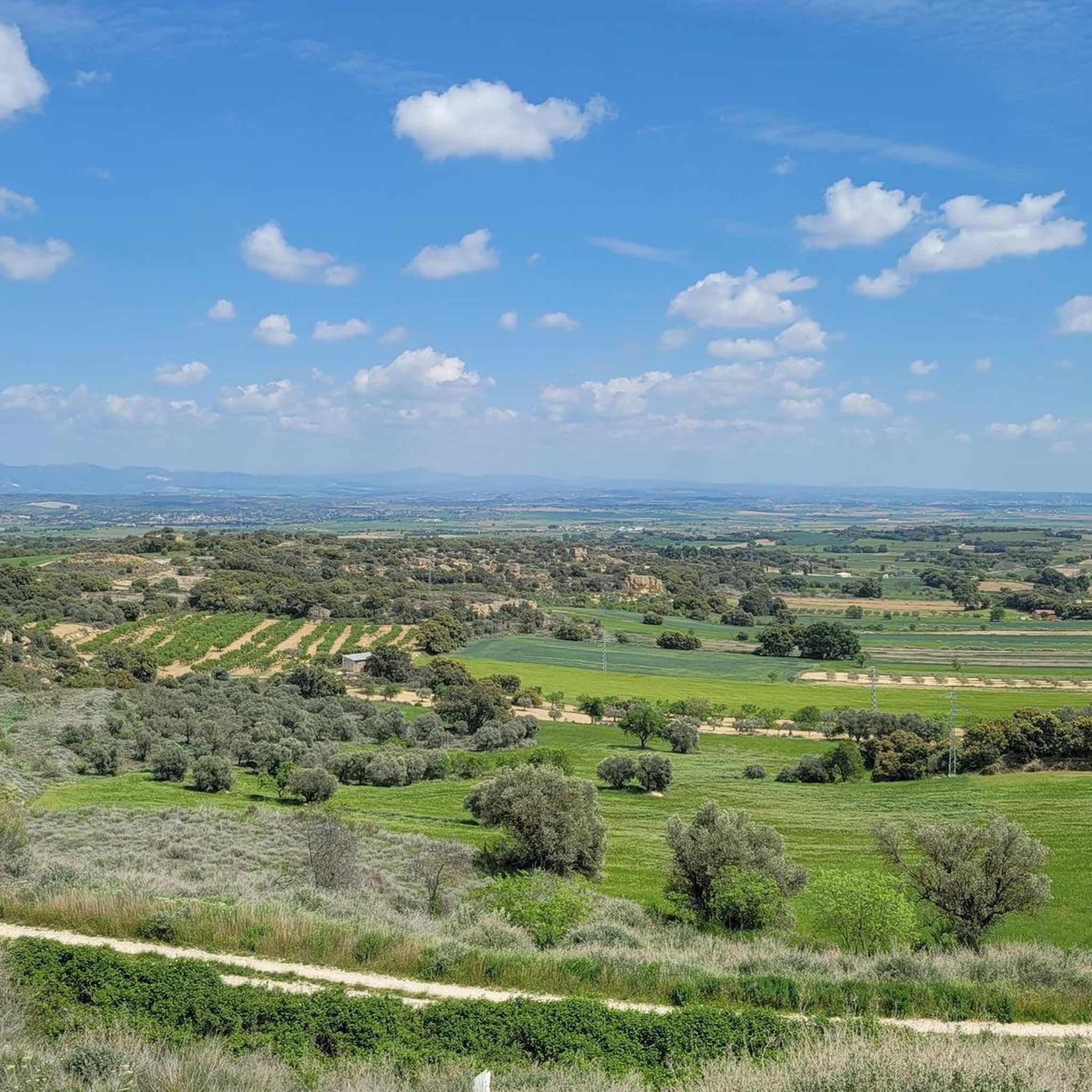
Hiking around Ilche offers a variety of trails across its diverse terrain. The region features routes that traverse through natural landscapes, including areas with varied elevation and open country. Hikers can expect paths that range from gentle slopes to more undulating sections, providing options for different activity levels.
Best hiking trails around Ilche
- The most popular hiking route is Jump of Pozán del Vero from Castillazuelo, an easy 2.7 miles (4.4 km) trail that takes 1 hour 7 minutes…
Last updated: June 28, 2026
4.0
(2)
6
hikers
4.37km
01:07
20m
20m
Easy hike. Great for any fitness level. Easily-accessible paths. Suitable for all skill levels.
5.0
(1)
16
hikers
16.1km
04:24
250m
250m
Moderate hike. Good fitness required. Easily-accessible paths. Suitable for all skill levels.

Sign up for free
5.0
(14)
11
hikers
9.19km
02:31
140m
140m
Moderate hike. Good fitness required. Easily-accessible paths. Suitable for all skill levels.
4
hikers
9.02km
02:27
130m
130m
Moderate hike. Good fitness required. Easily-accessible paths. Suitable for all skill levels.
6
hikers
12.5km
03:25
190m
190m
Moderate hike. Good fitness required. Easily-accessible paths. Suitable for all skill levels.
Get access to more routes and recommendations from other explorers.
Sign up for free
Already have an account?
Our route recommendations are based on thousands of hikes, rides, and runs completed by other people on komoot.
Start today with a free account
Your next adventure awaits.
Login or Signup


Tips from the Community

A small artificial waterfall formed by an old dam on the Vero River, very close to the town of Pozán. Surrounded by riparian vegetation and quiet paths, it's a perfect place to cool off, rest, or take photos while mountain biking, gravel riding, or hiking. Easily accessible from the Barbastro–Castejón del Puente greenway, it connects with trails in the Vero River Cultural Park.
0
0
A historic city and the capital of the Somontano region, Barbastro combines heritage, nature, and a great starting point for mountain biking, gravel, and hiking trails. Highlights include the Gothic-Renaissance Cathedral of the Assumption, the medieval Entremuro neighborhood, and the Diocesan Museum. It's a crossroads to the Pyrenees, the Sierra de Guara, and the vineyards of the Somontano D.O. (D.O.). It's the perfect place to stop for lunch, stock up, or explore its rich history and architecture.
0
0
Founded in the 13th century on the site of an old Visigothic hermitage. Rebuilt several times, the current building combines Renaissance and Baroque elements. For centuries, it was an important center of Marian pilgrimage in Aragon. The monastery was abandoned in the mid-20th century, but in the 1990s, it was restored by the Incarnate Word community, which still lives there. Today, it is a place for retreat, Masses, and spiritual activities.
0
0

The Sanctuary of Nuestra Señora del Pueyo is a 12th century building. Its origin is based on the legend of the appearance of the virgin to the shepherd Balandrán. Its privileged location on a hill served as an outpost for Pedro I of Aragon during the reconquest of Huesca and later Jaime I the Conqueror established a chaplaincy here. From these actions originate the church and the Romanesque cloister, which are later enlarged in the Gothic style.
2
0
Barbastro is the vibrant capital of the Somontano region, known for its wines, olive groves and cereal fields. Its location makes it an important commercial crossroads and its many monuments attest to its importance over the centuries.
2
0

Barely six kilometers from the city of Barbastro, on top of a hill stands the majestic monastery of El Pueyo. The building was built in the 12th century, initially as a Romanesque church, and was later renovated in the Gothic style in the 12th century. In front of the monastery there is a viewpoint with beautiful panoramic views of the Somontano lands.
0
0
The Cathedral of Santa María de la Asunción de Barbastro was built in the 16th century in the Gothic style. Its bell tower is the most distinctive sign of the city's silhouette, but its interior is even more spectacular thanks to its impressive Baroque façade, its star-shaped vault and its large alabaster altarpiece.
0
0
Barbastro is a city in the Aragonese province of Huesca located on the banks of the Vero River. Its most notable construction is the impressive cathedral of Santa María de la Asunción, in the Gothic style. The cathedral's bell tower, possibly built on the base of an ancient minaret, can be seen from anywhere in the city. But do not miss the opportunity to visit it inside, where a beautiful baroque doorway, a star ribbed vault and a grandiose alabaster altarpiece await you.
0
0
Frequently Asked Questions
How many hiking trails are available around Ilche?
Ilche offers a selection of over 15 hiking trails, catering to various preferences and skill levels. You'll find routes ranging from easy strolls to more moderate excursions through the region's diverse landscapes.
Are there any easy hiking trails suitable for beginners or a relaxed outing?
Yes, Ilche has several easy trails. For a straightforward path, consider the Jump of Pozán del Vero from Castillazuelo, an easy 2.7-mile (4.4 km) route that takes just over an hour to complete. This trail is perfect for a quick and scenic walk.
Are there any circular hiking routes in the Ilche region?
Many of the trails around Ilche are designed as circular routes, allowing you to start and finish in the same location. For example, the Barbastro – Barbastro loop from Barbastro is a moderate 10.4-mile (16.7 km) path that offers a varied terrain experience. Another popular option is the Barbastro – Vineyard View loop from Barbastro, a 5.7-mile (9.2 km) trail through the local countryside.
What kind of natural landscapes can I expect to see while hiking around Ilche?
The Ilche region boasts diverse natural landscapes. You can explore the extensive palm groves, including the UNESCO World Heritage Site Palmeral de Elche, offering scenic walks amidst palms and botanical gardens. Beyond the city, the countryside features mountains and valleys, and the area is also home to lakes like Lake Pedrera and the unique salt lakes of Torrevieja, La Mata, and La Marina.
Are there any waterfalls or significant water features along the hiking trails?
Yes, the region features notable water features. The Río Vinalopó Waterway, which runs through the Municipal Park and El Palmeral Park, includes picturesque trails with waterfalls and fountains. Additionally, the Pozán de Vero Waterfall is a specific highlight in the area that can be visited.
What are some interesting landmarks or attractions to see near the hiking routes?
Beyond the trails, you can explore several interesting landmarks. The El Pueyo Monastery of Barbastro and the Cathedral of Our Lady of the Assumption are notable religious buildings. The towns of Barbastro and Berbegal also offer cultural insights and are great places to visit after a hike.
What do other hikers enjoy most about the trails in Ilche?
The hiking trails in Ilche are highly rated by the komoot community, with an average score of 4.3 out of 5 stars from over 20 reviews. Hikers often praise the varied landscapes and accessible paths, which offer options for different ability levels, making it a rewarding experience for many.
Are there any family-friendly hiking options in Ilche?
The vast palm groves, including the Municipal Park and El Palmeral Park, offer excellent family-friendly walking opportunities. These areas feature nature trails, picnic spots, and amenities like playgrounds, making them ideal for outings with children. Many of the easy trails are also suitable for families.
Can I bring my dog on the hiking trails around Ilche?
While specific regulations can vary by park or protected area, many natural spaces in the Ilche region are generally dog-friendly, especially on marked trails. It's always recommended to keep your dog on a leash and clean up after them. For specific routes, check local signage or park guidelines.
Are there any challenging hikes for experienced trekkers in the Ilche area?
While Ilche has many easy to moderate trails, the surrounding countryside features mountains and valleys with nature parks that offer more adventurous options. These areas can include routes with varying difficulties, and some regions even cater to activities like mountain biking and rock climbing, including via ferrata, for those seeking a greater challenge.
What is the best time of year to go hiking in Ilche?
The Ilche region generally enjoys a mild climate, making hiking enjoyable for much of the year. Spring and autumn offer pleasant temperatures, ideal for exploring. Even winter can be a good time for hiking, as temperatures are cooler and the landscapes remain inviting. Summers can be hot, so early morning or late afternoon hikes are recommended during this season.
Are there any long-distance hiking routes that pass through the Ilche region?
Yes, the Camino del Cid, a cultural-historical long-distance hiking route, passes through the region. This route follows the footsteps of the medieval knight Rodrigo Díaz de Vivar, with the 'La Defensa del Sur' section running through the provinces of Valencia and Alicante to Orihuela, offering a unique long-distance trekking experience.
Most popular attractions around Ilche

Get inspired with the komoot mobile app


Explore more
Browse the best Hikes in other regions.
