Attractions and Places To See around Almaraz De Duero - Top 20
Best attractions and places to see around Almaraz De Duero include a variety of historical sites, natural features, and cultural landmarks. Situated on the Duero River, the village serves as a gateway to the Arribes del Duero Natural Park, characterized by steep river canyons and diverse landscapes. The area offers insights into ancient traditions and features traditional architecture. Visitors can explore a mix of natural beauty and historical monuments.
Best attractions and places to see around Almaraz De Duero
- The…
Last updated: October 11, 2026
Abelón Waterfall
Highlight • Waterfall
Translated by Google •
Tip by

Valorio Forest
Highlight • Forest
Translated by Google •
Tip by
Sign up now to discover places like this
Get recommendations on the best single tracks, peaks, & plenty of other exciting outdoor places.
Church of Santa María la Real de La Hiniesta
Highlight • Religious Site
Translated by Google •
Tip by

Path to the Abelón Waterfalls
Highlight (Segment) • Trail
Translated by Google •
Tip by

Monoliths of the Three Causeways
Highlight • Monument
Translated by Google •
Tip by

Sign up for free to discover even more attractions around Almaraz De Duero.
Already have an account?
Start today with a free account
Your next adventure awaits.
Tips from the Community

This monument consists of three monoliths representing the three roads that converge at this location: the Via de la Plata, the Calzada Mirandesa, and the Via Dalmacia; and a curb where pilgrims can write a wish on a stone and throw it into the curb for it to come true.
1
0
It's striking to find a church of this size in a small town, but its origin lies in a tradition that dates back to the late 13th century. Tradition tells us that while King Sancho IV was in Zamora recovering from a fever and wanting to escape his boredom, he organized a hunting trip. During the hunt, one of his falcons shot down a partridge and, upon hunting, found it sheltered among some broom bushes, protected by a small statue of the Virgin. The king ordered the statue of the Virgin to be immediately moved to the Church of San Antolín in the city of Zamora and ordered a church dedicated to Santa María la Real to be erected in her honor on the spot where the statue was found.
1
0

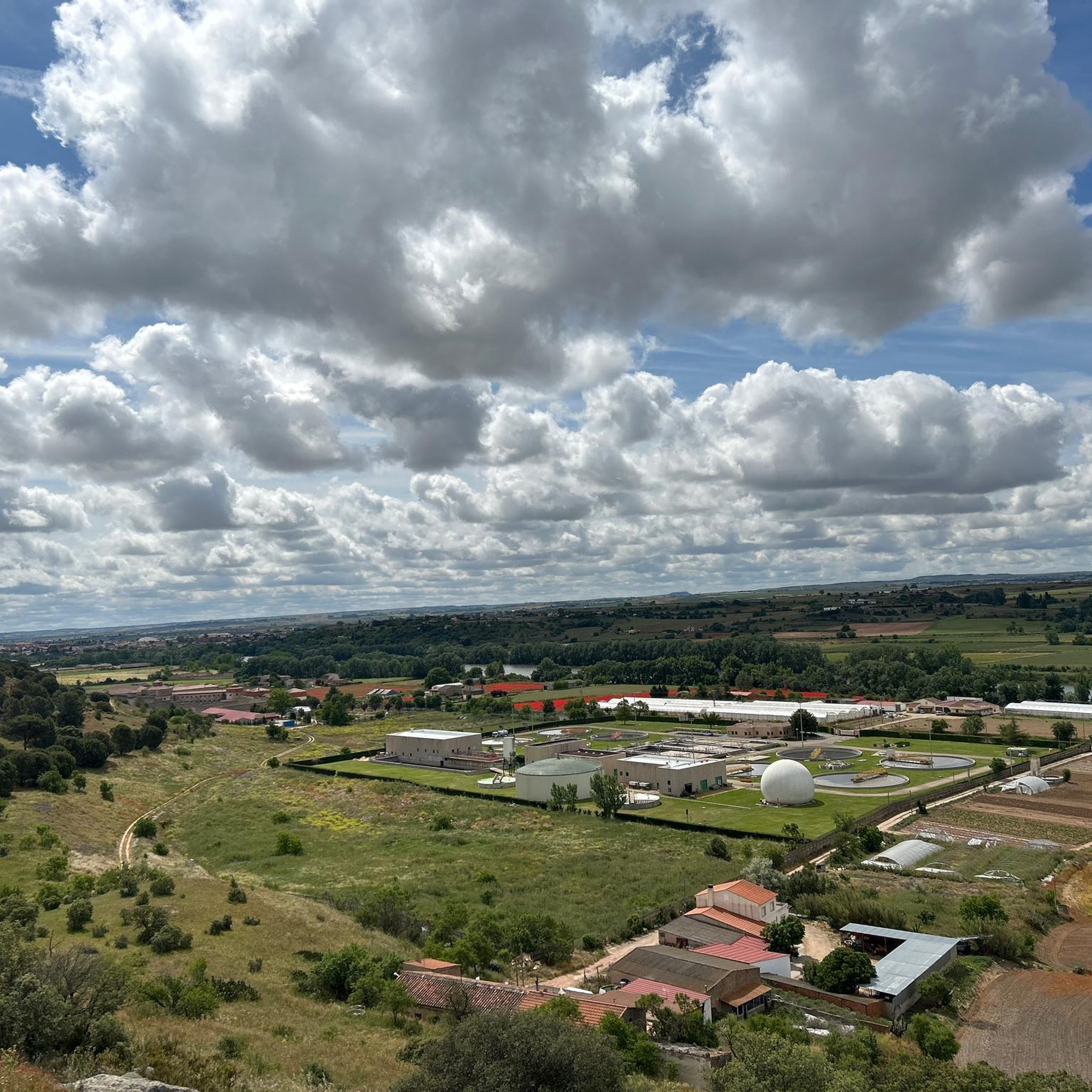
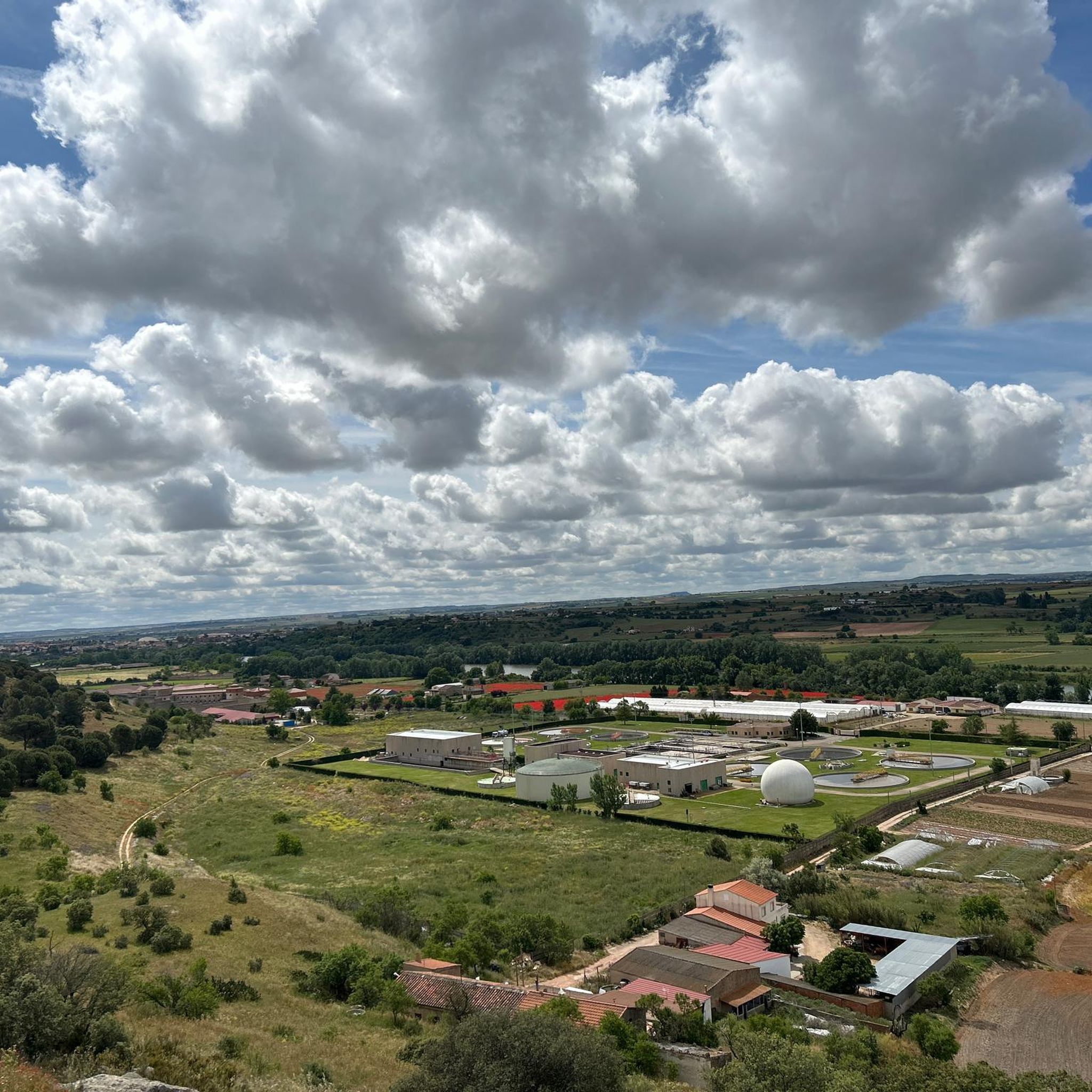
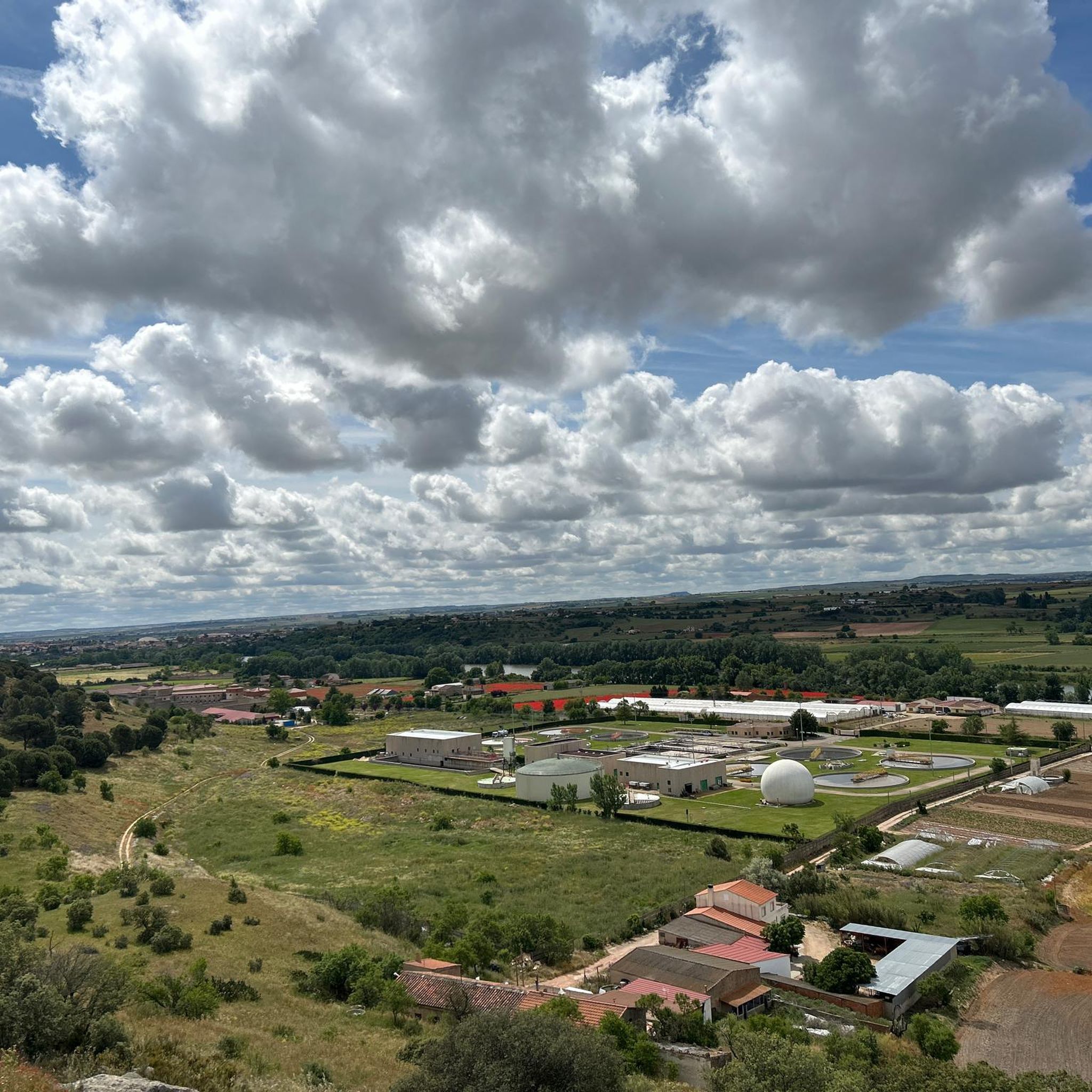
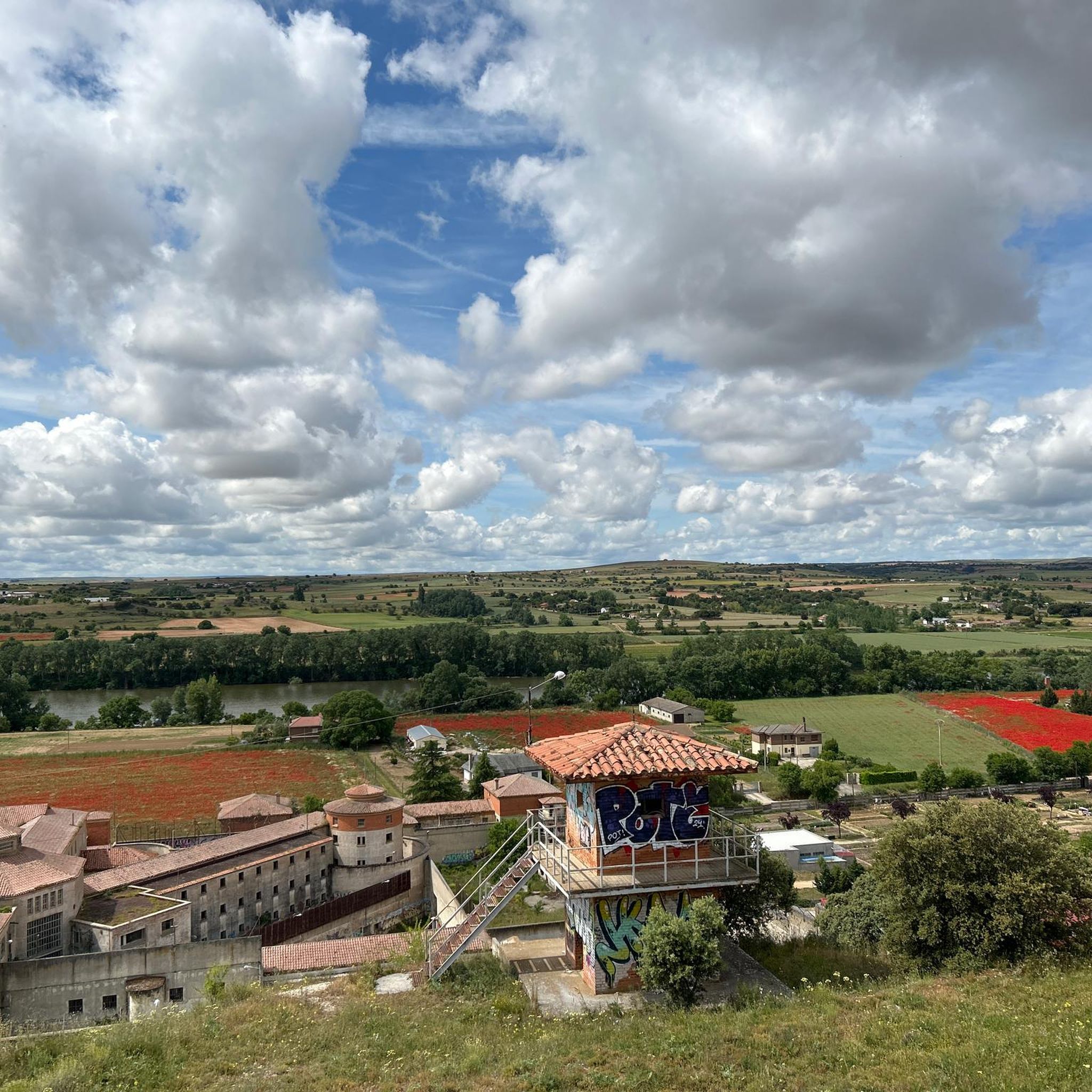
The Valorio Forest is a large green space located in the northwestern part of the city of Zamora, in Castile and Leon. This forest, which covers approximately 80 hectares, is known as the "green lung" of the city. The forest has a variety of ecosystems, including holm oaks, oaks, stone pines, poplars, aspens and willows. It is an ideal place to walk, play sports, enjoy a picnic or simply relax in nature. It also has a children's play area and a calisthenics park.
4
0
The Abelón Waterfall is a natural treasure in the Sayago region, on the Zamora slope of the Arribes del Duero. This beautiful waterfall, formed by three torrents of water that fan out, is one of the most popular waterfalls in the area.
4
0

La Hiniesta was originally founded in the 12th century but later became famous for the construction of Santa María la Real, declared a historical-artistic monument.
2
0

The path to the waterfall passes through an area of cork oaks and holm oaks. The stone closures of the farms, typical of this area, give you a few very entertaining photographic options.
1
0
The waterfall enclave is well worth the walk. Although we have seen it without water (May 2023) we have loved the place. The remains of the flour mills that once existed in this area give an idea of what it was like for the people of this land.
1
0
The Valorio forest -with some 70 ha in extension- constitutes the main tree mass in the urban environment of Zamora.
11
0
Frequently Asked Questions
What natural features can I explore around Almaraz De Duero?
Almaraz De Duero is a gateway to the Arribes del Duero Natural Park, offering dramatic landscapes where the Duero River carves steep canyons. You can visit the Abelón Waterfall, a natural treasure known for its three fanning torrents, especially impressive after heavy rains. Another notable natural area is Infiernos de Almaraz, excellent for birdwatching. The Cascada de las Pilas also features a series of small waterfalls and a fluvial beach.
Are there historical or cultural sites to visit in Almaraz De Duero?
Yes, the area is rich in history. The village itself features the Church of El Salvador, built between the 15th and 16th centuries, and a 12th or 13th-century Romanesque Fountain. Overlooking the Duero, you'll find the 15th-century Hermitage of San Pelayo, adjacent to a significant prehistoric rock sanctuary with pre-Roman burials and rock carvings. The 18th-century Joyalada Bridge, also known as the 'Bridge of Hell,' is another historical landmark. You can also see the romantic ruins of Aceña del Saceo, an old grain mill.
What kind of outdoor activities can I do near Almaraz De Duero?
The region offers various outdoor activities, particularly hiking and cycling. You can explore several well-defined routes like the 'Ruta La Ribera del Duero' and the 'Ruta del Santuario de San Pelayo.' For hiking, consider the Path to the Abelón Waterfalls. Cyclists can find numerous routes, including those around the Ricobayo Reservoir. For more detailed routes, check out the Road Cycling Routes, MTB Trails, and General Cycling Routes guides.
Are there family-friendly attractions in the area?
While specific family-friendly activities are not detailed, the natural beauty of the Arribes del Duero Natural Park and the various hiking routes can be enjoyed by families. The Monument of the Three Pilgrimage Routes is also noted as family-friendly, offering a unique cultural experience.
Where can I find impressive viewpoints of the Duero River?
The Hermitage of San Pelayo offers beautiful views overlooking the meanders of the Duero River. Additionally, the steep canyons and riverbanks within the Arribes del Duero Natural Park provide numerous scenic spots to observe the river's dramatic course.
Can I explore the Arribes del Duero Natural Park from Almaraz De Duero?
Yes, Almaraz De Duero is considered the natural gateway to the Arribes del Duero Natural Park. From here, you can access areas where the tranquil plains give way to steep, winding river canyons, and explore natural features like the Infiernos de Almaraz and the Cascada de las Pilas.
What are some notable religious sites in the vicinity?
Beyond the Church of El Salvador in Almaraz De Duero, you can visit the Church of Santa María la Real de La Hiniesta. This significant church, declared a historical-artistic monument, has a fascinating origin story dating back to the late 13th century involving King Sancho IV and a statue of the Virgin.
Are there opportunities for birdwatching?
Absolutely. The Infiernos de Almaraz, located within the Arribes del Duero, is a prime spot for birdwatching due to its rich faunal diversity. The Duero River banks also offer excellent opportunities to observe a wide variety of bird species.
What are the options for cycling around Almaraz De Duero?
There are several cycling options, including road cycling, mountain biking (MTB), and general touring bicycle routes. You can find routes like the 'Ricobayo Reservoir Loop' for road cycling, or the 'Duero Route and Sogo Bridge Loop' for MTB. For a comprehensive list, refer to the Road Cycling Routes, MTB Trails, and General Cycling Routes guides for the area.
Are there any ancient industrial or mining remains to discover?
Yes, along the Ruta de las Pilas, you can explore the remains of an old mining settlement. This includes a dozen homes that belonged to 19th-century tin miners, as well as other mining infrastructure, offering a glimpse into the region's industrial past.
What is the best time of year to visit Almaraz De Duero for outdoor activities?
While specific recommendations for Almaraz De Duero are not provided, regions like Arribes del Duero generally offer pleasant conditions for outdoor activities during spring and autumn, when temperatures are milder. Waterfalls like the Abelón Waterfall are particularly impressive after heavy rains, typically in late winter or early spring during the thaw season.
What unique monuments can I find in the area?
You can visit the Monoliths of the Three Causeways, a monument consisting of three monoliths representing the Via de la Plata, the Calzada Mirandesa, and the Via Dalmacia. Another significant site is the Monument of the Three Pilgrimage Routes, which features three granite monoliths symbolizing a tribute to peace and understanding among Islamic, Jewish, and Christian cultures.
What kind of traditional architecture can I see in Almaraz De Duero?
Almaraz De Duero retains the charm of humble villages, showcasing traditional architecture with old farmhouses built from local stone and adobe. These homes typically feature Arabic tile and slate roofs. You'll also notice square-plan dovecotes, some centuries old, which are characteristic of the surrounding area.
Most popular attractions around Almaraz De Duero

Get inspired with the komoot mobile app


Explore more
Still not found the Highlight you’re looking for? See guides of the top attractions in other regions:
