Attractions and Places To See around La Algaba - Top 20
Best attractions and places to see around La Algaba include historical landmarks, cultural sites, and natural features. Situated on the banks of the Guadalquivir River within the Vega del Guadalquivir, the town has historical roots dating back to pre-Roman times. Its landscape is characterized by extensive orchards and orange groves, reflecting its historical name "the forest." Visitors can explore a variety of sites that showcase the region's rich heritage and natural beauty.
Best attractions and places to see around La…
Last updated: May 9, 2026
Seville Cathedral (Cathedral of Seville)
Highlight • Religious Site
Translated by Google •
Tip by

Plaza of Spain
Highlight • Monument
Translated by Google •
Tip by
Sign up now to discover places like this
Get recommendations on the best single tracks, peaks, & plenty of other exciting outdoor places.
Sign up for free
Tower of Gold
Highlight • Monument
Translated by Google •
Tip by
The Giralda and the cathedral
Highlight • Religious Site
Translated by Google •
Tip by
Metropol Parasol (Seville's Mushrooms)
Highlight • Monument
Translated by Google •
Tip by
Sign up for free to discover even more attractions around La Algaba.
Sign up for free
Already have an account?
Start today with a free account
Your next adventure awaits.
Login or Signup

Tips from the Community

A truly impressive tower. It was actually a minaret before being converted into a bell tower after the Christian reconquest of Spain.
5
0

Seville Cathedral, also known as the Cathedral of Saint Mary of the See, is one of the largest Gothic cathedrals in the world. Built on the site of a former mosque, its construction began in 1401 and was completed in 1507. Some highlights include: La Giralda: The bell tower, originally a minaret of the mosque, is one of Seville's most recognizable symbols. Royal Chapel: Houses the remains of several monarchs, including Ferdinand III of Castile. Main Altarpiece: Considered one of the largest altarpieces in Christendom, with an impressive collection of sculptures and reliefs. The cathedral also houses a rich art collection, including works by Murillo and Goya.
13
0

This former minaret serves as the church tower of the cathedral. From the top you have a beautiful view of the cathedral and the Real Alcazar. Strange is its staircase that is not really one, it is a steeply sloping path, numbered from 1 to 34. Unfortunately, you can only visit the Giralda in combination with the cathedral. So you have to queue there first before you can visit the Giralda.
4
0

The Plaza de España is one of the most famous squares in Seville. It was built in 1929 for the Ibero-American Exhibition
18
0
The Torre del Oro in Seville is an iconic historical monument that houses the Maritime Museum. This 13th-century defensive tower, located on the banks of the Guadalquivir River, was built by the Almohads and has had various uses over the centuries, including a chapel, prison and gunpowder store.
17
0
The Plaza de España in Seville, located in the María Luisa park, is an impressive and unique architectural complex. It was designed by architect Aníbal González and built between 1914 and 1929. This semicircular plaza houses a large central building, which serves as the Army headquarters, and is surrounded by galleries with monumental stairs. In addition, at the ends, there are two buildings with towers that house state agencies. If you want to explore this magnificent place, I recommend considering a guided tour to discover all its details and history. I hope you enjoy your visit! 🌟
29
0
The Metropol Parasol is the largest wooden structure in the world. It is composed of two concrete columns that house the elevators leading to the observation deck. Its shape, resembling giant mushrooms, has led to its popular nickname, the Encarnación Mushrooms. It was designed by architect Jürgen Mayer and opened in 2011.
22
0
The Setas de Sevilla, also known as Metropol Parasol, are an iconic structure located in the Plaza de la Encarnación in Seville. Designed by architect Jürgen Mayer, this impressive construction resembles enormous mushrooms and is the largest wooden structure in the world.
23
0
Frequently Asked Questions
What historical landmarks can I explore in La Algaba?
La Algaba is rich in history. You can visit the iconic 15th-century Los Guzmanes Tower, a Mudejar tower-palace that also houses the 'El Cielo Mudéjar de La Algaba' CICMA Interpretation Centre. Other notable historical sites include the Nuestra Señora de las Nieves Church, a Gothic-Mudejar church dating back to the late 14th century, and the Nuestro Padre Jesús Nazareno Church with its neo-Mudejar coffered ceiling. The Rodríguez de la Borbolla Bridge, also known as 'Puente Viejo', also holds historical significance connecting La Algaba with Seville.
Are there any natural attractions or outdoor spaces to enjoy near La Algaba?
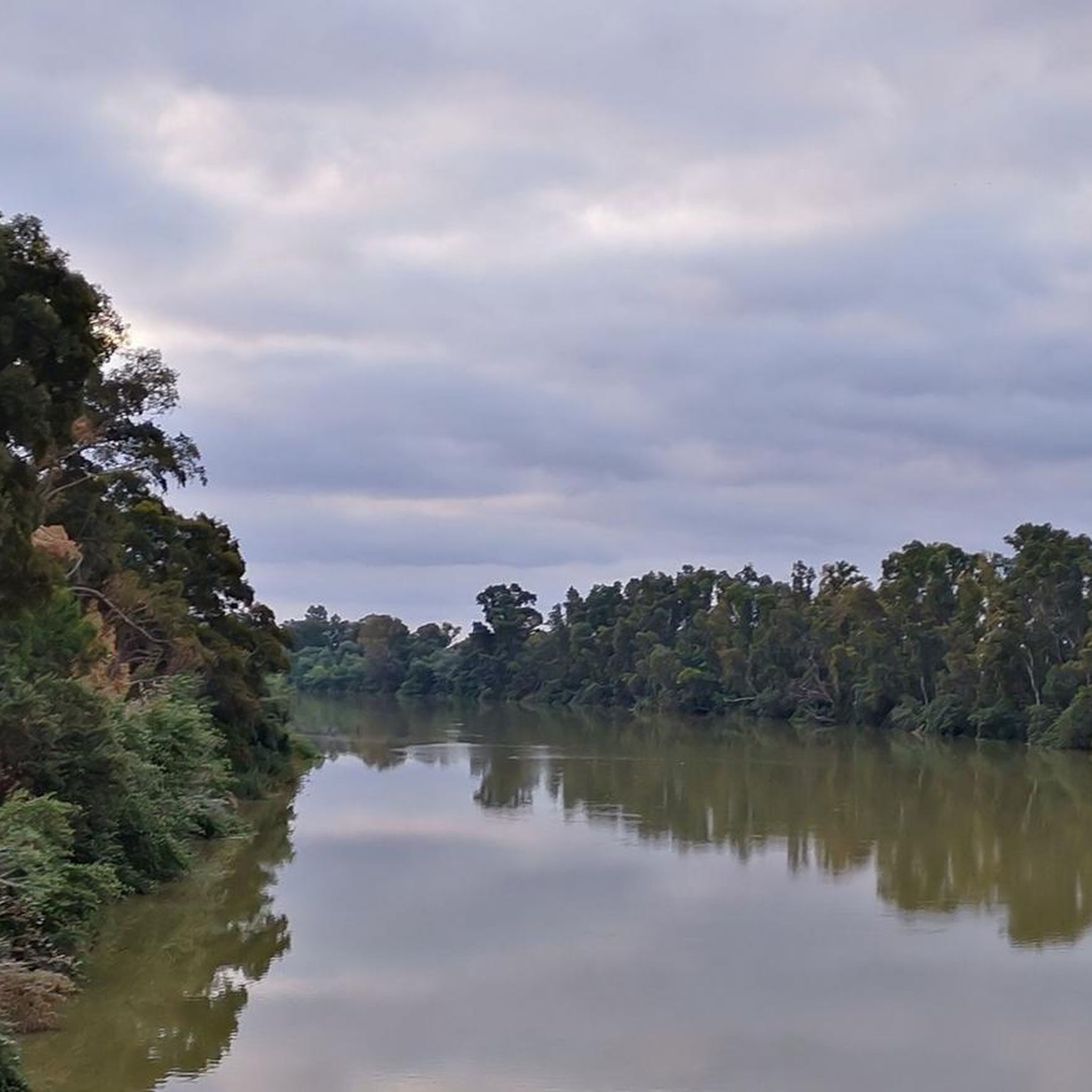
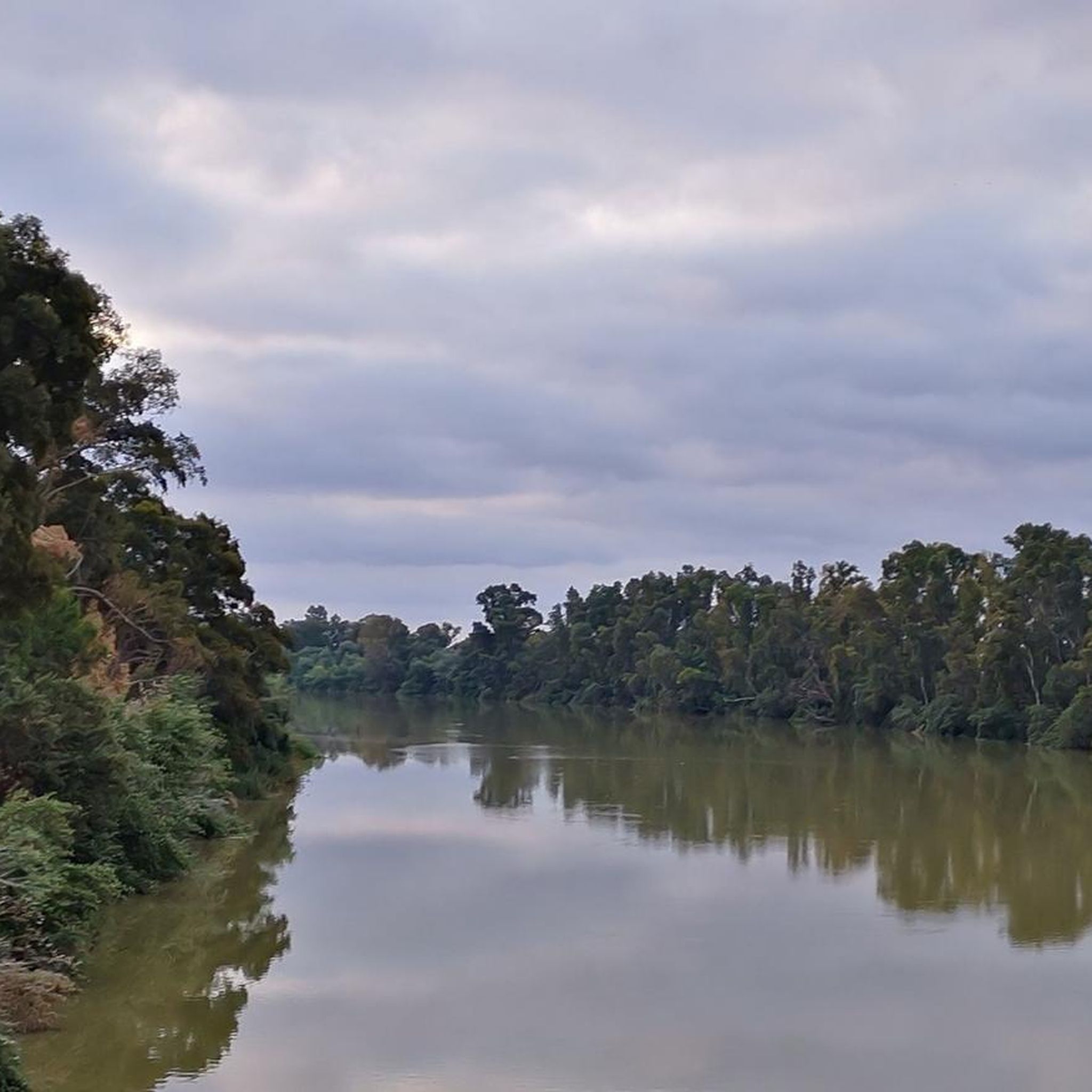
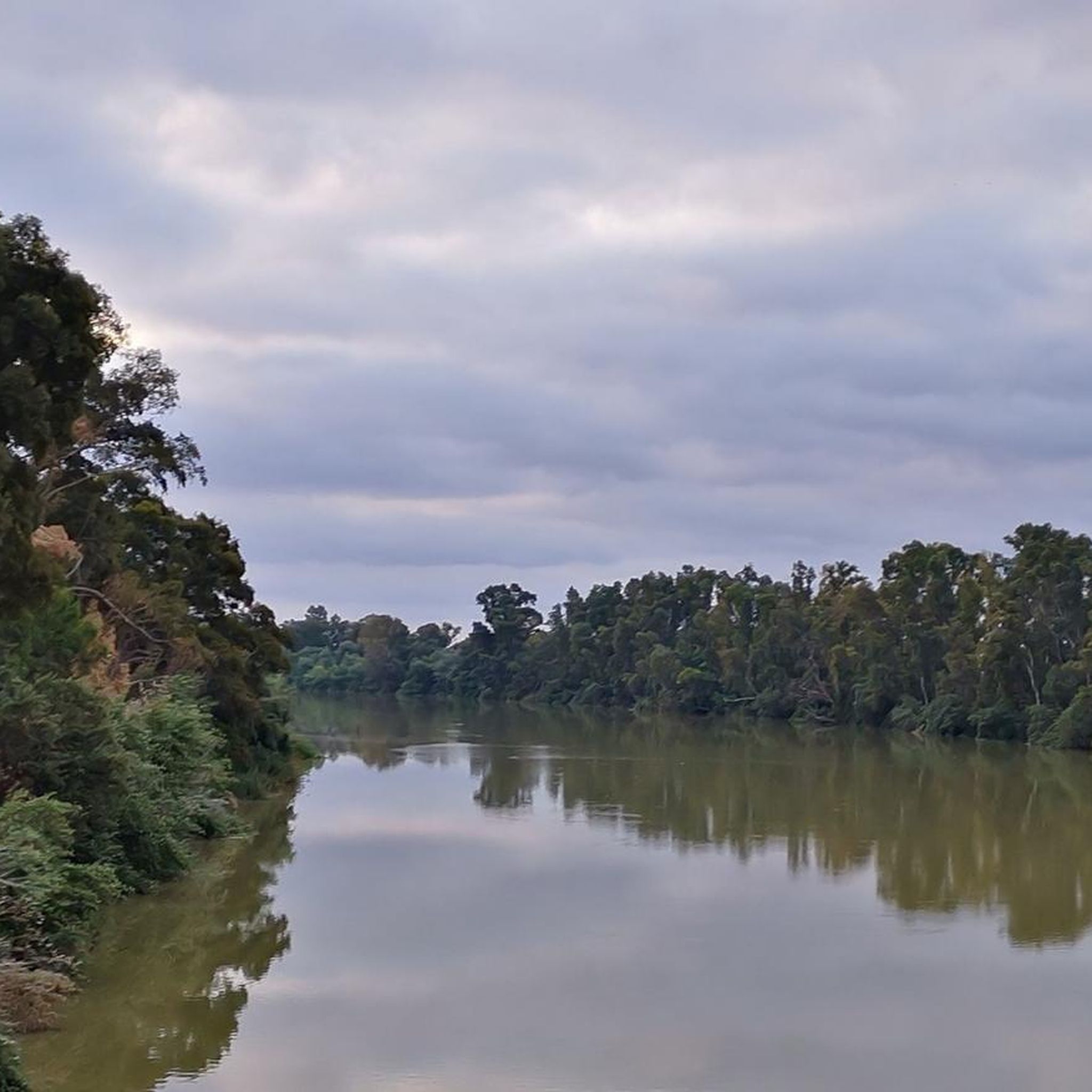
Yes, La Algaba is situated on the banks of the Guadalquivir River, offering picturesque surroundings with orange groves and poplar trees. The Camino de la Romería provides a pleasant route for walking or cycling. You can also explore the Vega del Guadalquivir, known for its extensive orchards, or visit the Dehesa de Tablada, a verdant natural park with trails for immersing yourself in the Andalusian countryside. The 'Los Filtros' picnic area is also available for a day out.
What are some family-friendly attractions around La Algaba?
Many attractions around La Algaba are suitable for families. The magnificent Plaza of Spain in Seville is a popular choice, offering open spaces and stunning architecture. The Seville Cathedral and the Tower of Gold are also considered family-friendly historical sites. For outdoor enjoyment, the Camino de la Romería and the Dehesa de Tablada offer natural settings for walks and exploration.
What kind of outdoor activities can I do near La Algaba?
The area around La Algaba is great for outdoor activities. You can find numerous routes for hiking, cycling, and running. For instance, there are hiking routes like the 'Guillena Water Route Trail' and cycling routes such as the 'Alamillo Bridge – Tower of Gold loop from La Algaba'. You can explore more options and detailed routes in the dedicated guides for Hiking around La Algaba, Cycling around La Algaba, and Running Trails around La Algaba.
Are there any viewpoints or scenic spots in the area?
Yes, several attractions offer great views. The Plaza of Spain is known for its grand scale and visual appeal. The Tower of Gold, an old defensive tower, provides scenic views, especially of the Guadalquivir River. Additionally, the Giralda, part of the Seville Cathedral complex, offers panoramic vistas from its top. The modern Metropol Parasol (Seville's Mushrooms) also features an observation deck with extensive city views.
What is the best time of year to visit La Algaba's attractions?
While specific recommendations depend on your preferred activities, generally, spring (March to May) and autumn (September to November) offer pleasant temperatures for exploring La Algaba's historical sites and natural features. Summers can be very hot, especially for outdoor activities, while winters are mild.
Can I find any unique cultural experiences in La Algaba?
Beyond its historical buildings, La Algaba offers glimpses into local culture. You can visit the Plaza de Toros and Algaba Bullfighting School for insight into this tradition. The town also celebrates various festivals throughout the year, such as Los Candevelares in December and the Feria de los Toros in September, which provide a vibrant cultural experience. Don't forget to try local cuisine like 'cocido algabeño' and 'pringaíta' served on 'pan prieto'.
What do visitors enjoy most about the attractions around La Algaba?
Visitors frequently praise the architectural grandeur and historical significance of sites like the Plaza of Spain, often described as a 'spectacle of light and majesty'. The Seville Cathedral is admired for its immense Gothic scale and impressive altarpiece. The scenic views from the Tower of Gold and the unique design of the Metropol Parasol are also highly appreciated. The blend of historical depth and natural beauty, particularly along the Guadalquivir River, leaves a lasting impression.
Are there any religious sites of interest in La Algaba?
Yes, La Algaba has several significant religious sites. The Nuestro Padre Jesús Nazareno Church is notable for its neo-Mudejar coffered ceiling and neo-baroque altarpiece. The Nuestra Señora de las Nieves Church, with its Gothic-Mudejar style, reflects centuries of architectural evolution. Additionally, the Shrine to San Salvador and La Inmaculada Concepción in the El Aral neighborhood, dating back to at least 1712, houses important sculptures.
Is La Algaba accessible by public transport from Seville?
La Algaba is located near Seville, and public transport options are generally available to connect the town with the larger city. For specific routes and schedules, it's advisable to check local bus services that operate between Seville and La Algaba.
Are there any specific trails for walking or cycling near La Algaba?
Absolutely. The Camino de la Romería is a popular route for both walking and cycling, offering a pleasant way to experience the local nature. For more extensive options, you can explore the various routes detailed in the Hiking around La Algaba and Cycling around La Algaba guides, which include trails of varying difficulty.
What is the significance of the Guadalquivir River to La Algaba?
The Guadalquivir River has played a crucial role in shaping La Algaba's history and landscape. The town is nestled on its banks, and the river's presence has influenced the region's agriculture, leading to the characteristic orange groves and orchards of the Vega del Guadalquivir. It also provides a scenic backdrop and opportunities for activities like fishing.
Most popular attractions around La Algaba

Get inspired with the komoot mobile app


Explore more
Still not found the Highlight you’re looking for? See guides of the top attractions in other regions:
