Attractions and Places To See around Villasarracino - Top 20
Best attractions and places to see around Villasarracino include historical and cultural sites within the Tierra de Campos region of Palencia, Spain. This municipality offers insights into rural life and features traditional architecture. Villasarracino is situated approximately 50 km from Palencia capital, characterized by its significant religious sites and cultural heritage.
Best attractions and places to see around Villasarracino
- The most popular attractions is Monastery of San Zoilo, a religious building that provided shelter for pilgrims. This building underwent…
Last updated: July 7, 2026
Pilgrim Statue in Carrión de los Condes
Highlight • Monument
Translated by Google •
Tip by

Church of Santa María la Blanca in Villalcázar de Sirga
Highlight • Religious Site
It can be …
Translated by Google •
Tip by

Sign up now to discover places like this
Get recommendations on the best single tracks, peaks, & plenty of other exciting outdoor places.
Sign up for free
Puente Mayor de Carrión de los Condes
Highlight • Bridge
Translated by Google •
Tip by
Monastery of San Zoilo
Highlight • Religious Site
Translated by Google •
Tip by

Santa María del Camino Church
Highlight • Religious Site
Translated by Google •
Tip by

Sign up for free to discover even more attractions around Villasarracino.
Sign up for free
Already have an account?
Start today with a free account
Your next adventure awaits.
Login or Signup


Tips from the Community

The Church of Santa María de las Victorias y del Camino, also known as Santa María del Camino, is one of the oldest and most emblematic churches in Carrión de los Condes, in the province of Palencia. It was built in the mid-12th century, during the reign of Alfonso VII. It is dedicated to the Virgen de las Victorias, also known as the Virgen del Camino, patron saint of the town.
2
0
The Statue of the Pilgrim in Carrión de los Condes is an emblematic monument located in Plaza Piña Merino, right at the entrance to the town if you're coming from Frómista, right on the Camino de Santiago. This bronze sculpture represents a traditional pilgrim, dressed in a cape and hat, and carrying the Jacobean symbols: the shell, the staff, and the calabash. It is a life-size figure that pays tribute to the thousands of pilgrims who pass through this historic town in Palencia each year.
2
0
The Statue of the Pilgrim in Carrión de los Condes is an emblematic monument located in Plaza Piña Merino, right at the entrance to the town if you're coming from Frómista, right on the Camino de Santiago. This bronze sculpture represents a traditional pilgrim, dressed in a cape and hat, and carrying the Jacobean symbols: the shell, the staff, and the calabash. It is a life-size figure that pays tribute to the thousands of pilgrims who pass through this historic town in Palencia each year.
1
0

It is located at the exit of Carrion de Los Condes in the direction of Terradillos de Los Templarios
2
1
Santa Maria la Blanca is a temple-fortress of Templar origin dating back to the 12th century.
3
1

The Iglesia de Santa María la Blanca in Villalcázar de Sirga is an important stop on the Camino de Santiago. The church was built at the end of the 12th century, during the transition from Romanesque to Gothic style, and was completed in the 14th century. It is a temple-fortress with a beautiful portal from the 13th century, decorated with an impressive sculptural ensemble. Inside you will find a collection of polychrome tombs from the 13th and 14th centuries, a Gothic altarpiece from the 15th and 16th centuries, and a beautiful image of the Virgen del Rosario. The church is linked to the Order of the Temple and has played an important role as a religious site on the Camino de Santiago.
3
1

The church was built in a transitional style from Romanesque to Gothic. The southern double portal with sculptures of Christ Pantocrator, Tetramorphs and Apostles is particularly noteworthy. The Chapel of St. James, dating from the early 14th century, is also very interesting, as it contains the sarcophagi of Infante Felipe and his wife Leonor Ruíz de Castro. This church also contains the White Virgin 'Virgen Blanca', who was sung about by Alfonso X the Wise in his 'Cantigas' (religious songs). She represented one of the most important religious sites on the Way of St. James.
3
0

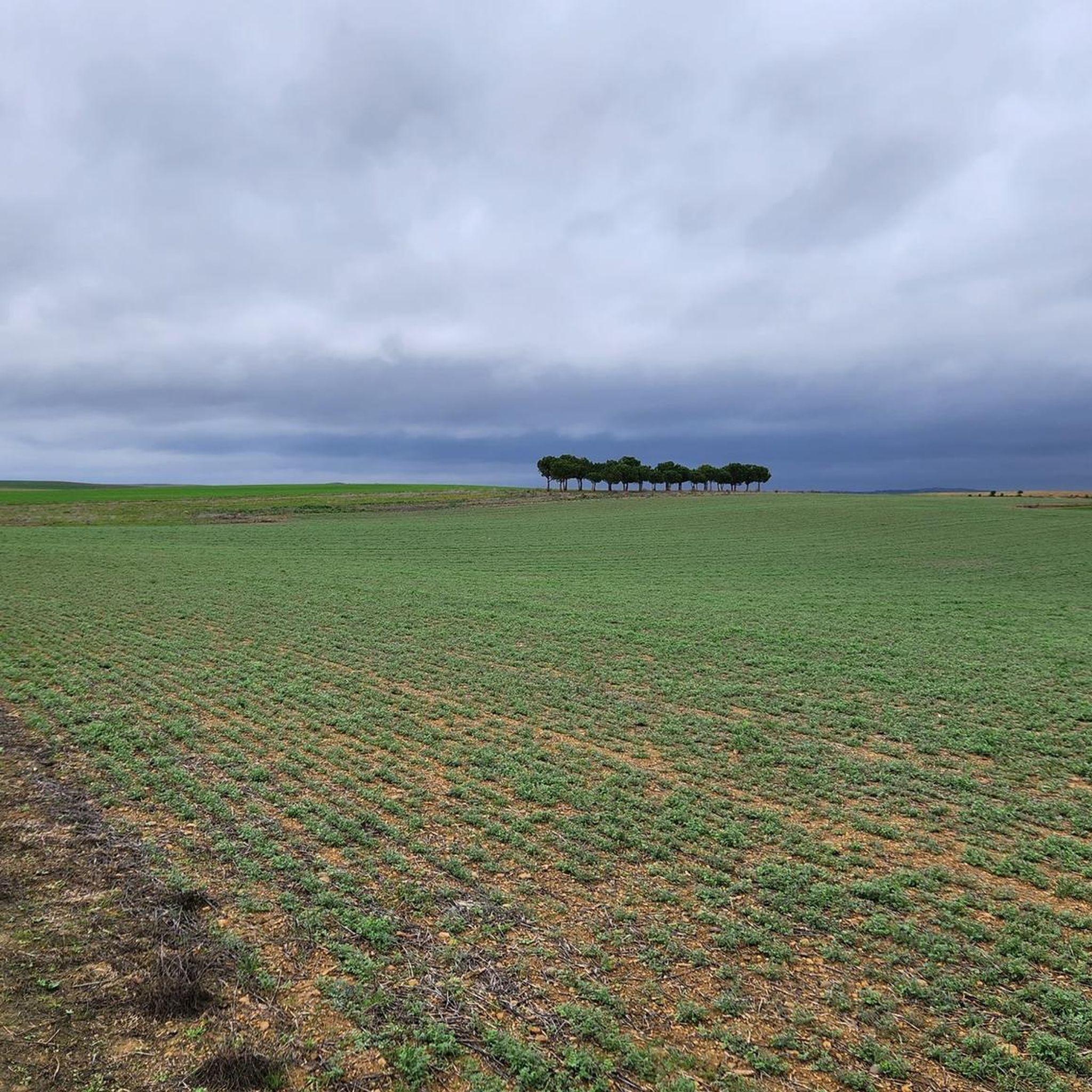
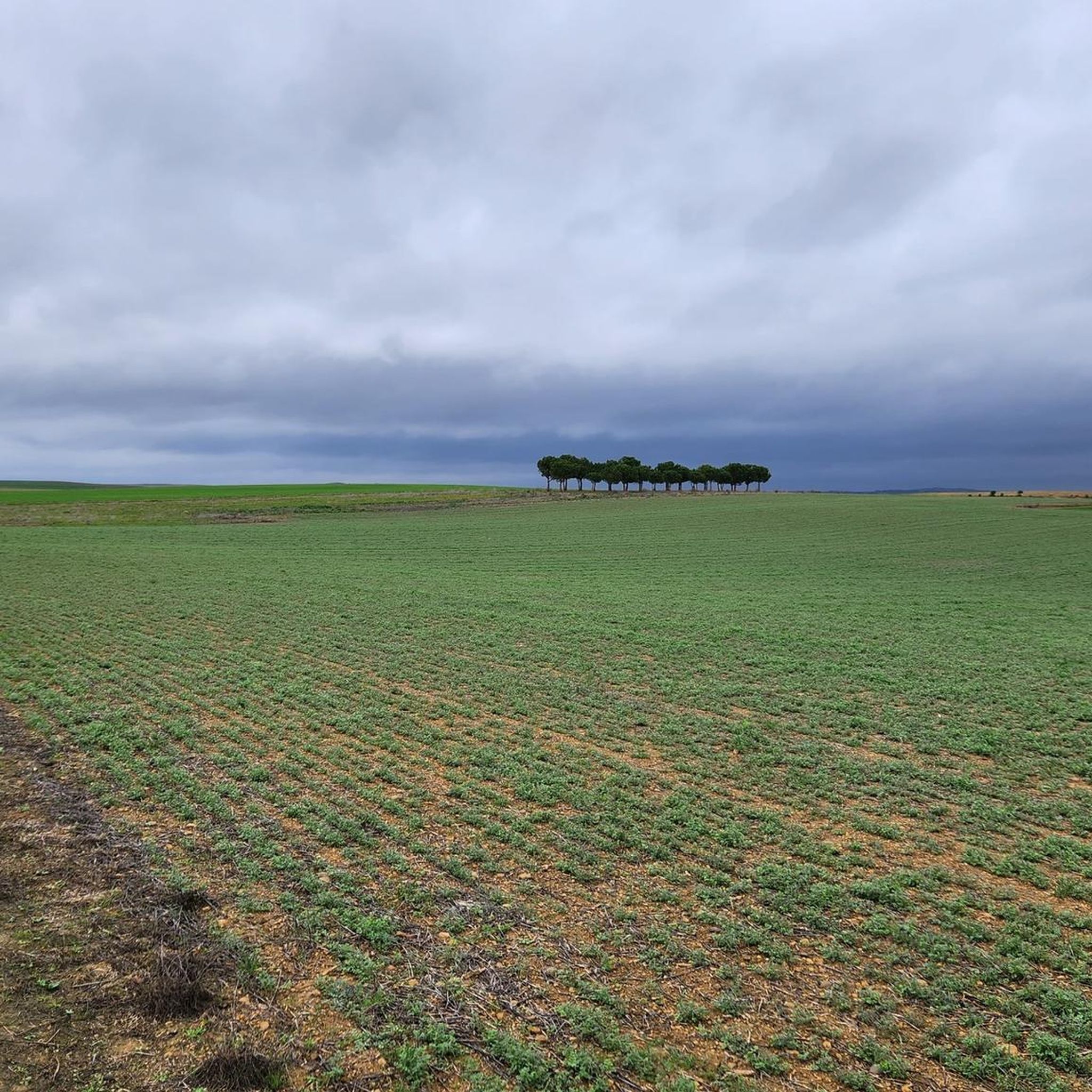
Standing in the middle of the path, impossible to miss
0
1
Frequently Asked Questions
What historical and cultural sites can I visit in Villasarracino?
Villasarracino offers a rich historical and cultural heritage. You can explore the 16th-century Church of Nuestra Señora de la Asunción, known for its Herrerian tower and Baroque altarpieces. Another significant site is the Hermitage of Nuestra Señora de la Piedad, a Baroque hermitage housing a 15th-century carving of the Virgen de la Piedad. Additionally, the House-Museum of Fray Félix Cuadrado showcases the life and collection of a Dominican missionary, and an Ethnographic Museum preserves the town's rural history.
Are there any notable religious buildings or monuments nearby?
Yes, several significant religious buildings and monuments are located near Villasarracino. The Monastery of San Zoilo, an ancient monastery that provided shelter for pilgrims, underwent a Renaissance renovation in the 16th century. The Santa María del Camino Church is another large pilgrim church from the 12th century with many art-historical treasures. You can also see the Pilgrim Statue in Carrión de los Condes, a bronze sculpture representing a traditional pilgrim, and the Statue of Pablo Payo Pérez, commemorating an innkeeper who served Camino de Santiago pilgrims.
What kind of outdoor activities can I do around Villasarracino?
The region around Villasarracino, part of the Tierra de Campos, is ideal for exploring agricultural landscapes and traditional rural environments. You can find various outdoor activities, including hiking and road cycling. For detailed routes and trails, you can explore the hiking routes around Villasarracino or the road cycling routes around Villasarracino.
Are there family-friendly attractions in the area?
Yes, several attractions in the vicinity are considered family-friendly. These include the Monastery of San Zoilo, the Puente Mayor de Carrión de los Condes, and the Santa María del Camino Church. Additionally, the Statue of Pablo Payo Pérez and the Pilgrim Statue in Carrión de los Condes are accessible and popular spots for families.
What is the best time to visit Villasarracino for tourism and outdoor activities?
While specific seasonal recommendations are not detailed, the Tierra de Campos region, with its agricultural landscapes, is generally pleasant in spring and autumn for exploring historical sites and engaging in outdoor activities like hiking and cycling. These seasons offer milder temperatures compared to the summer heat.
What are the natural features of the Villasarracino region?
Villasarracino is situated in the "Tierra de Campos Palentina" region, characterized by its extensive plains and agricultural landscapes. The area is known for its traditional rural environment and is located in the foothills of this region. While there are no prominent unique natural features directly within the town, the surrounding countryside offers scenic views typical of the Castilian plains.
Where can I find hiking trails near Villasarracino?
There are several hiking trails available near Villasarracino, catering to various difficulty levels. For example, you can find moderate trails like the 'Monasterio de Santa María de Benevívere from Carrión de los Condes — Camino de Santiago' or the 'Calzada de los Molinos from Carrión de los Condes — circular by the Camino de Santiago Francés'. You can explore more options and detailed routes on the hiking guide for Villasarracino.
Are there any wheelchair-accessible attractions?
Yes, some attractions in the area are noted as wheelchair-accessible. These include the Pilgrim Statue in Carrión de los Condes and the Statue of Pablo Payo Pérez. These monuments offer easy access for visitors with mobility needs.
What do visitors enjoy most about the attractions around Villasarracino?
Visitors appreciate the historical and cultural significance of the sites, particularly those related to the Camino de Santiago. The Pilgrim Statue and the Statue of Pablo Payo Pérez are popular for their commemorative value and as photo opportunities. The Monastery of San Zoilo and the Santa María del Camino Church are valued for their architectural beauty and historical depth, offering a glimpse into the region's past.
How can I get to Villasarracino and its nearby attractions?
Villasarracino is located approximately 50 km from the Palencia capital and about 13 km from Carrión de los Condes. While specific public transport details for Villasarracino itself are not provided, its proximity to larger towns suggests driving or local transport options would be available from Palencia or Carrión de los Condes to reach the municipality and its surrounding attractions.
Are there any bridges or significant architectural structures to see?
Yes, the Puente Mayor de Carrión de los Condes is a notable stone bridge that historically served as a crossing point for pilgrims over the Carrión River. Today, it's part of the road and offers scenic views, including a look back at Carrión de los Condes with the church Nuestre Senora de Belen.

Get inspired with the komoot mobile app


Explore more
Still not found the Highlight you’re looking for? See guides of the top attractions in other regions:
