Attractions and Places To See around Coria - Top 14
Attractions and places to see around Coria are found in the province of Cáceres, Extremadura, a city with a rich history. Situated above the Alagón River, Coria features a blend of Roman, Gothic, and Renaissance influences in its architecture and historic center. The area offers a variety of historical landmarks, cultural sites, and natural features, including riverine landscapes.
Best attractions and places to see around Coria
- The most popular attractions is Medieval Bridge of Coria, a bridge that is…
Last updated: August 23, 2026
Medieval Bridge of Coria
Highlight • Bridge
Translated by Google •
Tip by

Iron Bridge of Coria
Highlight • Bridge
Translated by Google •
Tip by
Sign up now to discover places like this
Get recommendations on the best single tracks, peaks, & plenty of other exciting outdoor places.
Sign up for free
Church of Santa Catalina
Highlight • Religious Site
Showing Translation
Tip by
El Chorrerón Waterfall and Stone Bridge
Highlight • Waterfall
Translated by Google •
Tip by

Church of San Salvador de Calzadilla
Highlight • Religious Site
Translated by Google •
Tip by
Sign up for free to discover even more attractions around Coria.
Sign up for free
Already have an account?
Start today with a free account
Your next adventure awaits.
Login or Signup
Tips from the Community

The church is dedicated to Saint Catherine of Alexandria, patron saint of Riolobos. Its patron saint festivals are celebrated from November 25 to 27, popularly known as 'las Catalinas', one of the most important celebrations in the municipality, documented at least since the 18th century.
1
0
The Church of Santa Catalina is the main religious and heritage monument of Riolobos, and one of the most representative buildings in the municipality. It is located in the center of the town, in the Plaza Mayor (Plaza de la Iglesia), and remains the active parish church of the locality today. Building constructed mainly of masonry, highlighting the use of slate, a common material in the region.
1
0

The bridge..... ...... eye
1
0
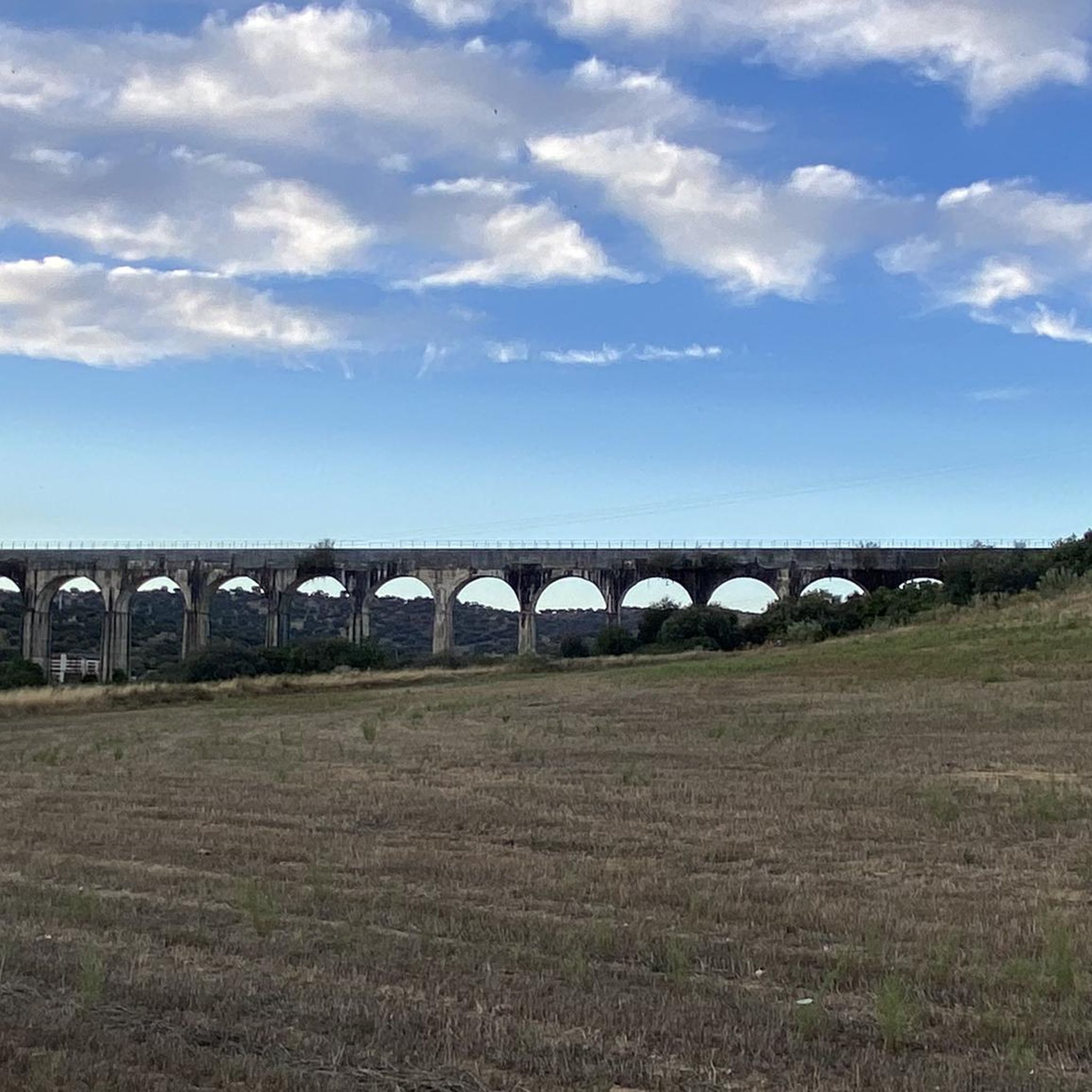
The Iron Bridge in Coria is a beautiful civil work of metal architecture and nineteenth-century modernist design. It was built by the Asturian engineers D. Salvador and D. Próspero Ardura. The bridge stands over the Alagón River, connecting both banks in the City of Coria. Its total length is 178.30 meters, and its deck has a width of 7.78 meters, with a two-way road flanked by two sidewalks.
9
0
The Medieval Bridge of Coria is a historical structure that is located next to the main façade of the Monastery of San Juan Bautista or Corias. Its construction had the objective of connecting the monastery with the town of Corias. Although its foundations are believed to be of Roman origin, the bridge was rebuilt in 1571, as indicated by an inscription preserved on one of the stones of its parapet.
8
0

The old bridge (Puente renaissance) over the Alagón valley has no water running under it. It seems that the river waters were diverted to the south. The view from the bridge over the old city is very dramatic.
1
0

This is a very interesting site. There is a gorge with a waterfall to a very beautiful natural pool. Also, there is a wooden and stone bridge to cross the river.
4
0
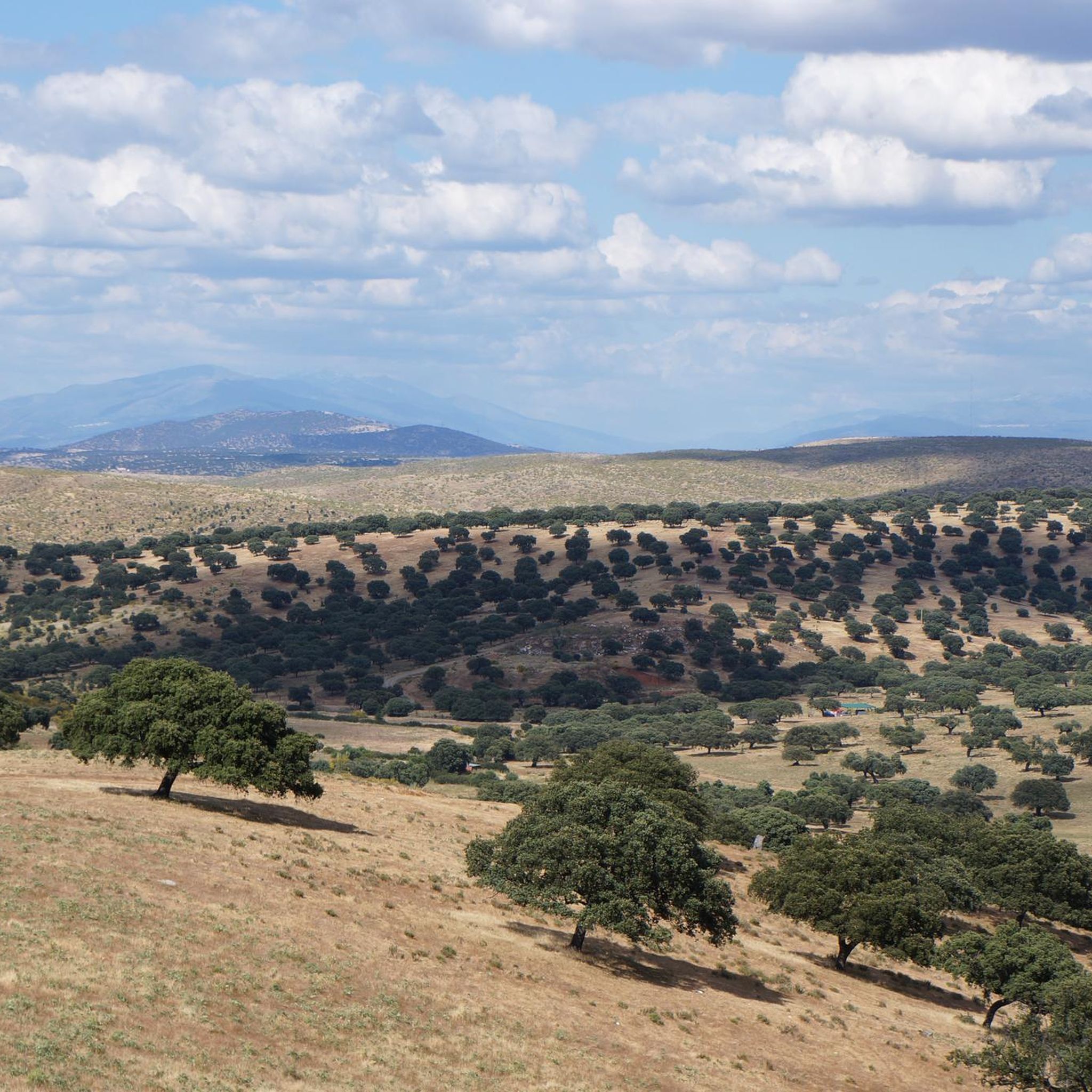
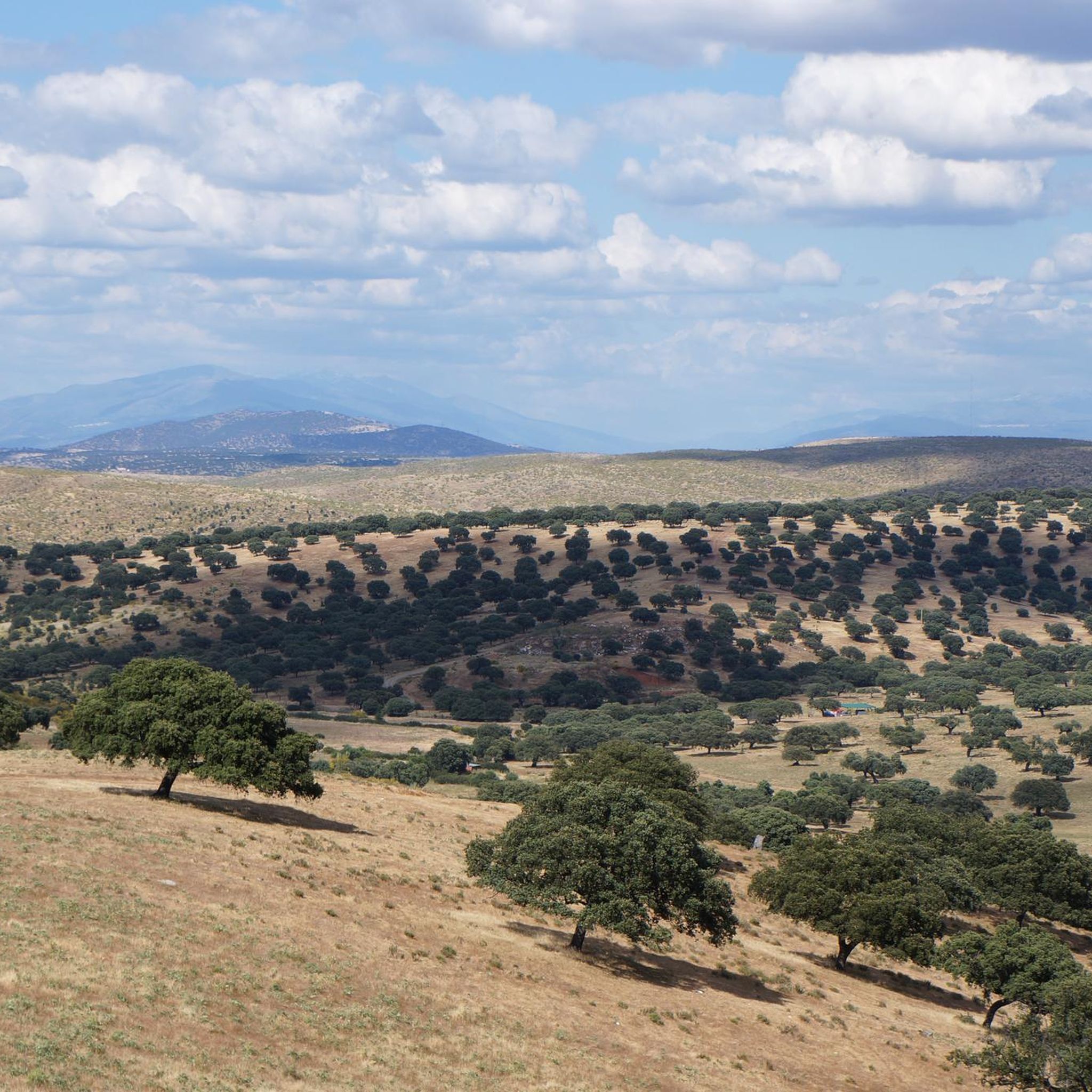
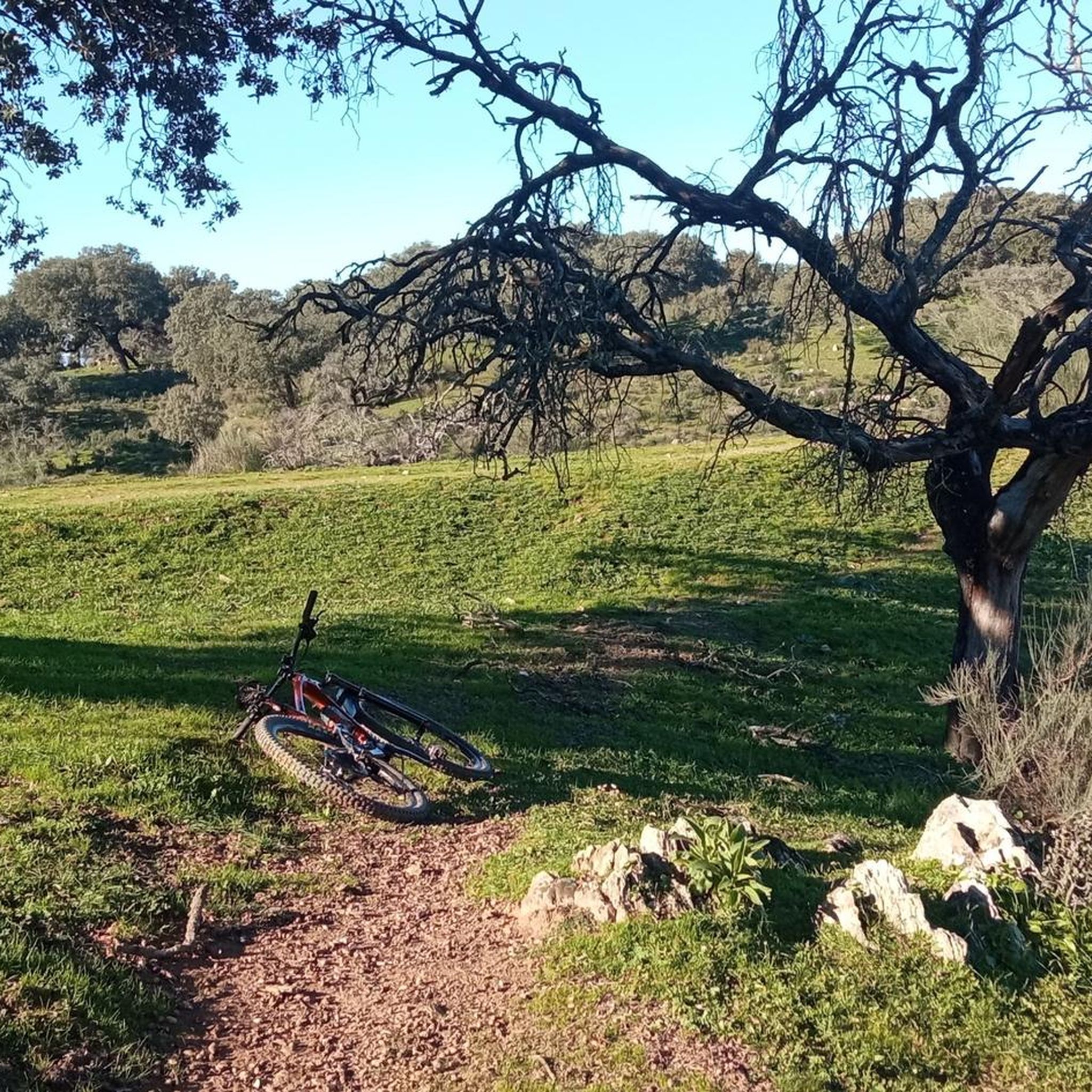
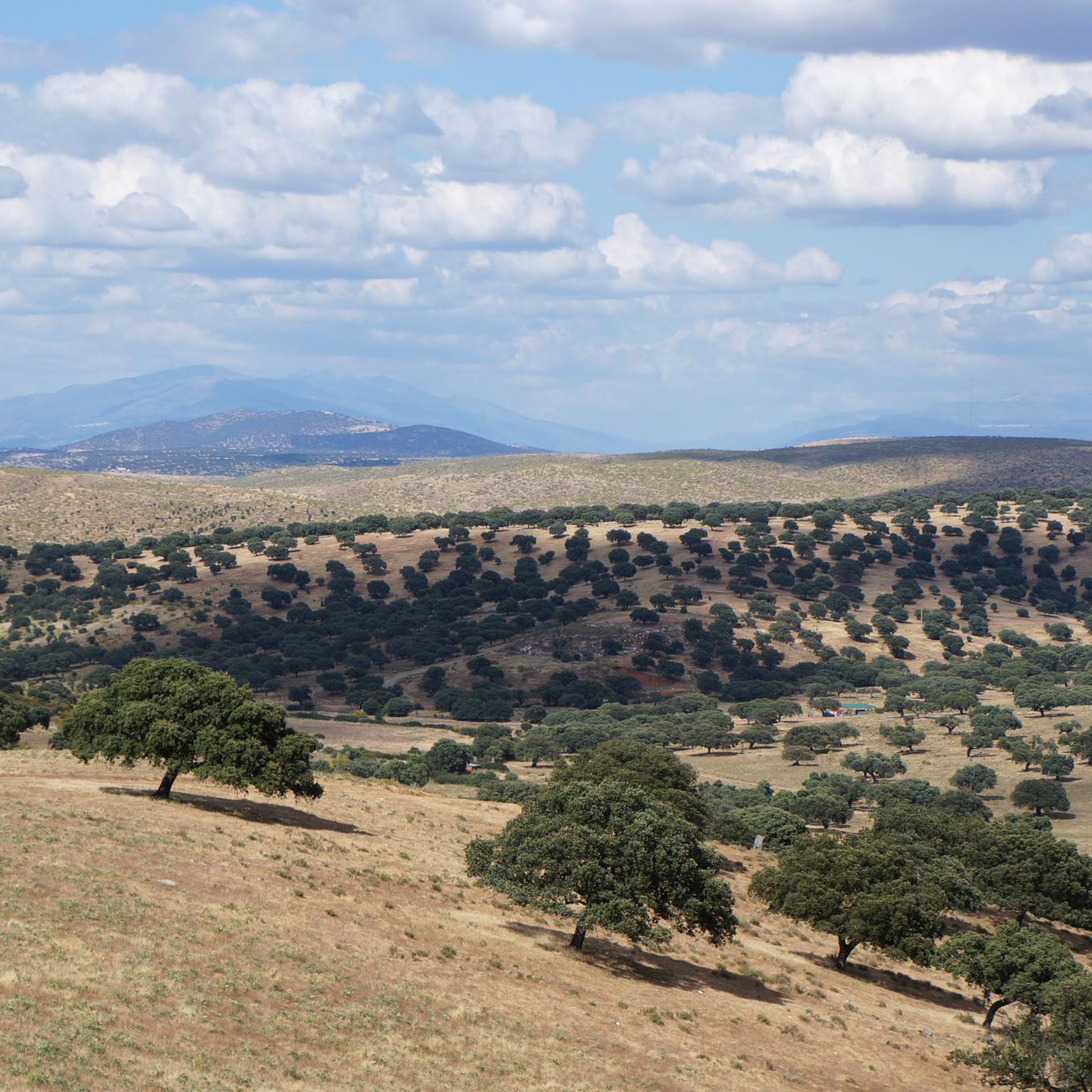
No one really knows much about the history of this quaint little town, but it is believed to be very old. There are historical vestiges and sites that link the town with the Visigothic or medieval times. Currently, there are less than 500 inhabitants in Calzadilla, but there are some interesting things to see and it is not a bad place to stop while cycling.
0
0
Frequently Asked Questions
What historical sites can I explore in Coria?
Coria is rich in history. You can visit the impressive Coria Cathedral, which blends Gothic and Renaissance styles, and is said to house a relic from the Last Supper. The city's nearly intact Roman Walls, dating from the 1st to 4th centuries AD, are among the best-preserved in Europe. Don't miss the 15th-century Castle of the Dukes of Alba with its elegant keep, or the unique Medieval Bridge of Coria, which now stands over a dry riverbed.
Are there any natural attractions or viewpoints around Coria?
Yes, Coria offers several natural spots. You can enjoy the scenic views along the Alagón River, which flows near the city. The El Chorrerón Waterfall and Stone Bridge is a very interesting site featuring a gorge with a waterfall leading to a natural pool. For a relaxing experience, explore the Paseo Fluvial de La Isla, a tree-lined riverside walkway, or the Coria Botanical Garden, showcasing Mediterranean flora.
What kind of outdoor activities can I do near Coria?
The area around Coria is great for outdoor enthusiasts. You can go hiking on various trails, such as the 'Coria to Ermita Virgen de Argeme' or the 'Route of the Canals'. For cycling, there are road cycling routes like 'Torrejoncillo from Coria' or mountain biking trails including 'Coria a Torrejoncillo – circular por Rincón del Obispo'. You can find more details on these activities and routes on the hiking guide, road cycling guide, and MTB guide for Coria.
Are there family-friendly attractions in Coria?
Coria offers several attractions suitable for families. The Iron Bridge of Coria is a fascinating piece of 19th-century modernist design that connects both banks of the Alagón River, perfect for a family stroll. The Cadenetas Park features one of the largest skate parks in Extremadura and is a great urban green space. Exploring the historic center with its Roman walls and medieval layout can also be an engaging experience for all ages.
What are some unique architectural landmarks in Coria?
Beyond the Cathedral and Castle, Coria boasts several unique architectural landmarks. The Iron Bridge of Coria is a notable civil work of metal architecture from the 19th century. The Old Bridge (Puente de Piedra) is a curious Renaissance landmark that famously stands over a dry riverbed due to a historical change in the Alagón River's course. The Colección Museográfica Cárcel Real, a 17th-century former royal prison, also offers a glimpse into the city's past.
What is the best time of year to visit Coria for outdoor activities?
While specific data for Coria is not provided, generally, the Extremadura region experiences hot summers. Therefore, the best times for outdoor activities like hiking and cycling would typically be during the spring (March to May) and autumn (September to November) when temperatures are milder and more comfortable for exploration.
Are there any cultural sites beyond the main landmarks in Coria?
Yes, Coria's rich history extends to several other cultural sites. You can visit the Colección Museográfica Cárcel Real, a museum housed in a 17th-century former royal prison. The Episcopal Palace, built in 1626, and the Church of Santiago Apóstol, with its Gothic-Renaissance style, are also significant. The 15th-century Convent of Madre de Dios within the city walls showcases splendid architectural style.
What makes the Medieval Bridge of Coria unique?
The Medieval Bridge of Coria is unique because, despite its historical purpose of spanning the Alagón River, it now stands over a dry riverbed. This is a result of the river's course changing due to a flood in 1590. Its foundations are believed to be Roman, though it was rebuilt in 1571, offering dramatic views of the old city.
What is the Iron Bridge of Coria known for?
The Iron Bridge of Coria is known for its impressive 19th-century modernist design and cast-iron architecture. Built between 1901 and 1909, this nearly 180-meter-long bridge connects both banks of the Alagón River and is considered a beautiful civil work of metal architecture.
Are there any parks or green spaces in Coria?
Absolutely. Coria offers the Coria Botanical Garden on the city's outskirts, which features a rich collection of flora typical of the Mediterranean forest. Additionally, the Cadenetas Park is an urban green space that includes one of the largest skate parks in Extremadura and is also a good spot for birdwatching.
What kind of wildlife can I expect to see in the Coria region?
While Coria itself offers local flora in its botanical garden and birdwatching opportunities in Cadenetas Park, the wider region is home to significant wildlife. A short distance away, Monfragüe National Park, a UNESCO Biosphere Reserve, is renowned for its rich fauna. Here, ornithologists can spot rare birds such as Spanish imperial eagles, golden eagles, black vultures, and black storks.
What are some of the historical fortifications in Coria?
Coria's defensive past is evident in its well-preserved fortifications. The most prominent are the nearly intact Roman Walls, extending over a kilometer with 20 towers and four gates, offering a glimpse into ancient defenses. The 15th-century Castle of the Dukes of Alba, built on the site of a Templar fortress, also served as a significant defensive stronghold.

Get inspired with the komoot mobile app


Explore more
Still not found the Highlight you’re looking for? See guides of the top attractions in other regions:
