The best MTB trails around Tábara
4.5
(2)
8
riders
7
rides
Mountain biking around Tábara offers diverse landscapes, from the challenging terrain of the Sierra de la Culebra to scenic river valleys. The region features an extensive network of trails that traverse varied topography, including sections along the Aliste and Tera rivers. Riders can explore routes that pass through natural scenery and incorporate features like the Embalse de Nuestra Señora de Agavanzal reservoir. The area provides a mix of unpaved sections and elevation changes suitable for different skill levels.
Best mountain…
Last updated: October 15, 2026
4.0
(1)
3
riders
69.0km
05:39
570m
570m
Hard mountain bike ride. Very good fitness required. Advanced riding skills necessary.
Moderate mountain bike ride. Good fitness required. Suitable for all skill levels.

26.3km
02:13
220m
220m
Moderate mountain bike ride. Good fitness required. Suitable for all skill levels.
26.1km
01:57
200m
200m
Easy mountain bike ride. Great for any fitness level. Suitable for all skill levels.
1
riders
41.6km
03:36
440m
440m
Moderate mountain bike ride. Good fitness required. Suitable for all skill levels.
Get access to more routes and recommendations from other explorers.
Already have an account?
Our route recommendations are based on thousands of hikes, rides, and runs completed by other people on komoot.

Tips from the Community

Tábara is a Spanish municipality of about 830-950 inhabitants located in the province of Zamora, within the autonomous community of Castile and León. This small village stands at an altitude of 749 meters and is the capital of the Tierra de Tábara comarca. It represents a center of great historical-cultural importance, as well as being a fundamental stop for pilgrims traveling the Camino Sanabrésl
1
0

Stones that explain nothing, yet say everything. The ruins of Castillón appear half-forgotten, as if the landscape itself had claimed them. Not much remains standing, but what is important remains: the feeling of a borderland, of a place that was once key and is now silent. One of those places that are not visited, but discovered.
0
0
Legend has it that during a flood in the early 20th century, a cart carrying its entire load of wheat was swept away, and the next day it reappeared intact beneath the central arch of the bridge, as if the river had kept it to return it. The locals considered it a miracle and for years left dried ears of wheat among the stones as an offering. Even today, in summer, when the water level drops, some of those ears can still be seen trapped in the cracks of the old wall.
0
0

Tábara, located in the northwest of the province of Zamora (Castilla y León), is a town with a rich medieval history, a stunning natural setting, and a significant cultural heritage. Origins: These date back to the Bronze Age and Roman period. Middle Ages: It was an important monastic center with the Monastery of San Salvador de Tábara, founded by Saint Froilán in the 9th century at the behest of Alfonso III.
10
0

wonderful enclave with traditional corals
1
0

This is a great alternative to the road if you are mountain biking.
0
0
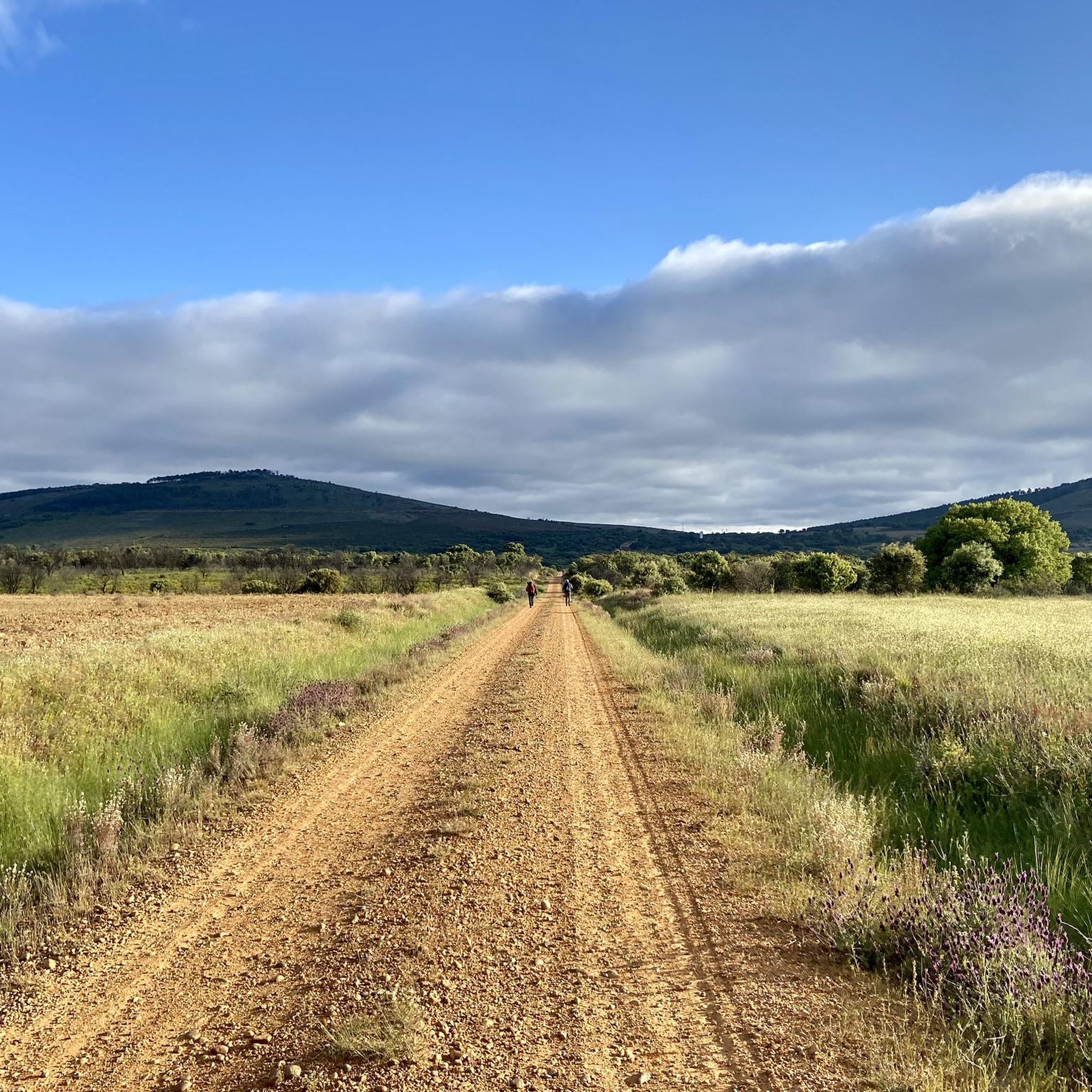
This is a nice section of dirt road that is perfect for a mountain bike and can be done on a gravel bike. As you go a bit further down the trail, the views get better.
0
0
This is a beautiful place to cross the Elsa River. The views are beautiful, and the old stone bridge with the arches is impressive.
1
0
Frequently Asked Questions
How many mountain bike trails are available around Tábara?
Tábara offers a good selection of mountain bike trails, with 9 routes currently listed. These trails cater to various skill levels, including easy, moderate, and difficult options.
What are the different difficulty levels of mountain bike trails in Tábara?
The mountain bike trails around Tábara are categorized into three main difficulty levels: 2 easy routes, 4 moderate routes, and 3 difficult routes. This variety ensures options for different experience levels, from casual rides to challenging expeditions through areas like the Sierra de la Culebra.
What natural features can I expect to see along the mountain bike trails in Tábara?
Mountain biking in Tábara allows you to explore diverse natural landscapes. You'll encounter the challenging terrain of the Sierra de la Culebra, scenic river valleys along the Aliste and Tera rivers, and picturesque views around the Embalse de Nuestra Señora de Agavanzal reservoir. The region is known for its natural scenery and wildlife.
Are there any historical landmarks or attractions near the mountain bike trails in Tábara?
Yes, Tábara and its surroundings offer several historical and cultural attractions. You can find highlights such as the Quintos Bridge Over the Esla River and the Stone Bridge over the Esla River. The town of Tábara itself is home to the 10th-century Church of Santa María de Tábara, the Parish Church of Our Lady of the Assumption, and the Palace of the Marquis of Tábara.
Are there family-friendly mountain bike trails in Tábara?
Yes, Tábara has easy mountain bike trails suitable for families. These routes typically feature less challenging terrain and elevation changes, providing a pleasant experience for riders of all ages. For example, the Ruins of Castillon – Quintos Bridge loop from Moreruela de Tábara is an easy option.
Can I find circular mountain bike routes in Tábara?
Yes, there are several circular mountain bike routes available in the Tábara region. These routes allow you to start and finish in the same location, offering convenient exploration. An example is the Ruta de Los Molinos, Los Corrales y Las Madroñeras — circular desde Abejera, which explores the local countryside.
What is the best time of year for mountain biking in Tábara?
The Tábara region generally offers good conditions for mountain biking during spring and autumn, when temperatures are milder. Summers can be hot, while winters might bring cooler temperatures. Checking local weather conditions before your ride is always recommended.
Do I need any permits for mountain biking in the Tábara region, especially in Sierra de la Culebra?
Generally, mountain biking on established trails in the Tábara region does not require specific permits for individuals. However, if you plan to ride within protected areas like the Sierra de la Culebra, it's always advisable to check for any specific local regulations or restrictions that might apply to certain zones or times of the year.
Where can I park my car when mountain biking in Tábara?
While specific parking areas for each trailhead are not detailed, Tábara and surrounding villages typically offer public parking options. It's best to look for designated parking in the towns or near the start points of the routes you plan to ride. Always ensure you park responsibly and do not obstruct local access.
Is public transport available to reach the mountain bike trails in Tábara?
Public transport options to directly access specific trailheads in rural areas like Tábara can be limited. Tábara serves as a stop on the Camino Sanabrés, indicating some regional connectivity. For reaching trail starting points, a personal vehicle is often the most convenient option. You may find local bus services connecting Tábara to larger towns, but direct access to remote trails might require further planning.
What do other mountain bikers enjoy the most about mountain biking in Tábara?
The mountain biking experience in Tábara is highly rated by the komoot community, with an average score of 5.0 stars. Riders often praise the diverse terrain, from the challenging climbs in the Sierra de la Culebra to the scenic routes along river valleys and around the Embalse de Nuestra Señora de Agavanzal. The variety of routes caters to different skill levels, making it enjoyable for many.
Are there any long-distance mountain bike trails in Tábara?
Yes, Tábara offers options for longer mountain bike rides. For instance, the Sierra de la Culebra Deer Trail is a challenging route spanning 42.9 miles (69.0 km), offering significant elevation changes and a substantial ride for experienced cyclists.
Most popular routes around Tábara
Most popular attractions around Tábara

Get inspired with the komoot mobile app


Explore more
Browse the best MTB trails in other regions.
