Attractions and Places To See around Balboa - Top 20
Best attractions and places to see around Balboa. This region in Spain features significant sites along the Camino de Santiago, offering a blend of historical landmarks and mountain passes. Visitors can explore religious buildings, monuments, and scenic viewpoints that mark the pilgrimage route. The area provides opportunities to experience the cultural and geographical features of the Camino.
Best attractions and places to see around Balboa
- The most popular attractions is Galicia Border Marker on the Camino de Santiago, a…
Last updated: October 10, 2026
Church of Santa María la Real in O Cebreiro
Highlight • Religious Site
Translated by Google •
Tip by

Pilgrim Statue at Alto de San Roque
Highlight • Monument
The silhouette of the pilgrim whipped by the wind represents the …
Translated by Google •
Tip by

Sign up now to discover places like this
Get recommendations on the best single tracks, peaks, & plenty of other exciting outdoor places.
Galicia Border Marker on the Camino de Santiago
Highlight • Monument
Translated by Google •
Tip by

Statue of Saint James the Pilgrim at La Portela de Valcarce
Highlight • Monument
Translated by Google •
Tip by
The three passes of O Cebreiro
Highlight (Segment) • Mountain Pass
Tip by

Sign up for free to discover even more attractions around Balboa.
Already have an account?
Start today with a free account
Your next adventure awaits.
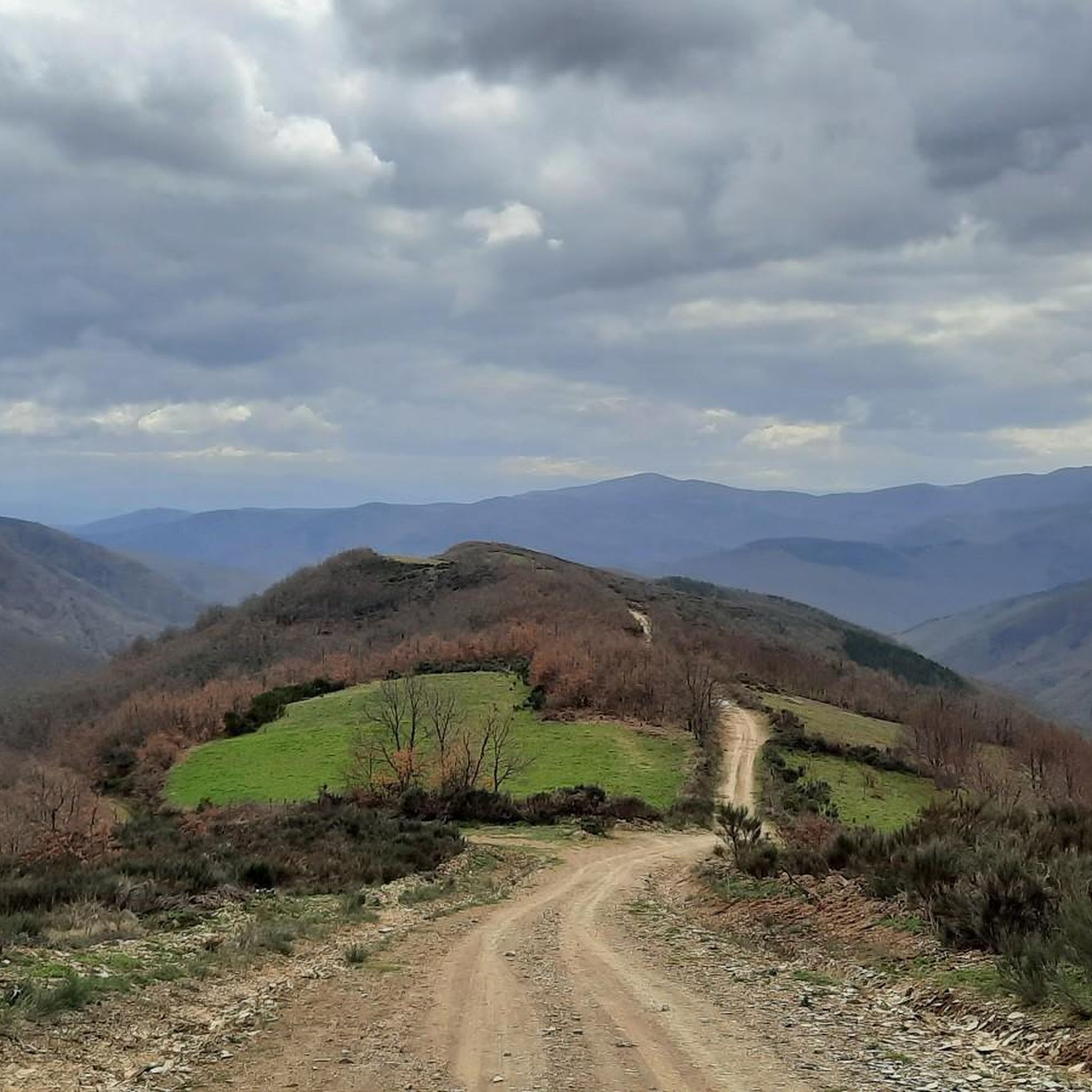
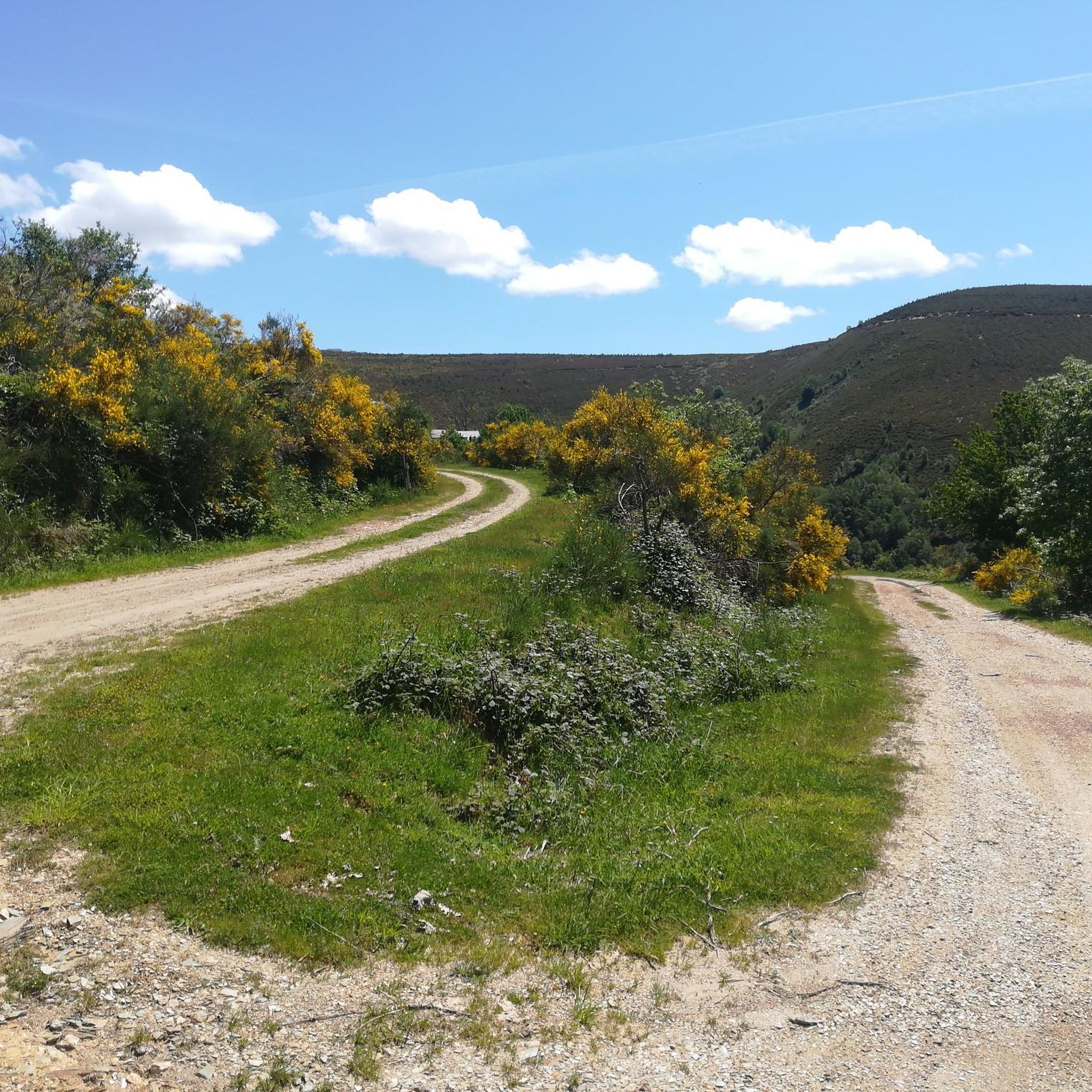
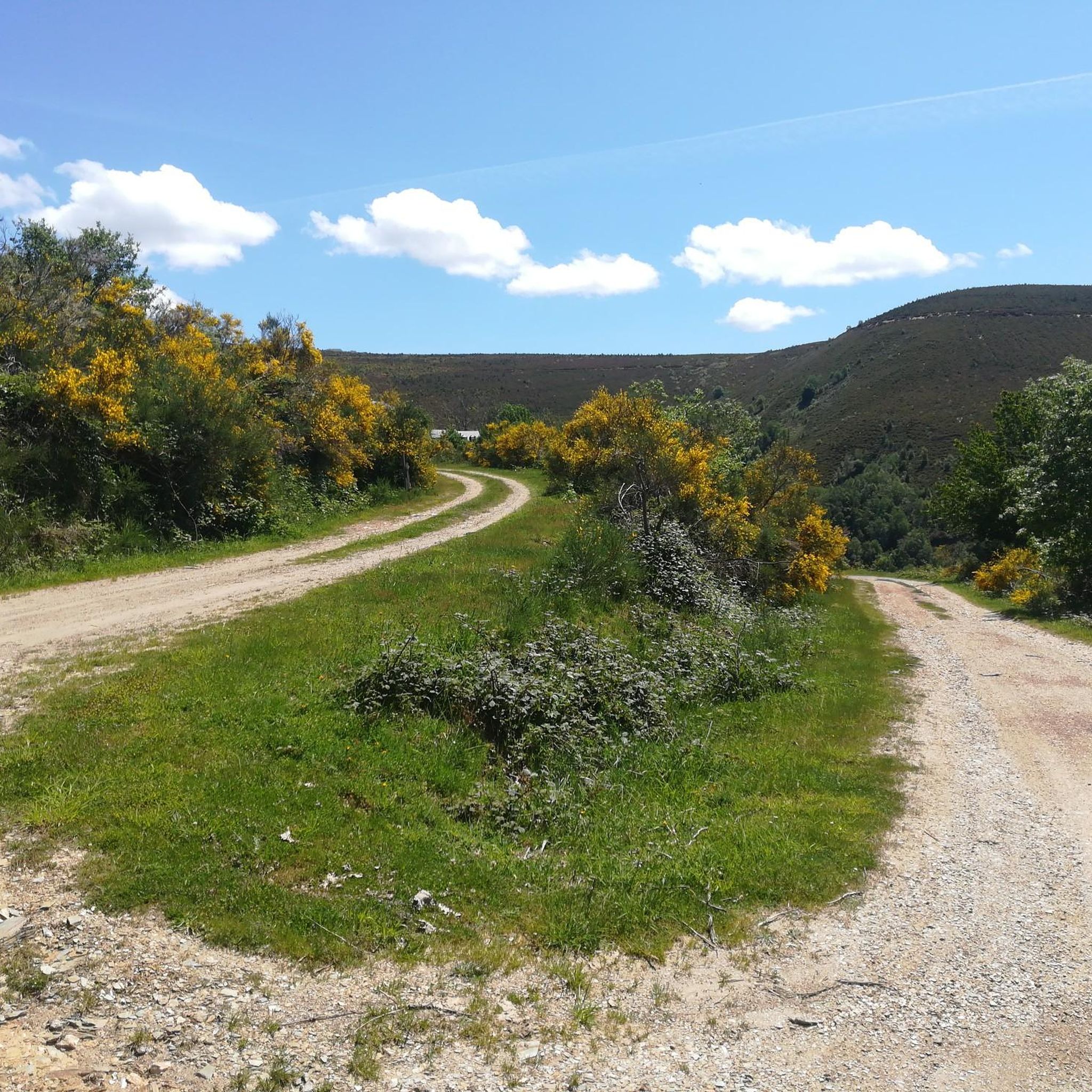
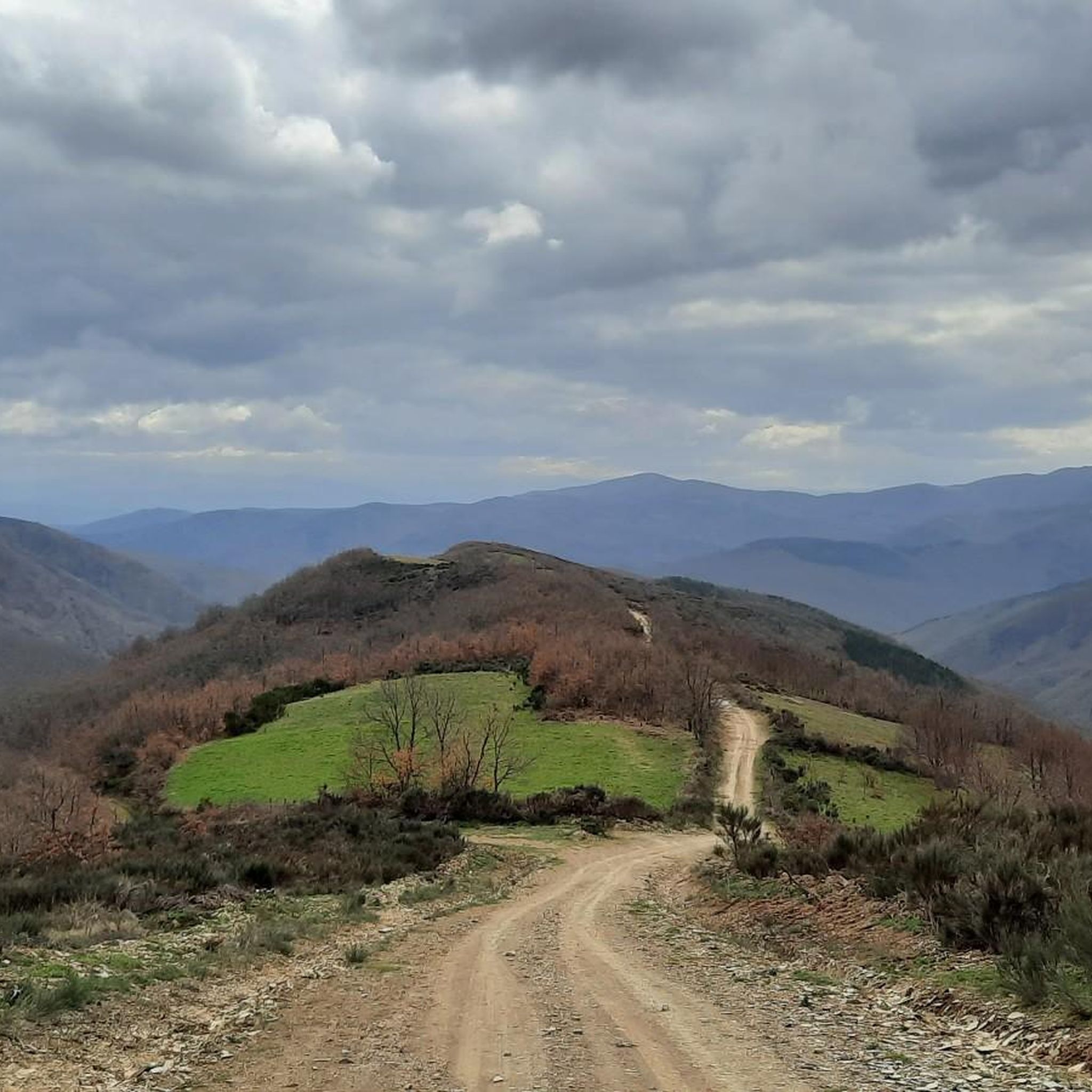
Tips from the Community

Of course, at this border—of which the pilgrim has already crossed several on his long journey through northern Spain—it is especially wonderful to have (finally) reached Galicia. This makes us realize that we are slowly but surely approaching the destination of the great and beautiful, but naturally also strenuous, pilgrimage route: the tomb of the Apostle James the Greater in Santiago de Compostela, Galicia.
2
1

The route over the 3 passes is beautiful and the scenery is very impressive. Once you have reached the Ceibero, the other passes are no longer so strenuous.
3
0

Passage en Galice juste avant O Cebreiro sur le Camino Francés
1
0

Beautiful border stone as entrance to Galicia on the Way of St. James
3
0

On the Camino de Santiago, you will find signs and symbols that will guide you during your pilgrimage. In short, if you pay attention to these signs, it is unlikely that you will get lost on the Camino de Santiago. Have a good trip! 🚶♂️🌟
4
0
In La Portela de Valcarce, a small enclave in the province of León, you will find a statue in honor of the pilgrim. This statue remembers the distances from there to Roncesvalles and Santiago de Compostela. Additionally, in La Portela de Valcarce, you can visit the parish church of San Juan Bautista, in a popular baroque style, dating from the 17th and 18th centuries. A place full of history and beauty on the French Camino de Santiago! 🚶♂️🌟
9
0

We leave Castile
1
0

Fabulous ancient hilltop village on the ridgeline at the top of the long climb into Galicia. Well worth stopping for a while to explore, or staying overnight just to enjoy the views at sunrise and sunset.
3
0
Frequently Asked Questions
What are the most significant historical landmarks around Balboa?
The region is rich in history, particularly along the Camino de Santiago. Key landmarks include the Church of Santa María la Real in O Cebreiro, a 9th-century religious building considered the oldest surviving church on the Way. You can also find the Pilgrim Statue at Alto de San Roque, which symbolizes the effort of pilgrims, and the Galicia Border Marker on the Camino de Santiago, signifying entry into Galicia.
Are there any notable viewpoints or scenic spots in the Balboa area?
Yes, several attractions offer panoramic views. The Pilgrim Statue at Alto de San Roque, located at 1270 meters altitude, provides unique panoramic views of the surrounding mountains. Additionally, the three passes of O Cebreiro, including Alto do Cebreiro, Alto de San Roque, and Alto do Poio, offer magnificent landscapes of mountains and forests.
What kind of outdoor activities can I do near Balboa's attractions?
The area around Balboa is ideal for outdoor enthusiasts, especially those following the Camino de Santiago. You can find numerous routes for hiking and cycling. For instance, there are challenging road cycling routes like the 'Porto de Pedrafita – Becerreá loop' or 'Ponferrada Castle – Cebreiro Pass loop'. Hiking options include the 'Cantejeira Waterfall Trail' for an easy walk or the more difficult 'Ascent to O Cebreiro – Las Herrerías loop'. You can explore more options on the Hiking around Balboa and Road Cycling Routes around Balboa guide pages.
Are there family-friendly attractions or activities around Balboa?
Many of the historical sites along the Camino de Santiago are accessible and engaging for families. The Church of Santa María la Real in O Cebreiro and the Galicia Border Marker on the Camino de Santiago are considered family-friendly. Exploring the villages and monuments along the pilgrimage route can be a rewarding experience for all ages.
What is the significance of O Cebreiro in the Balboa region?
O Cebreiro is a highly significant stage of the Camino de Santiago. It features the Church of Santa María la Real, the oldest surviving church on the Way, and is known for its traditional pallozas (stone houses with thatched roofs). It's also a key mountain pass, marking a long climb and offering a sense of achievement for pilgrims.
What do visitors appreciate most about the attractions around Balboa?
Visitors frequently appreciate the historical and spiritual significance of the sites, especially those connected to the Camino de Santiago. The sense of accomplishment upon reaching landmarks like the Galicia Border Marker and the stunning panoramic views from high-altitude points like the Pilgrim Statue at Alto de San Roque are often highlighted. The blend of cultural heritage and natural beauty makes the region special.
Can I find easy walking trails near Balboa's attractions?
Yes, while many trails are part of the longer Camino de Santiago, there are easier options. For example, the 'Cantejeira Waterfall Trail' is an easy hiking route near Balboa. Many sections around the villages and historical sites offer gentle walks suitable for various fitness levels. You can find more details on the Hiking around Balboa guide page.
What is the best time of year to visit Balboa for outdoor activities?
The region experiences varied weather. While the Camino de Santiago is popular year-round, spring and autumn generally offer milder temperatures and fewer crowds, making them ideal for hiking and cycling. Summer can be warm, and winter can bring cold, clouds, fog, and winds, especially at higher altitudes like the passes of O Cebreiro.
Are there any unique monuments or statues to see?
Absolutely. The Pilgrim Statue at Alto de San Roque is a striking monument depicting a pilgrim braving the wind, symbolizing the journey. Another significant statue is the Statue of Saint James the Pilgrim at La Portela de Valcarce, which also indicates distances to Roncesvalles and Santiago de Compostela.
What kind of religious buildings can I explore in the Balboa area?
The region is deeply connected to the Camino de Santiago, featuring several important religious structures. The most prominent is the Church of Santa María la Real in O Cebreiro, a 9th-century Romanesque church with a side paradise. In La Portela de Valcarce, you can also visit the parish church of San Juan Bautista, dating from the 17th and 18th centuries.
How long should I plan to spend exploring the attractions around Balboa?
The time needed depends on your interests. If you're focusing on the main highlights like O Cebreiro and the key Camino landmarks, a full day or two would allow for a good exploration. For those undertaking sections of the Camino de Santiago or engaging in extensive cycling, several days or even a week would be more appropriate to fully experience the routes and attractions.
Are there any less crowded attractions or hidden gems in the area?
While the Camino de Santiago attracts many, exploring the smaller villages off the main path or taking some of the less-traveled hiking routes can offer a more serene experience. The ethnological museum in O Cebreiro, housed in an old palloza, provides a glimpse into local history and culture and is often less crowded than the main pilgrimage sites.
Most popular attractions around Balboa

Get inspired with the komoot mobile app


Explore more
Still not found the Highlight you’re looking for? See guides of the top attractions in other regions:
