The best walks and hikes around Toro
4.6
(8)
92
hikers
14
hikes
Hiking around Toro offers trails that traverse the plains of the Duero River basin, characterized by gentle rolling hills and agricultural landscapes. The region features routes along the Duero River, providing opportunities for riverside walks and views of the surrounding countryside. Elevation changes are generally moderate, making many trails accessible for various fitness levels. The area's terrain is primarily open, with some sections passing through vineyards or near small groves.
Best hiking trails around Toro
- The most popular hiking route…
Last updated: June 24, 2026
5.0
(1)
25
hikers
4.90km
01:22
90m
90m
Easy hike. Great for any fitness level. Easily-accessible paths. Suitable for all skill levels.
4.0
(2)
5
hikers
Moderate hike. Good fitness required. Easily-accessible paths. Suitable for all skill levels.

Sign up for free
3
hikers
11.1km
02:57
110m
120m
Moderate hike. Good fitness required. Easily-accessible paths. Suitable for all skill levels.
3
hikers
4.32km
01:14
100m
100m
Easy hike. Great for any fitness level. Easily-accessible paths. Suitable for all skill levels.
5.0
(3)
26
hikers
11.3km
03:00
120m
120m
Moderate hike. Good fitness required. Easily-accessible paths. Suitable for all skill levels.
Get access to more routes and recommendations from other explorers.
Sign up for free
Already have an account?
Our route recommendations are based on thousands of hikes, rides, and runs completed by other people on komoot.
Start today with a free account
Your next adventure awaits.
Login or Signup
Popular around Toro
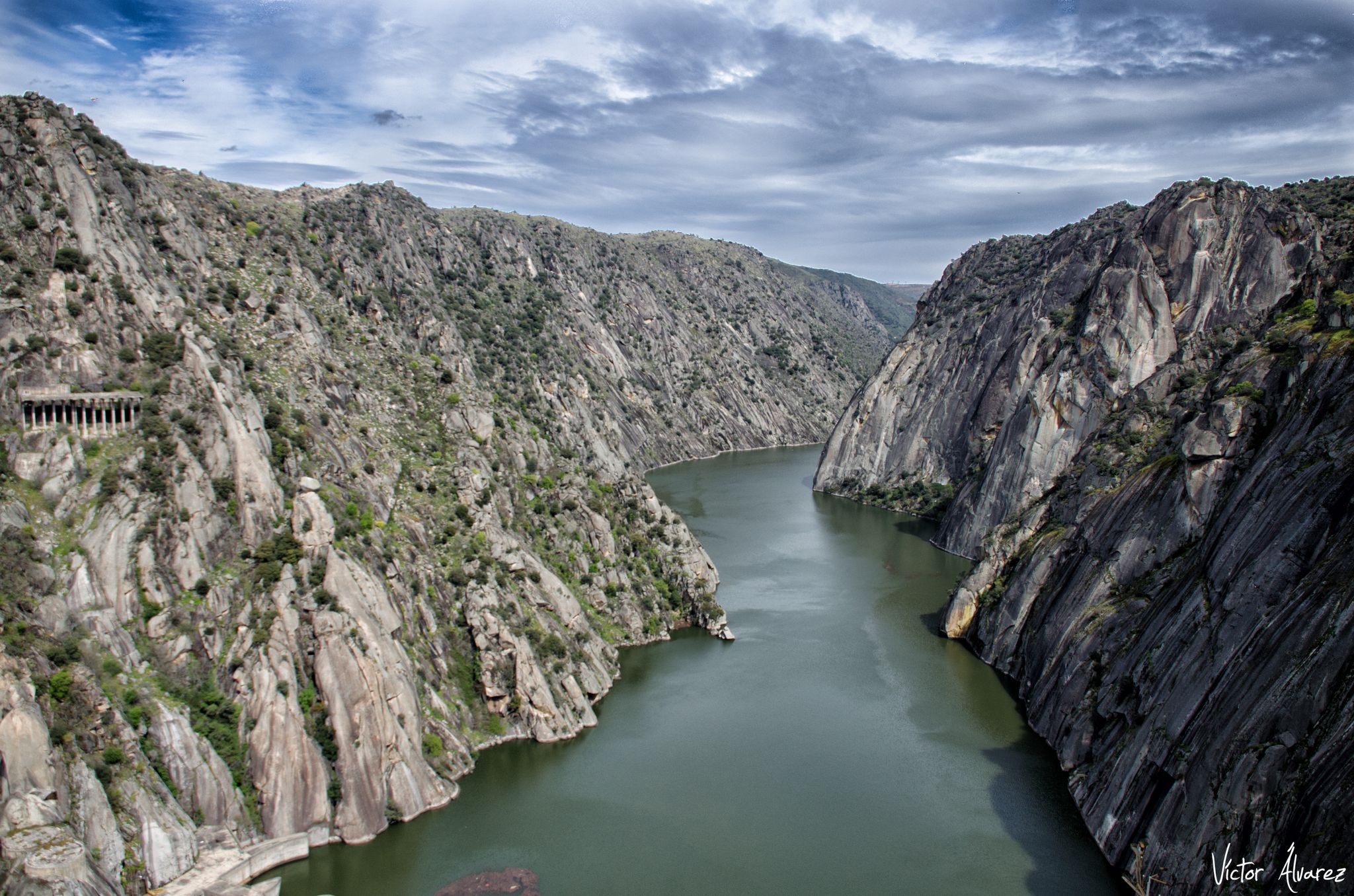
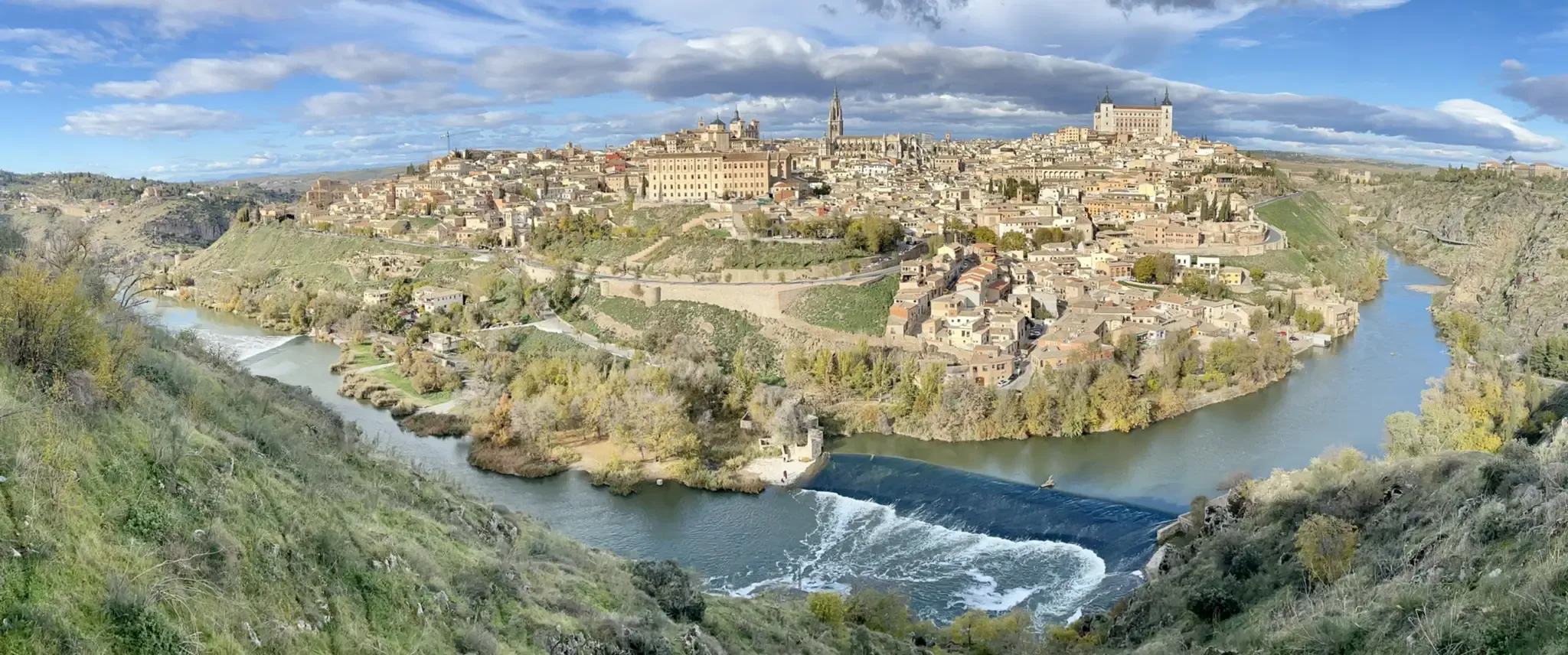
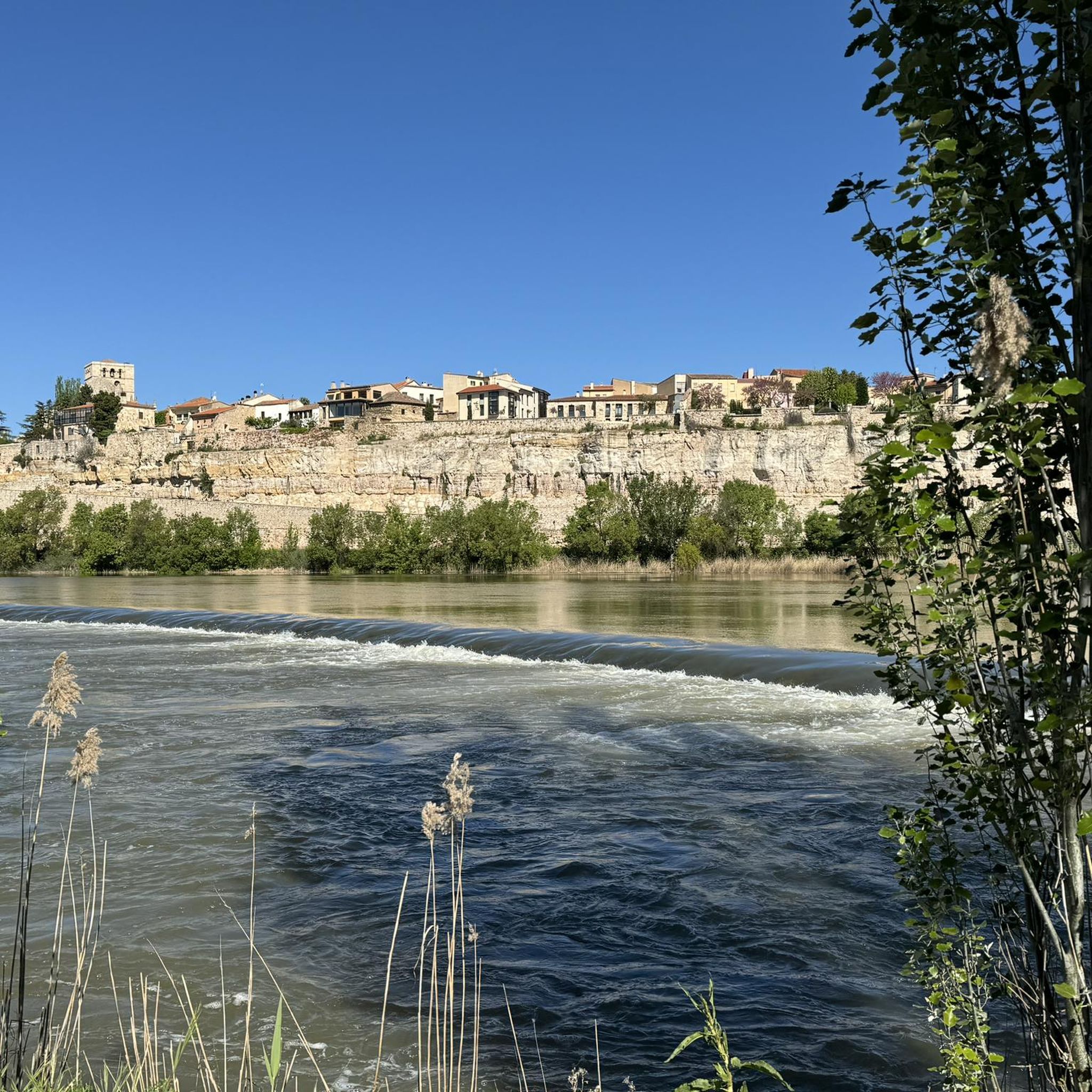
Other adventures around Toro


Tips from the Community

It was built between the late 12th and early 13th centuries by Commander Fernán (Hernán) Rodríguez de Valbuena, becoming a funerary chapel for the Order. For centuries, it served as a fortified church overlooking the Duero River, and was linked to the now-vanished castle and other medieval chapels in the town. It suffered several collapses in the 19th and 20th centuries, until the original ruins had practically disappeared; the current structure is the one dedicated to Santa María del Castillo (Saint Mary of the Castle).
4
0
Hermitage of Santa María del Castillo (also known as the Hermitage of Santo Cristo or the Church of the Order of Saint John) in Castronuño: Located on Alto de la Muela, on the banks of the Duero River in Castronuño (Valladolid). A medieval building originally linked to the Military and Hospitaller Order of Saint John of Jerusalem, which established a commandery here.
4
0

You can cross over the dam without any danger, it is a road with little traffic...
0
1
The San José Reservoir and Dam, also known as the Castronuño Dam, is a hydroelectric engineering project located in the middle course of the Duero River, about 2 km from the town of Castronuño. Built between 1941 and 1945, the dam is a gravity type and has a height of 14.05 metres.
6
0
The San José Reservoir and Dam, also known as the Castronuño Dam, is a hydroelectric engineering project located in the middle course of the Duero River, about 2 km from the town of Castronuño. Built between 1941 and 1945, the dam is a gravity type and has a height of 14.05 metres.
6
0
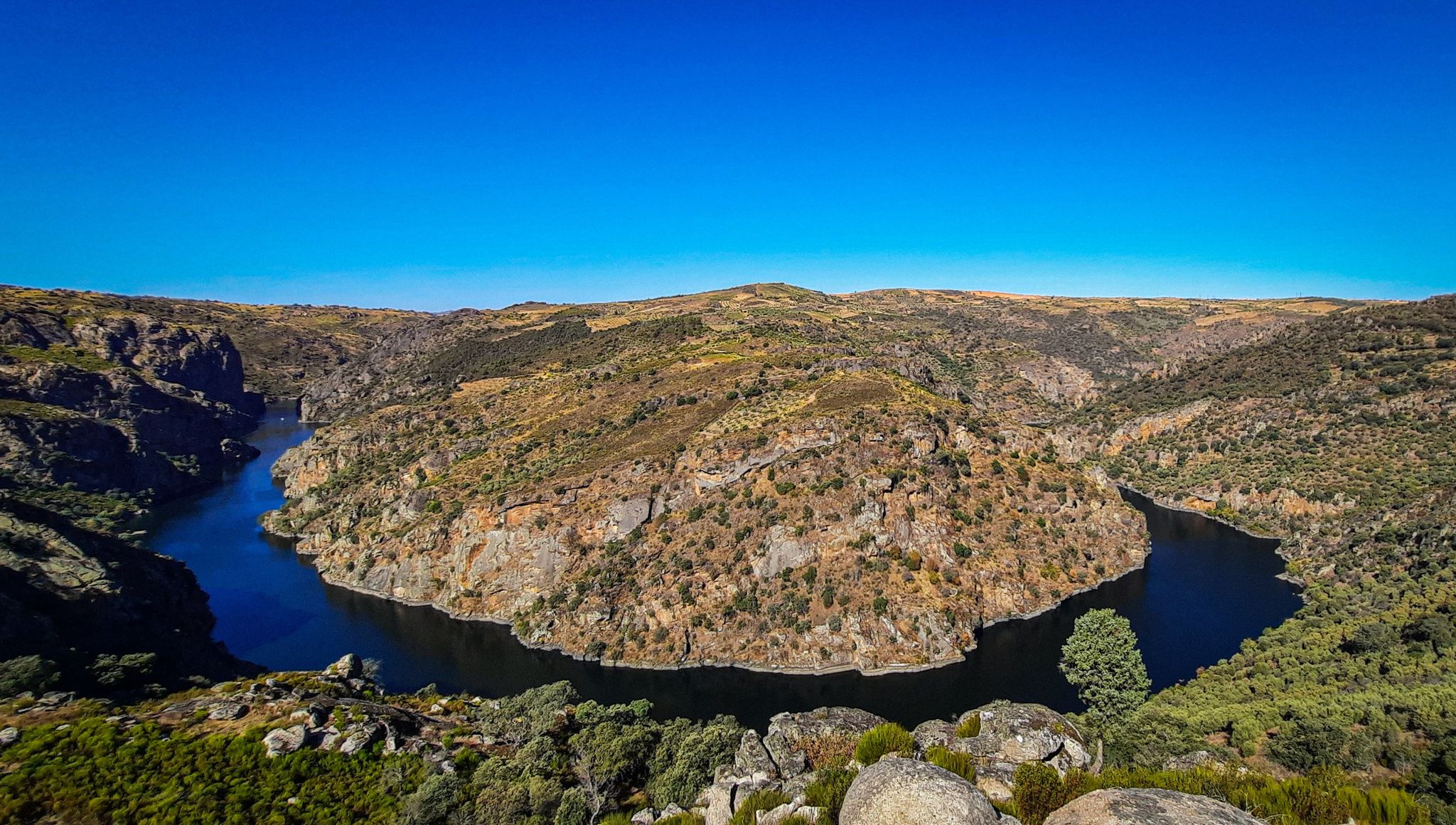
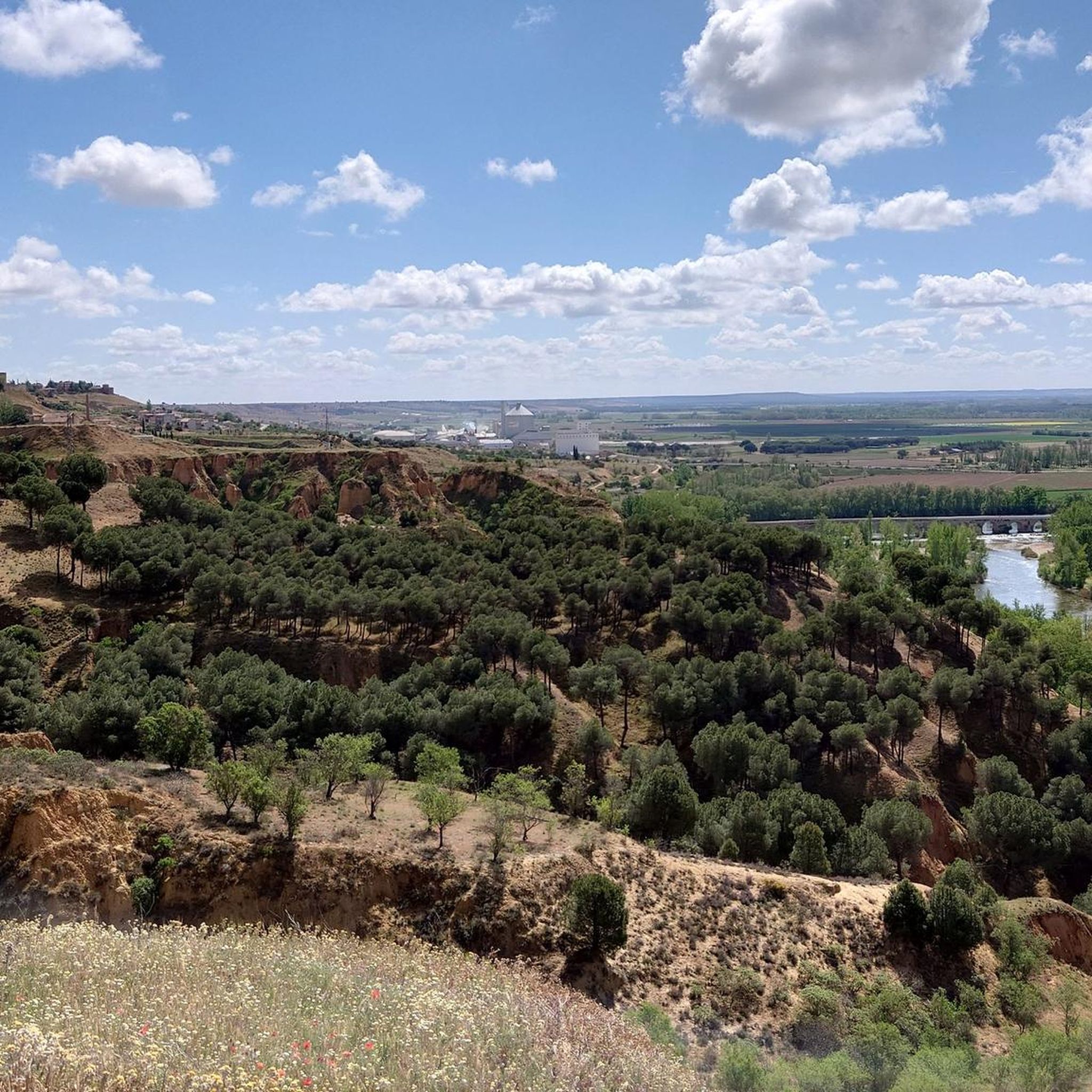
The natural viewpoint of La Muela Park in Castronuño is an impressive place that you cannot miss. From this privileged balcony, you can observe the great meander that the Duero River draws as it passes through Castronuño. This meander is one of the largest in Europe and is located in the heart of the Riberas de Castronuño natural reserve. The landscape is idyllic, and the river has been a silent witness to the passage of time and the history of this region. If you visit Castronuño, you should definitely explore this viewpoint and enjoy the panoramic views. Also, if you like hiking, there are interesting routes in the area. I hope you have a wonderful experience there! 😊
3
0
Toro is a municipality and Spanish city in the province of Zamora, in Castilla y León. It is located in the southeast of the province, in the heart of the Duero valley, about 33 km from the provincial capital. I hope you enjoy your visit to this charming city! 🌟
1
0
The inspiration for the Collegiate Church came from the Cathedral of Zamora, and its design also influenced other buildings, such as the Old Cathedral of Salamanca. Construction began in the 12th century under the auspices of the kings of León. It is one of the most characteristic examples of Romanesque in its transitional phase. The works extended over an unusually long period, from the last third of the 12th century to the middle of the 13th. The collegiate church was built in two stages: the first included the side portals, walls and layouts, while the second focused on the roof and a dome with attached towers. If you ever have the opportunity to visit Toro, don't miss the opportunity to explore this wonderful collegiate church. It is a true historical treasure! 🌟
3
0
Frequently Asked Questions
What kind of hiking trails can I expect around Toro?
Hiking around Toro primarily features routes that traverse the plains of the Duero River basin. You'll find gentle rolling hills and agricultural landscapes, with many trails following the Duero River itself. The terrain is generally open, with some sections passing through vineyards or small groves. Elevation changes are moderate, making routes accessible for various fitness levels.
How many hiking trails are available in Toro?
There are 12 hiking trails available around Toro. These include a mix of easy and moderate routes, ensuring options for different preferences and fitness levels.
Are there easy hiking trails suitable for beginners or families?
Yes, Toro offers 5 easy hiking trails. A great option for a relaxed walk is the Almond Tree Trail, which is about 4.9 km long and takes around 1 hour 21 minutes, leading through pleasant agricultural landscapes. Another easy choice is the Camino de Levante: Toro Loop, a 4.3 km route.
What are the typical lengths and durations of hikes in Toro?
Hikes in Toro vary in length and duration. Easy trails, like the Almond Tree Trail, are around 4.9 km and take about 1 hour 21 minutes. Moderate routes, such as the Villafranca de Duero on the banks of the Duero River — Castronuño Riverside Nature Reserve, can be up to 12.1 km and take around 3 hours 12 minutes.
Are there any challenging hikes in the Toro region?
The hiking trails around Toro are generally classified as easy or moderate. There are no trails currently listed as difficult, making the area suitable for those looking for accessible and enjoyable walks rather than strenuous climbs.
What interesting landmarks or attractions can I see near the hiking trails?
Several interesting landmarks and natural features are close to the hiking trails. You can visit the historic Collegiate Church of Santa María la Mayor (Toro) or the Clock Tower of Toro. For natural beauty, the San José Dam and the View of the Duero River Meander from La Muela Park offer scenic spots.
Are there circular hiking routes in Toro?
Yes, there are circular hiking routes available. For example, the Levante Way MTB Trail: Toro and Duero River Loop is a moderate 11.1 km loop that takes you through the Duero River valley. Another option is the San José Dam loop from Castronuño, which is about 9.9 km.
What is the best time of year to go hiking in Toro?
Given the region's agricultural landscapes and open plains, spring and autumn are generally the most pleasant times for hiking in Toro. Temperatures are milder, and the scenery is vibrant. Summer can be hot, while winter might bring cooler temperatures, but trails remain accessible.
What do other hikers say about the trails in Toro?
The trails in Toro are highly regarded by the komoot community, with an average rating of 4.6 stars from 8 reviews. Hikers often praise the accessible routes along the Duero River and the peaceful, open countryside views.
Can I bring my dog on the hiking trails in Toro?
While specific regulations for each trail may vary, generally, dogs are welcome on many outdoor trails in Spain, especially in open, rural areas like those around Toro. It's always recommended to keep your dog on a leash and ensure you clean up after them to respect the local environment and other hikers.
Are there opportunities for wildlife spotting on the hikes?
Hiking along the Duero River and through the Castronuño Riverside Nature Reserve, as seen on routes like Villafranca de Duero on the banks of the Duero River, offers good opportunities for birdwatching and observing local riverine wildlife. The open agricultural areas may also feature various bird species.
Most popular attractions around Toro

Get inspired with the komoot mobile app


Explore more
Browse the best Hikes in other regions.
