Attractions and Places To See around Quintana Del Marco - Top 20
Attractions and places to see around Quintana Del Marco, a municipality in the province of León, Castile and León, Spain, offer a glimpse into a rich history. Situated along the historic Vía de la Plata, a Roman road, the area is notable for its archaeological heritage. The Jamuz River divides the village, adding a natural element to its geography. Visitors can explore a blend of Roman and medieval sites, alongside traditional rural features.
Best attractions and places to see around…
Last updated: July 6, 2026
Vizana Bridge
Highlight • Bridge
Translated by Google •
Tip by

Plaza Mayor of La Bañeza
Highlight • Settlement
Translated by Google •
Tip by

Sign up now to discover places like this
Get recommendations on the best single tracks, peaks, & plenty of other exciting outdoor places.
Sign up for free
Castillo de los Pimentel
Highlight • Castle
Translated by Google •
Tip by

Alija del Infantado Town Center
Highlight • Settlement
Also noteworthy, as a …
Translated by Google •
Tip by
Eria Bridge in Castrocalbón
Highlight • Bridge
Translated by Google •
Tip by
Sign up for free to discover even more attractions around Quintana Del Marco.
Sign up for free
Already have an account?
Start today with a free account
Your next adventure awaits.
Login or Signup


Tips from the Community


Although only part of the tower remains today, its presence is imposing: it was once a stately home and today serves as the perfect viewpoint over the Óbigo Valley. A bike ride up here is both visually and culturally rewarding. A great spot for epic photos, a restful break with views, and a bit of history on wheels. If you're planning a route with interesting stops, this castle is a definite yes.
0
0

Castrocalbón is a place with a rich history and several points of interest that you can visit. Castrocalbón Castle: Although in ruins, it is a fascinating testimony to the medieval architecture and history of the region. San Pedro Church: A church with Romanesque and Gothic elements, which houses interesting altarpieces and sculptures. Hermitage of the Virgin of the Rosary: A place of local devotion, with simple architecture and a peaceful setting.
0
0

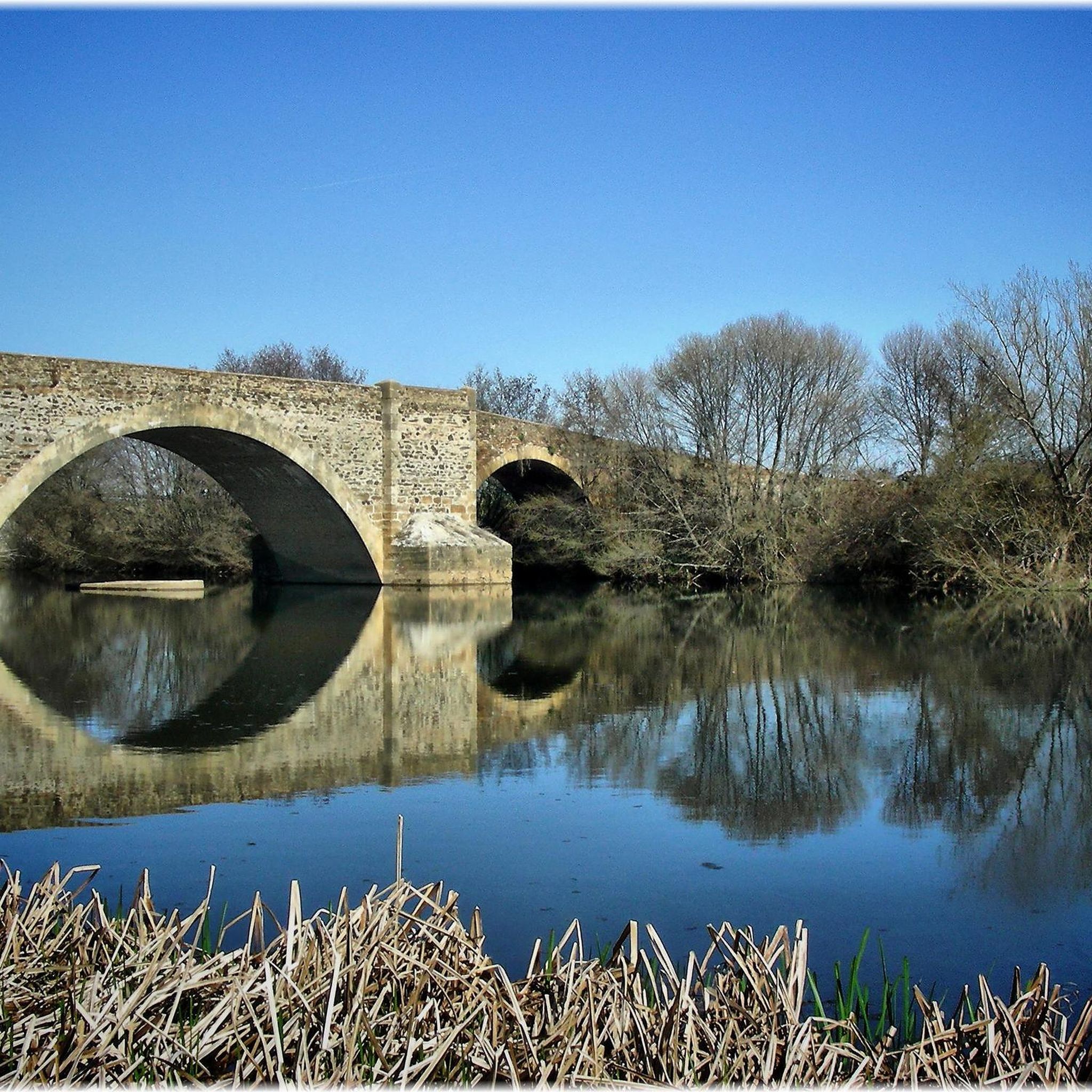
Another iconographic reference of Castrocalbón is this iron bridge over the Eria River built in the 1920s and which, despite the inconveniences it causes at this time, being quite narrow, already changes its image has become a symbol of Castrocalbón. A new bridge is currently in use a short distance from the old one, which is (for the time being) maintained due to its historical value.
1
0

The Pimentel castle, built in the 19th century. XV, it is a large square fortress. Inside, there is the Palacio de los Ponces, built in the 16th century. XIII and currently unusable, due to the fires suffered in 1808 and 1887. The dukes of Infantado rebuilt the now visible fortress.
1
0

Here you will find an interesting castle from the 11th century. It is in good condition because it has been maintained by the different families that have owned it.
1
0

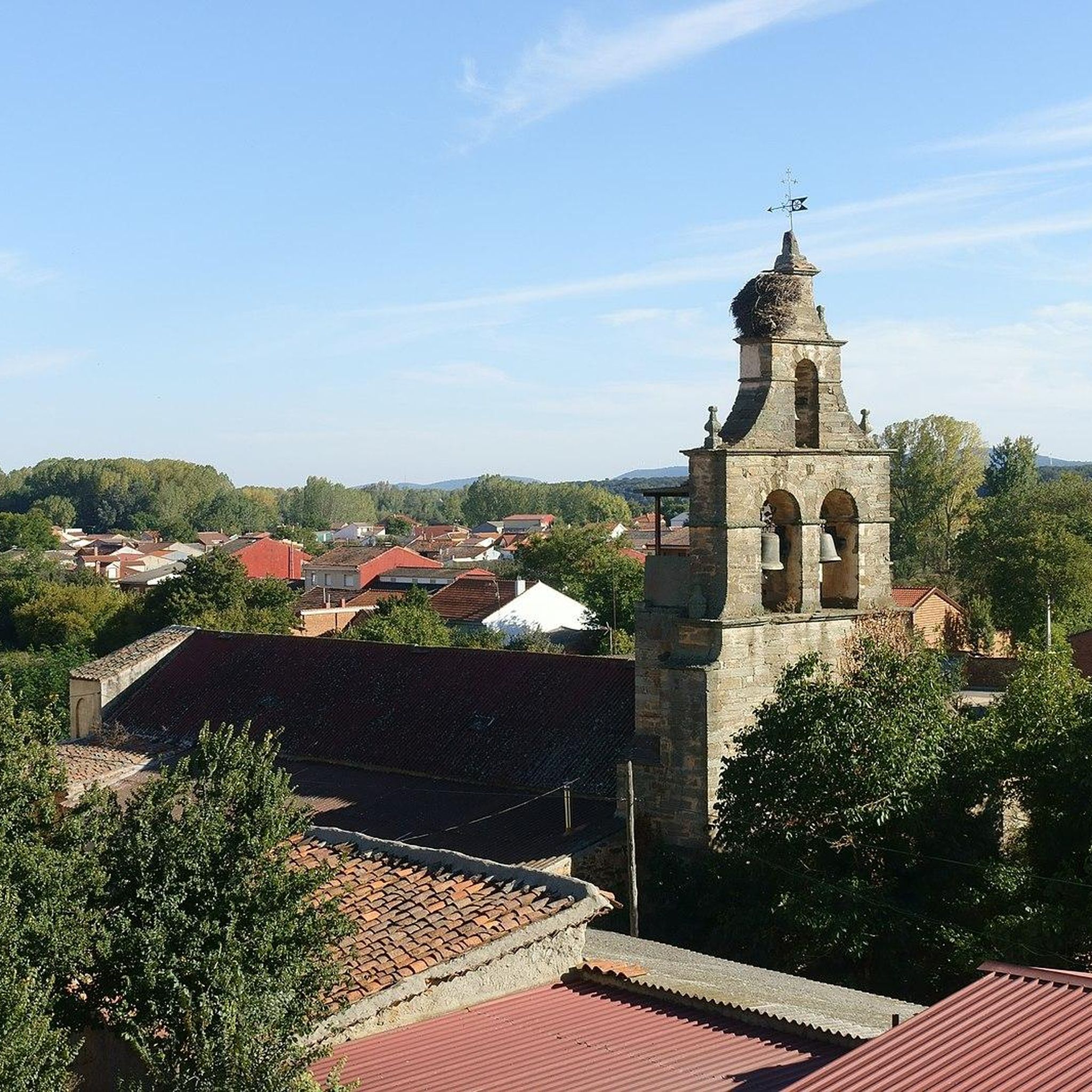
A town in the province of León where the churches of San Verísimo and San Esteban stand out, as well as the Castillo de los Pimentel. Also noteworthy, as a curiosity, are some small wineries nestled within the slopes of some hills.
3
0
Fortification of the town of Alija del Infantado dating from the 11th century, although it has been successively reformed by the different families to which it has belonged.
2
0
Frequently Asked Questions
What historical attractions can I explore around Quintana Del Marco?
The region is rich in history, particularly its Roman and medieval past. You can visit the Puente de la Vizana, a historic bridge that was part of the original Roman road and the Vía de la Plata. Another significant site is the Castillo de los Pimentel in Alija del Infantado, an 11th-century castle fortification that has been well-preserved through successive reforms. Quintana del Marco itself is situated along the historic Vía de la Plata, a Roman road, and has archaeological heritage from a Roman villa.
Are there any family-friendly attractions in the area?
Yes, several attractions are suitable for families. The Plaza Mayor of La Bañeza is a settlement with a rich architectural heritage, offering an interesting stroll for all ages. The Castillo de los Pimentel is also considered family-friendly, providing a glimpse into medieval history. Additionally, the Alija del Infantado Town Center is a pleasant place to explore with its churches and castle.
What natural features can I find near Quintana Del Marco?
Quintana del Marco is divided by the Jamuz River, which offers a natural element to the village's geography. The broader region, particularly along the Vía de la Plata, provides scenic paths through the natural landscape of León. You can also find traditional wineries (bodegas) characterized by manually excavated cellars, which create distinct earthen mounds in the landscape.
What cultural sites are there to visit in Quintana Del Marco?
Beyond the Roman villa remains, Quintana del Marco has notable churches. The Church of San Lorenzo (or San Pedro) is said to house a bust of the Roman Emperor Marcus Aurelius. The Church of El Salvador, located in one of the village's two neighborhoods, features a tower that is a remnant of a collapsed castle. The nearby Genestacio de la Vega, part of the municipality, has the parish church of Santa Marina with a 15th-century altarpiece and 16th-century artworks.
What outdoor activities can I do near these attractions?
The area around Quintana Del Marco offers various outdoor activities. For mountain biking, you can explore routes like 'Alija del Infantado and Castro de' or 'Ascent Among Holm Oaks – Sierra de Casas Viejas Trail loop'. Road cycling enthusiasts can enjoy longer routes such as 'Puente de la Vizana – Plaza Mayor of La Bañeza loop'. There are also running trails, including loops from Cueto Dios or San Esteban de Nogales. You can find more details on these activities in the dedicated guides for MTB Trails, Road Cycling Routes, and Running Trails around Quintana Del Marco.
Where can I see remnants of the Roman past in the area?
Quintana del Marco has significant Roman heritage. The Puente de la Vizana is a historic bridge that was part of the original Roman road, the Vía de la Plata. Additionally, the area known as 'Pago de las Villas' (or 'Pago de los Villares') was the site of a Roman villa discovery in 1899, where mosaics and marble busts were found. Many of these archaeological treasures are now housed in national and provincial museums.
What is special about the Vía de la Plata in this region?
The Vía de la Plata is a historic Roman road that once connected Benavente with Astorga, and Quintana del Marco is situated directly along it. It's not just a historical route but also offers scenic paths for walking and cycling, allowing visitors to experience the natural environment of the region while tracing ancient footsteps. The Puente de la Vizana is a key part of this ancient route.
What do visitors enjoy most about the attractions around Quintana Del Marco?
Visitors appreciate the blend of historical landmarks, Roman heritage, and natural features. The komoot community has upvoted the attractions 17 times and shared 22 photos, highlighting the appeal of sites like the historic Puente de la Vizana and the well-preserved Castillo de los Pimentel. The rich architectural heritage of places like the Plaza Mayor of La Bañeza also receives positive feedback.
Are there any unique local traditions or features to observe?
Yes, the region has some unique local features. The traditional wineries, known as bodegas, are characterized by manually excavated cellars used for making and aging wine. These create distinct earthen mounds in the landscape. Additionally, the Abrevadero 'Artesiano', an old cattle trough, is still used by locals, showcasing a connection to the rural environment.
What is the significance of the Jamuz River in Quintana Del Marco?
The Jamuz River is a central geographical feature, dividing Quintana del Marco into two distinct neighborhoods. Historically, a Roman bridge once spanned the river, connecting these parts. The river and its banks contribute to the natural landscape of the village, offering a serene environment.
Can I find any medieval architecture in the vicinity?
Absolutely. The Castillo de los Pimentel in Alija del Infantado is a prominent example of medieval architecture, dating back to the 11th century. While privately owned, the Castle of the Counts of Luna in Quintana del Marco also features a well-preserved 15th-century keep, declared a Site of Cultural Interest.
What is there to see in Alija del Infantado?
Alija del Infantado is home to the Castillo de los Pimentel, an impressive 11th-century castle. The Alija del Infantado Town Center also features notable churches like San Verísimo and San Esteban, and you can observe small wineries nestled into the hillsides.
Most popular routes around Quintana Del Marco
Most popular attractions around Quintana Del Marco

Get inspired with the komoot mobile app


Explore more
Still not found the Highlight you’re looking for? See guides of the top attractions in other regions:
