Attractions and Places To See around Carmona - Top 20
Best attractions and places to see around Carmona include a rich array of historical sites and natural features. This historic town in the province of Seville, Spain, is strategically located on the Alcores ridge, offering views over the fertile Corbones River plain. Carmona showcases a diverse past with Roman, Carthaginian, Moorish, and Christian influences evident in its architecture and landmarks. Visitors can explore significant cultural sites and appreciate the surrounding natural landscape.
Best attractions and places to see around Carmona
- The most popular attractions is Jesús Nazareno Bridge / Roman Bridge Alcalá, a bridge believed to be of Roman origin over the Guadaíra river. This pedestrian bridge is located in Alcalá de Guadaíra and forms part of the region's heritage.
- Another must-see spot is Puerta de Córdoba, a historical site that formed part of Carmona's walled enclosure and the ancient Via Augusta. Its original construction dates to the 1st century AD, functioning as a symbol of the Roman Empire.
- Visitors also love Carmona Old Town, a settlement preserving a medieval layout with narrow streets and historical buildings. This area features numerous Baroque palaces, churches, and offers views of the agricultural landscape.
- Carmona is known for its historical sites, ancient architecture, and scenic viewpoints. The area offers a variety of attractions to see and explore, from Roman gates to medieval town centers.
- The attractions around Carmona are appreciated by the komoot community, with more than 70 upvotes and 8 photos shared by visitors.
Last updated: October 9, 2026
Canal de los Presos del Bajo Guadalquivir
Highlight • Structure
The construction of the canal was carried out by thousands of political prisoners who were deployed in the Servicio de Colonias Penitenciarias Militarizadas during the dictatorship of Francisco Franco. The canal was originally intended to irrigate an area of 56,000 hectares, but today it covers an area of 80,000 hectares.
The canal plays a crucial role in the agriculture of the region by providing irrigation to the fertile lands along the Guadalquivir. It is an important example of the infrastructure built during the Francoist period and has deep historical significance due to the working conditions of the prisoners who built it.
Translated by Google •
Tip by

Alcázar of the Gate of Seville
Highlight • Castle
Today it houses the Tourist Information Center and is used for cultural events and guided tours.
Translated by Google •
Tip by

Sign up now to discover places like this
Get recommendations on the best single tracks, peaks, & plenty of other exciting outdoor places.
Carmona
Highlight • Settlement
This city, perched on a hill in the heart of the Campiña region, offers a view of a beautiful agricultural landscape. The Roman necropolis, the walls and ruins of the fortresses, the Church of Saint Felipe, the Church of Saint Mary, the Gate of Seville, the Gate of Cordoba, and many other civil and religious monuments make this city an exciting place.
Showing Translation
Tip by

Jesús Nazareno Bridge
Highlight • Bridge
Showing Translation
Tip by

Puerta de Córdoba
Highlight • Historical Site
Translated by Google •
Tip by
Sign up for free to discover even more attractions around Carmona.
Already have an account?
Start today with a free account
Your next adventure awaits.
Popular around Carmona
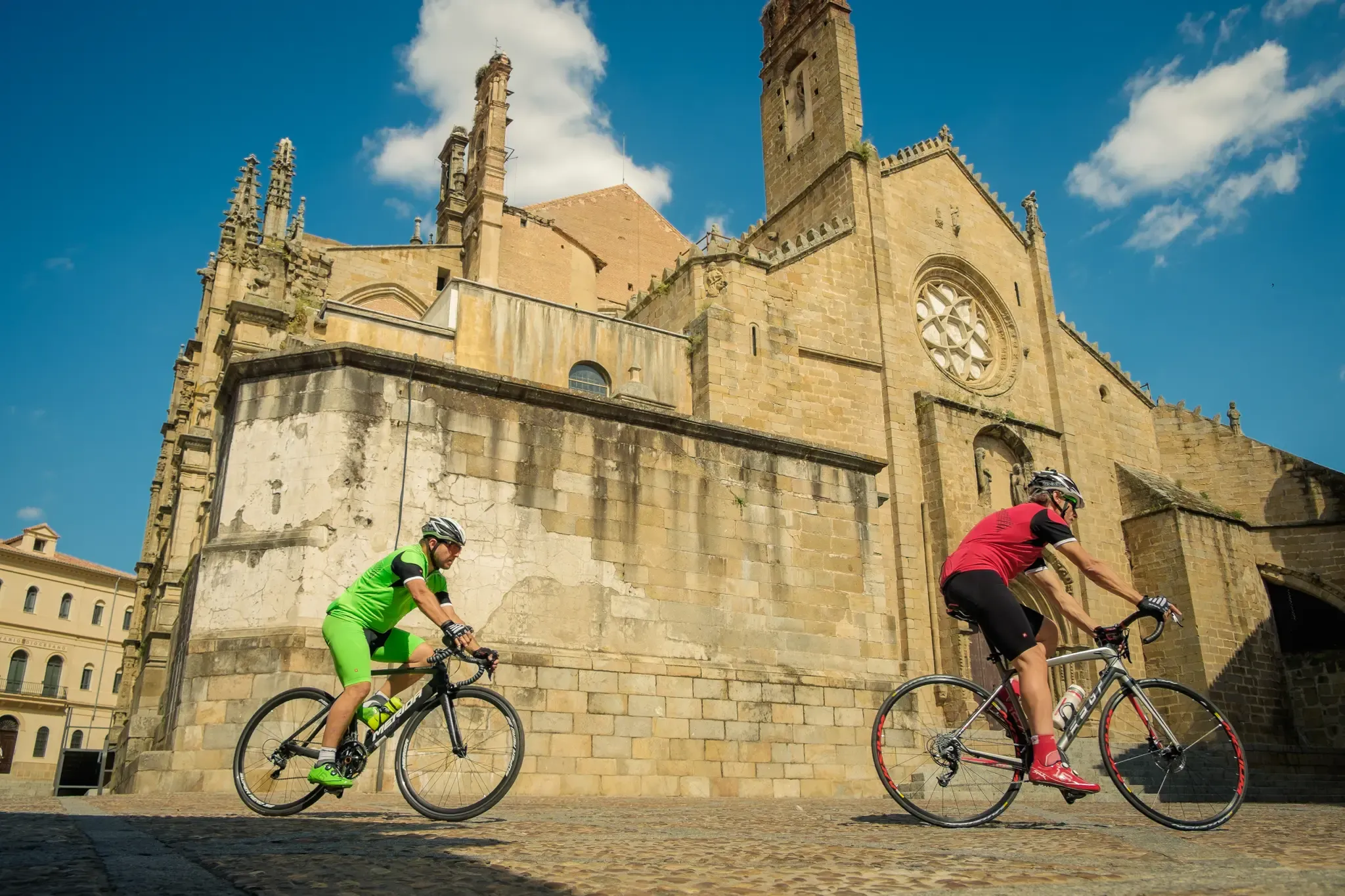
Vía de la Plata – from Seville to Gijón by bike
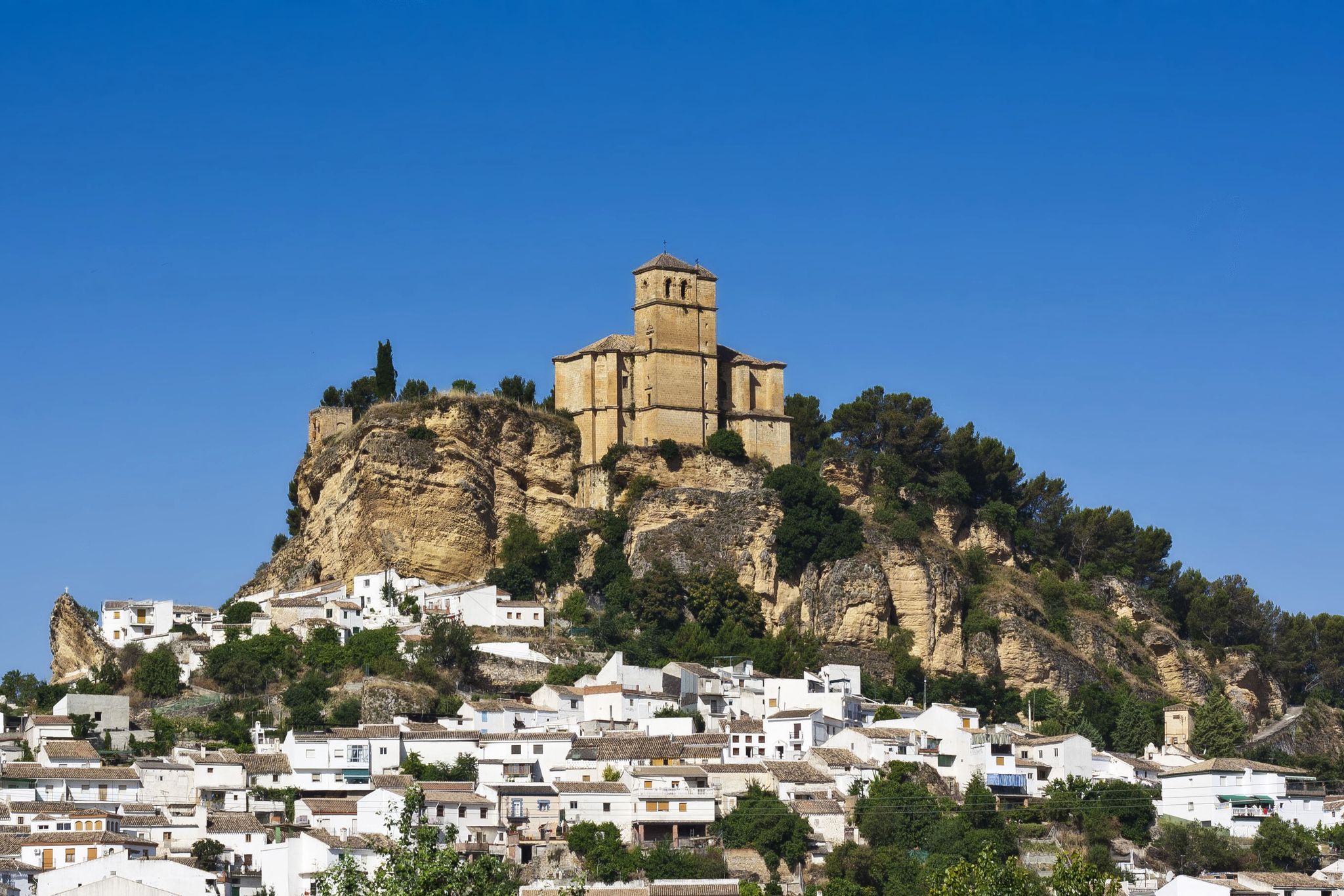
Washington Irving – cycle through the Arab vestiges of Andalusia
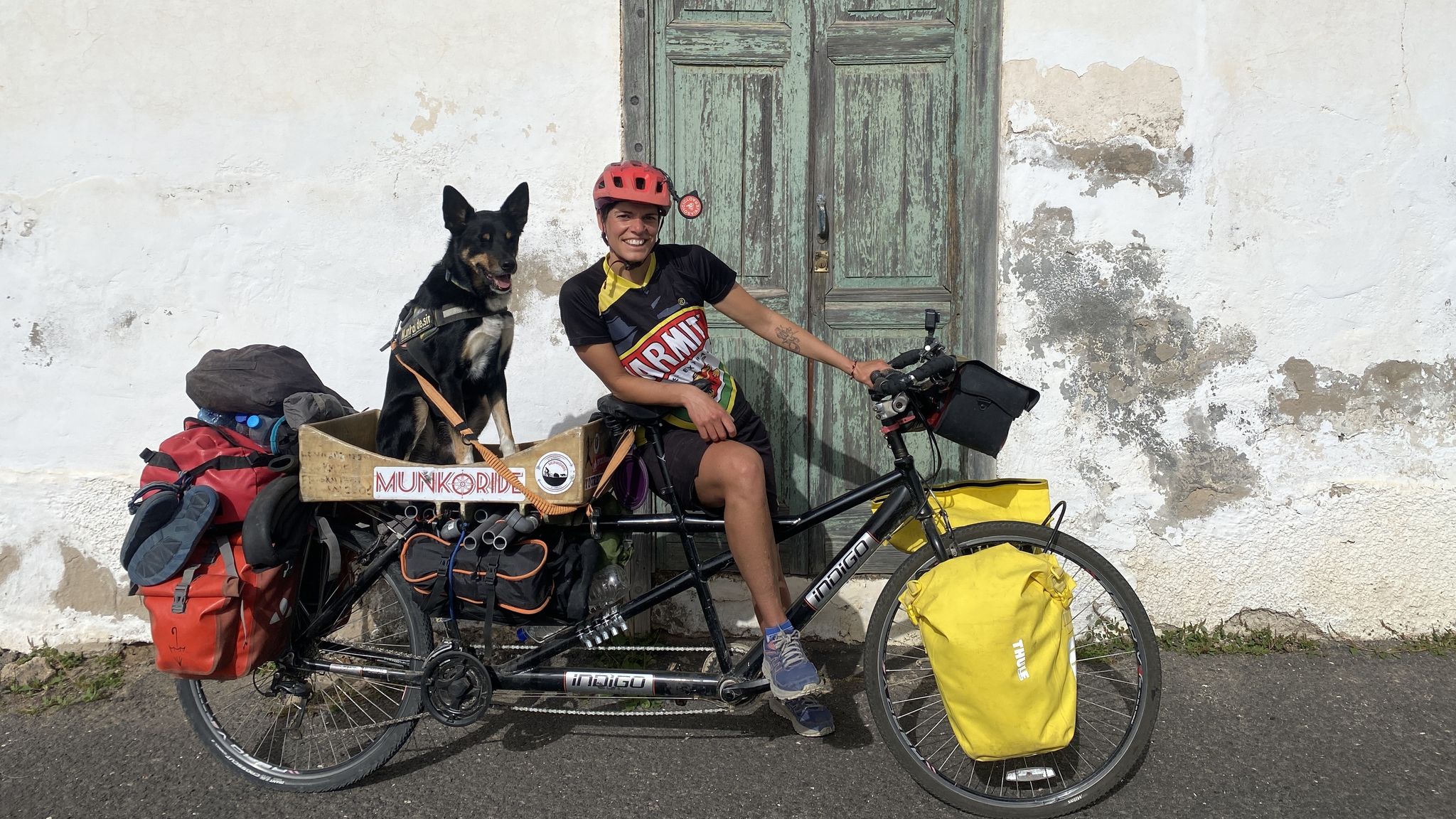
A winter getaway along the greenways of Andalusia in Spain
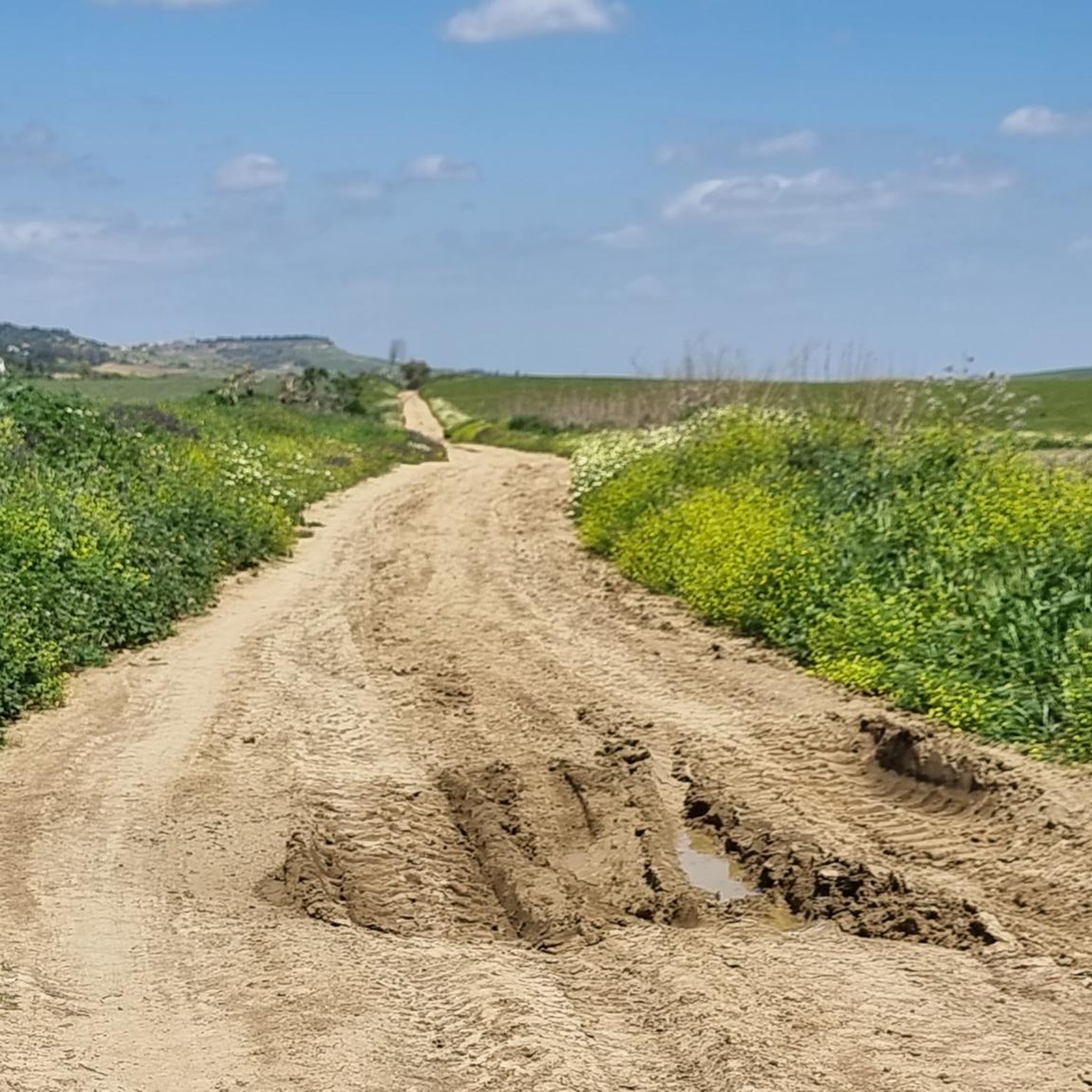
MTB Trails around Carmona
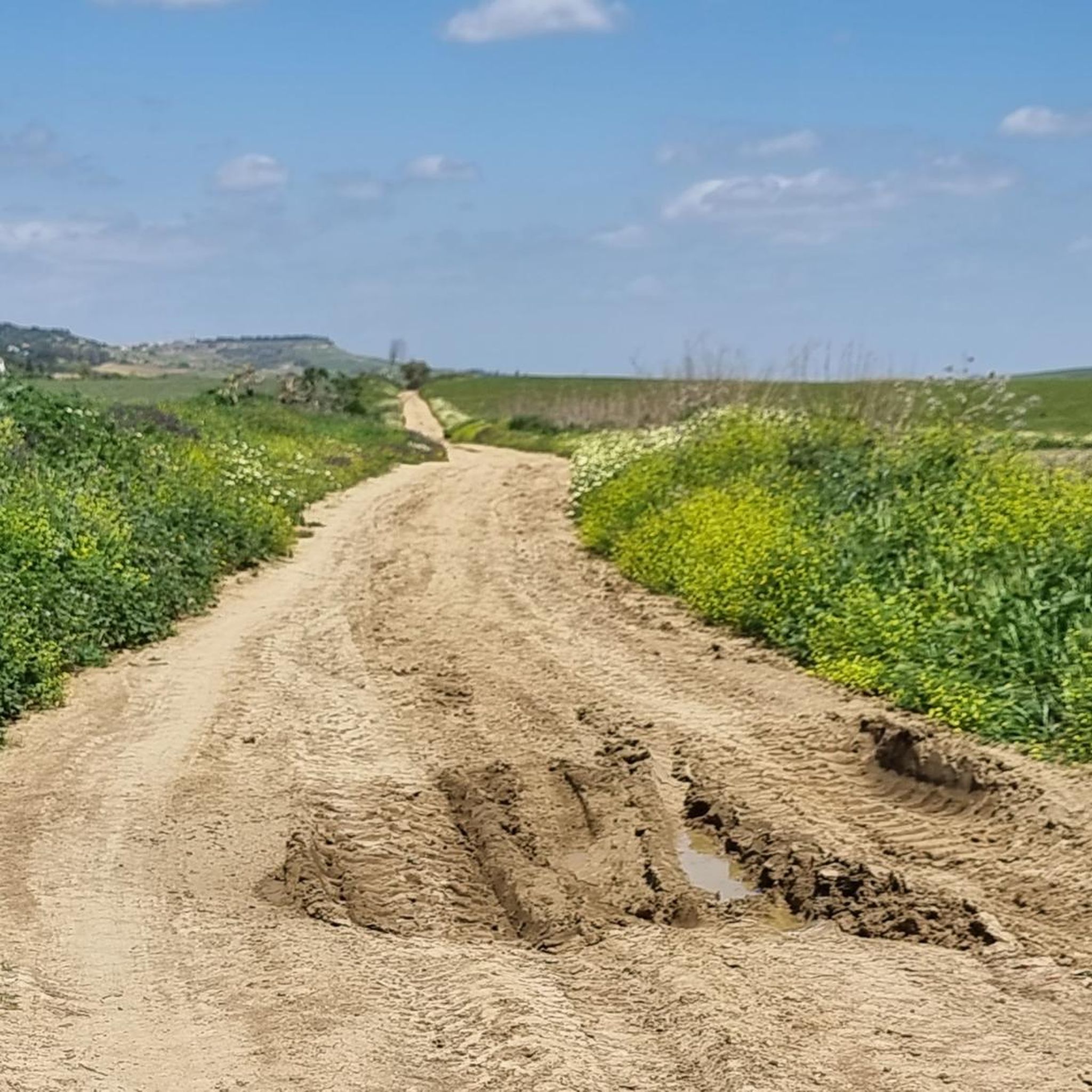
Road Cycling Routes around Carmona
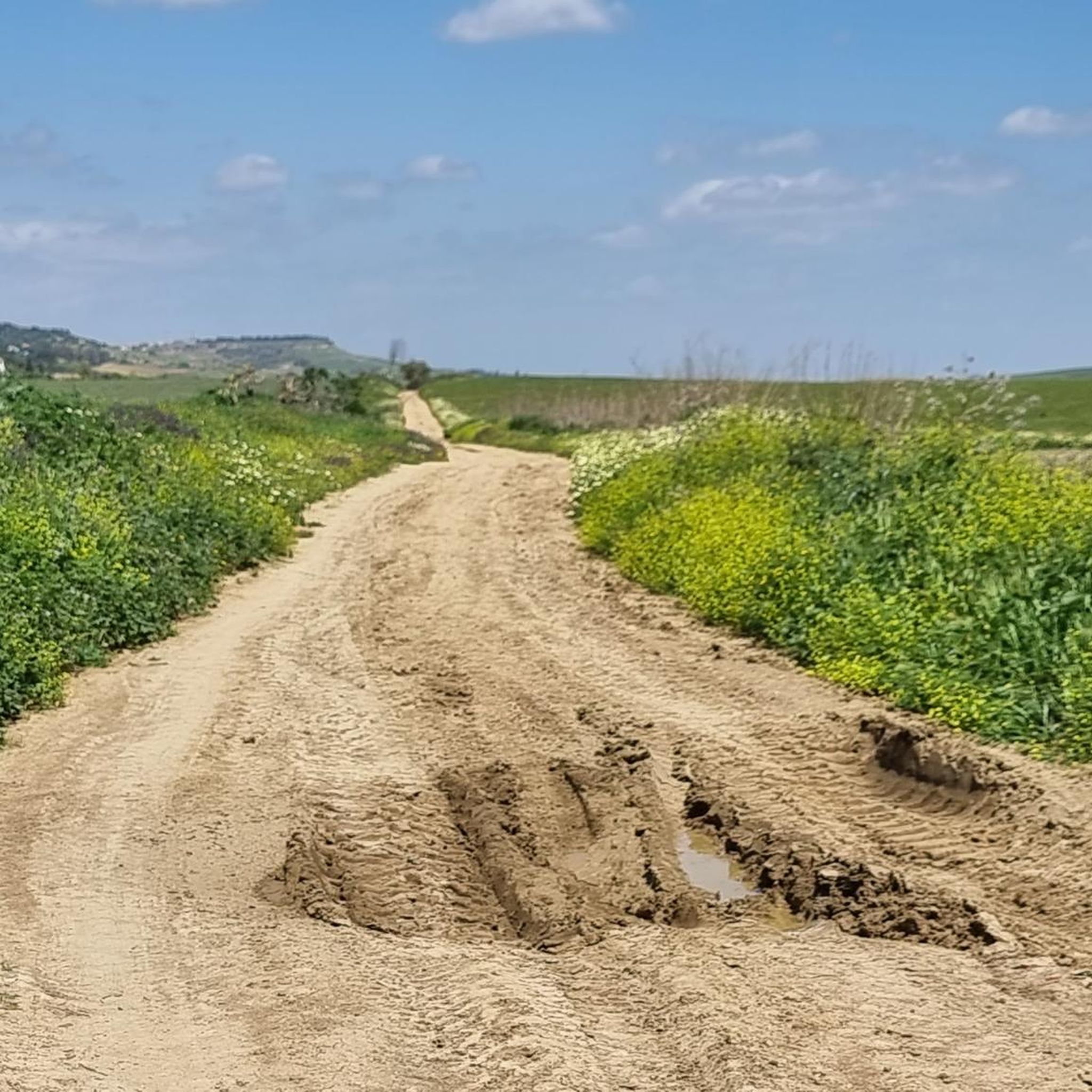
Hiking around Carmona
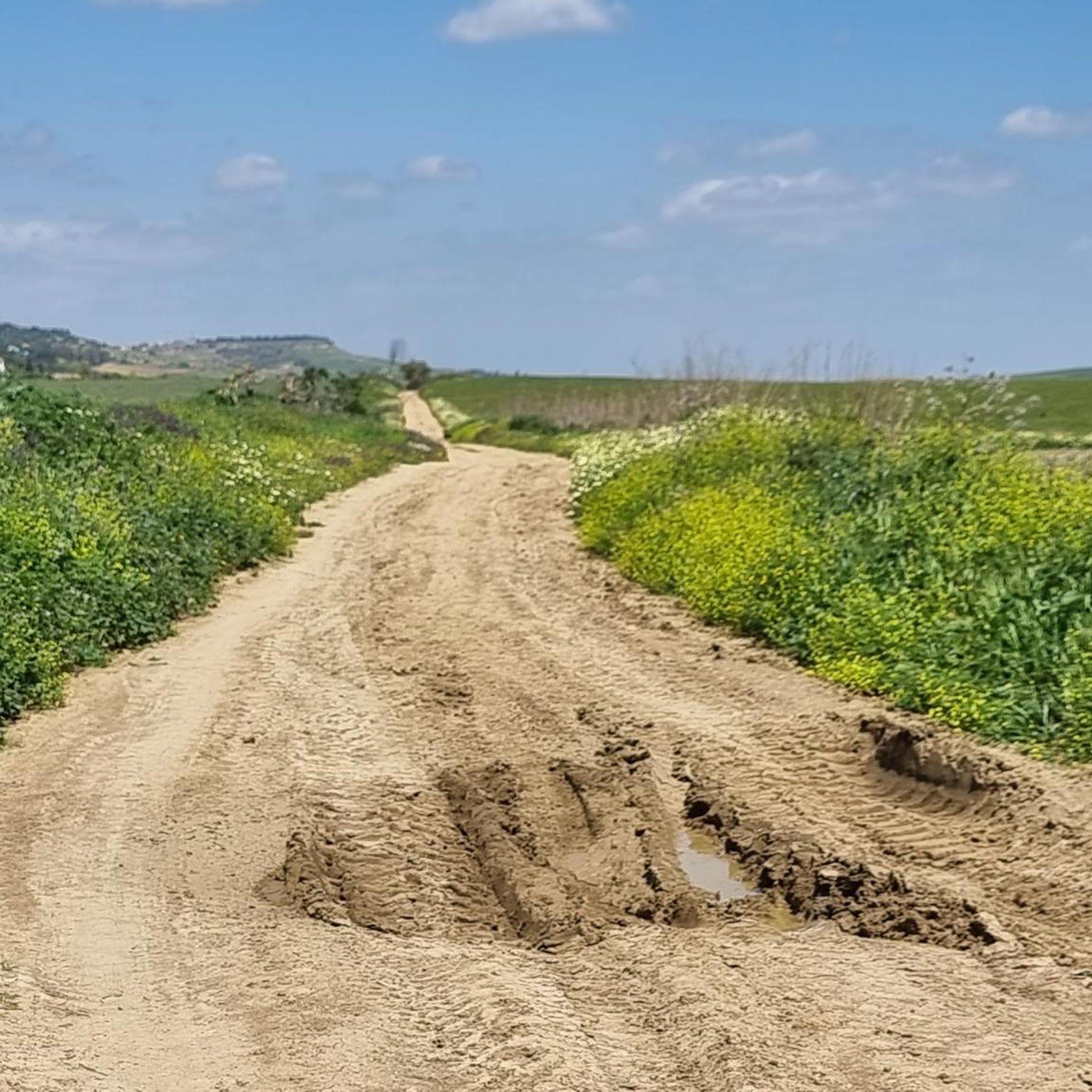
Cycling around Carmona

Gravel biking around Carmona
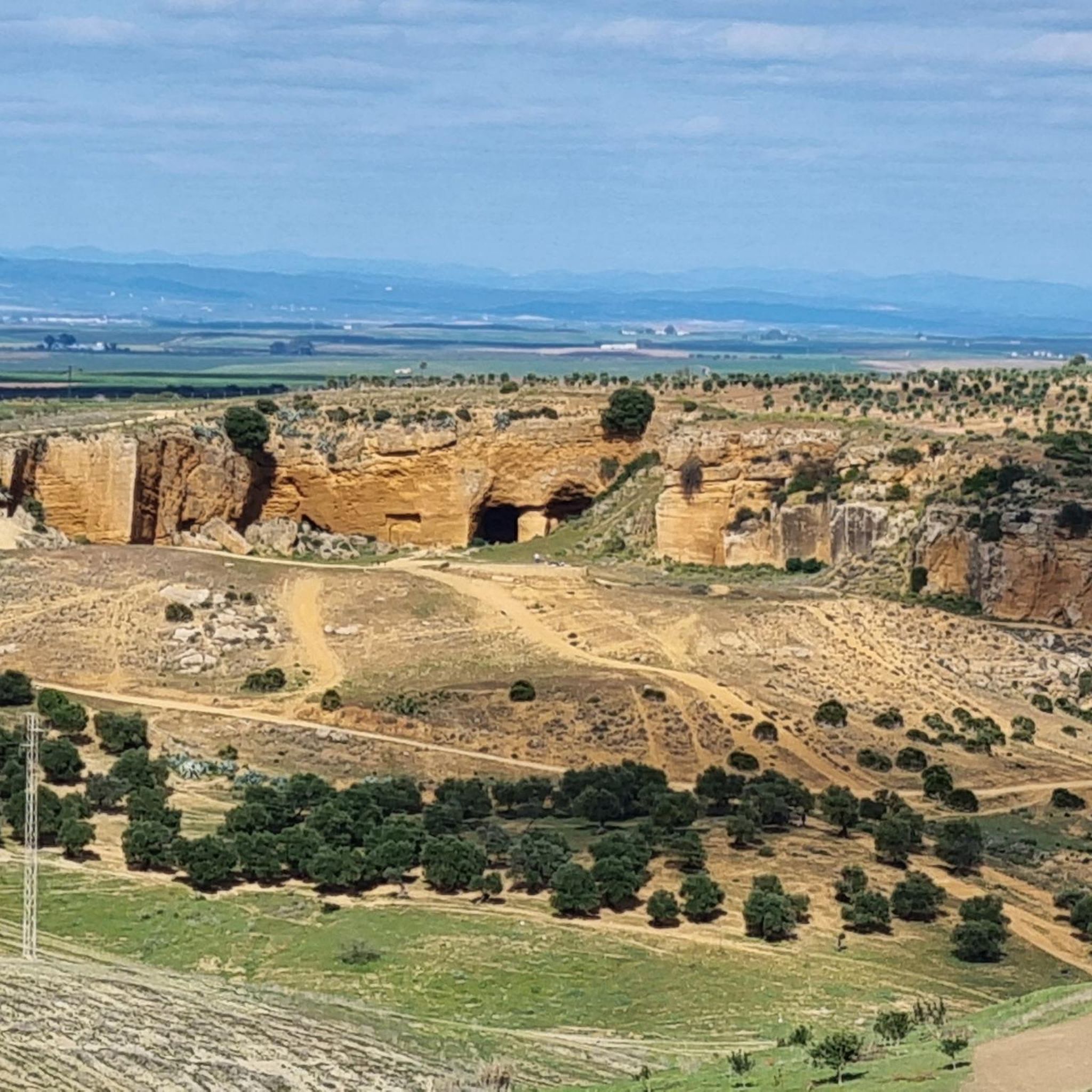
Running Trails around Carmona


Tips from the Community

The Jesús Nazareno bridge, popularly known as the "Roman bridge" because it was built over the remains of a Roman construction, crosses the Guadaíra river in the heart of the old town of Alcalá de Guadaíra. It did not receive its current name until 1944, when the City Council renamed it in honor of the Brotherhood of Jesús Nazareno, which every Good Friday, at dawn, reenacts the scene of the arrest on the bridge before ascending to Calvary.
1
0

Declared a Historic-Artistic Monument in 1906, even before the Giralda of Seville. Today it houses the Tourist Information Center and is used for cultural events and guided tours.
8
0
The Alcázar of the Seville Gate is one of Carmona's most iconic monuments and an exceptional example of defensive architecture with over 2,500 years of history. Remains dating back to the 9th century BC have been found, although the current structure began to take shape under the Carthaginians, who built a bastion atop an earlier tower to withstand Roman attacks.
13
0
The Cordoba Gate is one of Carmona's most emblematic monuments and a living testament to its ancient history. It formed part of the walled enclosure and the route of the Via Augusta, connecting Carmona with Cordoba. Its function was more propagandistic than defensive, conceived as a triumphal arch to symbolize the power and prosperity of the Roman Empire.
3
0
The old town of Carmona is one of the most monumental and historic in Andalusia. Situated on a hill, it retains a medieval structure with narrow streets, whitewashed facades, and numerous Baroque palaces and churches.
13
1

The Canal de los Presos del Bajo Guadalquivir, also known as the Canal del Bajo Guadalquivir, is an important irrigation canal in the provinces of Seville and Cádiz. The canal was built between 1940 and 1962 and has a length of 158 kilometres. It starts at the Embalse de Peñaflor and ends at the Embalse de Don Melendo in Lebrija. The construction of the canal was carried out by thousands of political prisoners who were deployed in the Servicio de Colonias Penitenciarias Militarizadas during the dictatorship of Francisco Franco. The canal was originally intended to irrigate an area of 56,000 hectares, but today it covers an area of 80,000 hectares. The canal plays a crucial role in the agriculture of the region by providing irrigation to the fertile lands along the Guadalquivir. It is an important example of the infrastructure built during the Francoist period and has deep historical significance due to the working conditions of the prisoners who built it.
8
1

Former gate of the city wall, leading out in direction of Sevilla. There is a gate at the opposite end of town, named Puerta de Cordoba.
1
0

gravel sections in large portions, then you have to go wriggling along one or the other shore.
0
0
Frequently Asked Questions
What historical sites can I explore in Carmona beyond the main gates?
Beyond the prominent gates, Carmona offers a wealth of historical sites. You can visit the significant Roman Necropolis and Amphitheater, featuring well-preserved tombs like the Tomb of the Elephant and the monumental Tomb of Servilia. Another must-see is the Carmona Old Town, with its medieval layout, Mudejar palaces, and Baroque churches. Don't miss the Priory Church of Santa María de la Asunción, built on a former mosque site, or the Alcázar del Rey Don Pedro, a historic fortress now serving as a Parador with stunning views.
Are there any significant Roman ruins to visit in Carmona?
Yes, Carmona boasts several significant Roman ruins. The Roman Necropolis and Amphitheater is a key archaeological site from the 1st century, showcasing elaborate tombs and an amphitheater. Additionally, the Puerta de Córdoba, a well-preserved Roman gate, was part of Carmona's Roman wall and the ancient Via Augusta, serving as a symbol of the Roman Empire.
What natural features and viewpoints can I discover around Carmona?
Carmona is strategically located on the Alcores ridge, offering commanding views of the surrounding fertile plains of the Corbones River basin. For panoramic vistas, visit the Alcázar del Rey Don Pedro, situated on the highest point of Carmona, or the Alcázar of the Gate of Seville, which also provides great views. The area's landscape is characterized by eroded calcareous rock and rugged vegetation, with seasonal changes in fields of wheat and sunflowers creating natural spectacles.
What cultural experiences does Carmona offer?
Carmona provides rich cultural experiences. You can delve into the town's history at the City Museum of Carmona, housed in the Palace of Marquis de las Torres, which displays archaeological objects from various eras. For a unique local experience, consider visiting the Anis Distillery (Los Hermanos), located in a historic aniseed factory. Strolling through the white streets of the Carmona Old Town, with its Mudejar palaces, temples, and squares like Plaza de San Fernando, also offers a deep dive into its cultural heritage.
Are there family-friendly attractions in Carmona?
Many of Carmona's historical sites are suitable for families. Exploring the Carmona Old Town with its narrow streets and historic buildings is an engaging activity. The Alcázar of the Gate of Seville, which houses the Tourist Information Center, is also considered family-friendly. The Roman Necropolis and Amphitheater can be an educational experience for older children interested in history.
What outdoor activities can I do near Carmona?
Carmona is a great base for outdoor activities. You can explore various hiking routes, including the PR-A 134 through the Seville countryside and the Alcores route, offering views at moderate altitudes. The Cueva de la Batida environmental trail links heritage and natural elements. For cycling enthusiasts, there are numerous road cycling routes and MTB trails available. You can find more details on these activities in the Road Cycling Routes around Carmona, Running Trails around Carmona, and MTB Trails around Carmona guides.
Are there hiking trails near Carmona's attractions?
Yes, there are several hiking opportunities near Carmona's attractions. The town is situated on the Alcores ridge, providing routes like the Alcores route with scenic views. The Cueva de la Batida environmental trail is another option that combines natural elements with heritage. For more detailed hiking options, refer to the Running Trails around Carmona guide, which includes routes like the 'Carmona Old Town loop'.
What is the best time to visit Carmona's attractions?
The best time to visit Carmona's attractions is typically during the spring (March to May) and autumn (September to November) months. During these periods, the weather is mild and pleasant, ideal for exploring historical sites, strolling through the old town, and enjoying outdoor activities without the intense heat of summer. The fertile plains also offer beautiful seasonal spectacles with changing fields.
Where can I find information about Carmona's history and architecture?
To learn more about Carmona's rich history and diverse architecture, visit the City Museum of Carmona, located in the Palace of Marquis de las Torres. The museum provides insights from prehistory to the contemporary era. Additionally, the Alcázar of the Gate of Seville houses the Carmona Tourist Information Office, where you can find further details and guidance on the town's heritage.
What are some lesser-known historical gems in Carmona?
Beyond the major landmarks, Carmona holds several lesser-known historical gems. The Convento de Santa Clara, a Mudejar convent founded in 1460, features an 18th-century tower-viewpoint. The Church of San Pedro, with its imposing tower often compared to Seville's Giralda, showcases a blend of Gothic, Mudejar, and Baroque styles. Exploring the Plaza del Mercado de Abastos, built on a former convent site, also offers a glimpse into local life and history.
Are there opportunities for birdwatching near Carmona?
Yes, for birdwatching enthusiasts, the Laguna de los Patos is a protected area popular for observing various bird species. Its natural setting provides a tranquil environment for this activity.
Most popular routes around Carmona
Most popular attractions around Carmona

Get inspired with the komoot mobile app


Explore more
Still not found the Highlight you’re looking for? See guides of the top attractions in other regions:
