Attractions and Places To See around Huerta De Valdecarábanos - Top 10
Best attractions and places to see around Huerta De Valdecarábanos include a blend of historical landmarks, cultural sites, and natural features within this municipality in the province of Toledo, Spain. The area offers insights into its past through ancient structures and unique dwellings. Visitors can explore diverse landscapes, from saline micro-reserves to geological rock parks.
Best attractions and places to see around Huerta De Valdecarábanos
- The most popular attractions is Toledo Gate of Yepes, a historical site that is…
Last updated: July 12, 2026
La Guardia
Highlight • Settlement
Translated by Google •
Tip by

Toledo Gate of Yepes
Highlight • Historical Site
It connects with important streets …
Showing Translation
Tip by
Sign up now to discover places like this
Get recommendations on the best single tracks, peaks, & plenty of other exciting outdoor places.
Sign up for free
Hermitage of Our Lady of the Ancient
Highlight • Religious Site
Translated by Google •
Tip by

Casa de los Jaenes
Highlight • Historical Site
An outstanding element of the building is …
Translated by Google •
Tip by
Ermita de la Virgen del Rosario de Pastores
Highlight • Religious Site
Ideal for disconnecting, strolling, and enjoying the countryside of the Mesa de Ocaña.
Showing Translation
Tip by
Sign up for free to discover even more attractions around Huerta De Valdecarábanos.
Sign up for free
Already have an account?
Start today with a free account
Your next adventure awaits.
Login or Signup
Tips from the Community

Avenida de Juan Pablo II is one of the main and busiest streets in Yepes, both residentially and commercially. It is approximately 1 km long. It connects with important streets such as Avenida de Cuatro Caminos, Paseo Santa Eulalia and Avenida San Luis Very close to the historic center, the Colegiata de San Benito Abad and the Town Hall.
15
0
What to see in Huerta de Valdecarábanos: Ermita de la Virgen del Rosario de los Pastores The most unique monument in the municipality Modernist style, designed by a disciple of Gaudí and built in the early 20th century Highly valued by visitors for the surprising architecture in a rural setting. Church of San Pedro Apóstol Main temple of the town Construction between Gothic and Renaissance (16th century) It is the historical and social axis of the urban center. Plaza Mayor and urban center Quiet streets, popular La Mancha architecture Meeting point of the town and venue for local festivals.
12
0
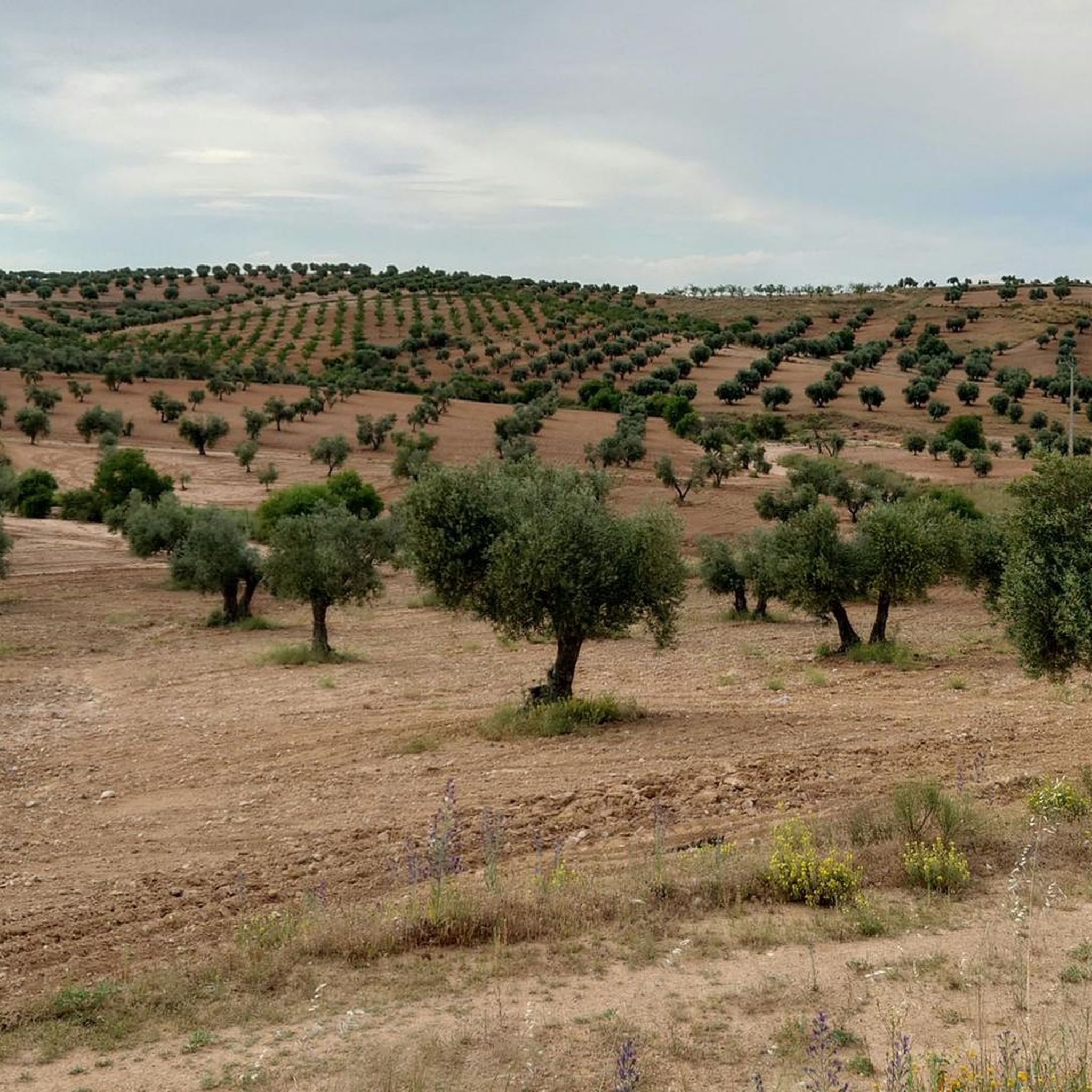
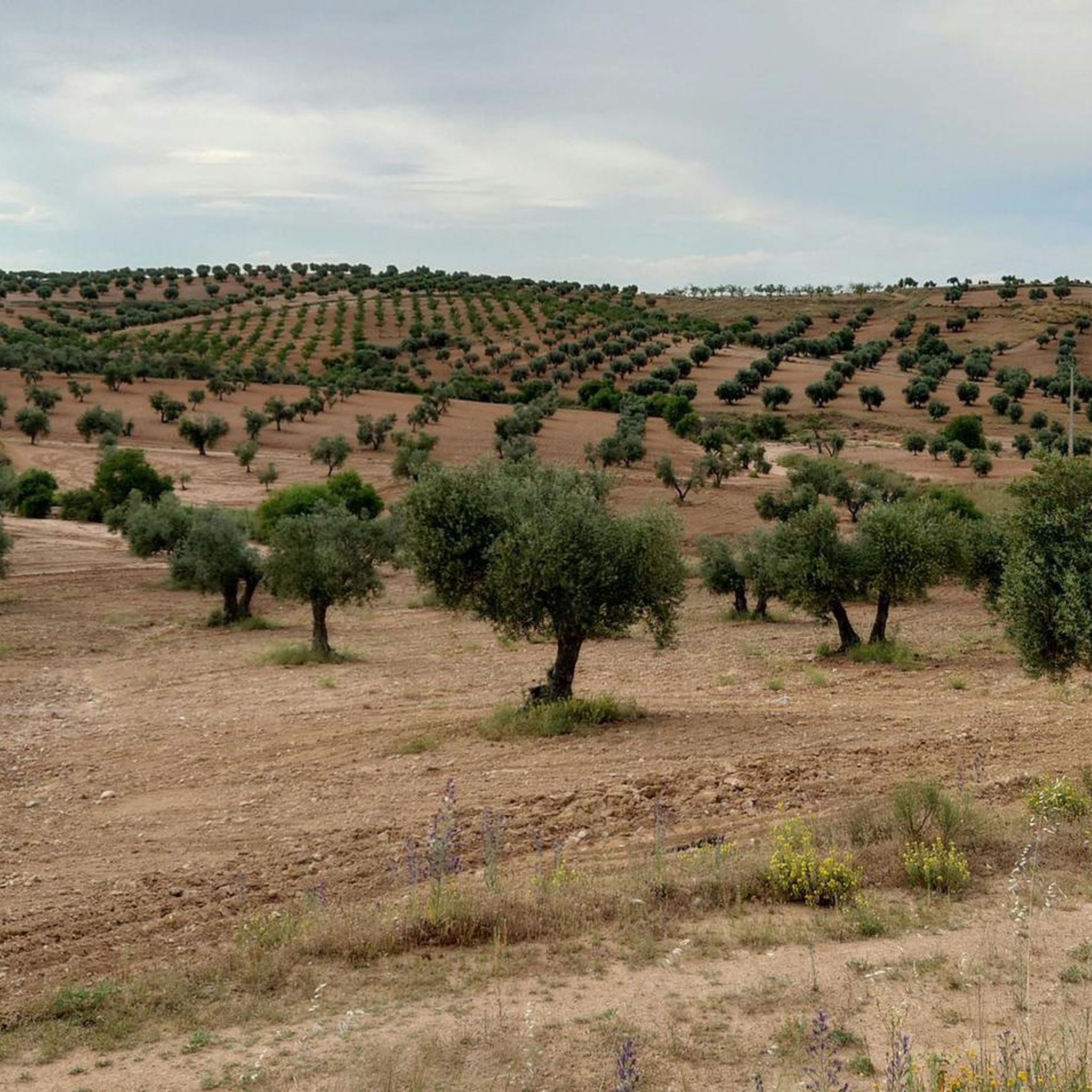
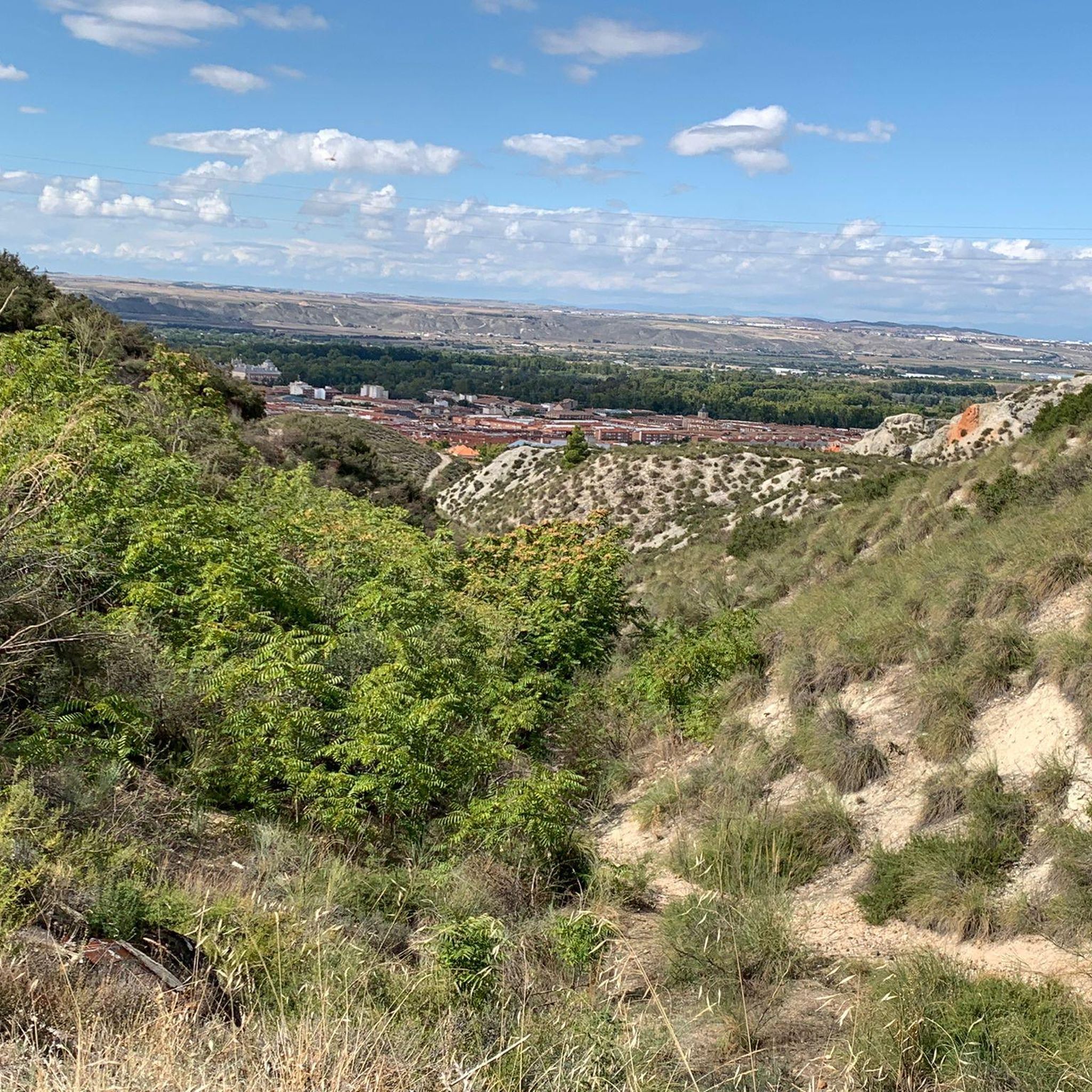
Huerta de Valdecarabanos: A quiet and authentic village, highly valued by those seeking calm, rural life, and friendly interactions. Ideal for disconnecting, strolling, and enjoying the countryside of the Mesa de Ocaña.
14
0
What to see in La Guardia (Toledo) Palace-House of the Jaenes (Ethnological Museum) Church of Our Lady of the Assumption Hermitage of the Holy Child Historic town center and castle ruins Cave houses and dwellings carved into the rock Natural surroundings of the Cedrón Stream and the La Guardia Lagoon Wineries and wine from the Campo de La Guardia region Main Square
12
0
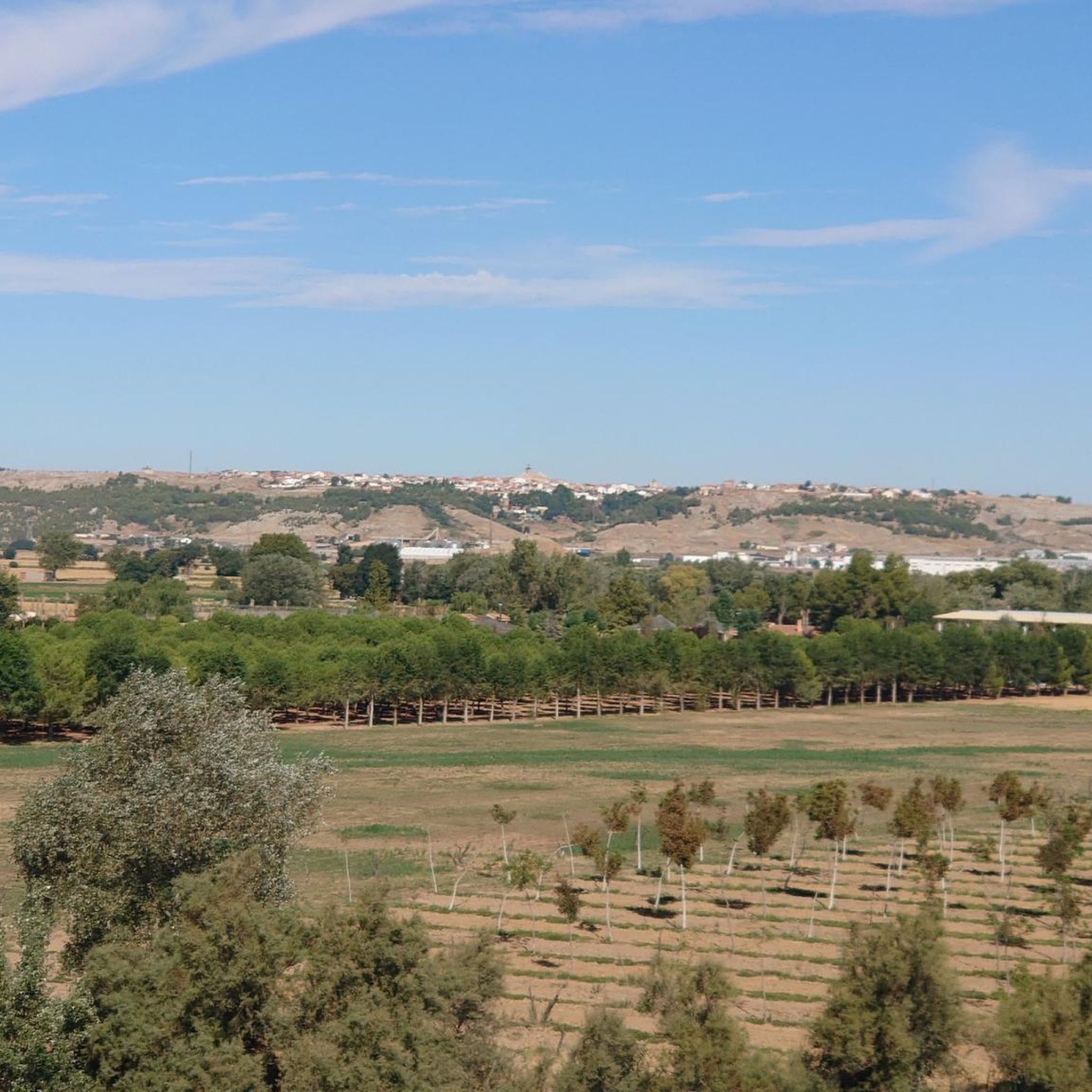
La Guardia is considered a small town, but surprisingly rich in heritage, ideal for a peaceful getaway from Madrid or Toledo. Its hilltop location affords panoramic views, streets steeped in history, and a distinctive character. Although it seems like a town you could visit in a morning, it holds more history, architecture, and scenery than meets the eye. Furthermore, it's part of a renowned wine-producing region: within its boundaries lies the Pago Campo de La Guardia vineyard, a wine with a protected designation of origin, adding value for wine tourism enthusiasts.
13
0
The hermitage was built to house the only image saved from the fire that destroyed the parish church on April 23, 1521, during the Revolt of the Comuneros of Castile. This surviving carving was moved from the old chapel dedicated to Saint Christopher, leading to the change of dedication to Our Lady of La Antigua. At the end of the 16th century, it was completely rebuilt in the popular Toledo Baroque style, using threshing floor bricks and quartzite and lime masonry. During the Peninsular War, the French set fire to the hermitage, destroying much of the image; only the original head was preserved, which is now located at the feet of the current carving from 1955.
1
0
The Casa de los Jaenes Ethnological Museum is located in La Guardia (Toledo), inside a historic 18th-century building known as the House of the Inquisition or the House of Don Eulogio. Construction: Commissioned by Sebastián de Huerta, Secretary General of the Inquisition, in the 18th century. Style: Baroque with Mannerist details. Highlights: Monumental stone doorway with two levels and the Jaenes coat of arms. Columned courtyard with Tuscan columns and wooden walkways. Declared a Site of Cultural Interest (BIC) in 1991.
11
0

If you haven't visited it, you'll miss its spectacular church and its walls around the town.
2
1
Frequently Asked Questions
What historical landmarks can I explore in Huerta De Valdecarábanos?
Huerta De Valdecarábanos offers several historical landmarks. You can visit the remains of the 12th-century Castillo de Huerta de Valdecarábanos, which provides panoramic views. The 16th-century Palacio de Loaysa with its Plateresque facade is also notable. Additionally, the 18th-century Casa de los Jaenes, known for its Baroque facade, is a significant historical site.
Are there any unique architectural sites or cultural buildings to visit?
Yes, the area features unique architectural sites. The 17th-century Iglesia de San Nicolás de Bari showcases Neoclassical style. The Ermita de Nuestra Señora del Rosario de los Pastores, built in 1910 by a disciple of Gaudí, stands out with its fairytale-castle-like appearance. You can also see Casas Cueva, unique dwellings carved into the hillside, many near the castle.
What natural attractions are there around Huerta De Valdecarábanos?
For natural attractions, explore the Microrreserva Saladares de Huerta de Valdecarábanos, a saline landscape south of town recognized for its geological and botanical value. The Parque de Rocas / Exposición de Rocas offers a circular route to observe different geological rock samples native to the region with informative panels.
Can I find any ancient or archaeological sites in the area?
Yes, the area has ancient sites. The Minas de Agua, located about two kilometers from town, are believed to have Arab origins and were historically the sole source of drinking water. A recently discovered Cementerio Musulmán contains 72 graves oriented towards Mecca, offering archaeological insight into the region's past.
Are there family-friendly attractions suitable for children?
Many of the historical sites and natural features can be enjoyed by families. For example, exploring the unique Casas Cueva or walking through the Parque de Rocas can be engaging for children. Nearby, the town of Yepes with its ancient walls and the La Guardia settlement are also considered family-friendly.
What kind of outdoor activities or trails are available near Huerta De Valdecarábanos?
The region offers various outdoor activities. You can find numerous hiking, cycling, and mountain biking trails. For hiking, consider routes like the easy 'Castro Reservoir from Villamuelas' or the 'Sources of Cabañas de Yepes - circular route'. For more options, explore the Hiking around Huerta De Valdecarábanos guide. Mountain biking enthusiasts can find routes like 'Collegiate Church of San Benito, Yepes loop' in the MTB Trails around Huerta De Valdecarábanos guide.
Where can I experience the local history and heritage beyond the main town?
Beyond Huerta De Valdecarábanos, you can visit La Guardia, a nearby town rich in heritage with historic streets and a panoramic setting. Another option is Yepes, known for its significant heritage including the Toledo Gate of Yepes, ancient walls, and the Collegiate Church of San Benito Abad.
Is there a good place for wildlife observation or nature walks?
Yes, the valley of the Arroyo Cedrón, located south of the town, is a notable spot for observing various migratory bird species. The Microrreserva Saladares de Huerta de Valdecarábanos is also excellent for observing diverse steppe birds and plant species adapted to arid environments.
What is the best time of year to visit Huerta De Valdecarábanos for sightseeing?
The region generally enjoys a Mediterranean climate. Spring (April-May) and autumn (September-October) are often ideal for visiting, offering pleasant temperatures for exploring historical sites and engaging in outdoor activities without the intense heat of summer.
What do visitors enjoy the most about the attractions near Huerta De Valdecarábanos?
Visitors particularly appreciate the rich heritage and historical depth of the area. For instance, La Guardia is praised for its panoramic views and streets steeped in history, offering more to explore than initially meets the eye. The architectural value of sites like the Casa de los Jaenes and the historical significance of places like the Toledo Gate of Yepes are also highly valued.
Are there any religious buildings of interest in the vicinity?
Certainly. The Hermitage of Our Lady of the Ancient is a significant religious site with a rich history, having been rebuilt in the popular Toledo Baroque style. Additionally, the Church of Our Lady of the Assumption in Cabañas de Yepes, built in the 16th century, is notable for its Mudejar style and unique placement on the side of a ravine.
Can I find any remains of traditional industry or rural life?
Yes, you can see the remains of an 18th-19th century Molino de Viento (Windmill), which measures 10 meters in diameter, offering a glimpse into the region's agricultural past. The Casas Cueva also represent a unique form of traditional dwelling.
Most popular routes around Huerta De Valdecarábanos

Get inspired with the komoot mobile app


Explore more
Still not found the Highlight you’re looking for? See guides of the top attractions in other regions:
