The best walks and hikes around Magaz De Pisuerga
4.5
(101)
533
hikers
105
hikes
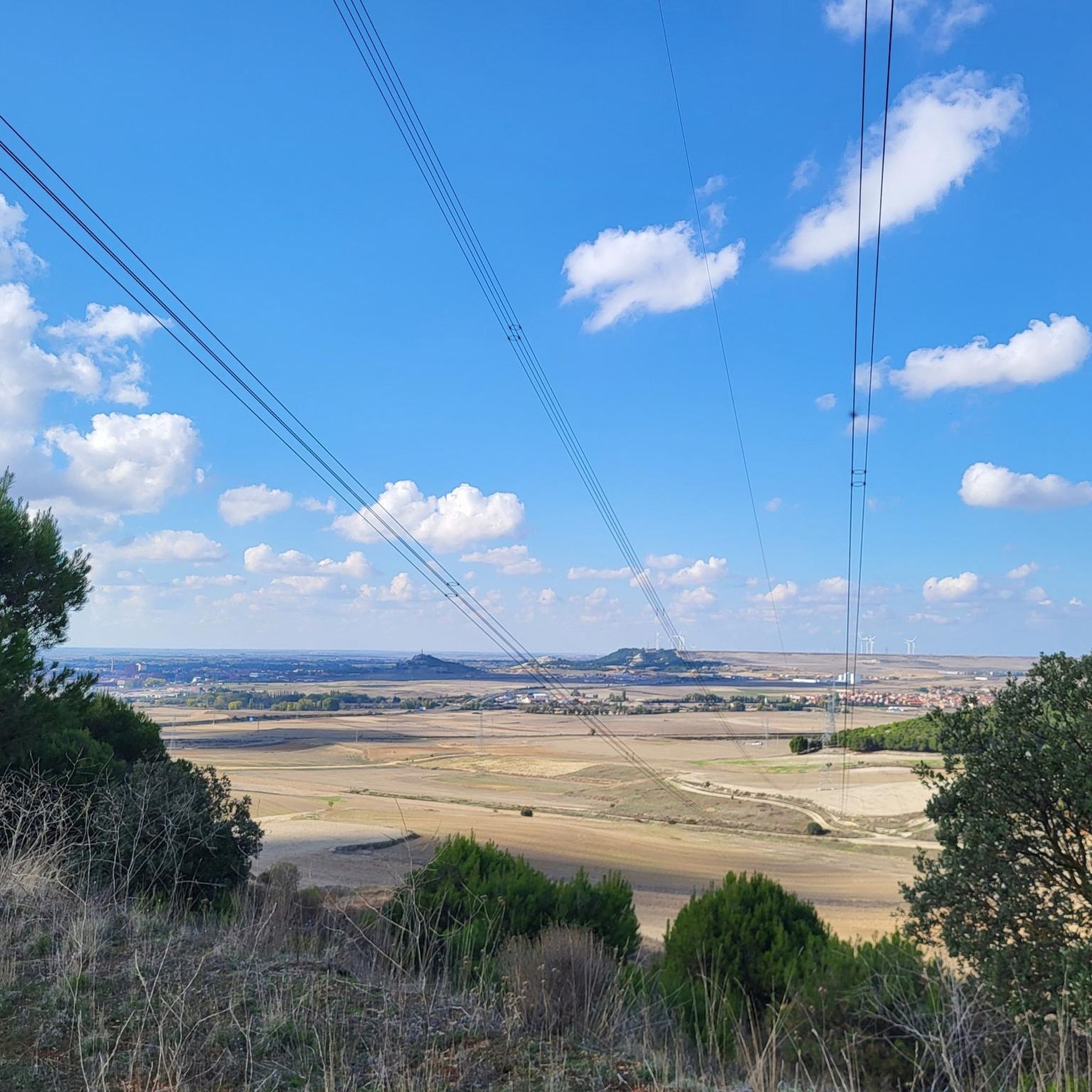
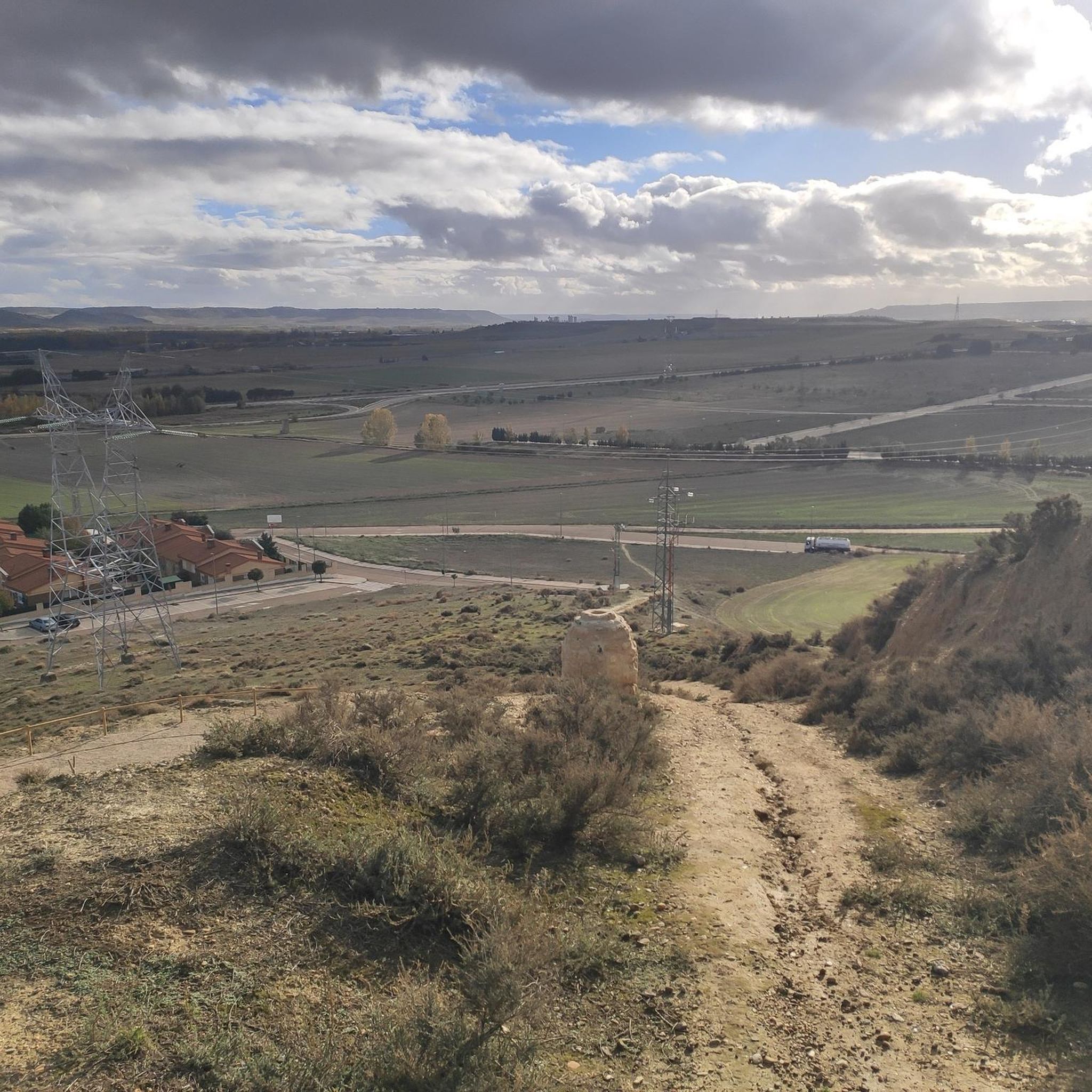
Hiking around Magaz De Pisuerga offers access to diverse natural landscapes within the El Cerrato region of Palencia. The area is characterized by calcareous páramos, fertile wetlands, and riverine paths along the Pisuerga River. Valleys and hills provide varied topography for exploration, alongside the historic Canal de Castilla. This diverse terrain caters to different levels of hiking ability.
Best hiking trails in Magaz De Pisuerga
- The most popular hiking route is Walk through the center of Palencia — circular route…
Last updated: July 5, 2026
1
hikers
6.06km
01:34
30m
30m
Easy hike. Great for any fitness level. Easily-accessible paths. Suitable for all skill levels.
1
hikers
14.4km
03:53
180m
180m
Moderate hike. Good fitness required. Easily-accessible paths. Suitable for all skill levels.

Sign up for free
4.5
(2)
15
hikers
10.3km
02:38
40m
40m
Moderate hike. Good fitness required. Easily-accessible paths. Suitable for all skill levels.
5.0
(9)
10
hikers
Moderate hike. Good fitness required. Easily-accessible paths. Suitable for all skill levels.
7
hikers
4.54km
01:11
30m
30m
Easy hike. Great for any fitness level. Easily-accessible paths. Suitable for all skill levels.
Get access to more routes and recommendations from other explorers.
Sign up for free
Already have an account?
Our route recommendations are based on thousands of hikes, rides, and runs completed by other people on komoot.
Start today with a free account
Your next adventure awaits.
Login or Signup


Tips from the Community


Nice route along the river bank is gravel
3
0

The Church of San Pablo in Palencia is an impressive example of late Gothic architecture, built between the 14th and 16th centuries. This church is part of the Convent of San Pablo, founded by Saint Dominic de Guzmán in the 13th century. The monumental complex includes a spectacular bell gable and a neoclassical façade with the image of Our Lady of Fatima. Inside, the main chapel and several altarpieces and tombs of great artistic value, the work of distinguished artists such as Felipe Vigarny and Francisco Giralte, stand out. The church was declared a National Monument in 1931. Located in a monumental area near the train and bus station, it is one of the most notable complexes in the city.
6
0
The Palencia Casino is an institution with a long history and an important role in the cultural life of the city. The Casino was founded on March 1, 1862, making it one of the oldest civil buildings in the city. It was originally installed on San Juan Street, but was later moved to Calle Mayor, where it is currently located.
6
0
The Plaza Mayor of Palencia is an emblematic space and one of the nerve centers of the city. The square was created in the 17th century and has been the scene of various events throughout its history, including bullfights, markets and celebrations.
4
0

This romantic park occupies the site of a former convent and covers an area of more than 30,000 square meters. Its history dates back to 1830, when it was designed and began to take shape. Originally, this space was a walk and recreation area located on the outskirts of the city. However, over time, it has become the most popular and busy green corner of Palencia, next to the river bank.
3
0
This bridge crosses the Carrión River and is the third bridge built in the city, succeeding the Puentecillas and the Puente Mayor. Its construction was intended to provide better access to Dos Aguas Island and the orchards that traditionally existed in that area. Before this bridge, there was a wooden bridge in the same location, built in 1874, but it deteriorated quickly and had to be closed in 1882. The new iron bridge was conceived to replace it and was materialized thanks to the intermediation of the Palencia deputy Abilio Calderón, who at that time held the position of general director of public works in the government of Spain. In recognition of his contribution, the Palencia City Council officially named it the Abilio Calderón Bridge. Engineers Luis Morales and Eduardo Jungairiño carried out the project, and the foundry was carried out at the Nervión Shipyards in the Basque Country. Since its inauguration, the bridge has become a fundamental access from the capital of Palencia to Dos Aguas Island, the Río Carrión Hospital and the Villamuriel de Cerrato highway.
2
0
Frequently Asked Questions
How many hiking trails are available around Magaz de Pisuerga?
There are over 110 hiking trails around Magaz de Pisuerga, offering a wide range of options for different skill levels. You'll find 68 easy routes, 47 moderate routes, and a few more challenging options.
What kind of terrain can I expect on hikes near Magaz de Pisuerga?
The terrain around Magaz de Pisuerga is quite varied, characteristic of the El Cerrato region. You can expect to encounter calcareous páramos (limestone plateaus), fertile wetlands, and pleasant riverine paths along the Pisuerga River. There are also routes through valleys and hills, as well as along the historic towpaths of the Canal de Castilla.
What do other hikers say about the trails in Magaz de Pisuerga?
The hiking routes in Magaz de Pisuerga are highly rated by the komoot community, with an average score of 4.5 stars from over 100 reviews. More than 500 hikers have used komoot to explore the area, often praising the diverse landscapes and well-maintained paths.
Are there any easy or beginner-friendly hiking options?
Yes, Magaz de Pisuerga offers many easy routes, with 68 trails classified as easy. Gentle riverside walks along the Pisuerga River or sections of the Canal de Castilla are particularly suitable for beginners. An example is the Walk through the center of Palencia — circular route, which is 3.8 miles (6.1 km) and takes about 1 hour 34 minutes.
Can I find circular hiking routes in the area?
Absolutely. Many routes around Magaz de Pisuerga are circular, allowing you to start and end at the same point. Popular options include the Walk through the center of Palencia — circular route and the Valdebecerra by the Derrumbadas — circular from Soto de Cerrato, which offers varied rural landscapes.
Are there trails along the Canal de Castilla near Magaz de Pisuerga?
Yes, the historic Canal de Castilla is a significant feature near Magaz de Pisuerga, offering well-maintained towpaths ideal for walking. These tranquil routes provide views of this impressive 18th-century engineering marvel and are generally flat and easy to navigate.
What kind of wildlife might I see while hiking?
The natural environment around Magaz de Pisuerga supports diverse wildlife. Birdwatchers can spot raptors like harriers, goshawks, and kestrels, alongside hoopoes, partridges, and various owls. Mammals such as foxes, wild boars, rabbits, and hares are also present, and the Pisuerga River is home to fish like trout and barbel.
Are there family-friendly hiking trails in Magaz de Pisuerga?
Many of the easier routes, especially those along the Pisuerga River or the Canal de Castilla, are suitable for families. Their relatively flat terrain and scenic views make them enjoyable for all ages. The Puentecillas Bridge – Riverside walk loop from El Carmen is a good example of a pleasant riverside walk.
Are dogs allowed on the hiking trails around Magaz de Pisuerga?
Generally, dogs are welcome on most hiking trails in the natural areas around Magaz de Pisuerga. However, it's always advisable to keep them on a leash, especially in areas with wildlife or near livestock, and to respect local regulations. Always carry water for your dog and clean up after them.
What are some interesting landmarks or attractions to see along the trails?
Beyond the natural beauty, you can discover several historical and cultural landmarks. The remnants of a 10th-century watchtower on 'El Castillo' hill and ancient cave dwellings are notable. In Palencia, nearby attractions include the Casa Grande de Palencia, the Plaza Mayor of Palencia, and the historic Puente de Puentecillas.
Is there parking available near the trailheads?
While specific parking information for every trailhead isn't always available, Magaz de Pisuerga and nearby towns typically offer public parking options. For routes starting from urban centers like Palencia, you'll find various parking facilities. It's recommended to check local maps or komoot route details for specific starting points.
What is the best time of year to go hiking in Magaz de Pisuerga?
Spring and autumn are generally the best seasons for hiking in Magaz de Pisuerga. The weather is milder, and the landscapes are vibrant with spring blooms or rich autumn colors. Summer can be hot, especially in the open páramos, while winter offers a different, often quieter, experience, though some paths might be muddy.
Most popular routes around Magaz De Pisuerga
Most popular attractions around Magaz De Pisuerga

Get inspired with the komoot mobile app


Explore more
Browse the best Hikes in other regions.
