Attractions and Places To See around Santa Fe Del Penedès - Top 20
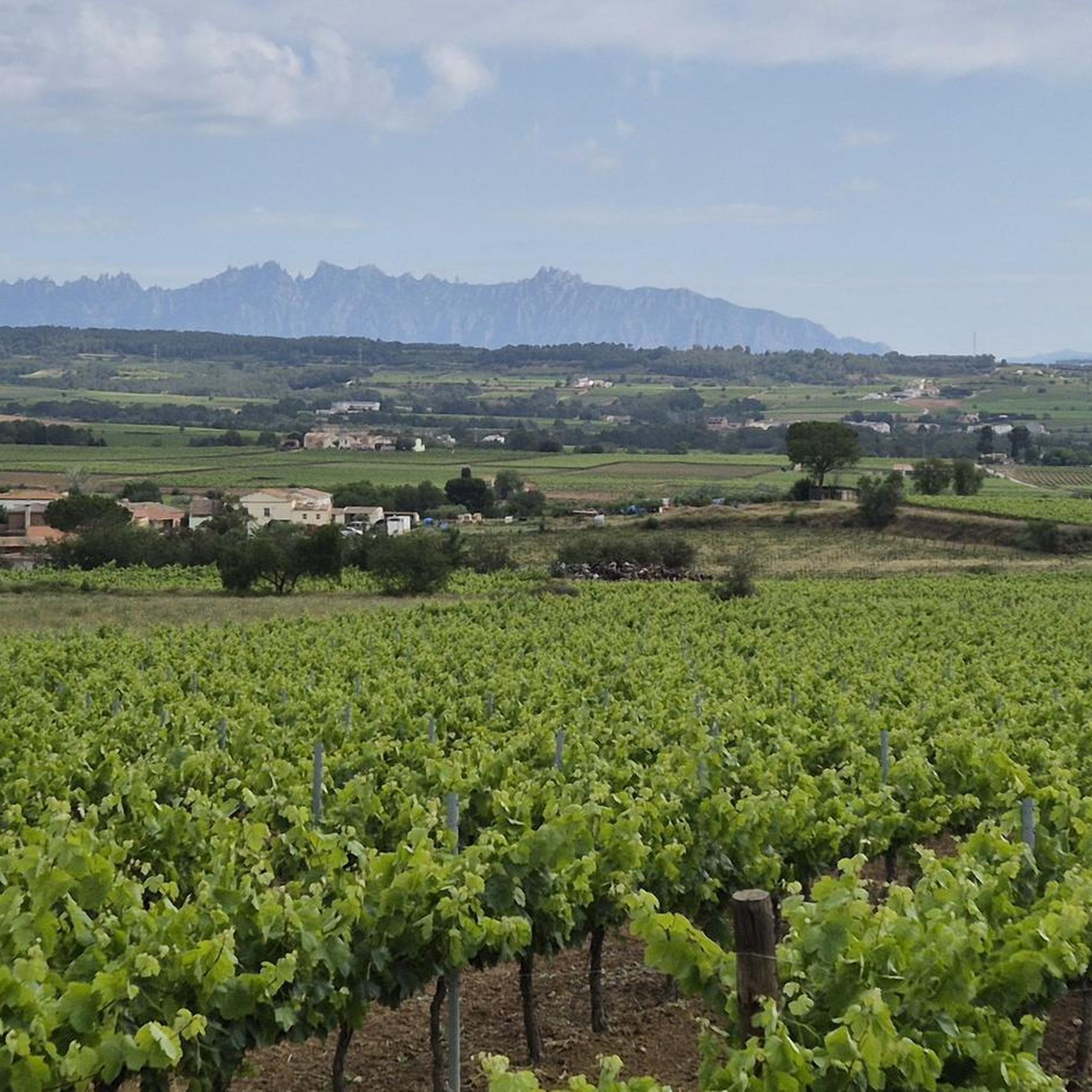
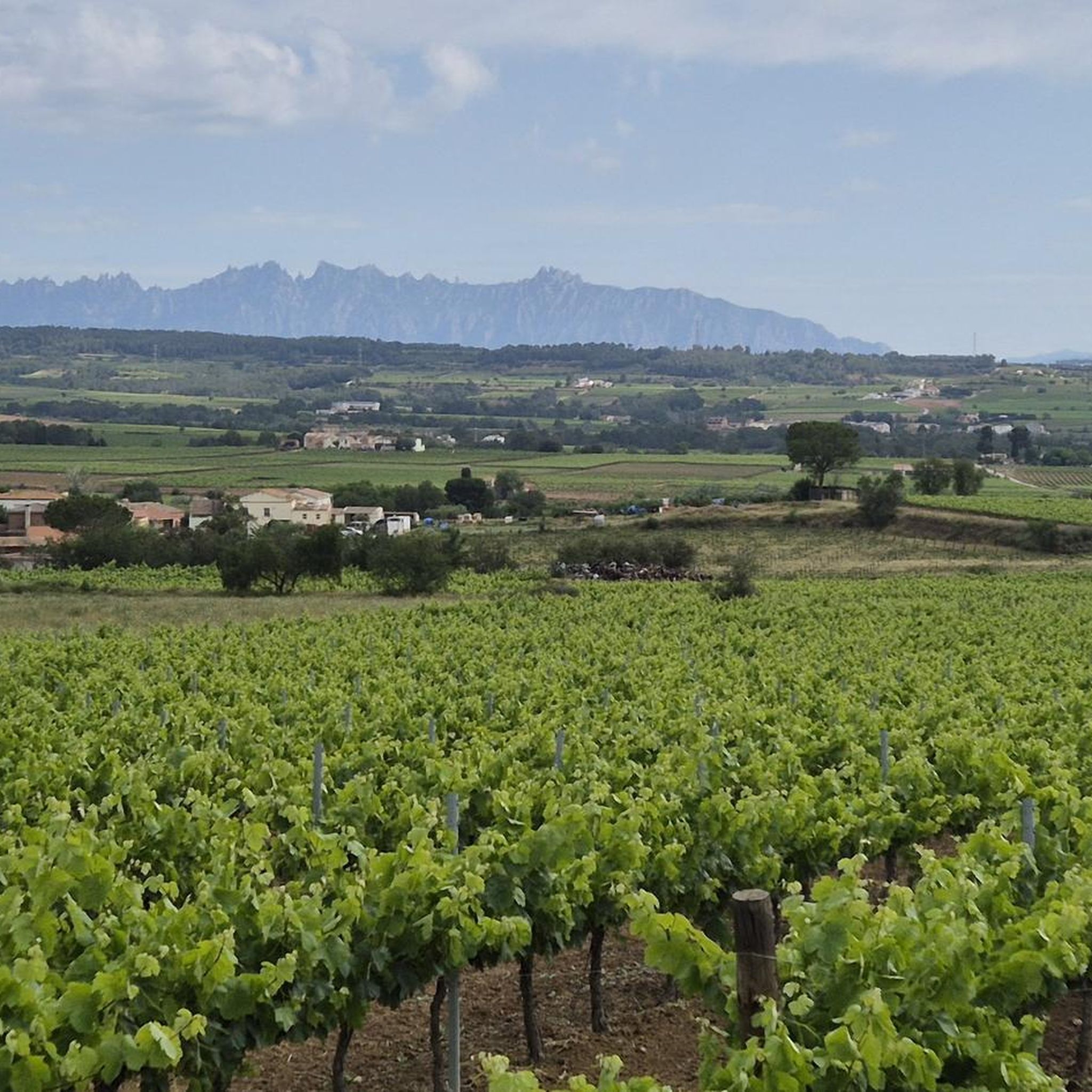
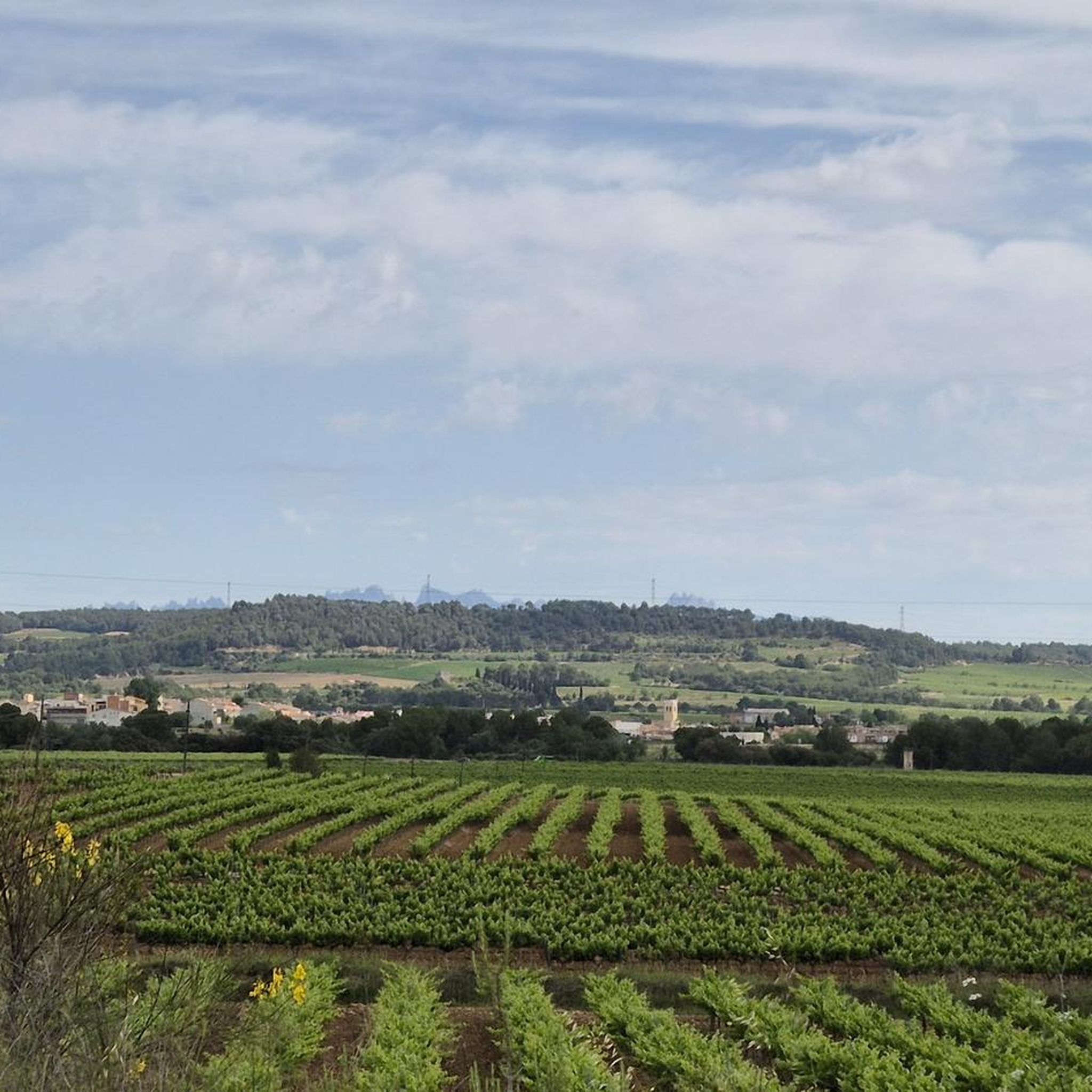
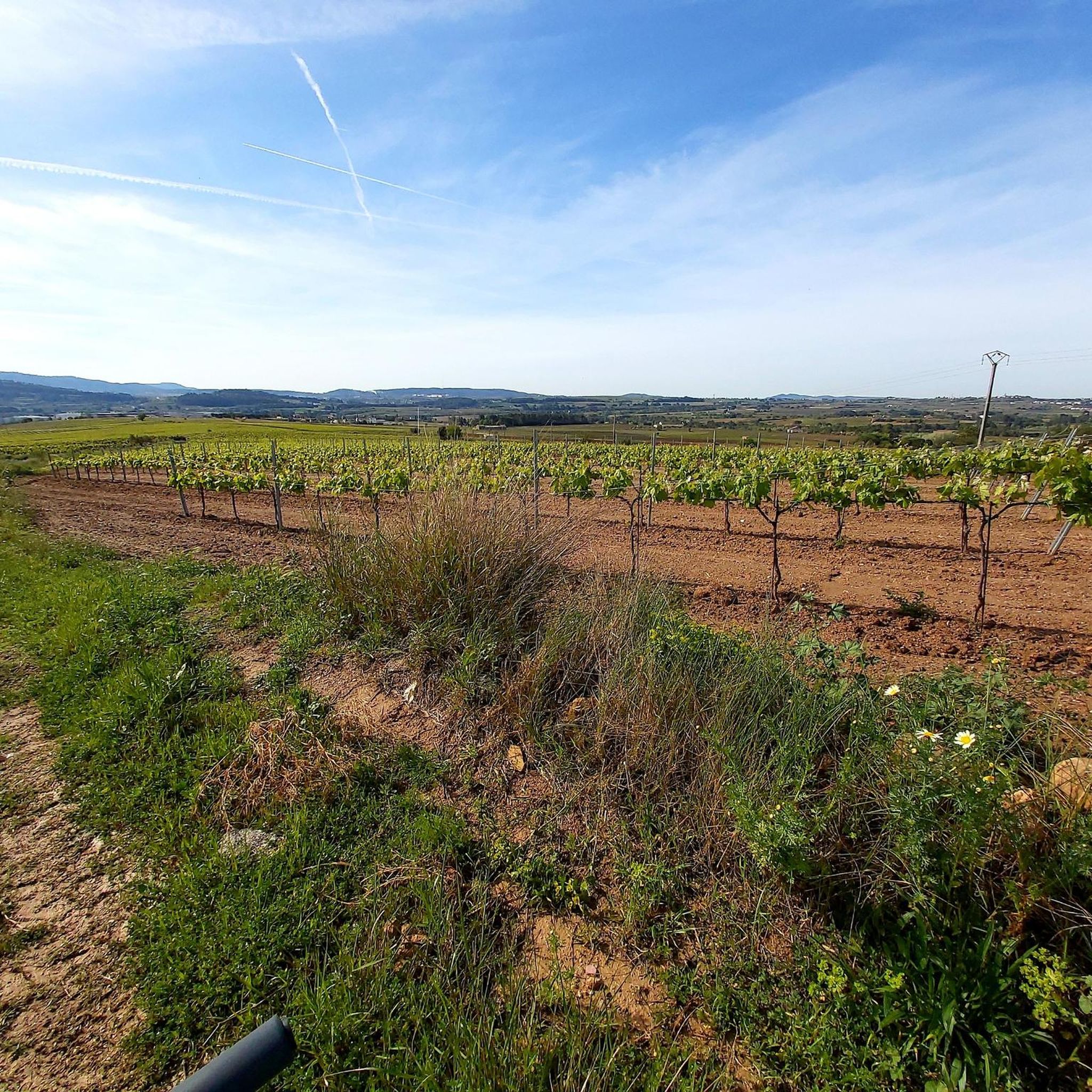
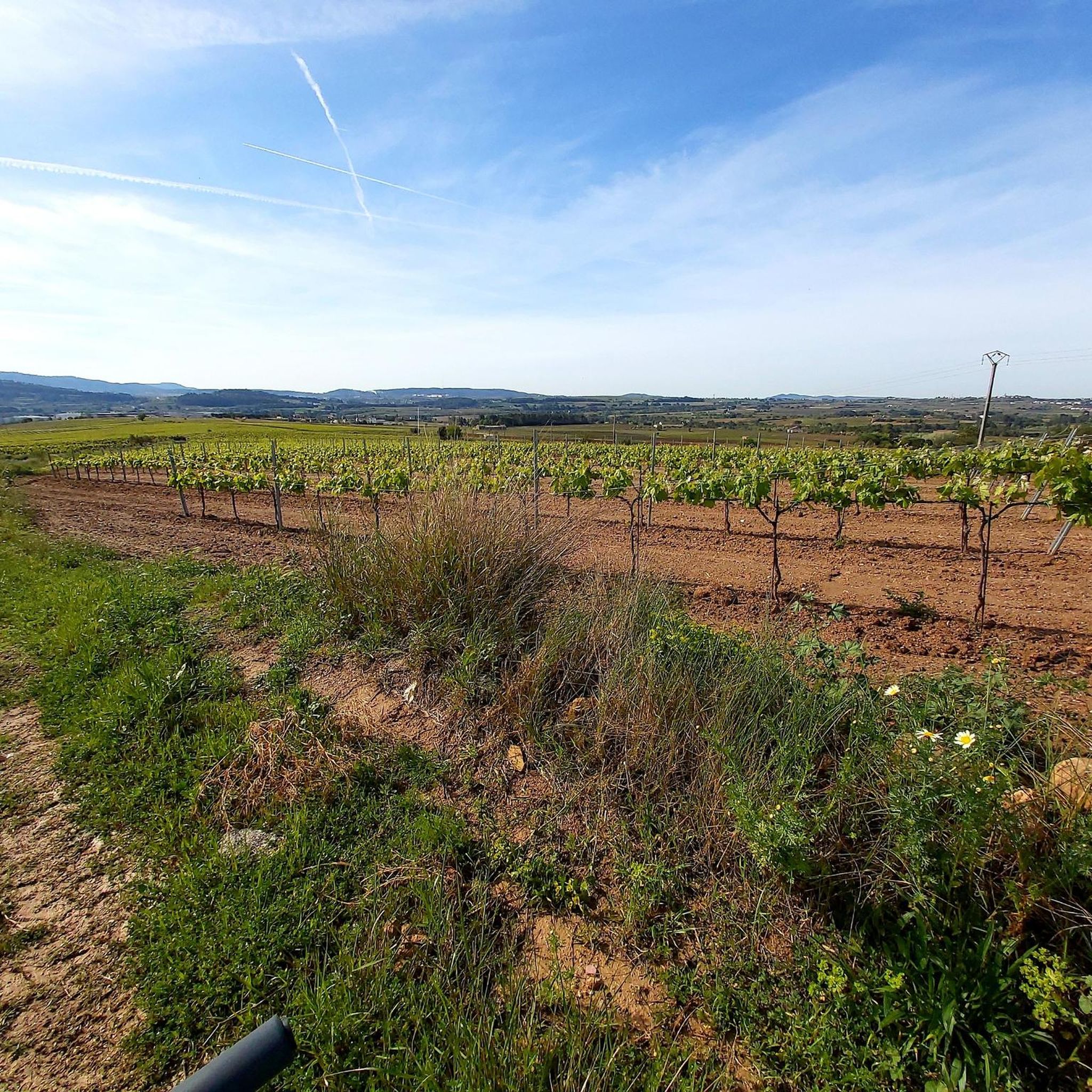
Best attractions and places to see around Santa Fe Del Penedès include a landscape characterized by gently rolling hills and extensive vineyards. This tranquil municipality in the Alt Penedès region of Barcelona is rooted in viticultural traditions. The area features historic masias, cultural sites, and natural points of interest. It offers opportunities to explore the region's wine culture and rural paths.
Best attractions and places to see around Santa Fe Del Penedès
- The most popular attractions is Gran Pèlag of…
Last updated: October 9, 2026
Monastery of San Sebastián de los Gorgs
Highlight • Religious Site
Showing Translation
Tip by

L'Avellà
Highlight • Settlement
Translated by Google •
Tip by
Sign up now to discover places like this
Get recommendations on the best single tracks, peaks, & plenty of other exciting outdoor places.
Gran Pèlag of Vilobí del Penedès
Highlight • Lake
Translated by Google •
Tip by

Olèrdola Castle and Archaeological Site
Highlight • Castle
Translated by Google •
Tip by
Hermitage of Sant Joan de Lledó
Highlight • Religious Site
Translated by Google •
Tip by
Sign up for free to discover even more attractions around Santa Fe Del Penedès.
Already have an account?
Start today with a free account
Your next adventure awaits.

Tips from the Community


From the Canyellas road it is a two kilometer climb to the castle.
0
0

The path is very easy and pleasant.
1
0

It is a beautiful town in a very pleasant and quiet place, with very beautiful landscapes and views. You have to enjoy these places to practice cycling.
0
0

It is located in a rural environment of vine cultivation that has certainly been a mute witness to conflicts between the farmers, to dead rabassa contracts, to the appearance of phylloxera... but also to the prosperity of its inhabitants, of demographic growth, changes... Sant Joan de Lledó is a small church of Romanesque origin, whose factory has been modified over the years. It is one of the many testimonies that are part of the repopulating movement of these borderlands. It is a chapel with a single rectangular nave with an added side building, the sacristy, which has the shape of a pre-Romanesque apse. It has lateral buttresses and a raised apse, with a Romanesque window, in the Baroque period. It has a door on the west facade with an archivolt and above it, an open bull's eye and a redone bell tower. The chapel is located in the middle of vineyards, almond trees and olive trees.
1
0

This small nucleus, belonging to the municipality of Avinyonet del Penedès, is primarily known for housing an old Benedictine monastery. It is a complex formed by a single-nave church, with a chapel, bell tower, and a cloister of great sculptural value. Another notable construction is Cal Bou, a 1893 building with a quadrangular floor plan and striking glazed ceramic decorations and cornices that separate the floors.
1
0

Castle at the top of Olèrdola Park. This is one of the 12 natural spaces that try to be protected and at the same time that people can pass through giving life to the area. The old castle is an example, and passing by and seeing its walls is always beautiful!
0
0

The history of the place tells of the settlement of several tribes during the Bronze Age (2000-1800 BC), the construction of a primitive wall during the Iron Age (8th-7th centuries BC) and the arrival of the Cossetans (5th-4th centuries BC), an Iberian tribe that built an entire town there, later replaced by a Roman military camp that controlled the Via Augusta. At the time of the Christian conquest (929), Count Sunyer I built the first castle on the ruins of a Roman watchtower, as well as the church of Sant Miquel. The Muslim incursions of the 10th century seriously damaged the place, which had to be rebuilt during the following two centuries, after it belonged to Mir Geribert, self-proclaimed prince of Olèrdola. The visit to the complex is worth taking it easy and dedicating at least an hour to it. Before you go, you should consult their website: http://www.macolerdola.cat/Visita-ns/Informacio-per-a-la-visita
1
0
Frequently Asked Questions
What natural attractions can I explore in Santa Fe del Penedès?
The region is characterized by its picturesque landscape of vineyards and gently undulating terrain. A prominent natural feature is the Gran Pèlag of Vilobí del Penedès, a unique natural space formed from ancient gypsum quarries, now comprising four lagoons with significant ecological value. You can also find numerous rural paths winding through the vineyards, offering scenic views and opportunities to discover traditional dry stone heritage.
Are there any historical sites or landmarks to visit?
Yes, Santa Fe del Penedès is rich in history. You can visit the 16th-century Església de Santa Maria, the parish church. The area also boasts several historic masias (farmhouses) like Els Botins (12th century) and Cal Baldús (17th century). Further afield, the Monastery of Saint Sebastian of the Gorgs, founded in 1030, offers a glimpse into Romanesque architecture with its church, bell tower, and cloister. Another significant historical site is the Olèrdola Castle and Archaeological Site, which includes Roman walls, silos, and the church of San Miguel de Olèrdola.
What kind of outdoor activities can I do around Santa Fe del Penedès?
The region is ideal for outdoor enthusiasts. You can enjoy hiking, cycling, and gravel biking through the extensive vineyards and rural paths. For hiking, consider routes like the 'Cal Ferret Pine Park loop' or the 'View of the Vineyard loop'. Cyclists can explore routes such as 'Vilafranca – Viladellops village loop' or 'Sant Pere de Lavern – Sant Sadurní d'Anoia Town Hall loop'. For gravel biking, there are options like 'Gravel through Penedès, the capital of cava'. You can find more details on these and other routes in the hiking guide, cycling guide, and gravel biking guide for the area.
Are there family-friendly attractions in the area?
Yes, several attractions are suitable for families. The Gran Pèlag of Vilobí del Penedès, with its unique lagoons and ecosystem, is a great spot for a family outing to enjoy nature. The small settlement of L'Avellà, surrounded by vineyards, offers a pleasant environment for a stroll. Additionally, many of the rural paths through the vineyards are gentle and suitable for family walks.
What is the best time of year to visit Santa Fe del Penedès for outdoor activities?
The region's climate is generally mild, making it pleasant for outdoor activities for much of the year. Spring and autumn are particularly recommended, as the weather is comfortable for hiking and cycling, and the vineyards offer beautiful scenery, whether budding in spring or displaying rich colors in autumn. The main local festival, Festa Major, is held on the third weekend of October, offering a vibrant cultural experience.
Can I visit local wineries or cava producers?
Absolutely. As a heartland of wine and cava production, visiting local cellars is a key attraction. Many wineries and cava producers in the Penedès region offer guided tours and tastings, allowing you to experience the renowned sparkling and still wines firsthand. Some historic masias, like Cal Baldús, are active wine producers.
Where can I find the best viewpoints in Santa Fe del Penedès?
The gently undulating terrain and vineyards provide many scenic spots. The settlement of L'Avellà offers pleasant views of the surrounding vineyards. For more expansive vistas, the Olèrdola Castle and Archaeological Site provides a privileged view over the surroundings of Vilafranca and Garraf. The Penya del Papiol, a small peak, also offers panoramic views, allowing you to see Montserrat, la Mola, and other distant landmarks on a clear day.
What cultural events take place in Santa Fe del Penedès?
The municipality hosts several traditional events throughout the year. The Festa Major, the main local festival, occurs on the third weekend of October and features traditional Penedès festive parades. The Fira de la Via Augusta, held on the first day of May, offers wine and cava tastings along with family activities. During Carnival, you can experience the Festa de les Torrades, a traditional breakfast event, and around Christmas, there's the Pessebre Vivent (Living Nativity Scene).
Are there any less crowded or hidden gems to discover?
Santa Fe del Penedès itself is a tranquil municipality, offering a serene rural landscape away from larger crowds. Exploring the numerous rural paths amidst the vineyards can lead you to quiet spots and traditional dry stone heritage. The historic masias scattered across the municipality, some dating back centuries, also offer a chance to discover authentic Catalan architecture in a peaceful setting.
What kind of architecture can I see in the region?
The area showcases a blend of historical and traditional Catalan architecture. You'll find the 16th-century Església de Santa Maria and numerous historic masias (farmhouses) like Els Botins and Cal Baldús, which exemplify classic Catalan rural design. Additionally, structures like Ca la Sió feature a unique Noucentista facade from around 1920, and in L'Avellà, you can see notable buildings like Villa Josefa Formosa and Can Gol with its distinctive Noucentista style.
What is the significance of the vineyards in Santa Fe del Penedès?
The vineyards are central to the region's identity, economy, culture, and scenic beauty. They define the landscape with their gently rolling hills and are the heartland of Penedès wine and cava production. The viticultural traditions are deeply rooted in the municipality, offering visitors a taste of authentic Penedès culture through wine tourism and picturesque routes through the grapevines.
Most popular routes around Santa Fe Del Penedès
Most popular attractions around Santa Fe Del Penedès

Get inspired with the komoot mobile app


Explore more
Still not found the Highlight you’re looking for? See guides of the top attractions in other regions:
