Attractions and Places To See around Balconchán - Top 20
Best attractions and places to see around Balconchán include historical landmarks, cultural sites, and natural areas. This tranquil village is situated at the foot of the Sierra de Santa Cruz, offering a blend of historical significance and natural beauty. Balconchán is part of the Camino del Cid and is known for its peaceful atmosphere and proximity to the Laguna de Gallocanta. The region provides opportunities to explore historical architecture and observe diverse wildlife.
Best attractions and places to see around…
Last updated: July 2, 2026
Daroca
Highlight • Settlement
Translated by Google •
Tip by

Puerta Baja de Daroca
Highlight • Monument
Translated by Google •
Tip by

Sign up now to discover places like this
Get recommendations on the best single tracks, peaks, & plenty of other exciting outdoor places.
Sign up for free
Gallocanta Lagoon
Highlight • Lake
Translated by Google •
Tip by

Santander–Mediterranean Nature Trail – Villanueva del Jiloca
Highlight • Cycleway
Translated by Google •
Tip by

Walls and Main Castle of Daroca
Highlight • Castle
Translated by Google •
Tip by

Sign up for free to discover even more attractions around Balconchán.
Sign up for free
Already have an account?
Start today with a free account
Your next adventure awaits.
Login or Signup

Tips from the Community

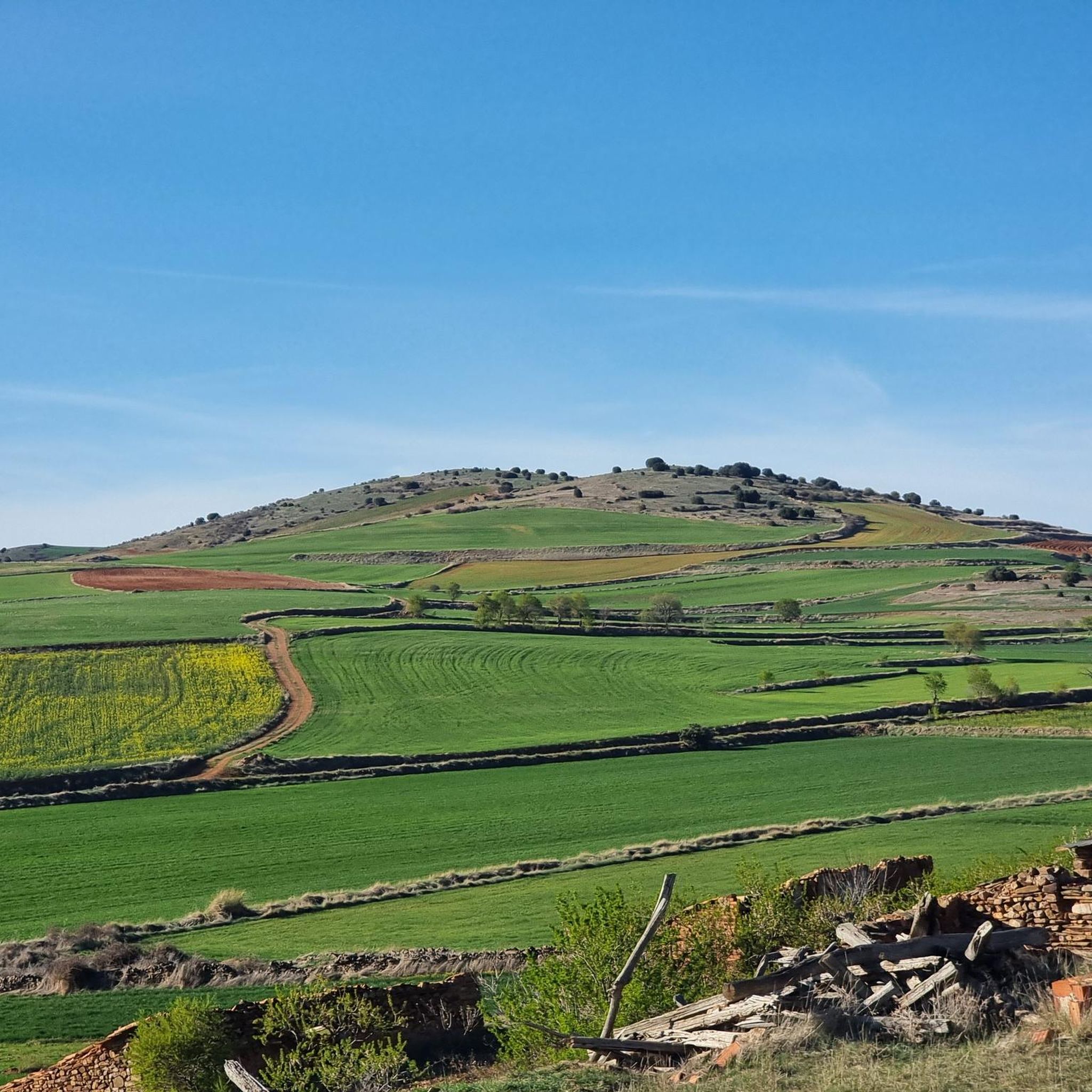
Watched over by the remains of its ancient castle, Daroca emerges, one of the most beautiful cities in Aragon. Without a doubt, one of the charms of the town is to walk along its walls, with their imposing towers, until you reach the castle, from which you can enjoy a beautiful panoramic view.
0
0
In addition to its natural value, the itinerary allows you to discover the historical richness of Daroca, one of the most emblematic medieval towns in Aragon, known for its walls, churches, and monumental legacy.
0
0

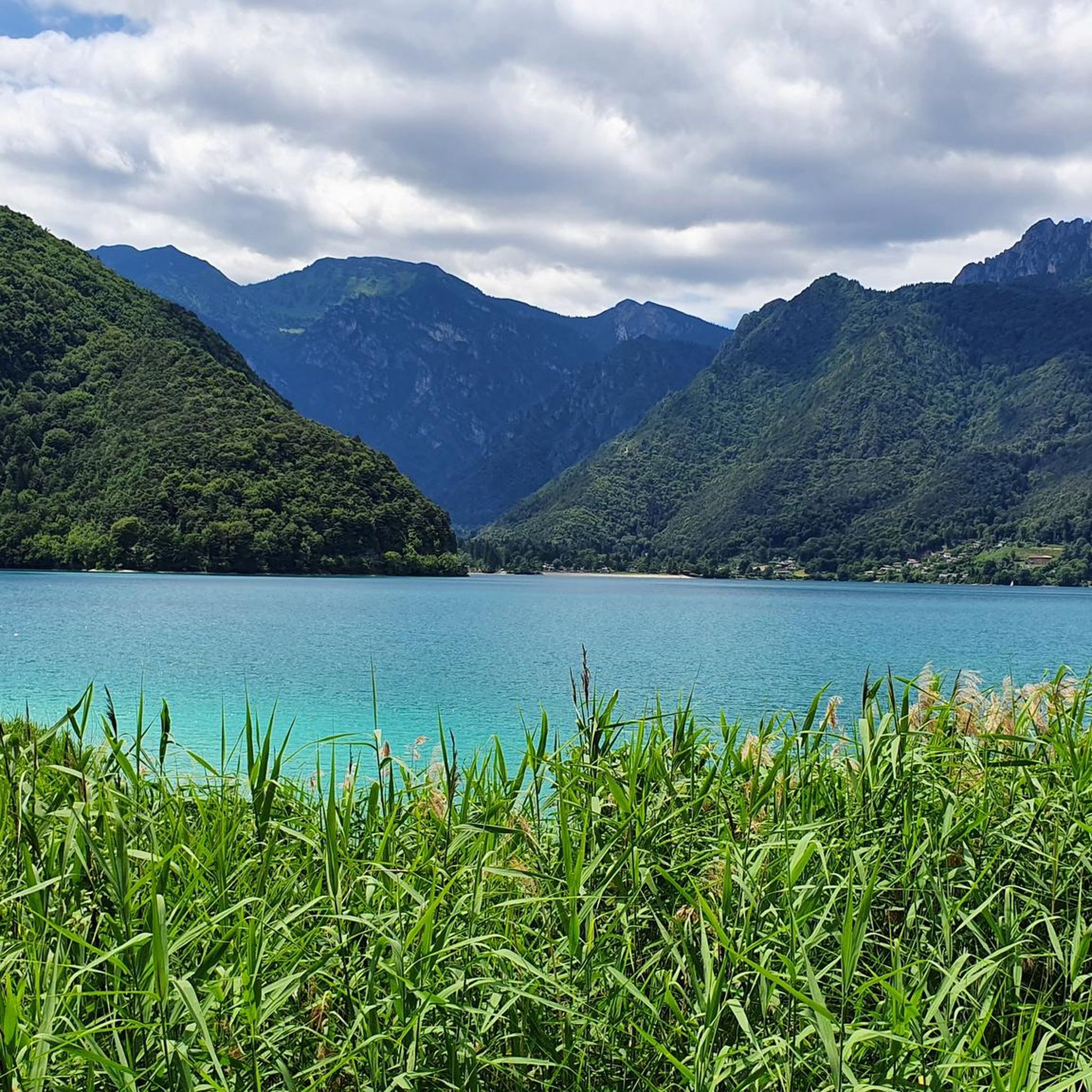
Gallocanta Lagoon, located between Zaragoza and Teruel, is the largest natural lagoon on the Iberian Peninsula and a unique area due to its high salinity. Declared a nature reserve in 2006, it is one of the most important birdwatching spots in Spain, with more than 220 recorded species. Every autumn and spring, thousands of cranes stop here on their migrations, offering an unforgettable spectacle. The area is rich in trails and viewpoints, so it is recommended to bring binoculars and comfortable shoes to enjoy the wildlife and scenery at a leisurely pace.
2
0
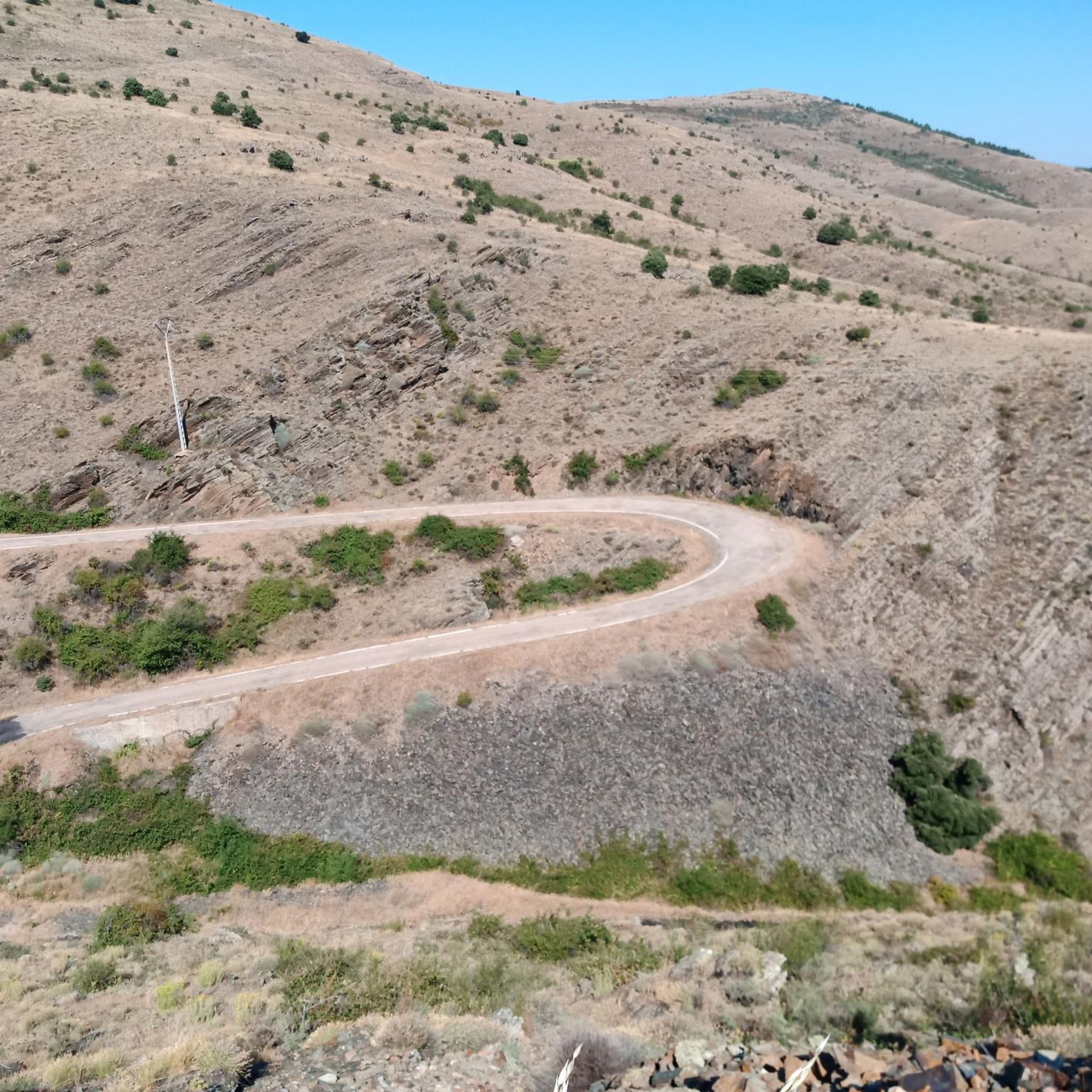
The Lower Gate is the most emblematic entrance to Daroca and one of the most impressive defensive monuments in Aragon. Its two robust towers flank a large arch that, in addition to serving as a passageway, also facilitated the drainage of water during periods of heavy rain. Built between the 13th and 16th centuries, it reflects the military and architectural evolution of the city, with Gothic and Renaissance elements such as the gallery of arches and the imperial coat of arms of Charles V. Today, restored, it houses the Center for Daroca Studies and is a must-see for those exploring the city's walls and historic streets.
2
0

This Castle corresponds to the Major Castle of Daroca, of Muslim origin and built in the 11th Century.
0
0

repair station and drinking water fountain
0
0

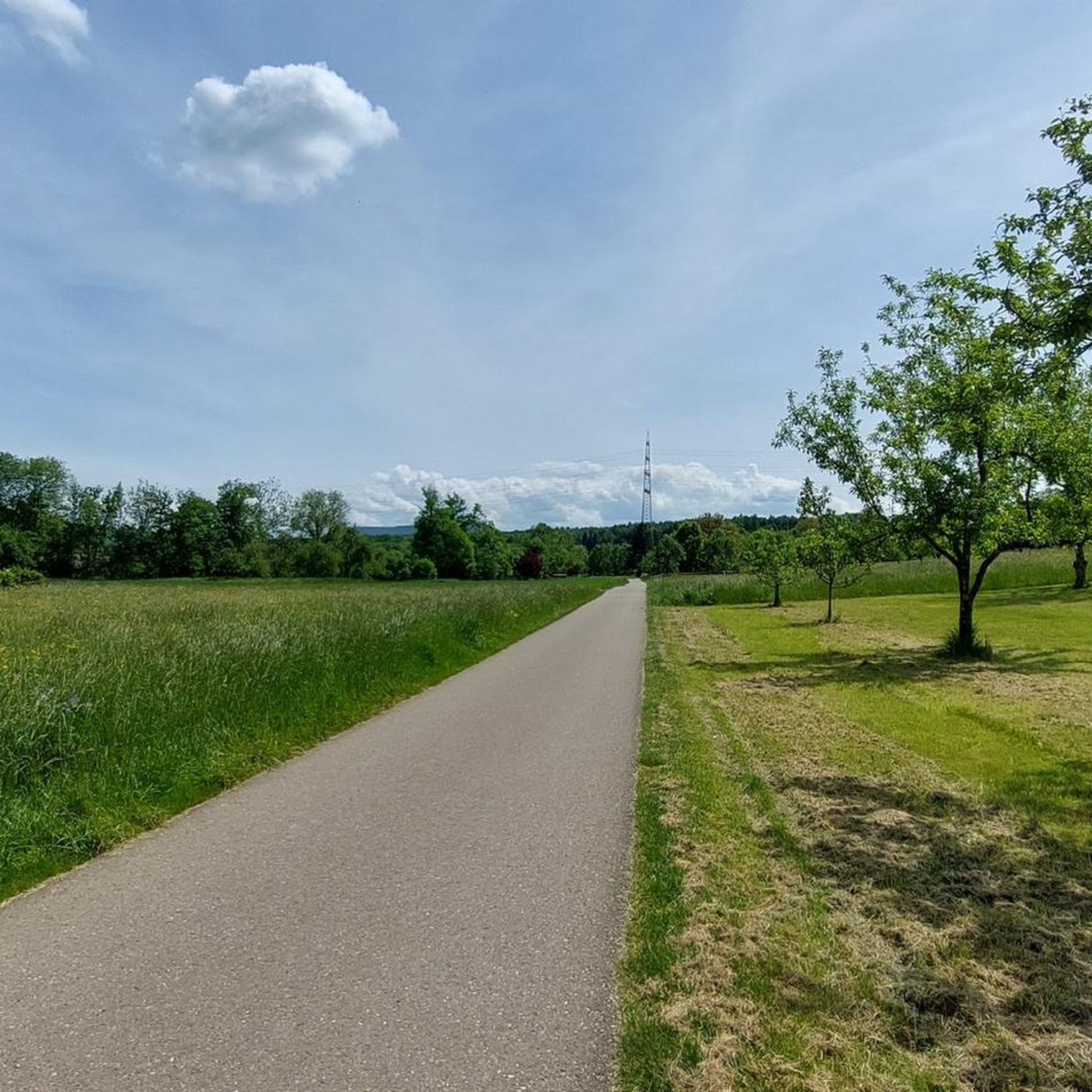
It is still under construction and only partially accessible (gravel road).
0
0

The rich history of Daroca, from a Celtiberian town to a Roman city, and later from an Arab enclave to an important town in the kingdom of Aragon, is manifested in the variety of monuments and historical vestiges that it preserves in its urban center. Churches, fountains, mines, and, especially, the wall and the Mayor castle, transport you to the fascinating past of this Aragonese town.
0
0
Frequently Asked Questions
What historical sites can I explore near Balconchán?
Near Balconchán, you can delve into the rich history of Daroca, a settlement known for its ancient walls, old castle, and architectural relics from the Mudéjar period. Don't miss the impressive Puerta Baja de Daroca, an emblematic defensive structure with Gothic and Renaissance elements. Within Balconchán itself, visit the Renaissance Iglesia de la Virgen del Rosario with its 16th-century altarpiece, and the Ermita de Santa Bárbara, which houses 14th-century mural paintings. The village is also part of the historic Camino del Cid.
Are there opportunities for birdwatching around Balconchán?
Yes, the area is excellent for birdwatching, particularly around the Gallocanta Lagoon. This is Europe's largest saltwater lagoon and a significant nature reserve, especially known as a wintering ground for thousands of cranes. You can also visit the Hermitage of Our Lady of Good Agreement, which is situated in a spectacular setting at the lagoon and offers informative panels about the bird species.
What natural attractions are there to see near Balconchán?
Balconchán is nestled at the foot of the Sierra de Santa Cruz, offering beautiful natural landscapes. The Gallocanta Lagoon is a major natural highlight, renowned for its unique ecosystem and birdlife. You can also enjoy spectacular views from the Puerto de Balconchán and discover the Fuente de Agua Mineromedicinal, a natural spring of mineral-medicinal water.
What kind of outdoor activities can I do near Balconchán?
The region around Balconchán offers various outdoor activities. You can find numerous trails for hiking and cycling, allowing you to explore the natural scenery of the Campo de Daroca. For specific routes, consider exploring the Road Cycling Routes around Balconchán, Running Trails around Balconchán, or Cycling around Balconchán guides for detailed tour suggestions.
Are there family-friendly attractions in the Balconchán area?
Yes, several attractions are suitable for families. The town of Daroca, with its ancient walls and historical charm, can be an engaging place for families to explore. The Gallocanta Lagoon is also family-friendly, offering opportunities for nature observation and birdwatching, with viewpoints and informative panels. The Hermitage of Our Lady of Good Agreement at the lagoon even has a barbecue area.
What is the best time of year to visit Balconchán?
The best time to visit Balconchán largely depends on your interests. For birdwatching, especially to see cranes, autumn and spring are ideal as thousands stop at the Gallocanta Lagoon during their migrations. For hiking and cycling, spring and autumn offer pleasant temperatures. The village itself provides a peaceful escape year-round.
Can I find hiking trails suitable for beginners near Balconchán?
Yes, the trails crisscrossing the municipality offer various difficulty levels. While some routes can be challenging, you can find easier sections for a leisurely walk. For specific routes and their difficulty, refer to the Running Trails around Balconchán guide, which includes routes like the 'Puerta Baja de Daroca – Daroca loop from Daroca' rated as moderate, and other cycling routes with easy options.
What are some unique cultural elements to discover in Balconchán?
Balconchán is rich in cultural heritage. Beyond the main church and hermitage, you can find traditional 'peirones' (stone crosses or shrines) dedicated to San Pascual and San Roque throughout the village. The peirón of San Pascual Bailón is particularly notable, as local tradition holds he was a resident. The village's quiet streets and well-maintained houses also contribute to its unique, fairytale-like atmosphere.
Is there a specific cycling route I should consider near Balconchán?
A notable cycling route in the area is the Santander–Mediterranean Nature Trail, which passes through Villanueva del Jiloca. This path, though still under construction in some sections, is oriented towards cycle tourism. For a more direct experience, consider the 'Natural Reserve of the Laguna de Gallocanta — gravel circular' route, which is a moderate cycling option found in the Cycling around Balconchán guide.
What do visitors enjoy most about the attractions around Balconchán?
Visitors particularly appreciate the blend of historical depth and natural beauty. They enjoy wandering through the ancient streets of Daroca, exploring its walls and Mudéjar architecture. The serene atmosphere and spectacular birdwatching opportunities at the Gallocanta Lagoon are also highly valued, offering a peaceful escape and a chance to connect with nature.
Are there any facilities available at the Gallocanta Lagoon for visitors?
Yes, at the Hermitage of Our Lady of Good Agreement, located at the Gallocanta Lagoon, you'll find informative panels about the lagoon and its bird species. There is also a designated area for barbecues and a place to take refuge in case of a storm, making it convenient for visitors spending time there.
Can I find information about the history of Daroca's defensive structures?
Absolutely. Puerta Baja de Daroca is an excellent starting point. This impressive defensive monument, built between the 13th and 16th centuries, showcases the military and architectural evolution of the city with its Gothic and Renaissance elements. It's a key part of Daroca's extensive wall system, which you can explore to understand its past as a border city.
Most popular routes around Balconchán
Most popular attractions around Balconchán

Get inspired with the komoot mobile app


Explore more
Still not found the Highlight you’re looking for? See guides of the top attractions in other regions:
