The best running trails around Astorga
5.0
(1)
140
runners
27
runs
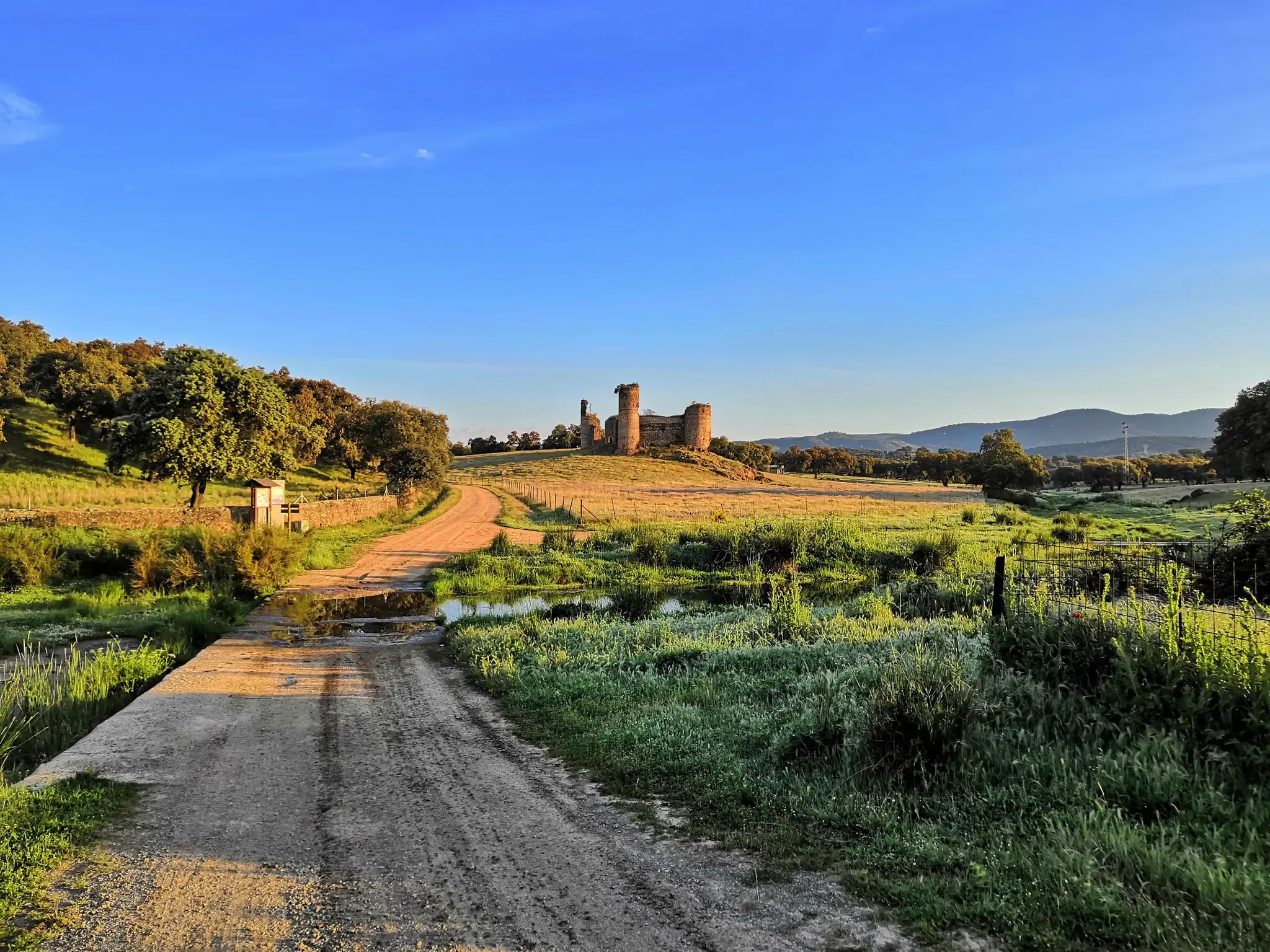
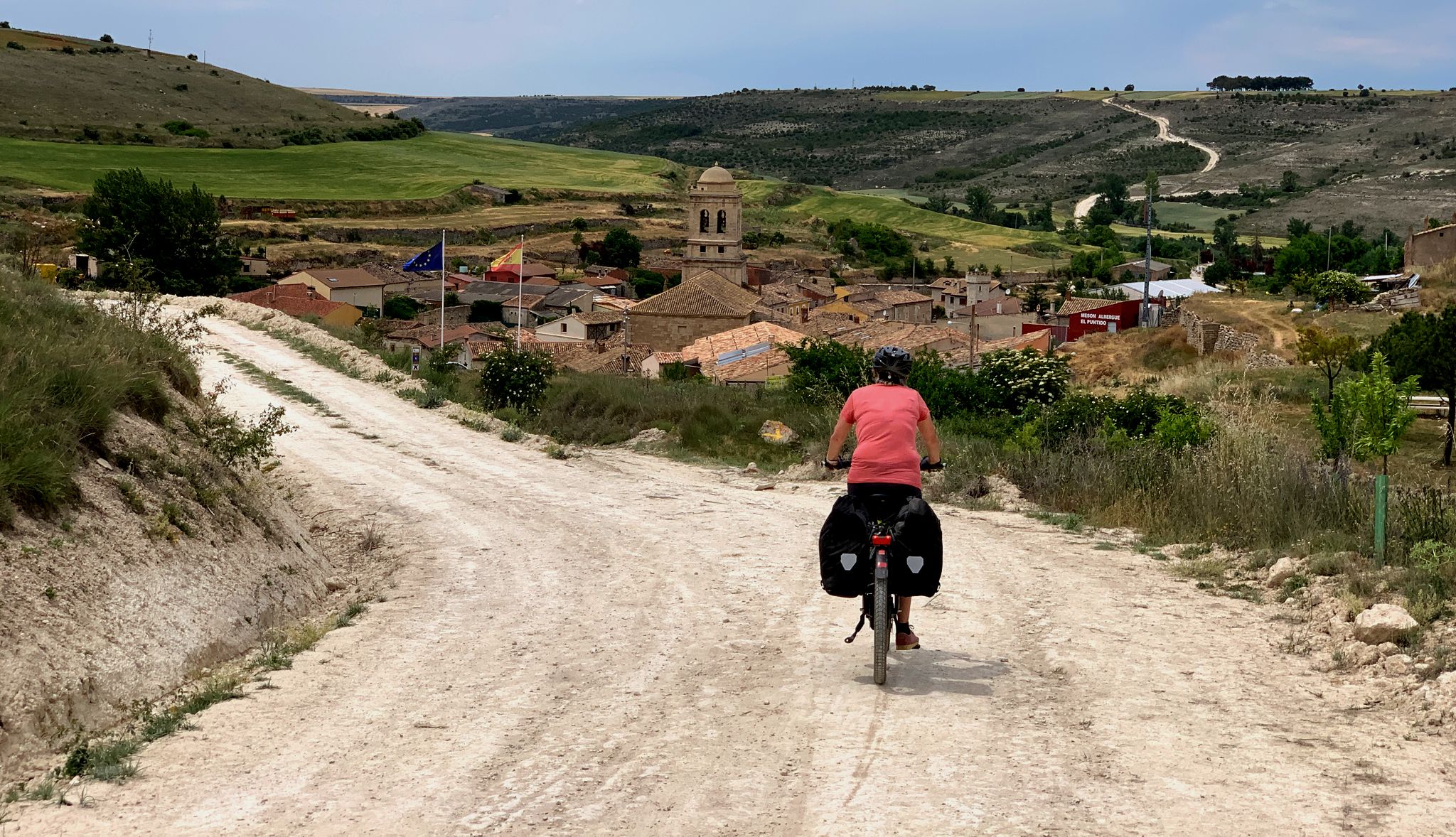
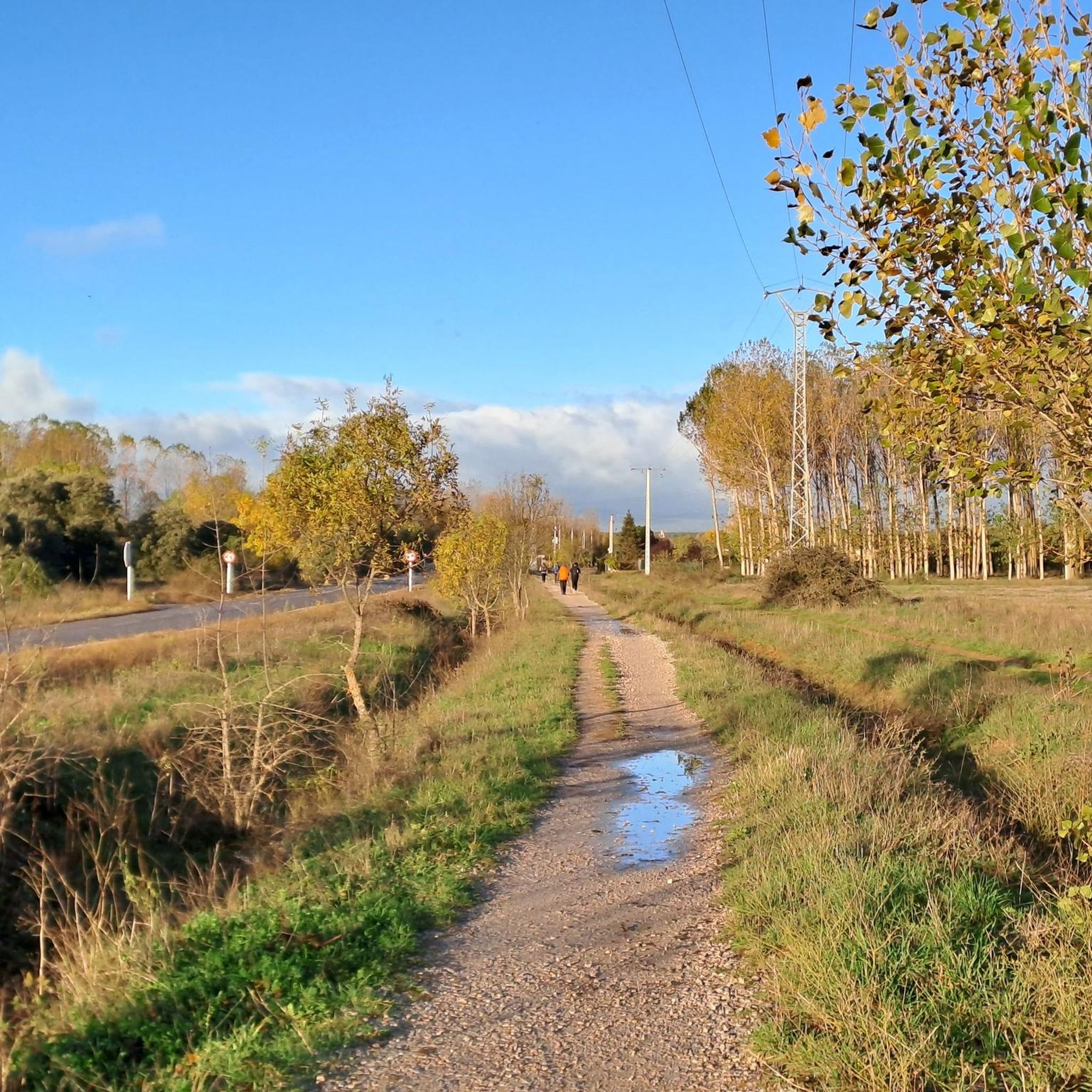
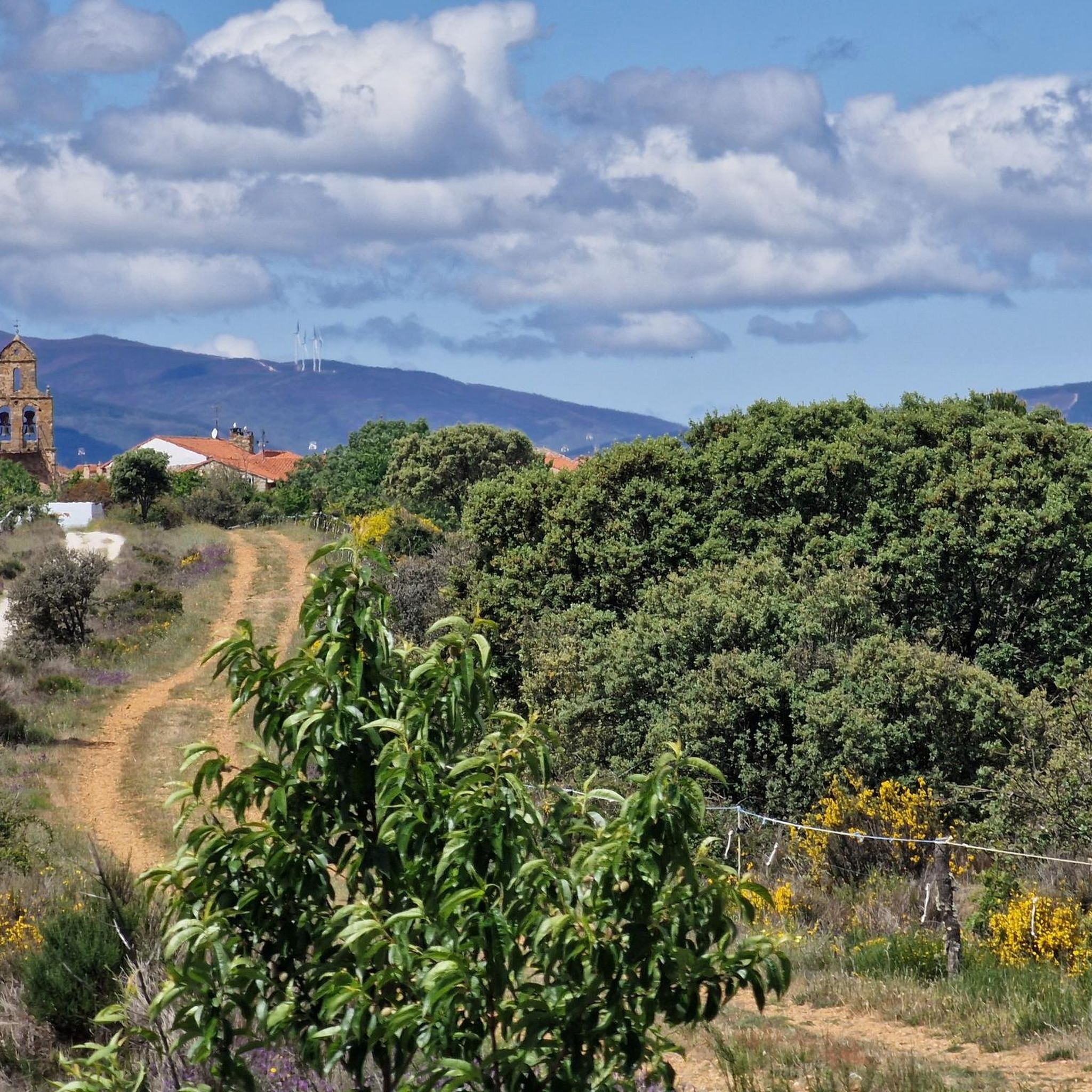
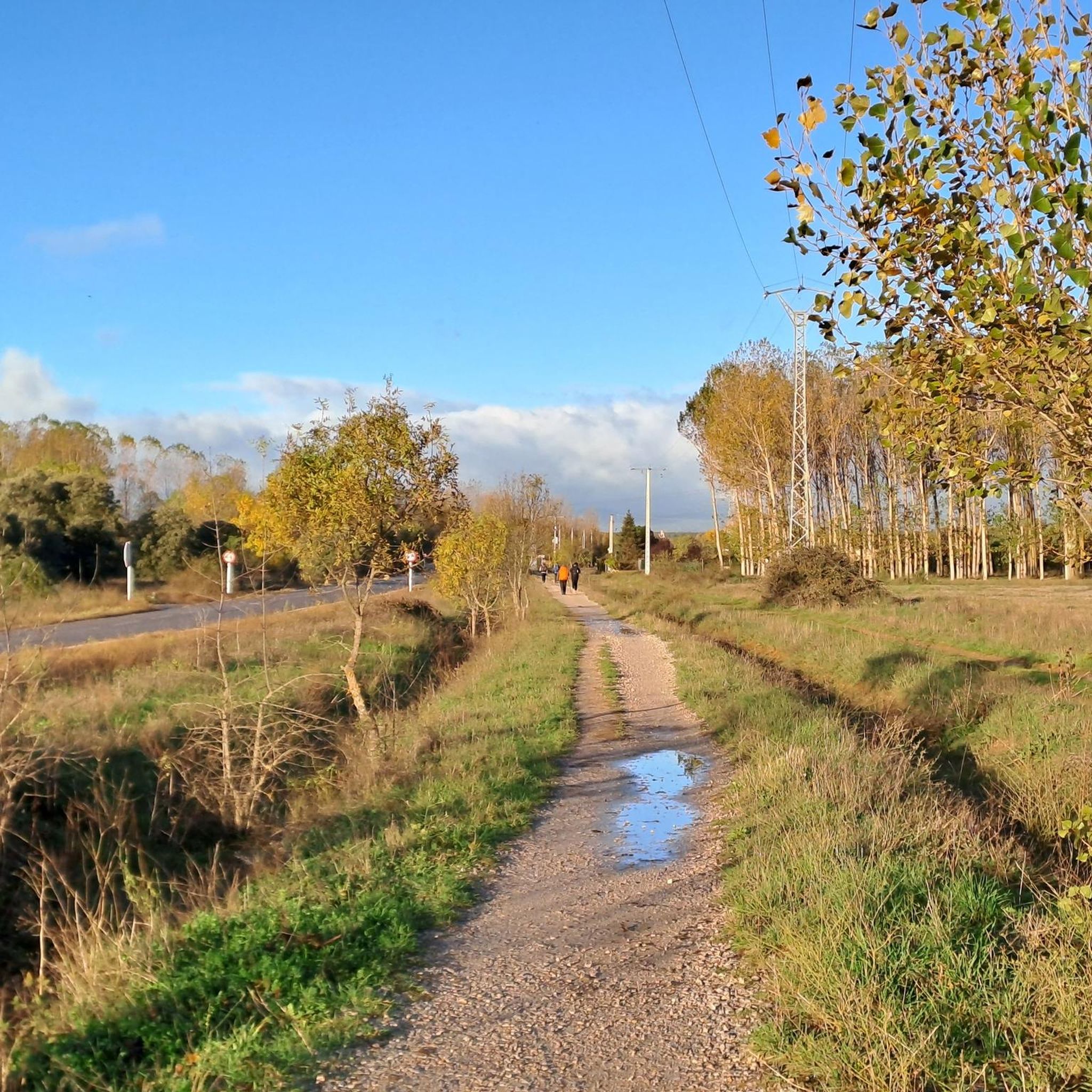
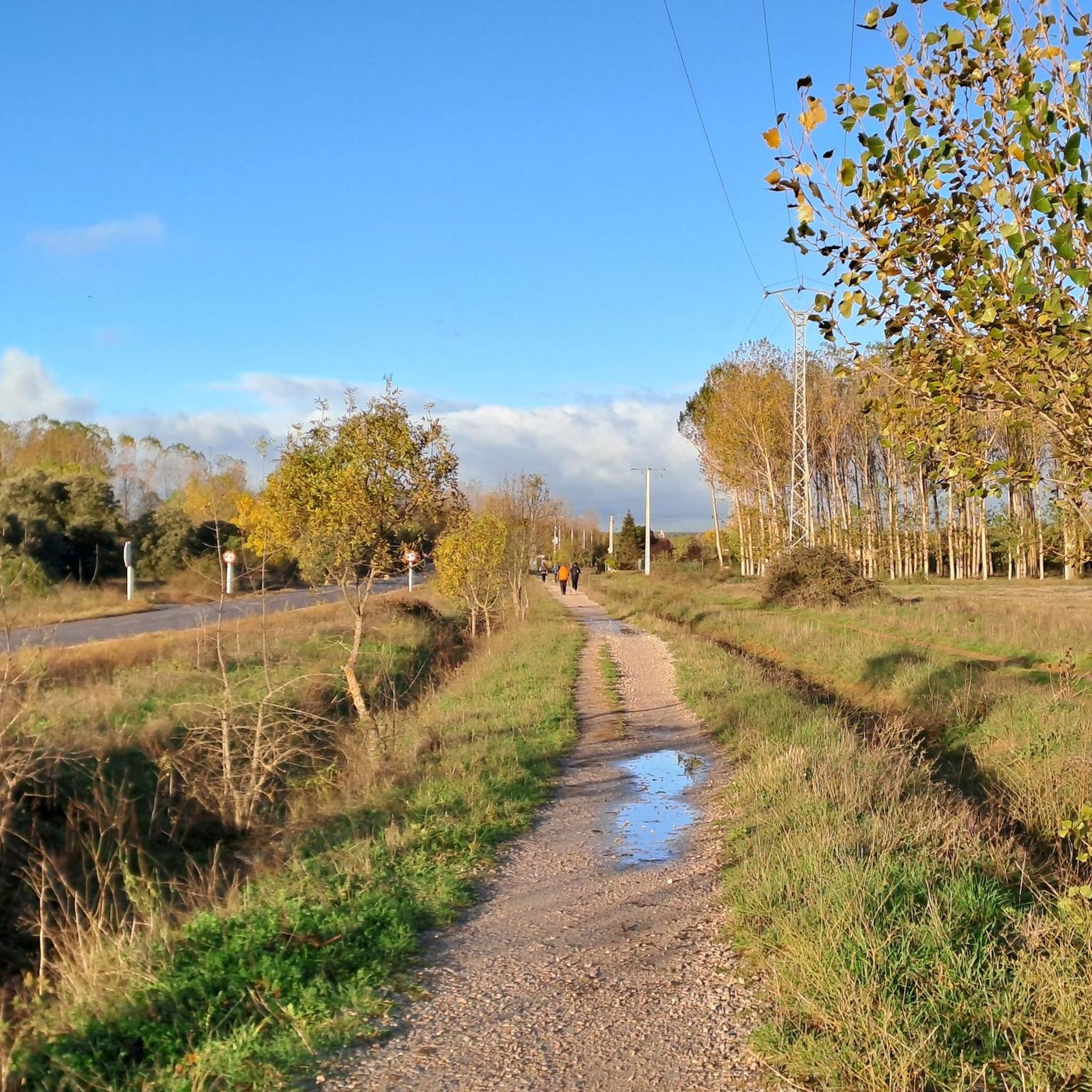
Jogging around Astorga offers a diverse range of landscapes, from the flat plains of the Páramo to the foothills of the Montes de León. The region features oak forests, river valleys, and rural countryside, providing varied terrain for runners. Many routes incorporate segments of the historic Camino de Santiago, blending natural exploration with cultural landmarks. This area provides options for different fitness levels, from accessible paths to more demanding trails.
Best jogging routes around Astorga
- The most popular jogging route…
Last updated: October 15, 2026
8
runners
8.83km
00:57
50m
50m
Moderate run. Good fitness required. Mostly paved surfaces. Suitable for all skill levels.
9
runners
9.39km
00:59
60m
60m
Moderate run. Good fitness required. Mostly paved surfaces. Suitable for all skill levels.

6
runners
5.96km
00:37
30m
40m
Moderate run. Good fitness required. Mostly paved surfaces. Suitable for all skill levels.
8
runners
14.3km
01:34
90m
90m
Moderate run. Good fitness required. Mostly paved surfaces. Suitable for all skill levels.
5
runners
8.99km
00:57
80m
80m
Moderate run. Good fitness required. Mostly paved surfaces. Suitable for all skill levels.
Get access to more routes and recommendations from other explorers.
Already have an account?
Our route recommendations are based on thousands of hikes, rides, and runs completed by other people on komoot.
Start today with a free account
Your next adventure awaits.


Tips from the Community

here the demolition was used for art
0
0

In the heart of Astorga, right next to the cathedral, lies one of the most unusual bishop's residences on the Iberian Peninsula: the Palacio Gaudi. It was designed and built by the famous Spanish architect of the same name (Antonio Gaudi, 1852-1926). A visit to the museum housed here is worthwhile both for the exhibits presented to visitors and, of course, for the imaginative architecture of the building.
0
0

The Bishop's Palace of Astorga is one of only three buildings that Antoni Gaudí built outside Catalonia.
3
0

Always beautiful to look at. Here they tell the story of the people who lived here.
2
0
In the heart of Astorga, right next to the cathedral, lies one of the most unusual bishop's residences on the Iberian Peninsula: the Palacio Gaudi. It was designed and built by the famous Spanish architect of the same name (Antonio Gaudi, 1852-1926). A visit to the museum housed here is worthwhile both for the exhibits on display and, of course, for the imaginative architecture of the building.
2
0

On June 24, 1889, the prelate's name day, the first stone was laid. They had planned to complete the work on the palace in June 1894, but the bishop died in 1893, and this event radically changed the course of the work, paralyzed by the hostility between Gaudí and the Diocesan Council. Finally, Antonio Gaudí resigned from his post as chief architect, very upset by the treatment he received. In 1905, D. Julián de Diego y Alcolea ruled the diocese of Astorga and tried to convince Gaudí to return to the works of the palace, but he did not succeed. Ricardo García-Guereta, diocesan of León, was appointed architect and completed the work on October 12, 1913, as bishop D. Julián de Diego y Alcolea
4
0
Cultural visit The Cathedral of Astorga is a temple that is forever engraved in the memory of those who visit it. It offers a fantastic tour explained through an audio guide system available in different languages. A visit also designed for the little ones, since the cathedral offers a fun audio guide for children.
5
0
Behind the city wall in the park you have a beautiful view of Gaudi's Pilgrimage Museum.
2
0
Frequently Asked Questions
How many running routes are available around Astorga?
There are over 20 running routes available around Astorga, offering a diverse range of experiences. These include paths through oak forests, river valleys, and historical segments of the Camino de Santiago, catering to various fitness levels.
Are there any easy jogging paths suitable for beginners or families in Astorga?
Yes, Astorga offers several easy and accessible paths. For instance, the 3.2-mile circular route from San Justo de la Vega to the historic Crucero de Santo Toribio provides gentle terrain and views of Astorga. Many of the city's urban trails are also suitable for a relaxed run.
Which routes offer the best views of the Montes de León?
For spectacular views of the Montes de León, consider more challenging routes in the surrounding area. A 24.78-kilometer circular trail from Brazuelo, for example, provides impressive vistas as it traverses the higher terrain.
Can I find circular running routes in the Astorga region?
Absolutely. Many routes around Astorga are circular, allowing you to start and end in the same location. An example is the moderate 7.9-mile "El Celemín Route" which takes you through scenic oak forests and past reservoirs. Another popular option is the Running loop from Astorga, an 8.6 km trail that circles the city.
Are there any running trails that incorporate historical landmarks or cultural sights?
Astorga is rich in history, and many running paths intertwine with cultural landmarks. The city is a crucial junction for the Camino de Santiago, and segments like the "Pilgrim Walk: CF 22 Villar de Mazarife – Astorga" offer historical context. For an urban experience, the Street Art @ Astorga – Astorga loop from Astorga allows you to explore the city's urban art and architectural heritage.
What are some notable attractions I might see near the jogging routes?
Several routes offer glimpses of Astorga's significant attractions. The Gaudí Palace – Astorga loop from Astorga provides views of the iconic Episcopal Palace of Astorga (Gaudí Palace). You might also encounter the impressive Cathedral of Saint Mary of Astorga during urban runs. The historic Passo Honroso Bridge is featured on the "Camino Francés: Hospital de Órbigo - Villavante Loop".
Are there any challenging running routes for experienced runners?
Yes, for experienced runners seeking a challenge, Astorga offers routes with more significant elevation changes. The region transitions from flat plains to the mountainous Montes de León, providing demanding trails. An example is the Astorga – Water loop from Astorga, which is rated as difficult and covers over 15 km.
What do other runners say about jogging in Astorga?
The running routes in Astorga are highly rated by the komoot community, with an average score of 5.0 stars. Reviewers often praise the diverse landscapes, the blend of natural beauty with historical elements, and the variety of options for different fitness levels.
Are there any long-distance running options available?
Astorga is a key point on the Camino de Santiago (French Way and Silver Route), which are long-distance pilgrimage paths. These well-trodden routes offer extensive mileage for runners looking for longer distances, allowing you to follow in the footsteps of pilgrims through varied landscapes.
Can I combine my run with exploring the city's urban art?
Yes, Astorga features an "Urban Art Trail" with murals depicting the city's traditions and history. The Plaza Mayor de Astorga – Street Art @ Astorga loop from Astorga is a great option to combine your run with cultural sightseeing, passing by the city's architectural heritage and vibrant street art.
What kind of natural landscapes can I expect to see while running around Astorga?
The region around Astorga offers varied and picturesque terrain. You can expect to run through scenic oak forests, past reservoirs, and along river valleys. The landscape transitions from the flat plains of the Páramo to the foothills of the Montes de León, providing a mix of open countryside and more wooded areas.
Most popular attractions around Astorga

Get inspired with the komoot mobile app


Explore more
Browse the best Running Trails & Routes in other regions.
