Top 8 Castles around Lorca
Best castles around Lorca offer a journey through history in a region known for its diverse landscapes, from coastal areas to mountainous terrain. The area's strategic importance throughout history is reflected in its numerous fortifications. These structures provide insights into past eras, including Moorish rule and Christian reconquest. Visitors can explore a variety of architectural styles and historical periods within the Lorca area.
Best castles around Lorca
- The most popular castles is Cope Tower, a man-made monument that protected Spanish shepherds and fishermen from pirates. This unique tower, built in the 16th century, is listed on the Spanish heritage list.
- Another must-see spot is Tower of Homage of Aledo, a medieval castle. Visitors can expect spectacular views of the entire valley and mountains of Tercia, Chichar, Tirieza, and Sierra Espuña from this 13th-century keep.
- Visitors also love Lorca Castle, a historical fortress dating from the 10th century. It served as a border surveillance post between the Christian kingdom of Murcia and the Muslim kingdom of Granada for over 250 years.
- Lorca is known for its defense towers, medieval fortresses, and historical castles. These structures offer a variety of historical periods and architectural styles to see and explore.
- The castles around Lorca are appreciated by the komoot community, with more than 140 upvotes and over 50 photos shared by visitors.
Last updated: October 16, 2026
Cope Tower
Highlight • Monument
Translated by Google •
Tip by

Lorca Castle
Highlight • Castle
Translated by Google •
Tip by

Sign up now to discover places like this
Get recommendations on the best single tracks, peaks, & plenty of other exciting outdoor places.
Tower of Homage of Aledo
Highlight • Castle
Translated by Google •
Tip by

Castillo de San Juan de los Terreros
Highlight • Castle
Showing Translation
Tip by

Aledo
Highlight • Settlement
Showing Translation
Tip by

Sign up for free to discover even more castles around Lorca.
Already have an account?
Start today with a free account
Your next adventure awaits.
Popular around Lorca
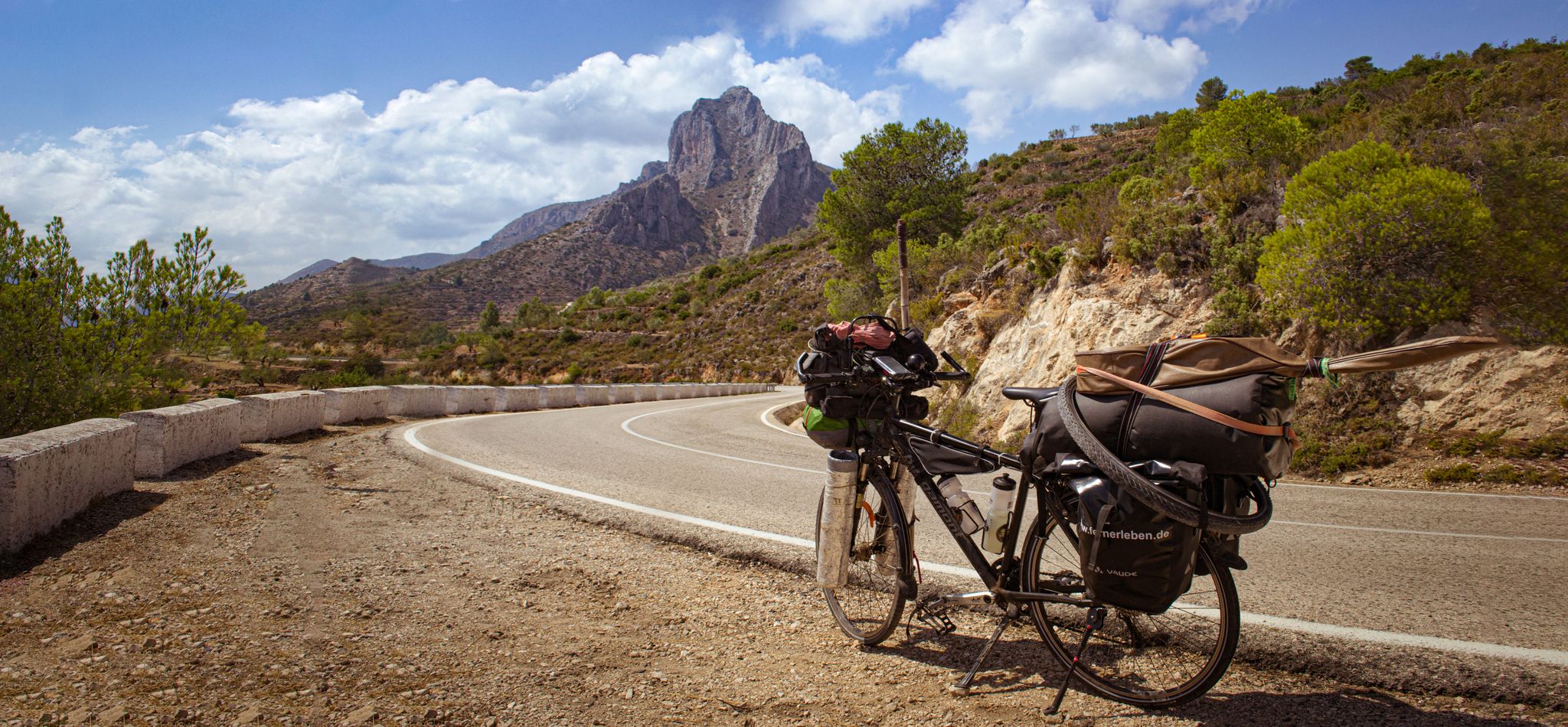
On the road to the sun — bikepacking to southeast Spain
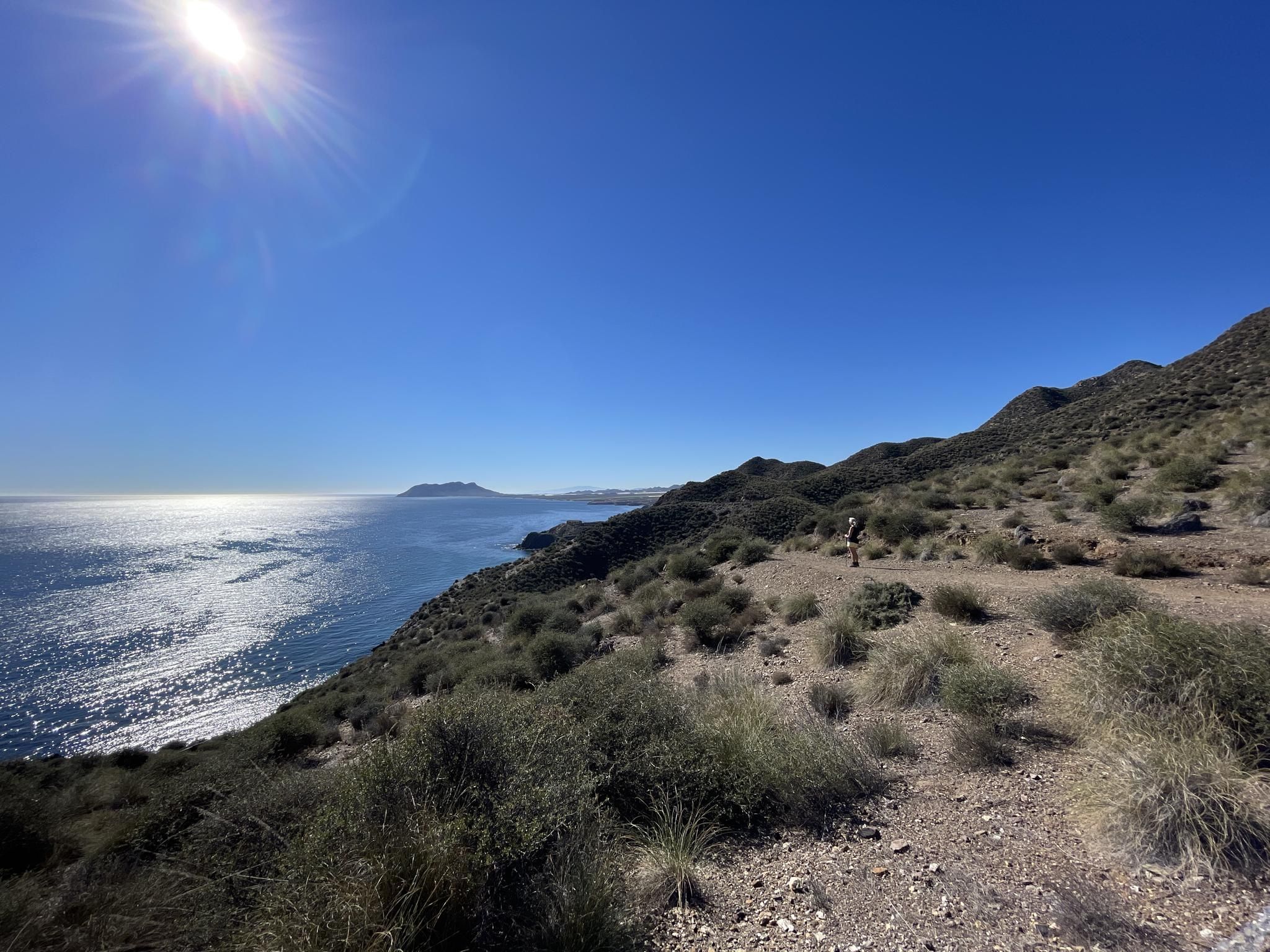
Mediterranean industry and nature – hike the GR 92 in Murcia
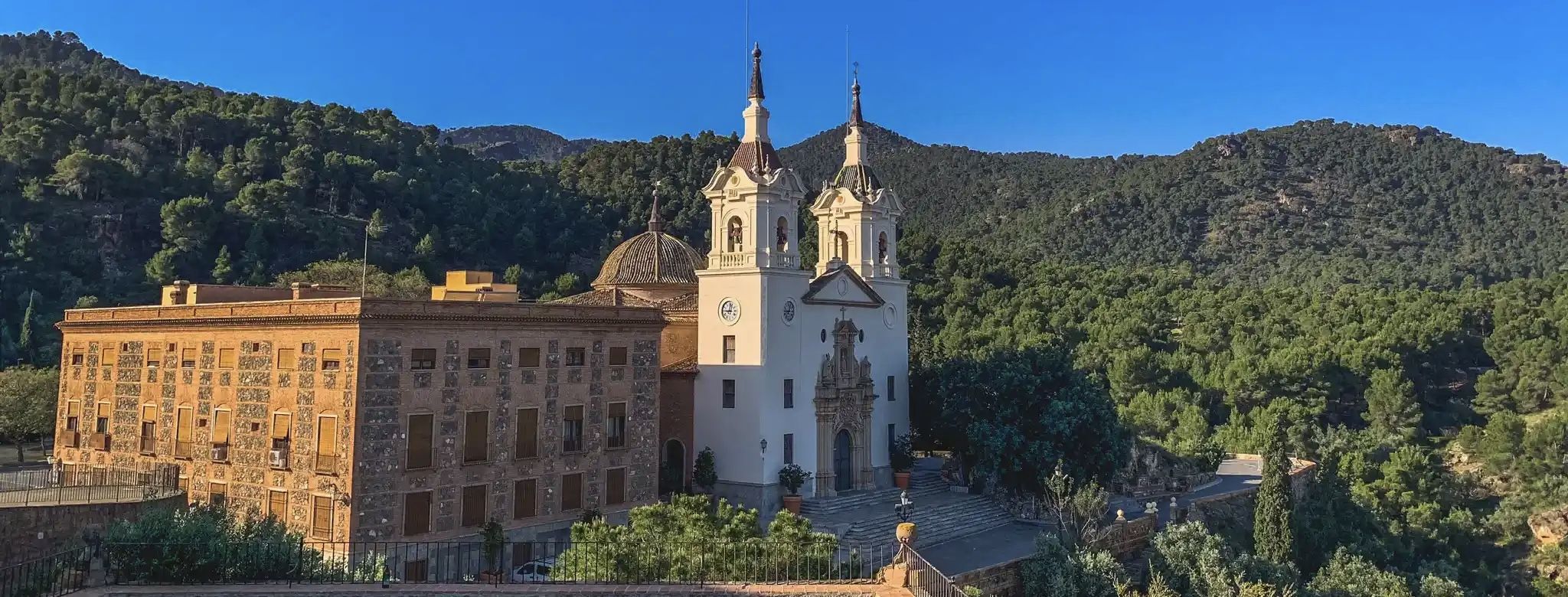
A ride through the "Huerta de Europa" – Transmurciana on MTB
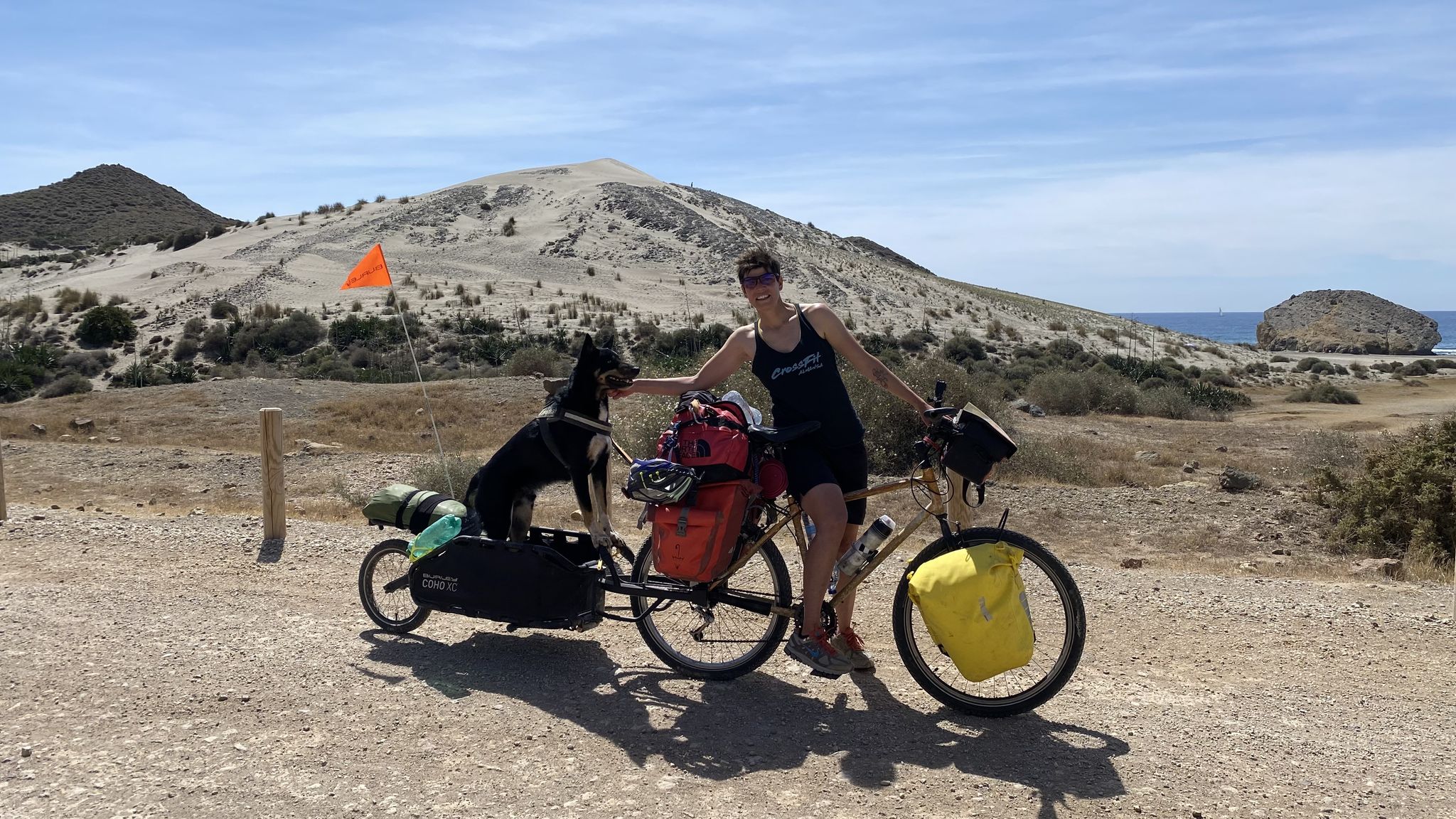
Let’s head south – cycle in Andalusia with me and my dog
Road Cycling Routes around Lorca
Hiking around Lorca
Cycling around Lorca
MTB Trails around Lorca
Running Trails around Lorca

Gravel biking around Lorca
Other adventures around Lorca


Tips from the Community

Stop in Aledo to explore its narrow streets and get closer to the Torre del Homenaje, the main vestige of its old fortress. From the upper part of the town, wide views open up towards Sierra Espuña and the fields of the Guadalentín valley.
1
0

The Castle of San Juan de los Terreros is an 18th-century fortress located 109 meters above the Mediterranean. Built between 1760 and 1764 as part of the defensive system against pirates and rival powers. Its characteristic horseshoe shape and bastions offer a fine example of military architecture of the time. What most attracts visitors are its panoramic views, as from the top you can contemplate the open sea, and the coast stretching towards Águilas and the Sierra Almagrera to the south.
1
0

Spectacular views of the Sierra from the Tower of Homage
0
0

In 1257, the castles of Aledo and Totana were transferred to the Order of Santiago by King Alfonso X, which led to an expansion of the castle. The Torre de Homenaje (keep, literally "tower of honour") in its current form dates back to the expansion in the 13th century. The emblem of the Caballeros de Santiago, the Cross of St. James, is also still preserved in the city's coat of arms.
0
0
Aledo is a charming small town with an excellent view from the "Torre de Homenaje" (keep, literally "Tower of Homage"). Also worth seeing are numerous beautiful murals that adorn the otherwise bare walls.
0
0
Medieval castle with spectacular views of the entire valley and mountains of Tercia, Chichar, Tirieza and Sierra Espuña
1
0

The tower can be climbed via an outside staircase.
1
0

Imposing defense tower intended to protect the shepherds against invaders from Africa
9
0
Frequently Asked Questions
What are some family-friendly castles to visit around Lorca?
Several castles in the Lorca area are suitable for families. Lorca Castle is a great option, offering a historical experience. Additionally, Cope Tower and the settlement of Aledo are also categorized as family-friendly.
Which castles offer the best panoramic views in the Lorca area?
For spectacular views, the Tower of Homage of Aledo provides panoramic vistas of the entire valley and mountains like Tercia, Chichar, Tirieza, and Sierra Espuña. Lorca Castle also features a beautiful viewpoint overlooking the city of Lorca.
What is the best time of year to visit the castles near Lorca?
The region around Lorca experiences a Mediterranean climate. Spring (April-May) and Autumn (September-October) generally offer pleasant temperatures for exploring. Summers can be very hot, while winters are mild. Consider visiting during cooler months for more comfortable outdoor exploration.
Are the castles around Lorca open during winter?
While many sites remain open, it's important to check specific opening hours. For example, Lorca Castle has a note that it closes at 4 p.m. in winter. Always verify the current operating schedule for each castle you plan to visit.
Are there any lesser-known or 'hidden gem' castles worth exploring?
While the guide highlights popular choices, the region is dotted with numerous defense towers and fortifications. Cope Tower, a 16th-century man-made monument built to protect against pirates, is a unique historical site listed on Spanish heritage and offers a distinct experience beyond typical castles.
What kind of historical periods do the castles around Lorca cover?
The castles around Lorca offer a journey through various historical periods. Lorca Castle, for instance, dates from the 10th century and served as a border surveillance post between Christian and Muslim kingdoms for over 250 years. Other structures, like Cope Tower, are from the 16th century, reflecting different eras of defense and architecture.
What outdoor activities can I do near the castles around Lorca?
The area around Lorca offers a variety of outdoor activities. You can find numerous cycling routes, including the 'Lorca and Nogalte Castles Loop,' which is a moderate 41.8 km ride. There are also extensive MTB trails, such as the 'Guevara Palace – Puentes Reservoir and Dam loop from Lorca San Diego.' For more options, explore the Cycling around Lorca or MTB Trails around Lorca guides.
How long should I plan for a visit to the castles?
The duration of your visit depends on the castle. Larger sites like Lorca Castle might require a few hours to explore thoroughly, especially if you delve into its history and viewpoints. Smaller towers or ruins, such as Cope Tower, might be quicker stops. Plan at least 1-2 hours per major site.
What do other visitors enjoy most about the castles around Lorca?
Visitors frequently appreciate the historical significance and the stunning views. For example, the Tower of Homage of Aledo is praised for its 'spectacular views,' and the climb is rewarded with a 'fantastic view.' The viewpoint at Lorca Castle is also highlighted as a great spot for contemplation and photos.
Are there road cycling routes that include castles near Lorca?
Yes, there are several road cycling routes in the area. For example, you can find routes like 'Sierra de la Torrecilla y Puerto Lumbreras — circular from Lorca' or 'Ascent to Campo López from Lorca — return via the Sierra de Almenara.' These routes often pass through scenic areas and offer views of historical sites. More details can be found in the Road Cycling Routes around Lorca guide.
Is public transport available to reach the castles near Lorca?
While Lorca itself has public transport, reaching some of the more remote castles or towers might require a car. For castles located within or very close to towns like Lorca Castle or the Tower of Homage of Aledo, local bus services might be an option to the nearest town, followed by a walk. Always check local transport schedules for specific destinations.
Are any of the castles around Lorca dog-friendly?
Information on dog-friendliness for specific castles is not consistently available. While outdoor areas or castle grounds might permit dogs on a leash, access to interior spaces or specific historical monuments is often restricted. It's advisable to check directly with each castle's management before planning a visit with your dog.
Most popular attractions around Lorca

Get inspired with the komoot mobile app


Explore more
Looking for the best castles somewhere else? Discover other guides around Lorca:
