Attractions and Places To See around Palaciosrubios - Top 4
Best attractions and places to see around Palaciosrubios include a blend of local heritage and natural features. This small municipality in Salamanca province offers a tranquil experience centered on its historical background and rural Spanish life. The area is characterized by agricultural activity, traversed by the Guareña and Cañipón streams, and is historically notable as the birthplace of Don Juan López de Palacios Rubios.
Best attractions and places to see around Palaciosrubios
- The most popular attractions is Riolobos Weir,…
Last updated: June 29, 2026
Riolobos Weir
Highlight • Lake
Translated by Google •
Tip by

Church of Riolobos
Highlight • Religious Site
Translated by Google •
Tip by

Sign up now to discover places like this
Get recommendations on the best single tracks, peaks, & plenty of other exciting outdoor places.
Sign up for free
Zorita de la Frontera
Highlight • Religious Site
Translated by Google •
Tip by
Rasueros
Highlight • Settlement
Translated by Google •
Tip by
Start today with a free account
Your next adventure awaits.
Login or Signup
Popular around Palaciosrubios
Tips from the Community

Very relaxing area there are many birds
0
0

Small town located in the old part of the land of La Morana but characterized by the fact that there are two large churches in this small town. One is called the Iglesia de San Andrés and the other, north of the center, Ermita del Santo Cristo de la Vera Cruz.
0
1
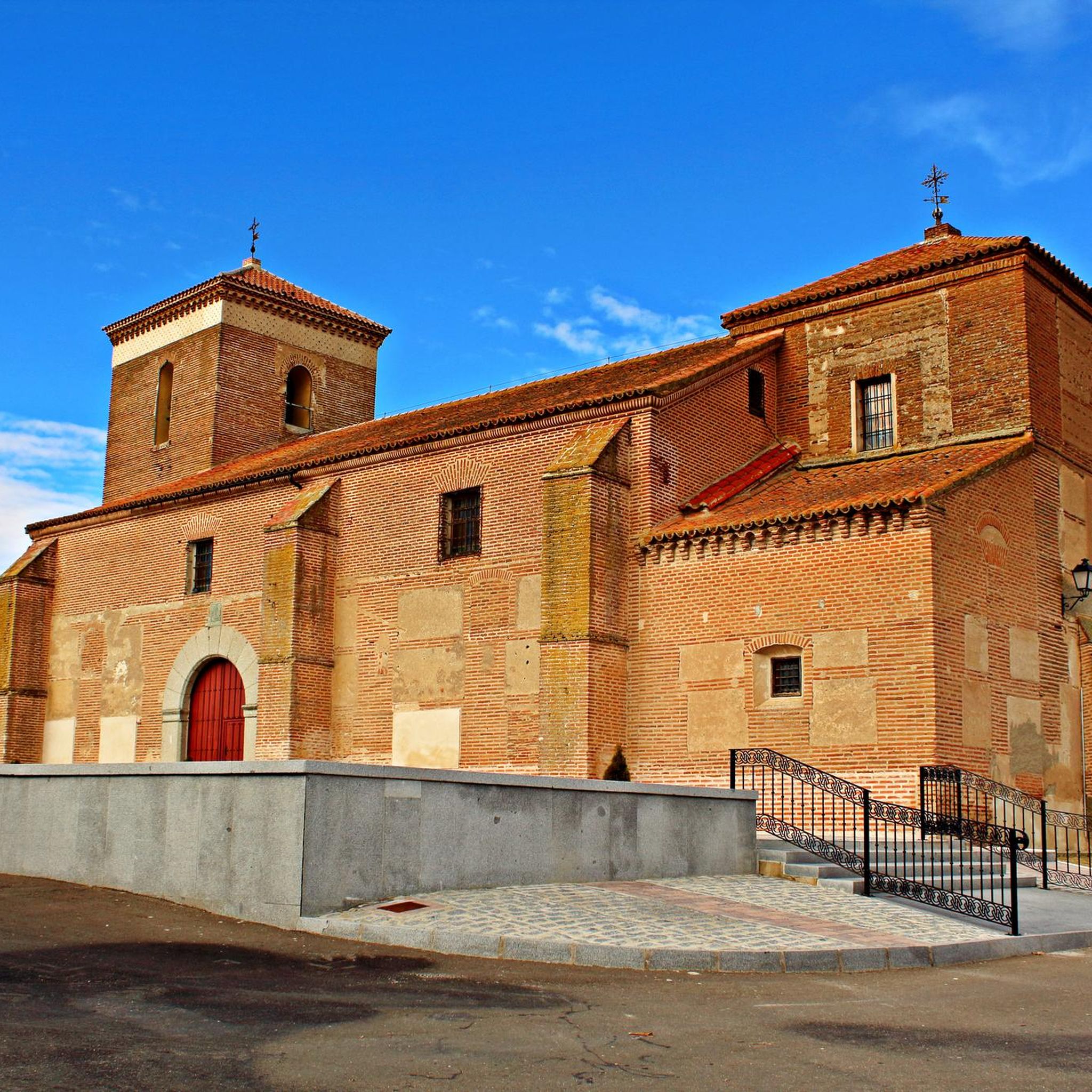
Special church for its exposed bricks and if you are lucky and depending on the season, you can see storks at the top of the bell tower.
0
0
The Church of Riolobos would have been built between the 12th and 13th centuries, coinciding with the founding of the town of El Campo de Peñaranda, the municipality to which it currently belongs. Riolobos was, originally, a stop on the cattle line.
0
0

The interior of the Castilian plateau has these remote places but with great landscape and environmental value and interest. The Azud de Riolobos is an ideal place for those who enjoy bird watching or simply to appreciate this beautiful landscape surrounded by great tranquility.
1
0
Frequently Asked Questions
What natural attractions can I explore near Palaciosrubios?
You can visit the Riolobos Weir, a lake with significant landscape and environmental value. It's an ideal spot for bird watching and enjoying a tranquil natural setting. The area is also characterized by agricultural activity and traversed by the Guareña and Cañipón streams, offering various sources of excellent water.
Are there any historical sites or religious buildings to visit?
Yes, the region has several historical and religious sites. The Church of Riolobos, built between the 12th and 13th centuries, is a notable historical site. Additionally, the settlement of Zorita de la Frontera features a special church known for its exposed bricks, where storks can often be seen on the bell tower depending on the season. Palaciosrubios itself is historically significant as the birthplace of Don Juan López de Palacios Rubios.
What kind of outdoor activities can I do around Palaciosrubios?
The rural landscape around Palaciosrubios is well-suited for road cycling. You can find various routes, such as the 'Roadbike loop from Cantalapiedra' or the 'Riolobos Weir – Río Lobos Weir loop from Cantalapiedra'. For more details and route options, explore the Road Cycling Routes around Palaciosrubios guide.
Are there family-friendly attractions in the area?
Yes, the Riolobos Weir is considered a family-friendly natural attraction, perfect for a peaceful outing and bird watching. The settlement of Zorita de la Frontera is also noted as family-friendly, offering a glimpse into local life and architecture.
What is the climate like in Palaciosrubios?
Palaciosrubios, situated at an elevation of 811 meters, experiences a climate that is described as somewhat cold, influenced by north and west winds. This is typical of its location in the Castilian plateau.
What is unique about the Church of San Andrés in Palaciosrubios?
The Church of San Andrés in Palaciosrubios is a significant local landmark. It gained particular recognition in 2013 when a virtual tour was developed, making it the first rural parish in the Diocese of Salamanca to offer such technology, highlighting its architectural and artistic value.
What can I expect when visiting the settlement of Rasueros?
Rasueros is a small town in the old part of La Morana. It is notable for having two large churches: the Iglesia de San Andrés and the Ermita del Santo Cristo de la Vera Cruz, offering a glimpse into local religious architecture and history.
What do visitors appreciate most about the attractions around Palaciosrubios?
Visitors particularly appreciate the tranquil atmosphere and the natural beauty of places like the Riolobos Weir, which is praised for its landscape and environmental value, as well as opportunities for bird watching. The historical and architectural significance of the local churches also draws interest.
Are there any specific historical figures associated with Palaciosrubios?
Yes, Palaciosrubios is historically notable as the birthplace of Don Juan López de Vivero (1450-1524), also known as Don Juan López de Palacios Rubios. He served as a counselor to the Catholic Monarchs, adding to the town's rich heritage.
What kind of landscape surrounds Palaciosrubios?
The municipality is set in a region characterized by agricultural activity. Its landscape includes natural elements like the Guareña and Cañipón streams, and various sources of excellent water, all contributing to a tranquil, rural Spanish setting.
Can I see storks at any of the attractions?
Yes, if you visit Zorita de la Frontera, you might be lucky enough to see storks at the top of the bell tower of its church, depending on the season. The church itself is also special for its exposed bricks.
Most popular routes around Palaciosrubios

Get inspired with the komoot mobile app


Explore more
Still not found the Highlight you’re looking for? See guides of the top attractions in other regions:
