Attractions and Places To See around Plasencia De Jalón - Top 12
Attractions and places to see around Plasencia De Jalón include historical landmarks, cultural sites, and natural features. This municipality in Zaragoza offers a blend of Mudejar architecture, ancient passageways, and the natural beauty of the Jalón River. The area provides opportunities to explore historical engineering feats and tranquil natural settings.
Best attractions and places to see around Plasencia De Jalón
- The most popular attractions is Clavería Bridge over the Imperial Canal of Aragon, a bridge that is an 18th-century…
Last updated: July 7, 2026
Jalón River Aqueduct (El Caracol)
Highlight • Bridge
Translated by Google •
Tip by

Clavería Bridge over the Imperial Canal of Aragon
Highlight • Bridge
Translated by Google •
Tip by

Sign up now to discover places like this
Get recommendations on the best single tracks, peaks, & plenty of other exciting outdoor places.
Sign up for free
Jubo Bridge
Highlight • Bridge
Originally, its construction began in the 18th century, but due to the War of …
Translated by Google •
Tip by

Pinseque Gates
Highlight • Structure
The Pinseque gate was built in 2008, coinciding with the Zaragoza International Exhibition
Its basic function is to maintain the water levels in the Imperial Canal. They are …
Translated by Google •
Tip by

Hermitage of the Virgin of the Wave
Highlight • Religious Site
Translated by Google •
Tip by
Sign up for free to discover even more attractions around Plasencia De Jalón.
Sign up for free
Already have an account?
Start today with a free account
Your next adventure awaits.
Login or Signup
Popular around Plasencia De Jalón
Tips from the Community

Architecturally, it's stunning, but we couldn't find a way to follow the canal without getting our feet wet. In the end, we crossed the Jalón River under the canal and then rejoined it. The question remains whether we could have crossed the canal walls on foot. On the left side, there was an open metal gate (we were already on the right side), but on the other side of the Jalón River, we saw another metal gate locked with a padlock.
0
0

Wikipedia The Jalón River Aqueduct, also known as the Grisén or Jalón Walls or El Caracol, is the most representative work of the construction of the Imperial Canal of Aragon, built in the 18th century. This aqueduct is located in the natural setting of El Caracol, between the municipalities of Alagón and Grisén, about 25 kilometers from the city of Zaragoza. The objective of this work was to cross the greatest obstacle found in the layout of the canal, the Jalón River. Initially, the creation of a large siphon beneath the waters of the Jalón was proposed, but finally the layout of the canal twists towards the Jalón Valley to face the river perpendicularly. A route of more than 2 kilometers in total length begins, of which 1,380 meters run between stone walls.
0
0

The Jubo Bridge has a fascinating history spanning from the 18th century to the 21st century. Originally, its construction began in the 18th century, but due to the War of Independence, it remained unfinished for many years. Finally, in more recent times, it was completed with a wooden and steel walkway. This bridge is a pedestrian crossing over the Imperial Canal of Aragon, located near the town of Pinseque and a few meters from the Santa Emilia beacon.
2
0
The Hermitage of the Virgen de la Ola is a Marian sanctuary located in Peramán, an old hamlet in the municipality of Bárboles in the valley of the Jalón River. Built in the 17th century, it has a rectangular floor plan. Its exterior has been renovated with exposed brick and has a small tower without bells. It is located on the banks of the Jalón River and is a place of Marian devotion.
2
0

The hermitage of the Virgen de la Ola is the church of the disappeared town of Peramán (whose name is still used to name the area). There are hardly any remains of the disappeared town, but the hermitage has been marked on maps since the 17th century at least. The current building is surely the result of several reconstructions during the last two centuries. (http://www.sipca.es/censo/1-INM-ZAR-015-043-003/Ermita/de/la/Virgen/de/la/Ola.html)
0
0

This infrastructure dates back to the end of the 18th century and there are some legends about this unfinished passage of the Imperial Canal of Aragon. One of them says that it sank when a car passed by, and that it was no longer repaired, and others say that they started it at the Canal works and it remained unfinished. The Aragonese section of the Imperial Canal of Aragon was inaugurated on September 20, 2000 as a Site of Cultural Interest and Site of Cultural Interest in the category of Historic Site. To enjoy this great work and to understand it is to understand a part of our best history that seems to be latent in our memory.
1
0

Historic arch bridge built in the 18th century to cross the Imperial Canal of Aragon. Nice picture to photograph!
2
0
The hermitage of the Virgen de la Ola is a 17th-century sanctuary located in the uninhabited Peramán, on the banks of the Jalón River. It is a temple with a rectangular floor plan, which has a very renovated exterior, with exposed brick, and a small tower at the foot without bells. The tradition of Nª Sª de la Ola considers that this construction could be built on the ruins of the old medieval monastery of the Order of Fontevrault, where the image of the Virgin Mary was found. This had been dragged by the strong waves of the Jalón River, hence, it is known as the Virgin of the Wave. The interior of the hermitage, with sober decoration, housed in the presbytery the carving of the Virgen de la Ola from the 14th century. However, the original figure is going to disappear as a result of a theft, so the current size is from a recent factory. All this makes this hermitage one of the two main pilgrimage points of the Ribera Alta del Ebro. Every year the residents of Bárboles, Grisén and Pinseque make a pilgrimage during the month of May to this sanctuary to honor the Virgin
1
0
Frequently Asked Questions
What historical engineering marvels can I explore in Plasencia De Jalón?
Plasencia De Jalón is home to several impressive historical engineering feats related to the Imperial Canal of Aragon. You can visit the Jalón River Aqueduct (El Caracol), an 18th-century aqueduct approximately 1 km long with a unique spiral staircase. Another notable structure is the Clavería Bridge over the Imperial Canal of Aragon, an 18th-century arch bridge offering great photographic opportunities. Don't miss the Jubo Bridge, a pedestrian bridge over the canal with a history spanning from the 18th century to its recent completion with a wooden and steel walkway.
Are there any significant religious buildings or cultural sites to visit?
Yes, the region offers several cultural and religious sites. The 17th-century Mudejar-style Iglesia de San Juan Bautista features Baroque altarpieces. You can also see the monumental complex of the Iglesia de San Antonio de Padua and the Palacio de los Condes de Plasencia, connected by an elevated walkway. For a tranquil experience, visit the Hermitage of the Virgin of the Wave, a 17th-century Marian sanctuary located by the Jalón River, or the Ermita de San Roque on the outskirts of the municipality.
What natural features can I enjoy around Plasencia De Jalón?
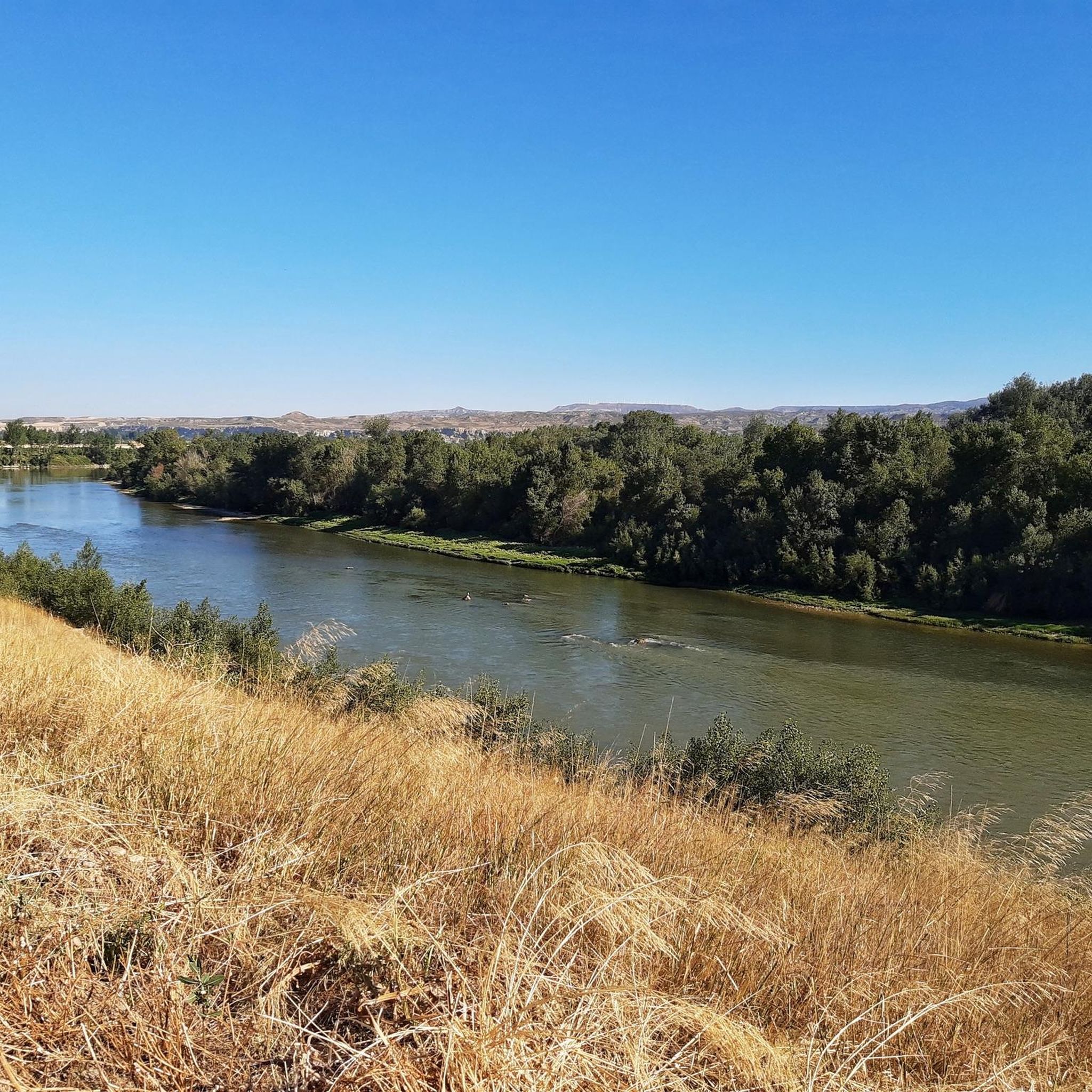
The municipality is watered by the Jalón River, and exploring paths along its banks is highly recommended for discovering hidden natural treasures. The area around the Jalón River Aqueduct (El Caracol) is a natural setting with picnic spots and ample shade, perfect for enjoying the outdoors. During certain times of the year, it's even possible to wade across the river.
What outdoor activities are available near Plasencia De Jalón?
The region around Plasencia De Jalón is excellent for various outdoor activities. You can find numerous cycling routes, including easy to difficult options, as detailed in the Cycling around Plasencia De Jalón guide. For those who prefer road cycling, there are routes like the 'Route of Alagón and Muel' available in the Road Cycling Routes around Plasencia De Jalón guide. Mountain biking enthusiasts can explore trails such as 'Among Orchards' in the MTB Trails around Plasencia De Jalón guide.
Are there family-friendly attractions in the area?
Yes, several attractions are suitable for families. The Jalón River Aqueduct (El Caracol) offers a natural area with picnic spots and shade, ideal for a family outing. Both the Clavería Bridge and Jubo Bridge are historical sites that can be interesting for all ages. The Hermitage of the Virgin of the Wave also provides a peaceful setting for families to visit.
What is the best time of year to visit Plasencia De Jalón?
The region offers attractions year-round, but for outdoor activities like cycling and exploring natural areas, spring and autumn generally provide pleasant weather. The area also hosts local festivities like Santa Águeda, San Antonio, and the September Fair, which can add a cultural dimension to your visit if you plan around those times. The tips for the Jalón River Aqueduct mention that during some months you can ford the Jalón River, indicating seasonal variations in water levels.
Can I find historical ruins or ancient structures in Plasencia De Jalón?
Yes, you can explore the remains of the medieval Castillo de Caulor, which serves as a reminder of Plasencia de Jalón's strategic past. Additionally, wandering through the streets of the town reveals ancient passageways that connect different parts of the urban landscape, reflecting its rich Mudejar history.
What do visitors enjoy most about the attractions in Plasencia De Jalón?
Visitors particularly appreciate the historical significance and engineering marvels of the bridges and aqueducts. The Clavería Bridge is noted for being a 'nice picture to photograph' and 'very well preserved'. The Jalón River Aqueduct is valued for its architectural beauty and the surrounding natural area with picnic spots. The blend of history, culture, and natural beauty, especially along the Jalón River, is a common highlight for visitors.
Are there any specific viewpoints or scenic spots?
While specific viewpoints are not explicitly listed, the Ermita de San Roque, situated on the outskirts of the municipality, offers panoramic views of the surroundings. The historical bridges, such as the Clavería Bridge, are also considered scenic and provide good photographic opportunities over the Imperial Canal of Aragon.
What is the significance of the Imperial Canal of Aragon in this region?
The Imperial Canal of Aragon is a significant historical and engineering project in the region. It was built to carry water from the Ebro to Zaragoza, overcoming obstacles like the Jalón River with structures such as the Jalón River Aqueduct. The canal also features historical crossings like the Clavería Bridge and the Jubo Bridge, which are integral to the area's heritage and offer insights into 18th-century infrastructure.
Are there any unique local traditions or festivities in Plasencia De Jalón?
Plasencia De Jalón celebrates several local festivities that blend history, culture, and vibrant traditions. These include Santa Águeda, San Antonio, and the September Fair. These events offer a chance to experience the local culture and community spirit.
What is the history behind the 'El Caracol' name for the Jalón River Aqueduct?
The name 'El Caracol' (The Snail) for the Jalón River Aqueduct comes from a unique spiral staircase built next to the aqueduct. This staircase was constructed to allow travelers to descend from the canal's pier to a 'Casa de Paradas' (staging post) for those who traveled by boat from Tudela to Zaragoza, giving the place its distinctive name.
Most popular routes around Plasencia De Jalón

Get inspired with the komoot mobile app


Explore more
Still not found the Highlight you’re looking for? See guides of the top attractions in other regions:
