Attractions and Places To See around Almonacid De La Cuba - Top 8
Attractions and places to see around Almonacid De La Cuba encompass a blend of historical sites and natural features. This municipality in Zaragoza, Aragon, is known for its ancient Roman dam on the Aguasvivas River, a significant hydraulic work. The area presents a rich natural and cultural landscape, characterized by the river's gully and the surrounding Sierra de Belchite. Visitors can explore historical landmarks and diverse natural features within this terrain.
Best attractions and places to see around Almonacid De…
Last updated: October 19, 2026
Old Village of Belchite
Highlight • Historical Site
Translated by Google •
Tip by

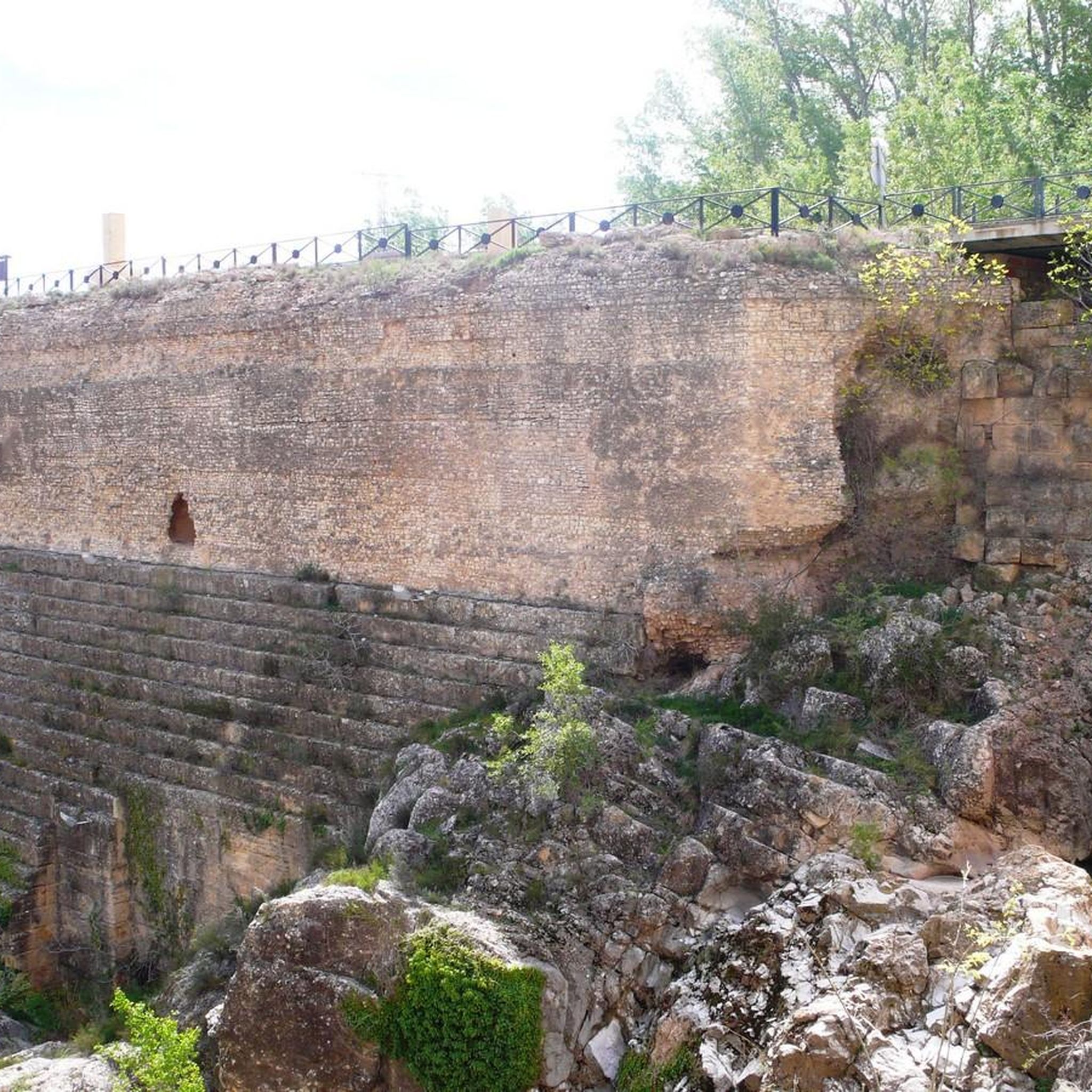
Viewpoint of the Roman Dam of Almonacid de la Cuba
Highlight • Viewpoint
La Cuba, as this dam is popularly known, is one …
Translated by Google •
Tip by

Sign up now to discover places like this
Get recommendations on the best single tracks, peaks, & plenty of other exciting outdoor places.
Poza de los Chorros
Highlight • River
The access (from Belchite) can be somewhat complicated, so basically we will have to look for the Belcars car workshop …
Translated by Google •
Tip by
Roman Dam: The Roman Dam of Almonacid de la Cuba is the highest in the world built during the Roman …
Translated by Google •
Tip by
Foz de Zafrane
Highlight (Segment) • Gorge
Translated by Google •
Tip by

Sign up for free to discover even more attractions around Almonacid De La Cuba.
Already have an account?
Start today with a free account
Your next adventure awaits.


Tips from the Community

The Mirador de la Cuba in Almonacid de la Cuba is a fantastic place to enjoy stunning views of one of the most important and best preserved hydraulic works in Roman Hispania. From this viewpoint, you can admire the Roman dam, popularly known as "La Cuba", which is the highest in the world built during the Roman Empire.
6
0
Almonacid de la Cuba is a fascinating place to visit! Roman Dam: The Roman Dam of Almonacid de la Cuba is the highest in the world built during the Roman Empire, at 34 metres high. Church of Santa María: In the centre of the town is the parish church of Santa María, a construction from the second half of the 16th century with an imposing Mudejar tower. Almonacid de la Cuba also offers various cultural activities that will allow you to immerse yourself in local life.
6
0
Not far from the Old Town is Belchite Nuevo, a replica of the original town. Here you can immerse yourself in the culture and gastronomy of Belchite while appreciating the preserved architectural elements, such as the Church of San Martín de Tours and the Clock Tower.
3
0
In the past, Belchite Viejo was one of the most prosperous towns in the province of Zaragoza during the early 20th century. Its walls, adorned with Mudejar architecture, housed numerous homes, two convents and several churches. However, its destiny took a dark turn during the Spanish Civil War. Belchite Viejo is known as a “ghost town” due to its terrifying past. It was heavily bombed during the Civil War and was left in ruins as a testimony to the horrors of the conflict. Unlike many other war-torn places, Belchite Viejo was intentionally preserved to serve as a reminder of the devastating consequences of war. Visitors can see the remains of buildings, streets and squares that were once full of life.
3
1

Well marked trail from Almonacid, signs on wooden posts with distances
1
0
Almonacid de la Cuba viewpoint to see one of the most important and best preserved hydraulic works in Roman Hispania. La Cuba, as this dam is popularly known, is one of the three that regulated the course of the Aguasvivas river, together with the Blesa and Muniesa dams.
11
0

A town in the province of Zaragoza that we can walk around visiting the church of Nuestra Sra. la Mayor and the hermitage of the Virgen de los Dolores, as well as its picturesque streets decorated with artistic murals.
1
0
We are at the highest Roman dam in the world! A must visit if we want to know a little more about the history of Zaragoza. At this point we can get off the bike and approach the Mirador de la Cuba, from which we can see the Roman dam of Almonacid de la Cuba. If we have time, it is worth a guided tour. Information and reservations: 684 271 669 / 976837401 and turismo@aytoalmonaciddelacuba.es
2
0
Frequently Asked Questions
What historical sites can I explore in Almonacid de la Cuba?
Almonacid de la Cuba is rich in history. You can visit the impressive 1st-century AD Roman Dam of Almonacid de la Cuba, which was once the tallest dam in Spain. The town also features the Church of Santa María, a 16th-century Mudéjar-style temple, and the remains of a defensive Muslim construction known as the Tower of the Moor. Additionally, the nearby Old Village of Belchite offers a powerful historical experience related to the Spanish Civil War.
Where can I find natural beauty and features around Almonacid de la Cuba?
The region offers several natural highlights. The Poza de los Chorros is a beautiful river spot perfect for swimming on hot days. You can also explore the Foz de Zafrane, a spectacular two-kilometer-long ravine featuring a large cave and the impressive pillar of an old railway line. The landscape around the Aguasvivas River itself, with its contrast between white limestone and lush vegetation, is also very scenic.
Are there any viewpoints to enjoy panoramic scenery?
Yes, the Viewpoint of the Roman Dam of Almonacid de la Cuba offers stunning perspectives of this significant Roman hydraulic work and its surroundings. It's an excellent spot to appreciate the engineering marvel and the natural landscape of the Aguasvivas River.
What should I know about the Roman Dam of Almonacid de la Cuba?
The Roman Dam of Almonacid de la Cuba is a remarkable 1st-century AD gravity dam on the Aguasvivas River. Standing at 34 meters high, it was the tallest dam in Spain until 1590. It's a Site of Cultural Interest, and since 2020, it features walkways and footbridges allowing close-up views. You can learn about its history and the local ecosystem. More information can be found on Wikipedia.
Are there family-friendly activities in Almonacid de la Cuba?
Many of the attractions are suitable for families. The Viewpoint of the Roman Dam is easily accessible and offers an educational experience. Exploring the town center, including the Church of Santa María and the charming Barrio Alto, can also be enjoyable for all ages. For a refreshing activity, the Poza de los Chorros provides a natural swimming spot.
What outdoor activities are available near Almonacid de la Cuba?
The area around Almonacid de la Cuba is excellent for outdoor enthusiasts. You can find various marked routes for hiking and cycling along the Aguasvivas River. For specific trails, explore the hiking routes, MTB trails, and road cycling routes available in the region.
Can I go hiking around Almonacid de la Cuba?
Absolutely! There are several hiking trails. Popular options include a route connecting the Poza de los Chorros and the Old Village of Belchite, and another trail focusing on the Roman Dam of Almonacid de la Cuba and the Poza de los Chorros. You can find more details and other routes in the hiking guide for Almonacid de la Cuba.
What is the significance of the Old Village of Belchite?
The Old Village of Belchite is a poignant historical site near Almonacid de la Cuba. It stands as a preserved ruin from the Battle of Belchite during the Spanish Civil War (1937). Visitors can walk through the streets of the old town and learn about the devastating events that took place there, offering a powerful insight into Spain's recent history. Guided tours are recommended to fully appreciate its significance.
What cultural sites are there within Almonacid de la Cuba town?
Within the town, you can explore the parish church of Santa María with its imposing Mudéjar tower. The oldest part of town, the 'Barrio Alto,' and the 'Judería' (Jewish quarter) around Calle Barrio Verde offer a glimpse into the town's past. Other sites include the Molino Bajo (Lower Mill), which now serves as the Tourist Office, and several hermitages like Ermita de la Virgen de los Dolores.
When is the best time to visit Almonacid de la Cuba?
The region can be enjoyed throughout the year, but for outdoor activities like hiking and swimming at Poza de los Chorros, the warmer months are ideal. Spring and autumn offer pleasant temperatures for exploring historical sites and trails without the intense summer heat. The walkways at the Roman Dam are accessible year-round.
Are there opportunities for cycling in the area?
Yes, the area provides various routes for both mountain biking and road cycling. You can find MTB trails that take you through diverse terrain, and road cycling routes that explore the wider region, connecting towns and offering scenic rides.
What do visitors enjoy most about Almonacid de la Cuba's attractions?
Visitors particularly appreciate the blend of historical significance and natural beauty. The Roman Dam is often highlighted for its impressive scale and historical importance, while the Poza de los Chorros is loved for its refreshing swimming opportunities. The historical depth of the Old Village of Belchite also leaves a lasting impression on many.
Most popular routes around Almonacid De La Cuba

Get inspired with the komoot mobile app


Explore more
Still not found the Highlight you’re looking for? See guides of the top attractions in other regions:
