The best road cycling routes around Gutierre-Muñoz
44
riders
5
rides
Road cycling around Gutierre-Muñoz, a municipality in Ávila, Spain, offers varied terrain at an altitude of 885 meters. The region is characterized by agricultural landscapes, open fields, and the Adaja river valley to the west, providing a mix of flat and gently rolling roads. While the immediate area offers tranquil routes, its proximity to Ávila city allows access to a wider network of routes within the Ávila province, including those with significant elevation gains. Ancient drovers' roads, known as "cañadas…
Last updated: July 11, 2026
6
riders
64.8km
02:50
620m
620m
Moderate road ride. Good fitness required. Mostly well-paved surfaces and easy to ride.
10
riders
60.9km
02:37
410m
410m
Moderate road ride. Good fitness required. Mostly well-paved surfaces and easy to ride.

Sign up for free
8
riders
47.5km
01:52
200m
200m
Easy road ride. Great for any fitness level. Mostly well-paved surfaces and easy to ride.
6
riders
39.9km
01:34
140m
140m
Easy road ride. Great for any fitness level. Mostly well-paved surfaces and easy to ride.
6
riders
27.9km
01:19
280m
280m
Easy road ride. Great for any fitness level. Mostly well-paved surfaces and easy to ride.
Our route recommendations are based on thousands of hikes, rides, and runs completed by other people on komoot.
Start today with a free account
Your next adventure awaits.
Login or Signup
Popular around Gutierre-Muñoz

Tips from the Community

The bridge located in Moñibas (Segovia) is a small stone bridge, very characteristic of traditional Castilian rural architecture.
4
0
Arévalo Castle, located in the town of Arévalo (province of Ávila, Castile and León), is one of the most representative examples of Castilian Mudéjar architecture. Its origins date back to the 14th century, although it was built upon earlier fortifications. It was expanded between the 15th and 16th centuries, especially during the reign of the Catholic Monarchs. It played an important role as a noble and military castle, but also as an administrative building. In the 20th century, it fell into near ruin until its restoration, beginning in 1952, by the Ministry of Agriculture, which uses it as the headquarters of a research center.
5
0
Arévalo Castle, located in the town of Arévalo (province of Ávila, Castile and León), is one of the most representative examples of Castilian Mudéjar architecture. Its origins date back to the 14th century, although it was built upon earlier fortifications. It was expanded between the 15th and 16th centuries, especially during the reign of the Catholic Monarchs. It played an important role as a noble and military castle, but also as an administrative building. In the 20th century, it fell into near ruin until it was restored starting in 1952 by the Ministry of Agriculture, which uses it as the headquarters of a research center.
5
0

The Plaza de la Villa de Arévalo is one of the most beautiful squares, absolutely traffic-free and without bars or terraces, it stands out for its tranquility and for being surrounded by history and Mozarabic buildings.
1
0
Castle fortress located at the most extreme part of the triangle formed by the confluence of the Adaja and Arevalillo rivers, which serve as defensive ditches. It was rebuilt in the second half of the 15th century by order of Álvaro de Zúñiga, Duke of Béjar, although it subsequently underwent important reforms at the beginning of the 16th century, when the fortress was in the hands of the Catholic Monarchs. The Castle is worth visiting for its good condition, and it also has a very interesting exhibition.
1
0

Beautiful town in Segovia, with all services. It stands out for its imposing castle and the squares with a marked medieval character.
0
1
In addition to the imposing Castle where Isabel la Católica resided, in the town we have all the services: Shops, restaurants and accommodation.
1
0
Plaza de la Villa is one of the most beautiful squares in Spain. Its architecture transports us to the Middle Ages, when it was the epicenter of social and economic life in Arévalo. It is surrounded by buildings with arches, built with stone, wood and brick. The floor is cobbled, adding to its charm.
4
0
Frequently Asked Questions
What kind of terrain can I expect when road cycling near Gutierre-Muñoz?
The immediate area around Gutierre-Muñoz, situated at 885 meters above sea level, is characterized by agricultural landscapes, open fields, and the Adaja river valley to the west. This provides a mix of flat and gently rolling roads, ideal for peaceful rides. For more challenging climbs and varied landscapes, the wider Ávila province, including the Sierra de Gredos, is easily accessible.
Are there road cycling routes suitable for beginners or those looking for an easy ride?
Yes, Gutierre-Muñoz offers routes suitable for various ability levels. For an easier ride, consider the Arévalo Castle – Arévalo Castle loop from Arévalo, which is 47.5 km long, or the Tiñosillos – Church of San Pedro Apóstol loop from Arévalo, a 39.9 km route. These routes feature less elevation gain, making them perfect for a relaxed cycling experience.
What are some notable landmarks or points of interest I can see along the road cycling routes?
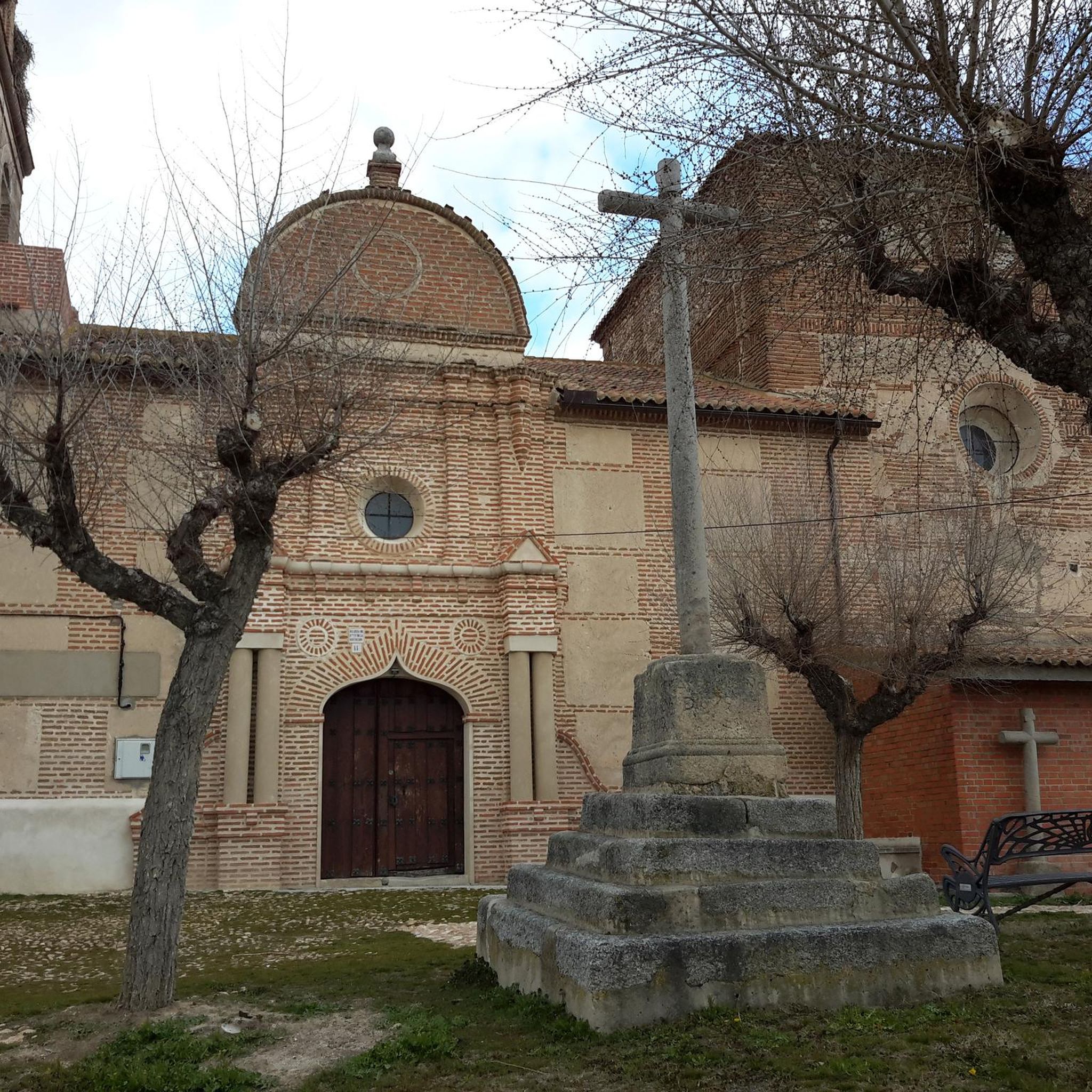
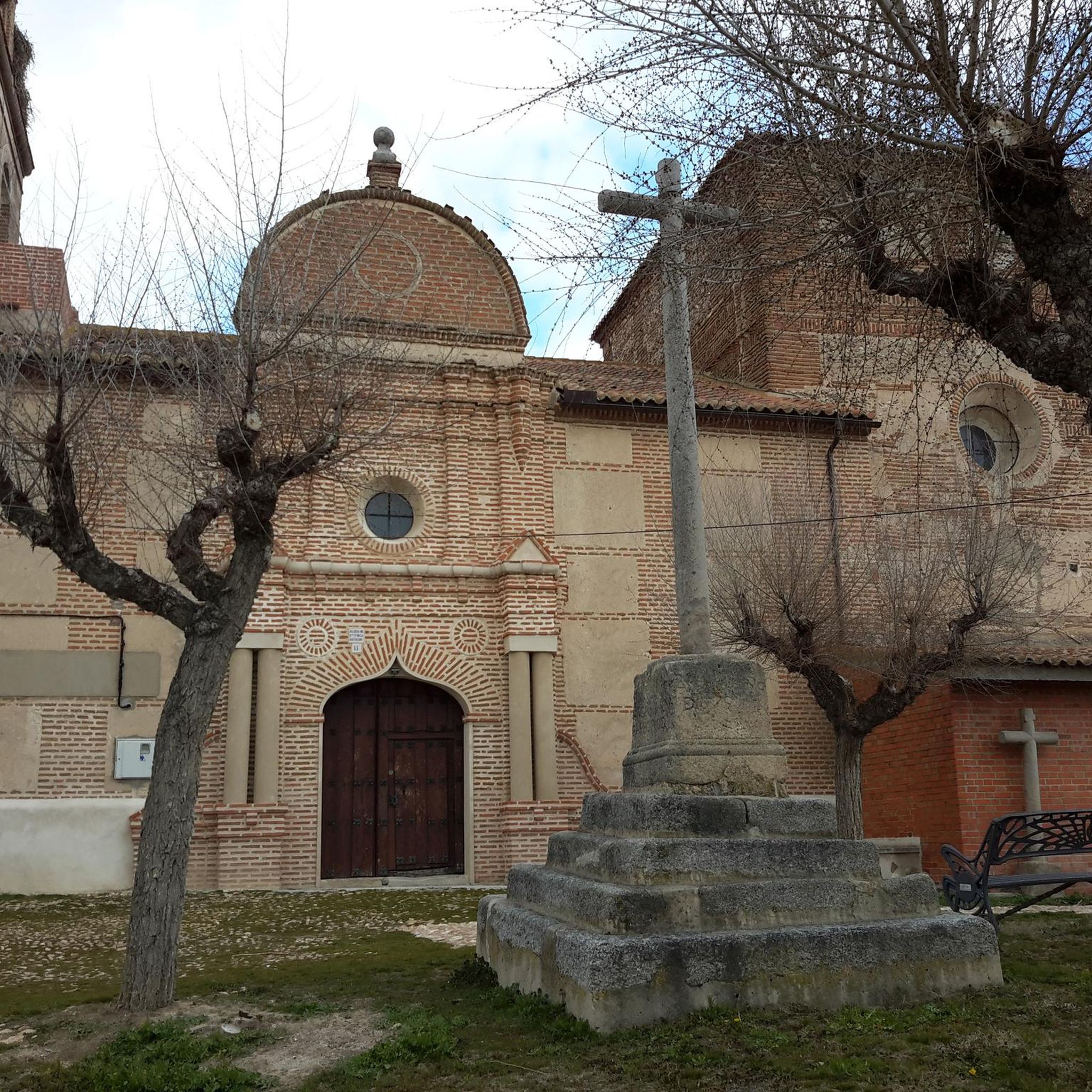
While cycling, you can explore the rural charm of the La Moraña countryside, known for its traditional architecture and Mudejar-inspired buildings. The area also features historical sites, such as the location where King Alfonso VIII of Castile died. Specific highlights you might encounter include the Church of San Pedro Apóstol and the Church of Martín Muñoz de la Dehesa. The Bridge is another point of interest.
Are there any circular road cycling routes around Gutierre-Muñoz?
Yes, several routes are designed as loops, offering convenient starting and ending points. Popular circular routes include Muñopedro, Maello y Hernansancho — circular desde Sanchidrián, a 64.8 km journey, and the Moñibas Bridge loop from Estación de Sanchidrián, which is 64.6 km long. These loops allow you to experience the diverse landscapes without retracing your path.
What is the best time of year for road cycling in Gutierre-Muñoz?
The broader Ávila region, where Gutierre-Muñoz is located, sees May and August as popular months for cyclists. Given the area's altitude and open plains, spring and early autumn generally offer pleasant temperatures and clear skies, making them ideal for road cycling. Summers can be warm, while winters might be chilly, so planning according to weather forecasts is advisable.
How challenging are the road cycling routes in the Gutierre-Muñoz area?
The routes directly around Gutierre-Muñoz tend to be moderate to easy, featuring gently rolling terrain and agricultural landscapes. For instance, the Muñopedro, Maello y Hernansancho — circular desde Sanchidrián is a moderate route with over 600 meters of elevation gain. If you're seeking more significant elevation challenges, the wider Ávila province offers routes with substantial climbs, catering to very good fitness levels.
Are there any routes that follow ancient drovers' roads (Cañadas Reales)?
Gutierre-Muñoz lies on an ancient drovers' road, historically connecting Madrid and Valladolid. These 'cañadas reales' often translate into scenic, relatively uncongested pathways that are ideal for cycling, offering a glimpse into historical routes. While specific named routes on these paths are not listed, the regional context suggests opportunities to explore these historical tracks, providing a unique cycling experience.
What are the options for parking when cycling in Gutierre-Muñoz?
As a rural municipality, Gutierre-Muñoz and nearby towns like Sanchidrián and Arévalo typically offer accessible parking options. You can usually find street parking or designated areas within these towns, especially near the starting points of popular routes. It's always a good idea to check local signage upon arrival for any specific restrictions.
Can I find places to eat or stay overnight in Gutierre-Muñoz or nearby?
Gutierre-Muñoz is a quaint municipality, and while specific cafes or pubs are not detailed, the surrounding towns and the wider Ávila province offer various amenities. Arévalo, a historic town featured in some routes, is likely to have restaurants and cafes. For accommodation, you'll find options ranging from rural guesthouses to hotels in nearby larger towns, providing convenient bases for your cycling adventures.
What makes road cycling in Gutierre-Muñoz unique compared to other regions?
Road cycling in Gutierre-Muñoz offers a unique blend of rural tranquility and historical context. You'll experience the peaceful agricultural landscapes of La Moraña, cycle along the Adaja River, and potentially traverse ancient drovers' roads. Its proximity to Ávila City also means you can easily access a broader network of routes, from gentle plains to the more demanding climbs of the Sierra de Gredos, providing a diverse cycling experience within a short distance.
Are there any long-distance road cycling routes that pass through or near Gutierre-Muñoz?
While Gutierre-Muñoz itself is a smaller municipality, its location within the Ávila province places it within reach of a wider network of routes. The ancient drovers' roads, or 'cañadas reales,' historically connected major cities, suggesting that longer, less congested pathways could be explored. Cyclists often use Gutierre-Muñoz as a starting point to connect to routes extending further into the Ávila province, offering opportunities for longer rides.
Most popular routes around Gutierre-Muñoz
Most popular attractions around Gutierre-Muñoz

Get inspired with the komoot mobile app


Explore more
Browse the best Road cycling routes in other regions.
