Attractions and Places To See around Fresnedilla - Top 20
Best attractions and places to see around Fresnedilla include a mix of cultural sites, historical landmarks, and natural landscapes. This region, located in the west of the Community of Madrid, is characterized by its dehesas of holm oaks, granitic formations, and panoramic views of the Sierra de Guadarrama. It offers opportunities for exploring historical settlements and enjoying outdoor activities like hiking. The area is also known for its unique cultural initiatives and historical significance.
Best attractions and places to see…
Last updated: July 13, 2026
Puente Mosquea
Highlight • Bridge
Translated by Google •
Tip by

San Vicente Hill (1320m)
Highlight • Summit
Translated by Google •
Tip by

Sign up now to discover places like this
Get recommendations on the best single tracks, peaks, & plenty of other exciting outdoor places.
Sign up for free
Main Square of Pelahustán
Highlight • Settlement
Translated by Google •
Tip by

El Piélago Pass
Highlight (Segment) • Mountain Pass
Translated by Google •
Tip by
Casillas
Highlight • Settlement
Translated by Google •
Tip by

Sign up for free to discover even more attractions around Fresnedilla.
Sign up for free
Already have an account?
Start today with a free account
Your next adventure awaits.
Login or Signup

Tips from the Community


The Mosquea Bridge is located in La Adrada, Ávila, and is part of the Medieval Bridges Route that crosses the Tiétar River. It's an ideal place to enjoy a peaceful walk surrounded by nature, with views of beautiful holm oaks, pines, and junipers. The route is easy to walk and suitable for almost everyone.
5
0
The place name Pelahustán seems to derive from the activity related to looms and the sale of linen that the population had in the past. In documents from the 18th century, it appears as Pelafustan. According to the dictionary of the Royal Spanish Academy, the concept of pelafustán is equated with that of pelagatos, which in turn means “insignificant or mediocre person, without social or economic position.” The town also had several water mills worked by Salamancan teleworkers. Pelahustán is located at an altitude of 673 meters above sea level and borders the terms of Higuera de las Dueñas in the province of Ávila, Nombela, Nuño Gómez, Garciotum and El Real de San Vicente in the province of Toledo, and Ceniientos in the Community of Madrid 😊
2
0


Casillas is a municipality in the province of Ávila, located at an altitude of 1012 m, at the beginning of the Tiétar valley. It is surrounded by an extensive forest of chestnut and oak trees. If you want to know its resin past, I recommend visiting the ethnographic museum of Resin, which has two exhibitions, in two large resin huts.
3
0
The Mosquea Bridge is a bridge of Roman origin over the Tiétar River. It stands out for its age and beauty, and is also one of the largest in the municipality of La Adrada. It is located on the important Mesta ravine.
3
0

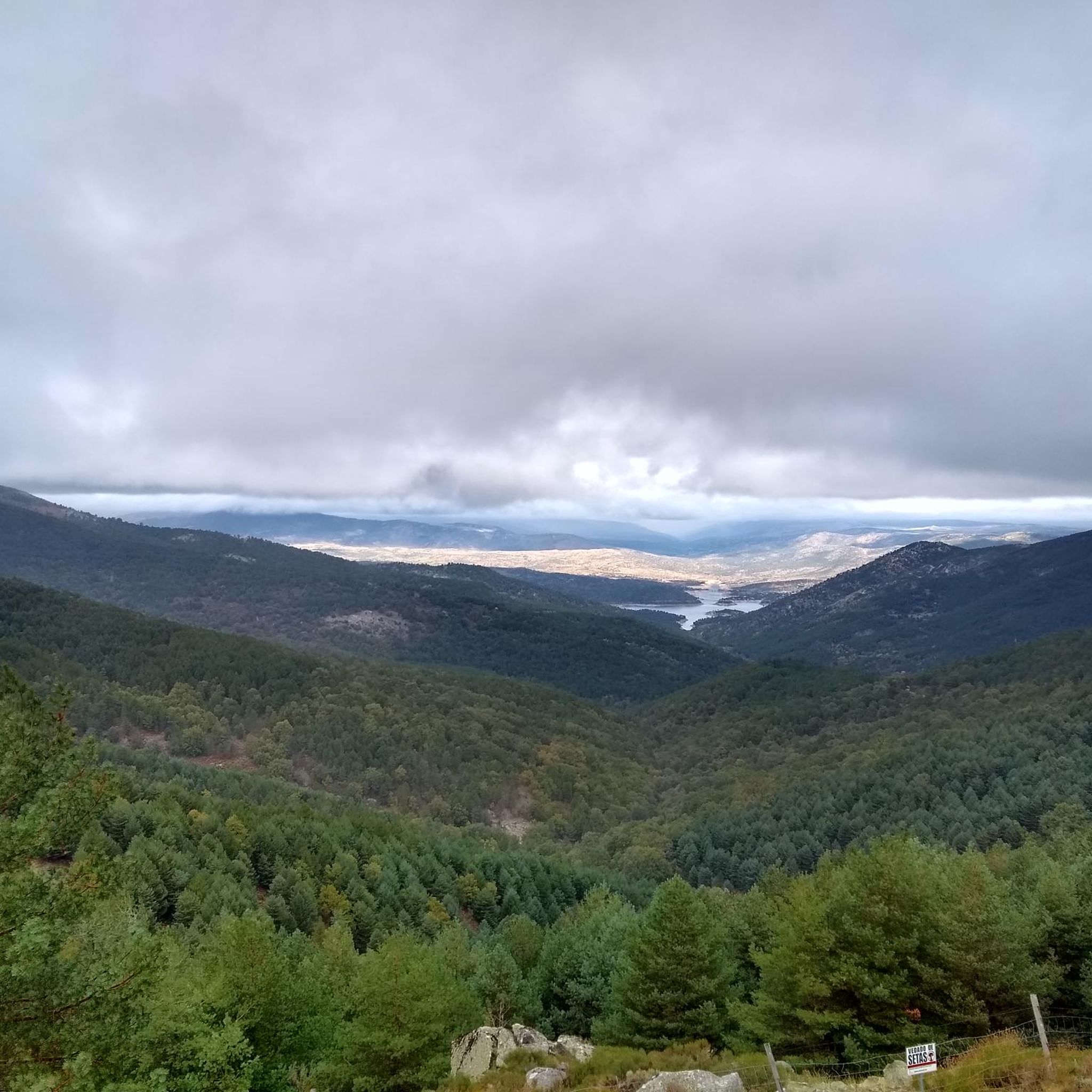
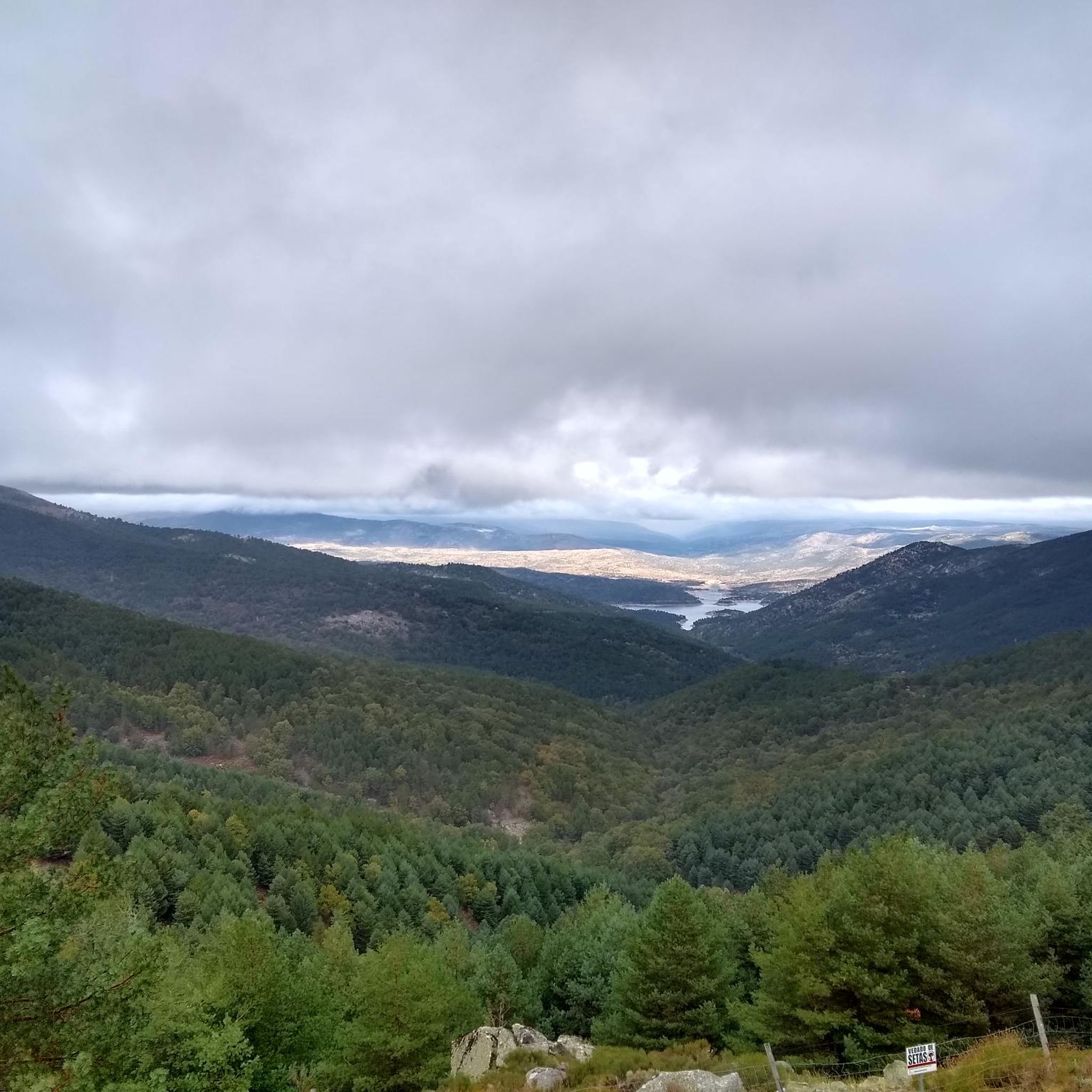
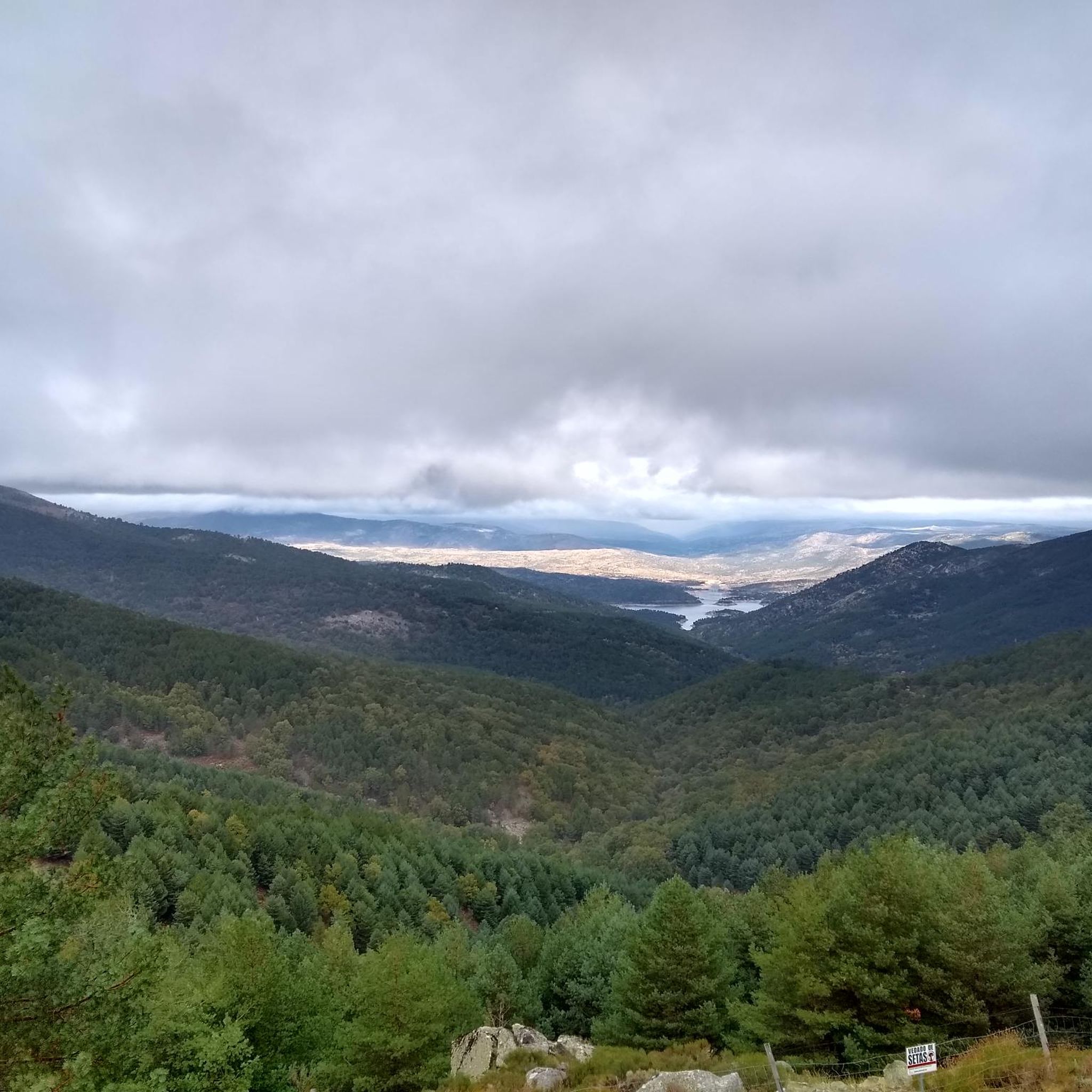
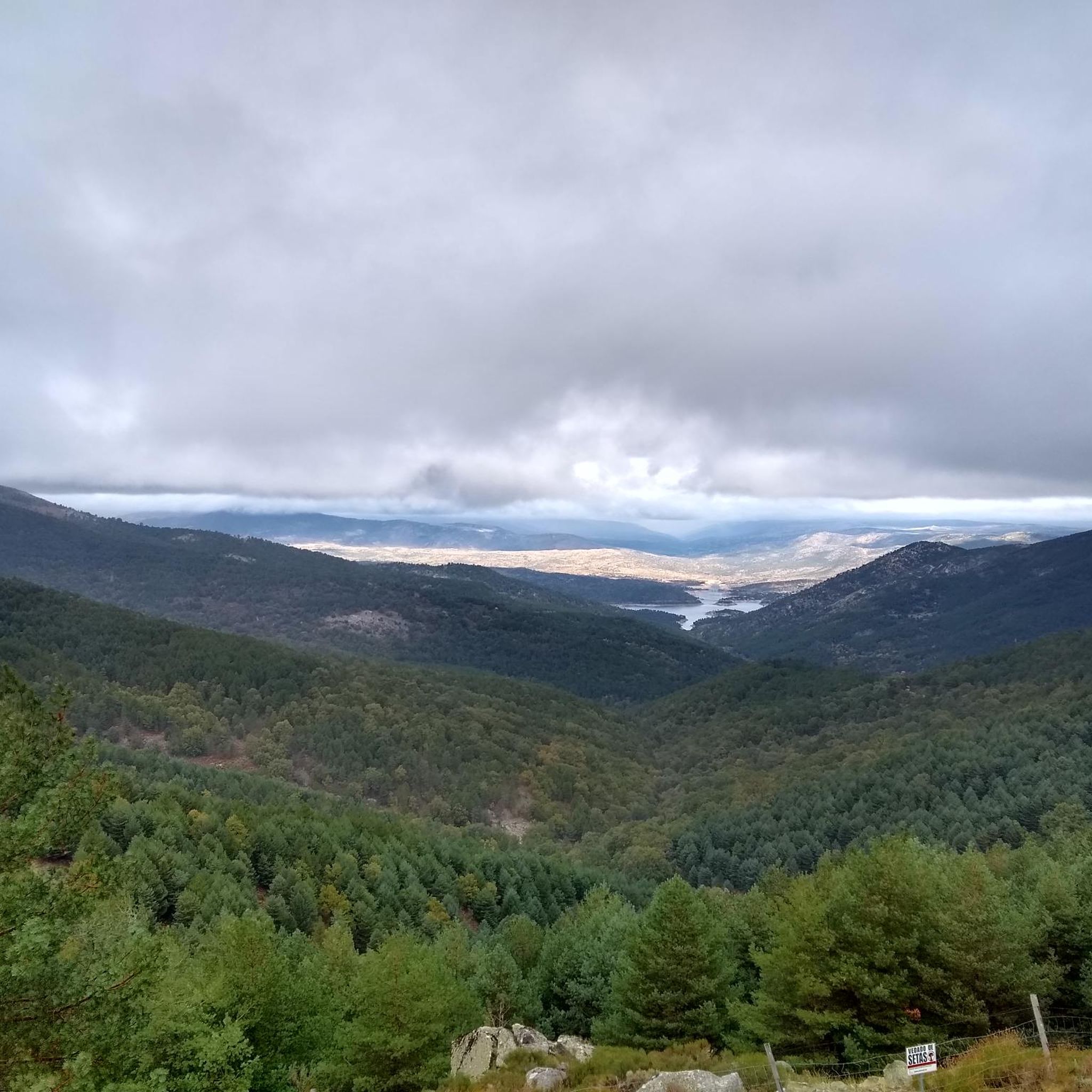
Port with beautiful views over El Real de San Vicente.
1
0

Romanesque bridge that jumps over the Río Tiétar in the same valley that has the same name. It is a bridge known by the inhabitants of the neighboring towns!
1
0
Frequently Asked Questions
What historical and cultural sites can I explore around Fresnedillas de la Oliva?
Fresnedillas de la Oliva offers a rich blend of history and culture. You can visit the fascinating Lunar Museum, which details Spain's role in the Apollo missions and houses original equipment. The 16th-century Church of San Bartolomé, designed by El Greco's son, is another significant architectural landmark. Additionally, explore the unique 'Casas con Vida' project, where abandoned houses have been transformed into vibrant murals depicting local history. Don't miss the remnants of the Fortines de la Guerra Civil and El Caño, an ancient washing place with historical significance.
Are there any natural viewpoints or scenic spots in the area?
Yes, the region boasts excellent natural beauty. Fresnedillas de la Oliva provides panoramic views of the southern slopes of the Sierra de Guadarrama. You can also enjoy privileged views of Madrid and the Montes de Toledo. For specific viewpoints, consider visiting San Vicente Hill (1320m), which offers wonderful vistas of the Toledo area, including the Sierra de Gredos and Alto Tiétar. Another notable spot is El Piélago Pass, known for its beautiful views over El Real de San Vicente.
What outdoor activities are available near Fresnedilla?
The natural landscapes around Fresnedilla, characterized by dehesas of holm oaks and granitic formations, are ideal for various outdoor activities. You can enjoy hiking, mountain biking, and horseback riding. For specific routes, explore options for hiking around Fresnedilla, cycling around Fresnedilla, or gravel biking around Fresnedilla.
Are there family-friendly attractions or activities in Fresnedillas de la Oliva?
Yes, Fresnedillas de la Oliva offers several family-friendly options. The 'Casas con Vida' project, with its vibrant murals depicting local life, can be an engaging walk for families. The Lunar Museum is also a fascinating educational experience for all ages. Additionally, settlements like Main Square of Pelahustán and Casillas are categorized as family-friendly and offer a glimpse into local life and history.
What kind of hiking trails can I find near Fresnedilla?
You'll find a variety of hiking trails exploring the mixed forests of holm oaks, junipers, and ash trees. Routes like the 'Ruta de La Puente' offer opportunities to discover abundant streams and wildlife. Other options include the Ruta de la Memoria, Ruta del Canalizo-Matacarrillada, and Ruta del Fortín de los Degollados. For more details and specific routes, check out the hiking guide for Fresnedilla, which includes trails ranging from easy to moderate, with distances like the 7.2 km 'Franquillo Bridge – La Adrada loop'.
What is the 'Casas con Vida' project in Fresnedillas de la Oliva?
The 'Casas con Vida' (Living Houses) Project is an innovative artistic initiative in Fresnedillas de la Oliva. Artist Elena Parlange has transformed abandoned houses into vibrant canvases by painting murals on their facades. Each mural depicts traditional customs, local trades, and stories of past inhabitants, effectively bringing the village's history to life and creating an open-air art gallery.
What is the significance of the Lunar Museum in Fresnedillas de la Oliva?
The Lunar Museum in Fresnedillas de la Oliva is significant because it commemorates the 40th anniversary of the Apollo 11 moon landing. Fresnedillas was one of only three NASA stations globally that received the first signals from this historic event. The museum delves into the history of space exploration, particularly Spain's role, and houses original Apollo mission equipment, scale models, photographs, and even a lunar meteorite.
Are there any traditional festivals or events in Fresnedillas de la Oliva?
Yes, Fresnedillas de la Oliva is known for its traditional 'Fiesta de la Vaquilla'. Declared an Asset of Cultural Interest, this festival takes place in January. It involves local youths embodying characters and performing a symbolic capture and sacrifice of a heifer in honor of San Sebastián, offering a unique cultural experience.
What are the characteristics of the natural landscape around Fresnedillas de la Oliva?
The natural landscape around Fresnedillas de la Oliva is characterized by extensive dehesas of holm oaks, pastures, and some ash groves. You can also find cork oaks and junipers. The area is notable for its distinctive granitic formations of boulders and rocky outcrops, offering a rugged yet beautiful environment for exploration.
Can I find places to eat or drink in the settlements near Fresnedilla?
Yes, some of the nearby settlements offer options for refreshments. For instance, Almendral de la Cañada has several bars near the road, making it a good stop. Casillas also has a good bar. The Town Square (Plaza del Centenario de Adriana de la Peña) in Fresnedillas de la Oliva itself is a central pedestrian area with public services.
What is the historical background of San Vicente Hill?
San Vicente Hill (1320m) has a rich historical background. It was known as Mons Veneris by the Romans, a place where they worshipped the goddess of love and beauty. It was also a site of worship for the Vetton peoples. On one side of the summit, you can find the ruins of a hermitage built in the old Cueva de los Mártires, and on a hill to the south, remains of an old fortress of Umayyad origin that was once held by the Knights Templar.
What kind of wildlife can be spotted in the Fresnedillas de la Oliva area?
The natural areas around Fresnedillas de la Oliva are rich in wildlife. Visitors exploring the dehesas and forested routes might spot wild boars, foxes, rabbits, and various bird species, making it an interesting area for nature observation.
Most popular routes around Fresnedilla

Get inspired with the komoot mobile app


Explore more
Still not found the Highlight you’re looking for? See guides of the top attractions in other regions:
