Attractions and Places To See around Rute - Top 20
Best attractions and places to see around Rute, a town located in the Cordoban Subbética in Spain, offers a combination of history, gastronomy, and natural landscapes. The area is known for its culinary traditions, including aniseed liqueurs and Christmas sweets, and features several museums dedicated to these local products. Rute is situated within the Sierra de la Subbética Natural Park, which provides a setting for outdoor activities.
Best attractions and places to see around Rute
- The most popular attractions is Poljé of the Nava de Cabra, a natural monument characterized by a large, elongated, flat valley-shaped depression in karst rock. This geological formation is drained by the Bailón river and a pónor.
- Another must-see spot is Fuente del Río, a natural monument and picturesque natural park considered the origin of the Río Cabra. It features a karst spring, landscaped gardens, and recreational areas.
- Visitors also love Church of Santo Domingo, a religious building and Catholic church located in Lucena. It is noted as one of the largest and best-preserved churches built in the Córdoba countryside during the early 16th century.
- Rute is known for its historical sites, natural monuments, and religious buildings. Visitors can explore a variety of attractions, from geological formations to historic churches.
- The attractions around Rute are appreciated by the komoot community, with 5 highlights and 9 photos available for exploration.
Last updated: October 9, 2026
Fuente del Río
Highlight • Natural Monument
The Fuente del Río is part of the “Ruta del Agua” in the Subbética Cordobesa and offers a harmonious interplay of nature and human design. The park is a popular place for locals and visitors who want to enjoy the tranquility and beauty of this unique place.
A visit to the Fuente del Río offers the opportunity to experience the natural beauty of the region and explore the origins of the Río Cabra.
Translated by Google •
Tip by

Church of Santo Domingo
Highlight • Religious Site
Construction began in 1498 at the instigation and patronage of Diego Fernández de Córdoba, 1st Marquis of Comares, on the site of the old main synagogue of Lucena, based on a design by the architect Hernán Ruiz I. The temple was completed in 1544, as the Inscription on a portal reveals, although some later elements have been found (translated from Wikipedia).
Translated by Google •
Tip by

Sign up now to discover places like this
Get recommendations on the best single tracks, peaks, & plenty of other exciting outdoor places.
Cabra Station
Highlight • Historical Site
Translated by Google •
Tip by

La Sima Viaduct
Highlight • Bridge
Translated by Google •
Tip by

Puerto del Cerezo
Highlight • Mountain Pass
Translated by Google •
Tip by

Sign up for free to discover even more attractions around Rute.
Already have an account?
Start today with a free account
Your next adventure awaits.
Tips from the Community

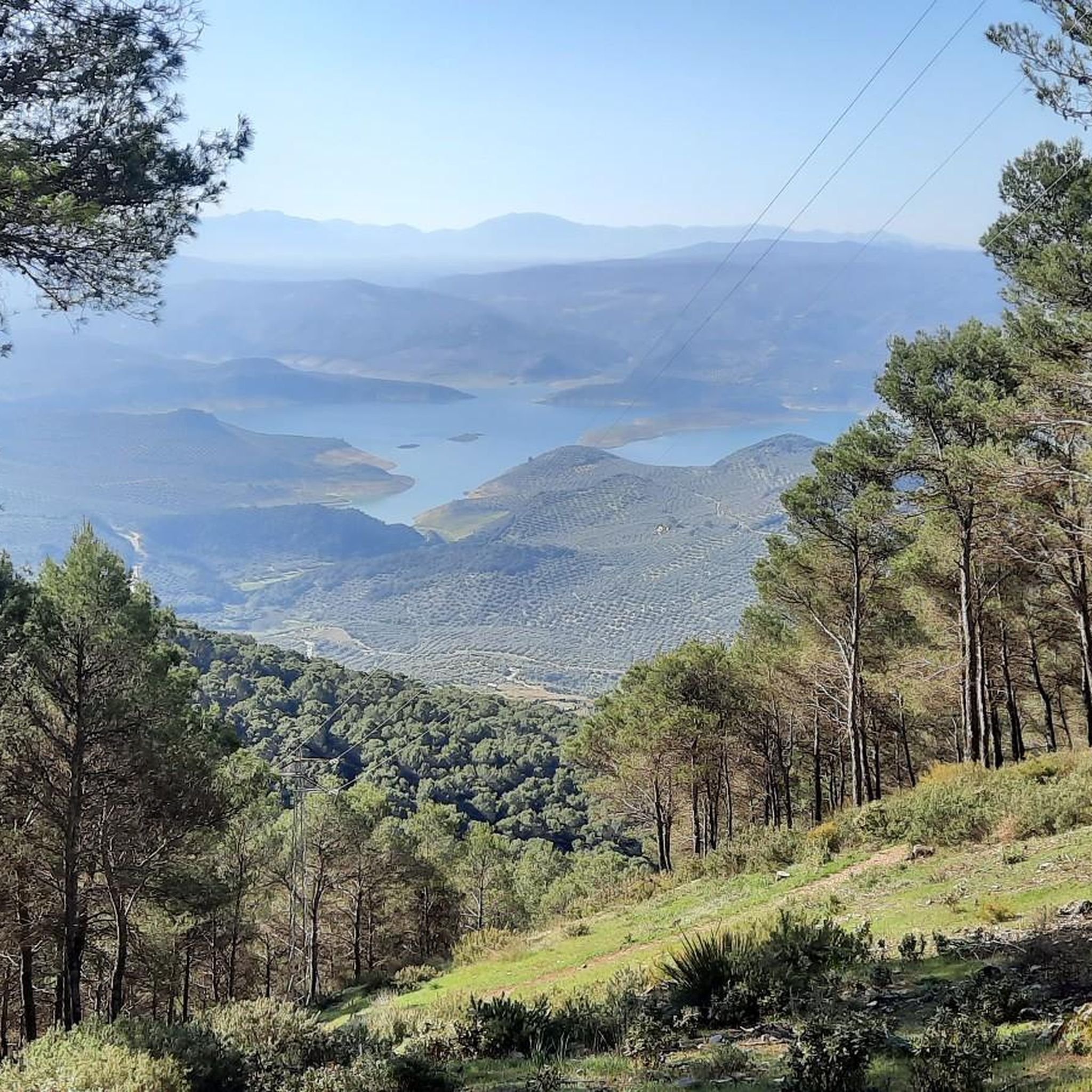
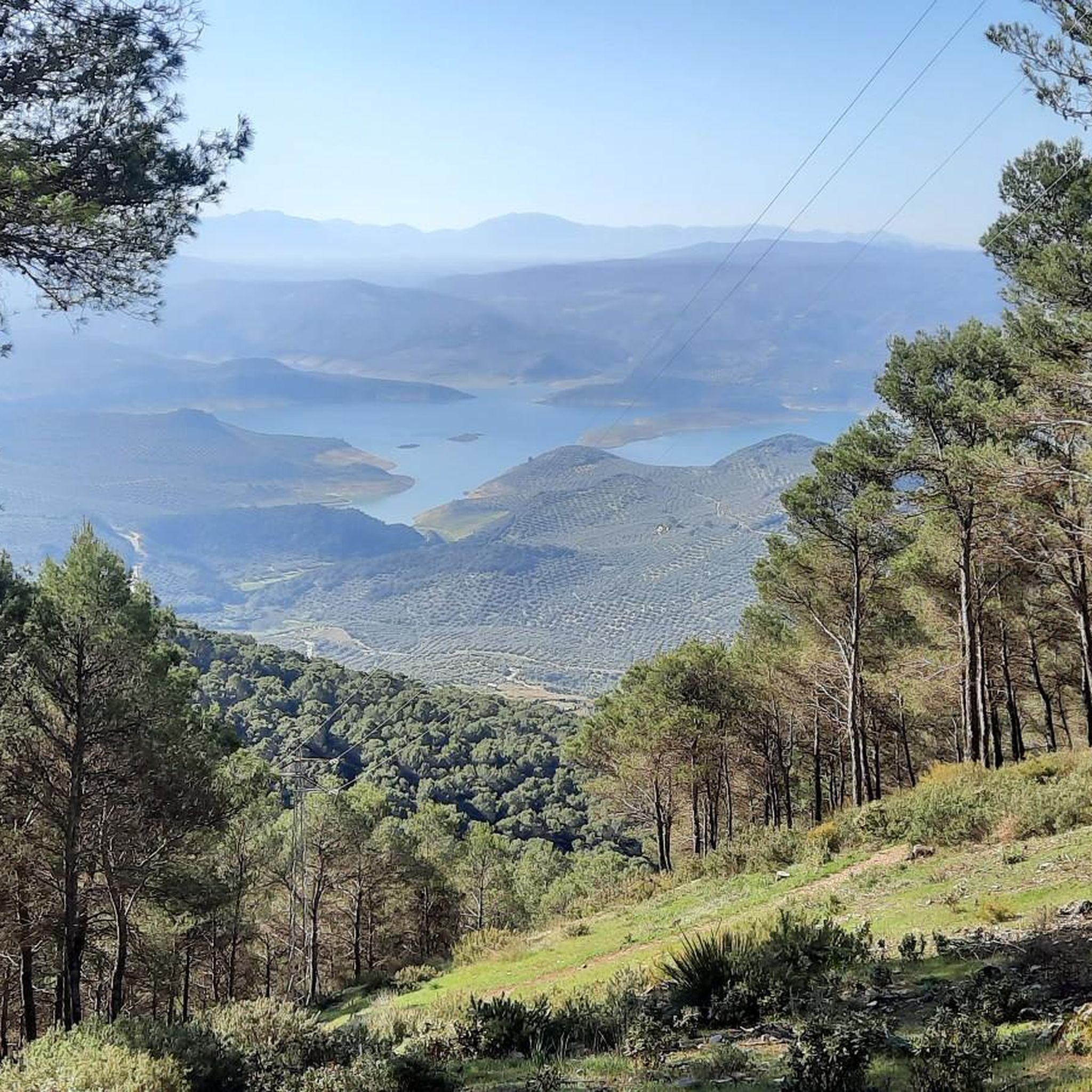
Once you reach the top and arrive at this point, you’re rewarded with an incredible feeling and truly breathtaking views.
0
0

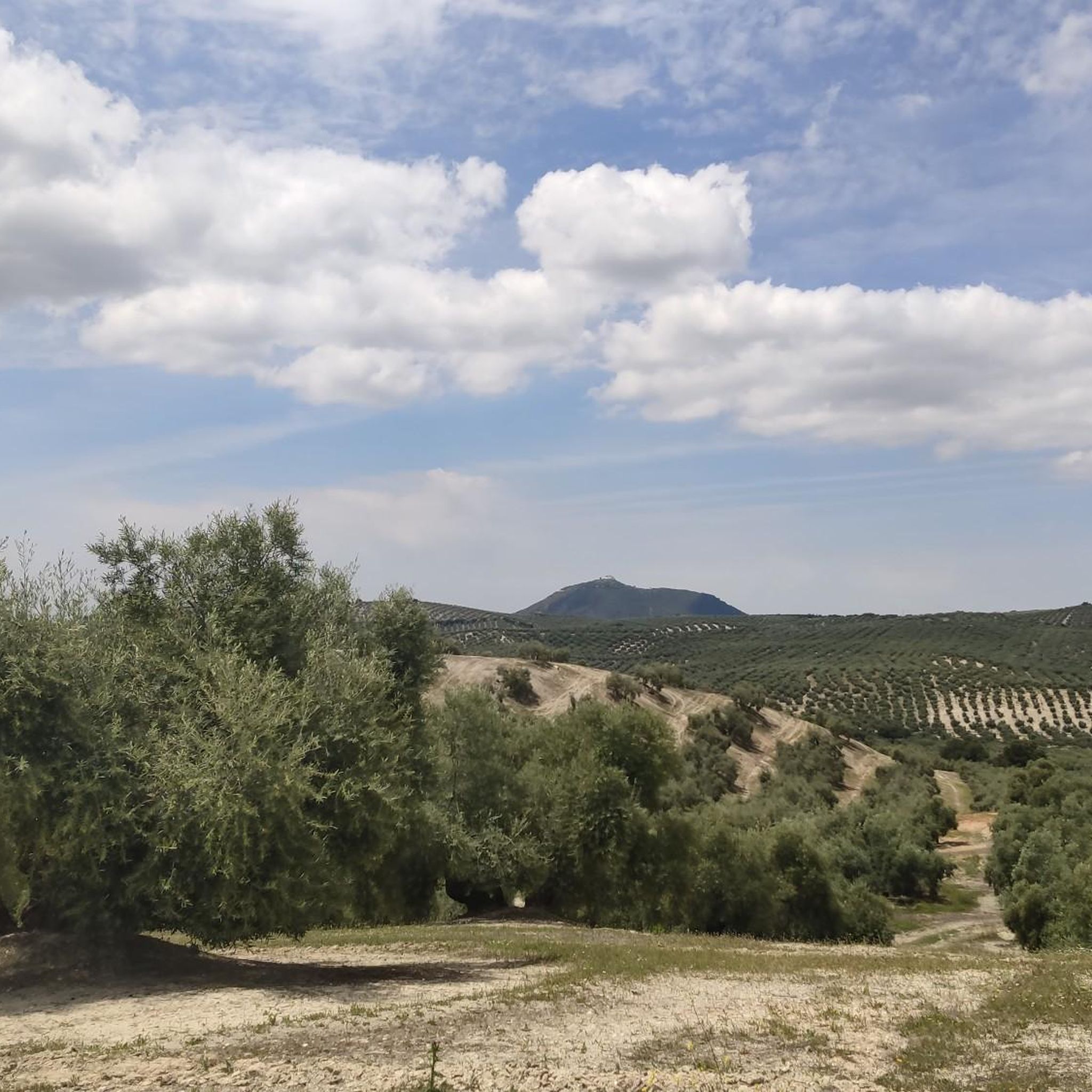
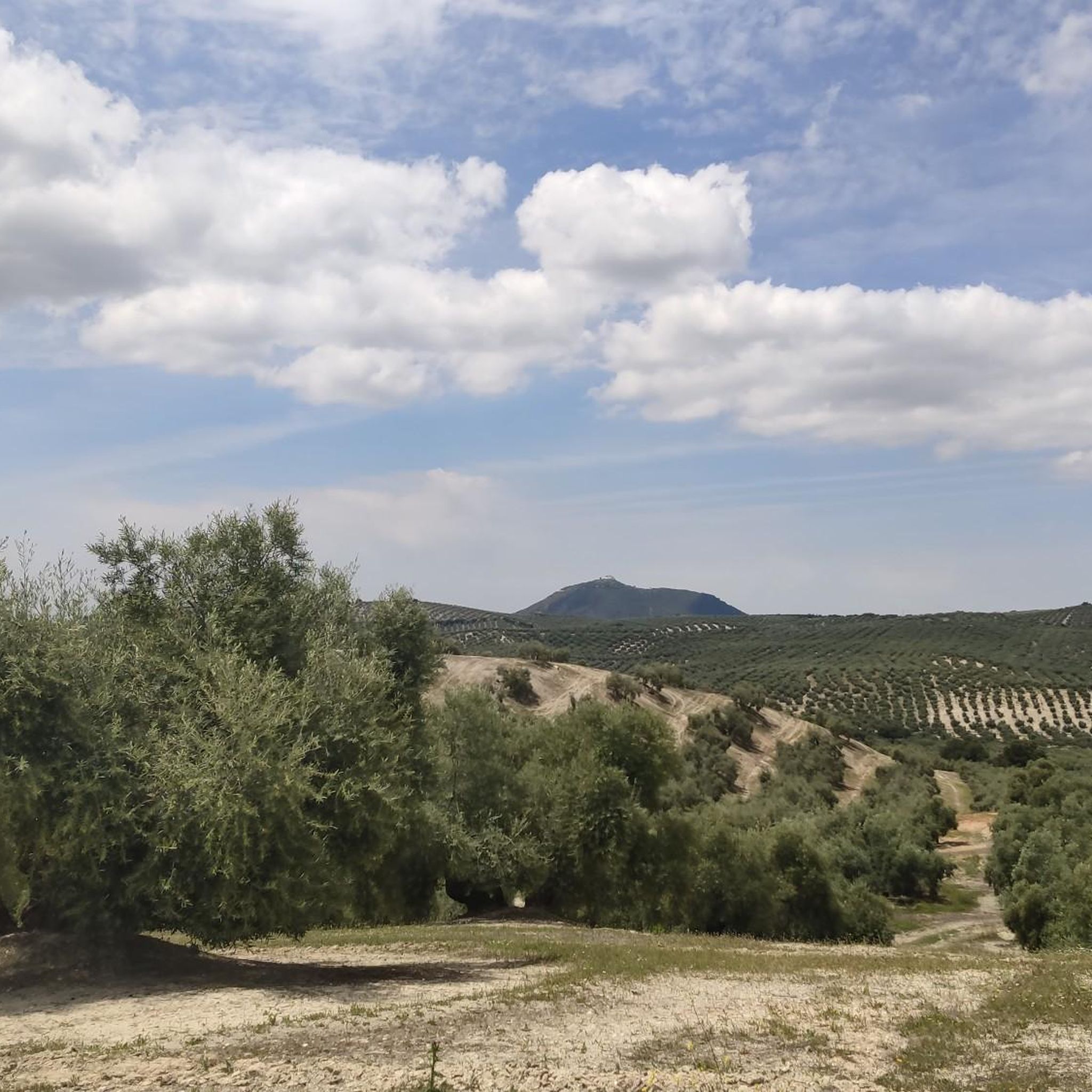
An easy tour through the olive groves. We headed north, a total of 40 km round trip. We were traveling in a motorhome and parked at a motorhome parking lot in Cabra.
1
0

Very beautifully designed train station
1
0

The Fuente del Río in Cabra, is a picturesque natural park considered the origin of the Río Cabra. The park combines the natural beauty of a karst spring with landscaped gardens and a diverse tree landscape. It was declared a “Sitio de Interés Natural” in 1929 and today offers recreational areas and picnic areas for visitors. The spring rises at the foot of the Sierra de Cabra, an area with high rainfall and calcareous rock that leads to the formation of such karst springs. The water flows through a series of waterfalls and artificial springs and supplies the entire municipality. The Fuente del Río is part of the “Ruta del Agua” in the Subbética Cordobesa and offers a harmonious interplay of nature and human design. The park is a popular place for locals and visitors who want to enjoy the tranquility and beauty of this unique place. A visit to the Fuente del Río offers the opportunity to experience the natural beauty of the region and explore the origins of the Río Cabra.
3
0
Today, the restaurant "El Tren" is located in the former Cabra train station. There is a hostel attached, offering shared rooms with bunk beds at reasonable prices. Cabra train station was inaugurated in 1893 as part of the narrow-gauge railway line that connected Puente Genil with Linares. Even then, the station was an important meeting point for the community. Over time, the introduction of new means of transport and the modernization of the railway infrastructure led to the closure of the line in 1965. The station building remains a symbol of Cabra's history to this day.
6
0

A natural area where the Cabra River is born. A natural spring surrounded by vegetation that transmits peace and tranquility. Highly recommended for a break on the route.
1
0

Cabra station still has what used to be an old steam locomotive that was used in the past, where the greenway is currently located.
0
0

Through the disused Subbética railway lines, previously used by the oil train, you can tour the interior of Andalusia on cycling and hiking itineraries. The beautiful landscapes of the Sierras Subbéticas Natural Park mix appropriately with the preserved railway architecture, made up of four viaducts, five stations, a 139 m tunnel, thirteen residential buildings distributed among level crossing boxes (road intersections). , workers' boxes and railway houses, all of them being in different states of conservation. In addition, there are a total of six rest areas that are made up of benches, bench-tables, litter bins and bike racks.
0
0
Frequently Asked Questions
What natural attractions can I explore around Rute?
Rute is nestled within the beautiful Sierra de la Subbética Natural Park, a UNESCO World Heritage Site, offering rugged terrain and stunning landscapes. You can visit the Poljé of the Nava de Cabra, a unique geological formation with a large, flat valley depression. Another must-see is Fuente del Río, a picturesque natural park considered the origin of the Río Cabra, featuring a karst spring and landscaped gardens. The Iznájar Reservoir, Spain's largest artificial lake, also offers spectacular views and a beach.
Are there any historical sites or landmarks to visit in Rute?
Yes, Rute has a rich history. You can explore the ruins of Rute Castle (El Canuto), a fortress of Muslim origin offering breathtaking views. The Torre del Canuto, a Christian watchtower, also provides panoramic vistas. Other significant historical sites include Rute el Viejo, preserving parts of the old village, and religious buildings like the Church of Santa Catalina and the Santuario de Nuestra Señora del Carmen.
What unique museums or cultural experiences does Rute offer?
Rute is famous for its culinary traditions and unique museums. Don't miss the Chocolate Nativity Scene (Belén de Chocolate), the world's largest made entirely of chocolate, typically open from mid-October to early January. You can also visit the Anise Museum (Museo del Anís) to learn about Rute's 400-year-old anise production, or the Ham House Museum (Casa Museo del Jamón) to delve into Iberian ham. The Artisanal Nougat, Shortbread and Marzipan Museum and the seasonal Sugar Museum (Museo del Azúcar) are also popular.
What outdoor activities can I do near Rute?
The region around Rute is perfect for outdoor enthusiasts. You can find numerous hiking trails, including those in the Sierra de Rute and the Pinar de la Sierra, which is part of the extensive GR7 long-distance footpath. For more specific routes, check out the hiking guide for Rute. There are also running trails and road cycling routes available, such as those around the Iznájar Reservoir. The La Sima Viaduct is a popular spot for cyclists on the Via Verde de la Subbética.
Are there family-friendly attractions in Rute?
Absolutely! Many attractions in Rute are suitable for families. The Chocolate Nativity Scene is a magical experience for all ages. Natural spots like Fuente del Río and the Nuestra Señora del Carmen Park offer pleasant spaces for relaxation and strolls. The Adebo Reserve (Donkey House), a sanctuary for abandoned donkeys, is also a heartwarming visit for families. Additionally, the Church of Santo Domingo and Cabra Station (now a restaurant) are marked as family-friendly highlights.
Where can I find scenic viewpoints around Rute?
For breathtaking views, head to the ruins of Rute Castle (El Canuto) or the Torre del Canuto, which offer panoramic vistas over the valley, surrounding mountains, the Iznájar Reservoir, and Lucena. The Mirador del Pantano de Iznájar provides spectacular views of the reservoir. The Poljé of the Nava de Cabra and Fuente del Río also offer picturesque natural scenery.
What is the best time of year to visit Rute?
The best time to visit Rute depends on your interests. For outdoor activities and enjoying the natural beauty, spring and autumn offer pleasant temperatures. If you're keen on experiencing Rute's unique Christmas traditions, such as the Chocolate Nativity Scene and the Sugar Museum, plan your visit between mid-October and early January, as these attractions are seasonal.
Are there any easy walking trails suitable for all abilities near Rute?
Yes, there are several options for easy walks. The Nuestra Señora del Carmen Park in the heart of Rute is ideal for leisurely strolls. The Pinar de la Sierra offers well-signposted footpaths. For a slightly longer but still easy option, the 'Scenic Trail PR-A-234 – Iznájar Dam loop from Presa de Iznájar' is an easy 5.5 km hike, as detailed in the hiking guide for Rute.
Can I find local markets or places to buy local produce in Rute?
Yes, Rute hosts a local market every Saturday. It's held along the Nuestra Señora del Carmen Park and is an excellent place to find local produce, clothes, and other goods, offering a glimpse into local life and commerce.
What is the significance of the Iznájar Reservoir near Rute?
The Iznájar Reservoir is significant as the largest artificial lake in Spain. It's not only a vital water source but also a popular recreational area. Visitors can enjoy spectacular views, find a beach for swimming and sunbathing, and hike to the Mirador del Pantano de Iznájar for even better panoramic vistas.
Where can I learn about Rute's traditional sweet production?
Rute is renowned for its traditional sweets, especially around Christmas. You can visit the Artisanal Nougat, Shortbread and Marzipan Museum (Museo Artesanal del Mantecado, Turrón y Mazapán) to see the traditional methods and tools used in their production. Additionally, Galleros Artesanos is another place where you can learn about the craftsmanship behind these local delicacies.
Are there any dog-friendly hiking options around Rute?
While specific dog-friendly designations for all trails are not always available, many natural areas and trails in the Sierra de la Subbética Natural Park are generally welcoming to dogs on leash. The Pinar de la Sierra with its well-signposted footpaths and the general trails around the Iznájar Reservoir are good options for walks with your dog. Always ensure to follow local regulations regarding pets in natural parks.
Most popular attractions around Rute

Get inspired with the komoot mobile app


Explore more
Still not found the Highlight you’re looking for? See guides of the top attractions in other regions:
