Attractions and Places To See around Forua - Top 20
Best attractions and places to see around Forua include a variety of historical sites, cultural landmarks, and natural features. Located within the Urdaibai Biosphere Reserve in Bizkaia, Forua offers a rich blend of ancient Roman history and medieval heritage. The area is characterized by its scenic position on the Mundaka estuary and diverse natural landscapes. Visitors can explore archaeological sites, historic churches, and natural ecosystems.
Best attractions and places to see around Forua
- The most popular attractions is Santa Catalina…
Last updated: October 9, 2026
Guernica Mural in Gernika
Highlight • Monument
Translated by Google •
Tip by

Artzubi Bridge
Highlight • Bridge
The itinerary of the Camino de Santiago from the north or from the coast runs over it.
Translated by Google •
Tip by

Sign up now to discover places like this
Get recommendations on the best single tracks, peaks, & plenty of other exciting outdoor places.
Old Tree of Gernika (Gernikako Arbola)
Highlight • Natural Monument
Translated by Google •
Tip by

Santa Catalina Hermitage and Mundaka Harbor
Highlight • Religious Site
Translated by Google •
Tip by
Oma Forest
Highlight • Forest
Translated by Google •
Tip by

Sign up for free to discover even more attractions around Forua.
Already have an account?
Start today with a free account
Your next adventure awaits.

Tips from the Community

A visit to the renovated Oma forest is highly recommended. There are 32 marked points on the ground, which even indicate the direction to look to see the visual combinations between the trees.
1
0

Recreation of Picasso's famous painting. The original can be seen in Madrid.
1
0

Picturesque old town with a relaxed surfer vibe
0
0

The Oma Forest - Omako basoa in Basque - is also known as the painted forest, the enchanted forest or even the Ibarrola Forest. Its most common name - Oma Forest - refers to the district in which it is located, which belongs to the municipality of Kortezubi. This original work of art was created between 1982 and 1985, when the Basque painter and sculptor Agustín Ibarrola used the trunks of trees as a kind of canvas for a total of 47 images. On them he painted animals, geometric figures and people, or just parts of them, such as eyes and lips. In addition, many of the compositions do not consist of a single tree, but must be viewed in the context of several tree trunks. To do this, you must pay attention to the signs on the ground that tell the viewer where to stand in order to enjoy the whole image.
1
0

When the Condor attacked, the residents of Guernica tried to protect the tree with their bodies because it is sacred to the Basques. Even today, elected politicians have to swear their loyalty to the Basque Country at an oak tree that stands a few meters away.
0
0

The legend that attributes the name of Mundaca to the Latin expression munda aqua (clean water). This legend appears in the Chronicle of Vizcaya written by Lope García de Salazar in the 15th century. According to this story, a ship from Scotland arrived on the coast of Mundaca carrying a princess who had been banished from her land. The Scots called the place Munda aqua in their Latin language (sic) since they found a very clean source of water that contrasted with the murky waters of the Urdaibai estuary.
2
0
In 1982, artist Agustín Ibarrola began painting the pine trees in the forest near his homestead with the intention of using the landscape as a canvas to give continuity to his artistic expression. It is at this moment when he decides to break the law of perspective and transgress the three-dimensionality of a white line until it becomes two-dimensional. From then on, he explored the possibilities offered by the arrangement of the forest trees, playing with the different planes of depth and creating artistic sets composed of human figures, curves or straight lines, and circles of intense colors. The ideas and concepts that it develops become more complex and advances in various directions as the painted forest expands. With the help of two students from the Faculty of Fine Arts of the UPV/EHU, he carried out a large part of the work that was open to the public until 2018, at which time the biological cycle of the forest came to an end. Given the importance that the work had acquired, the Provincial Council of Bizkaia began the process of making the Forest last, for which it had from the first moment the support of the artist who had made clear his desire for the forest to survive. In this way and in order to preserve El Bosque de Oma, the Ibarrola work has been moved to a new location, also recovering original artistic ensembles lost due to felling, attacks and natural tree falls. Today we can enjoy El Bosque de Oma more complete and more faithful to the artist's original idea.
1
0
The Forest of Oma is one of the best-known works of the Basque artist Agustín Ibarrola and is an expression of the artistic movement known as Art and Nature, which emerged in the late sixties of the 20th century and whose purpose is to convey artistic work to the natural environment, using the landscape as a framework, support and raw material for the artist. The work, located in the town of Kortezubi (Bizkaia), is made up of several sets of geometric motifs and figures painted on the trunk of radiata pine trees. The use of natural living supports, the play of two-three-dimensionality and the experience of placing the visitor at the center of the work of art through his discovery, as well as the diversity of responses it proposes, make this work a reference of the Art and Nature movement and of Basque Art in particular.
1
0
Frequently Asked Questions
What are the most popular attractions around Forua?
Among the most popular attractions, visitors highly recommend the Santa Catalina Hermitage and Mundaka Harbor, a picturesque coastal spot with stunning sea views. Another favorite is the Oma Forest, known for its unique artistic installations on tree trunks. The historic Artzubi Bridge, a 16th-century Romanesque structure, is also a cherished highlight.
Are there historical and cultural sites to visit in Forua?
Forua is rich in history. You can explore the significant Roman Settlement of Forua, an archaeological site with remains of workshops and metallurgical furnaces from the 1st to 5th centuries AD. The Church of San Martín de Forua, one of Bizkaia's oldest, features a beautiful Baroque altarpiece and a Roman necropolis visible beneath its floor. Don't miss the medieval Urdaibai Tower, also known as 'Castillo Perejil', which offers a glimpse into the area's strategic past.
What natural features can I experience in and around Forua?
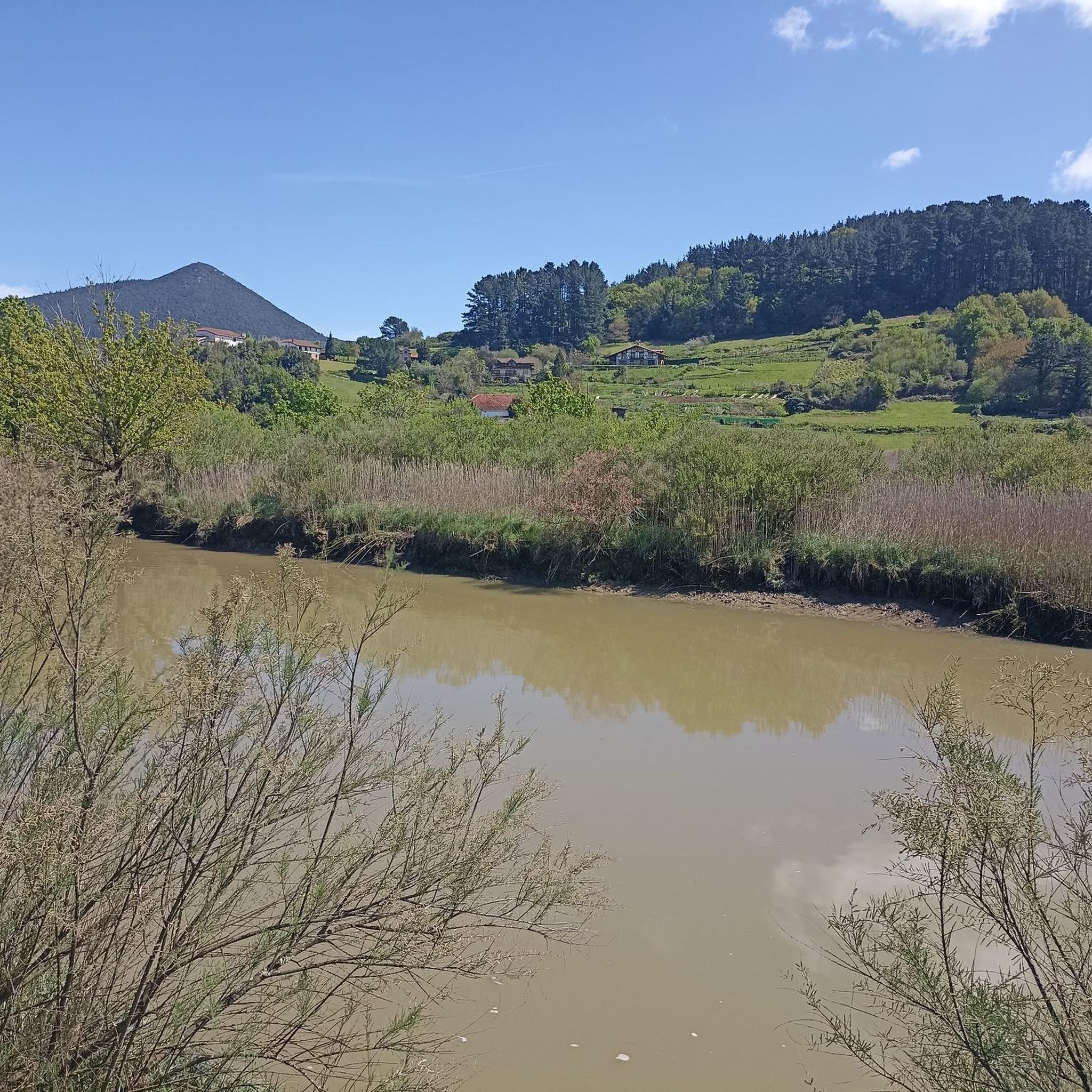
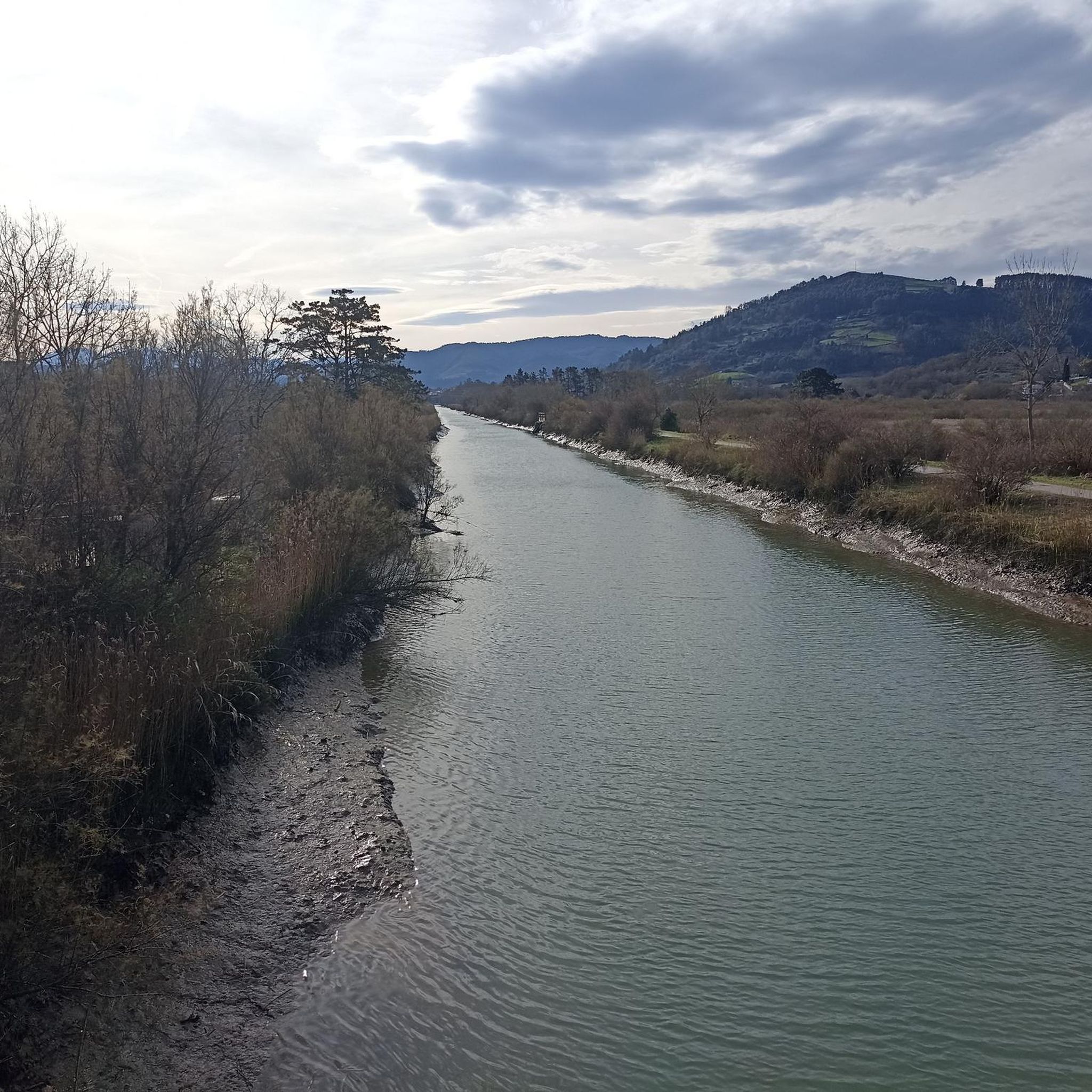
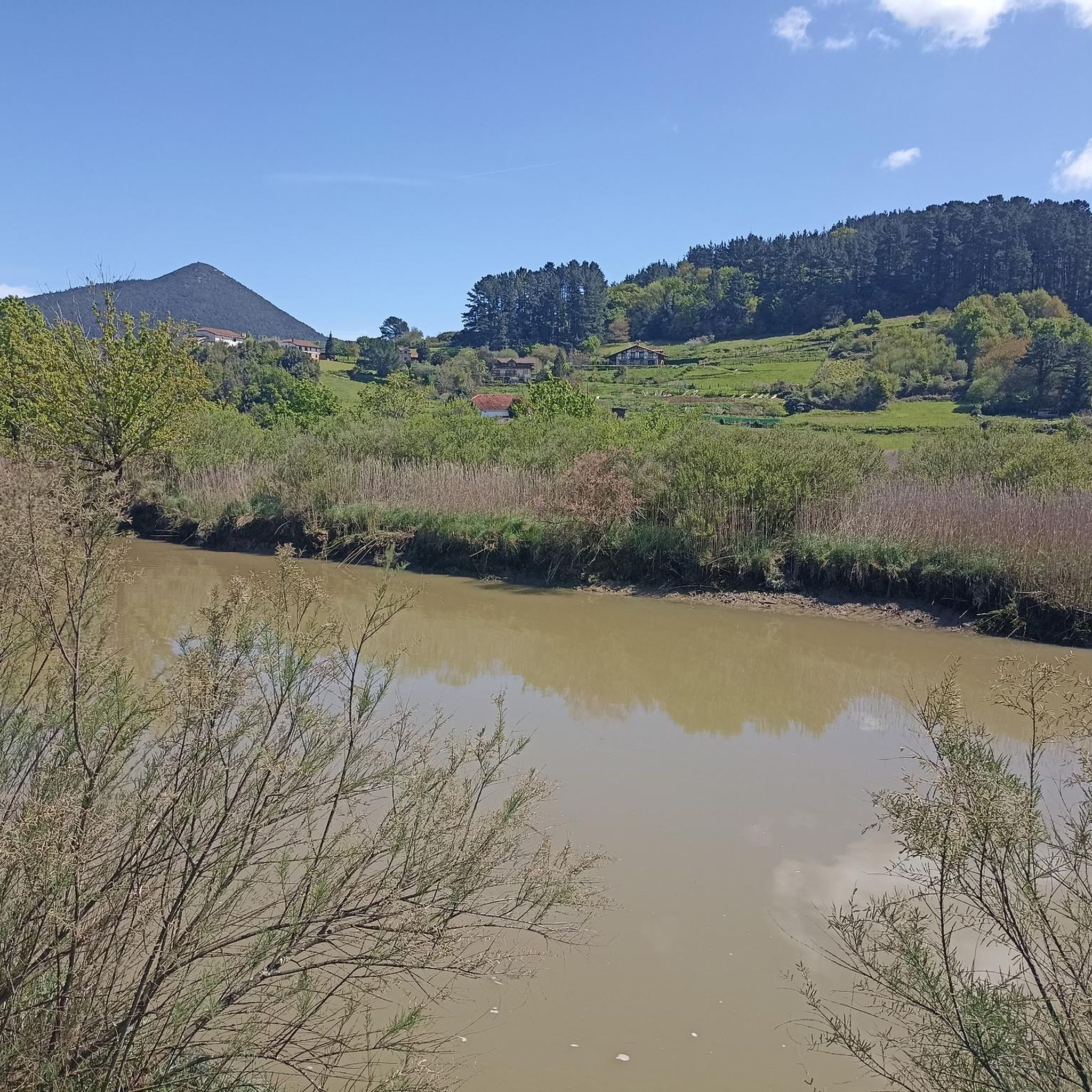
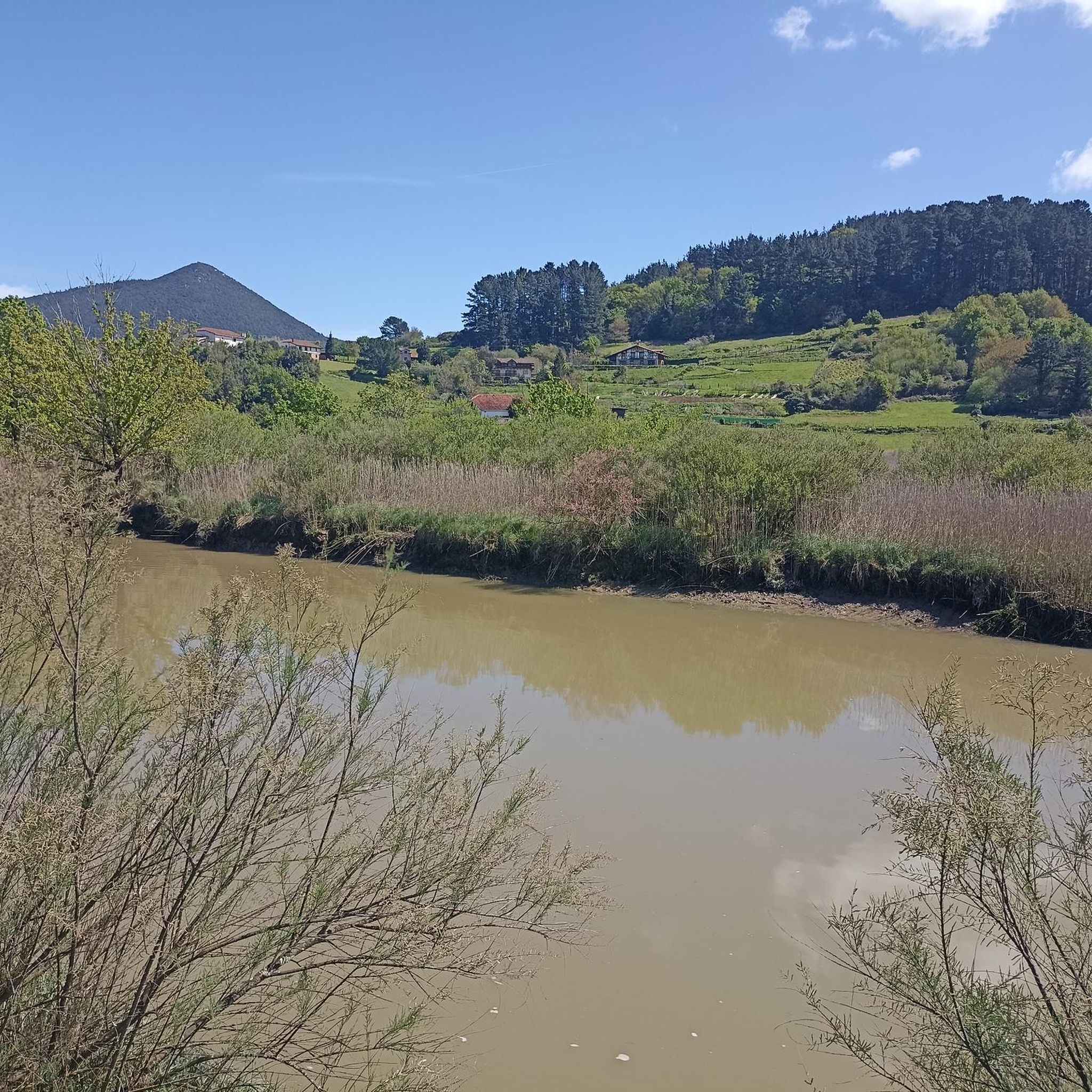
Forua is nestled within the UNESCO-declared Urdaibai Biosphere Reserve, offering diverse ecosystems and stunning landscapes. You can enjoy scenic views along the Mundaka Estuary, especially from the Views over the Urdaibai marsh, where the landscape changes with the tides. The area also features Artadi Mountain and the Upeta and Asparro brooks, contributing to its natural beauty.
Are there family-friendly activities available near Forua?
Yes, several attractions are suitable for families. The Oma Forest, with its painted trees, offers an engaging and artistic outdoor experience. The Views over the Urdaibai marsh provide an accessible spot for enjoying nature. Additionally, the Urdaibai Biosphere Reserve itself offers gentle walks and opportunities for birdwatching, which can be enjoyable for all ages.
What kind of hiking trails are available around Forua?
The area around Forua offers a variety of hiking trails within the Urdaibai Biosphere Reserve. You can find easy routes like the 'Arteaga Castle – Urdaibai Bird Center loop' (4.4 km) or more moderate options such as the 'Agonía de Fuego Sculpture – Market Woman Statue loop' (12 km). For a comprehensive list and details on difficulty and terrain, explore the Hiking around Forua guide.
Can I find cycling or mountain biking routes near Forua's attractions?
Absolutely! Forua is a great base for cycling and mountain biking. You can tackle challenging MTB routes like the 'Centro BTT Urdaibai Ruta 8' (46.7 km) or enjoy scenic road cycling tours such as the 'Tour of Biscay: Urdaibai Coast Loop' (34.7 km). For more options and route details, check out the MTB Trails around Forua guide and the Cycling around Forua guide.
What is the significance of the Roman Settlement of Forua?
The Roman Settlement of Forua is Bizkaia's most important Roman archaeological site. Inhabited between the 1st and 5th centuries AD, it was a key economic hub strategically located for trade. Excavations have revealed nine Roman structures, including workshops and metallurgical furnaces, along with various artifacts. Its name, believed to derive from the Latin 'forum,' suggests its past as a market or public square.
Are there any notable art installations or cultural landmarks nearby?
Yes, the Oma Forest (Painted Forest of Oma) is a renowned artistic installation by Agustín Ibarrola, featuring geometric motifs and figures painted on tree trunks. Additionally, in nearby Gernika, you can see a significant reproduction of Picasso's famous Guernica Mural, commemorating the 1937 bombing of the city.
What is the best time of year to visit Forua and the Urdaibai Biosphere Reserve?
The Urdaibai Biosphere Reserve, including Forua, is beautiful year-round. Spring and autumn are particularly pleasant for hiking and birdwatching, as the weather is mild and migratory birds are abundant. Summer offers warmer temperatures for exploring the coast and estuary, while winter provides a quieter experience with unique natural beauty, though some services might have reduced hours.
Where can I find accommodation or places to eat near Forua?
Forua itself is a small town, but you can find accommodation, cafes, and pubs in nearby towns within the Urdaibai Biosphere Reserve. Popular options include Mundaka, known for its picturesque harbor and surfer vibe, and Gernika, which offers a wider range of services. Gautegiz Arteaga is also a charming option with local establishments.
What is the Urdaibai Tower, and how can I visit it?
The Urdaibai Tower, locally known as 'Castillo Perejil,' is one of Bizkaia's sturdiest medieval strongholds. It stands as a reminder of the area's historical strategic importance and is visible from many points around the estuary. You can reach the tower via a rural path from Gernika, which passes through scenic farmhouses and fields, offering a pleasant walk to this historic site.
Are there any unique archaeological finds in the Forua area?
Beyond the Roman Settlement, the Church of San Martín de Forua houses archaeological findings including a Roman necropolis, visible through a glass surface, and floors of two superposed arcaded squares from the Roman period. Additionally, a fragment of an ancient stele, known as the 'Ama Birjina' Stele, holds significant archaeological and ethnographic value.
Most popular attractions around Forua

Get inspired with the komoot mobile app


Explore more
Still not found the Highlight you’re looking for? See guides of the top attractions in other regions:
