Attractions and Places To See around Valle Del Zalabí - Top 20
Best attractions and places to see around Valle Del Zalabí include a diverse landscape shaped by erosion, featuring clay hills and views of the Sierra Nevada mountains. The region is part of the Natural Park of Sierra de Baza, known for its distinct vegetation. Historically, Valle Del Zalabí encompasses villages like Alcudia de Guadix, Exfiliana, and Charches, offering insights into traditional architecture and ancient settlements. This area presents a combination of natural beauty and historical sites for exploration.
Best attractions…
Last updated: October 10, 2026
Guadix Cathedral (Cathedral of the Incarnation)
Highlight • Religious Site
Translated by Google •
Tip by

Guadix
Highlight • Settlement
Guadix is known for its cave districts made of soft tufa rock.
There were about 2000 dwelling caves.
Translated by Google •
Tip by
Sign up now to discover places like this
Get recommendations on the best single tracks, peaks, & plenty of other exciting outdoor places.
Roman Theatre of Guadix
Highlight • Historical Site
Translated by Google •
Tip by
Cave town Guadix
Highlight • Settlement
Translated by Google •
Tip by

Granada Geopark
Highlight • Natural Monument
The landscape is deeply marked by the erosion of …
Tip by

Sign up for free to discover even more attractions around Valle Del Zalabí.
Already have an account?
Start today with a free account
Your next adventure awaits.
Popular around Valle Del Zalabí
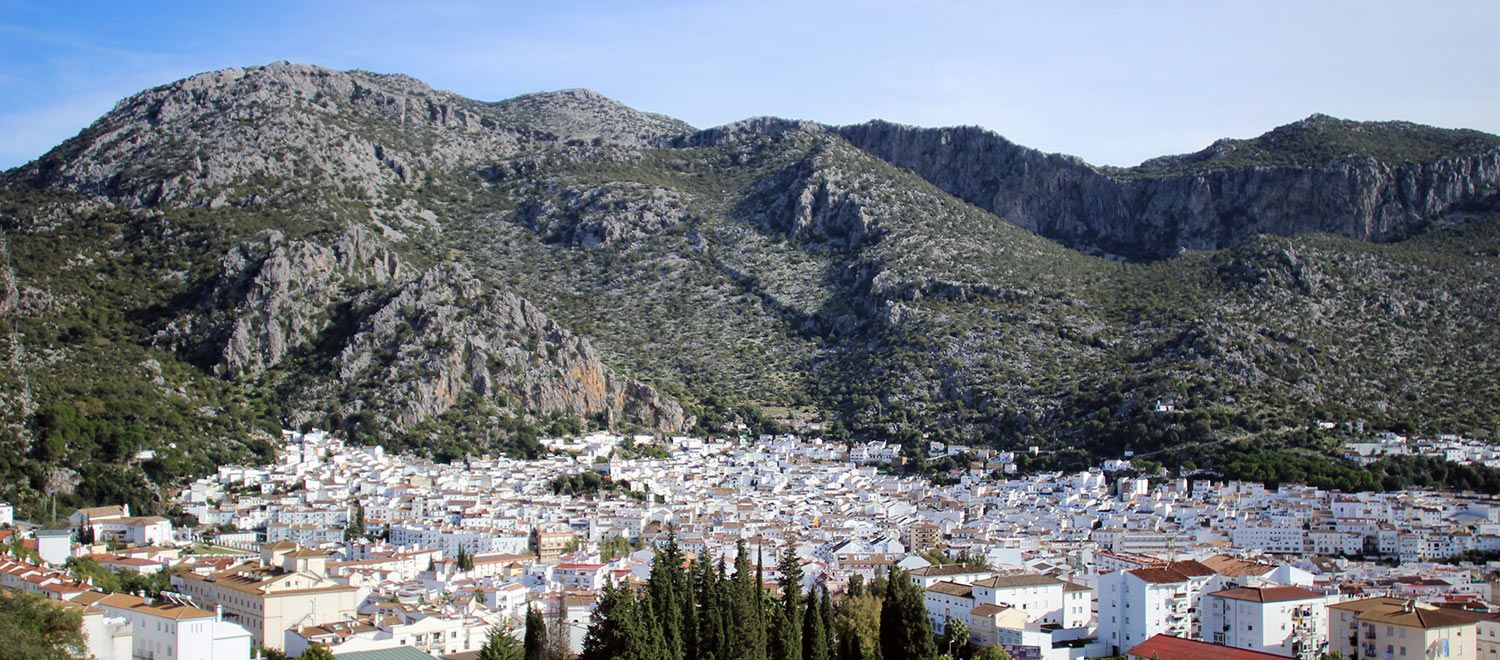
Explore the Betic Mountains on two wheels – Altravesur
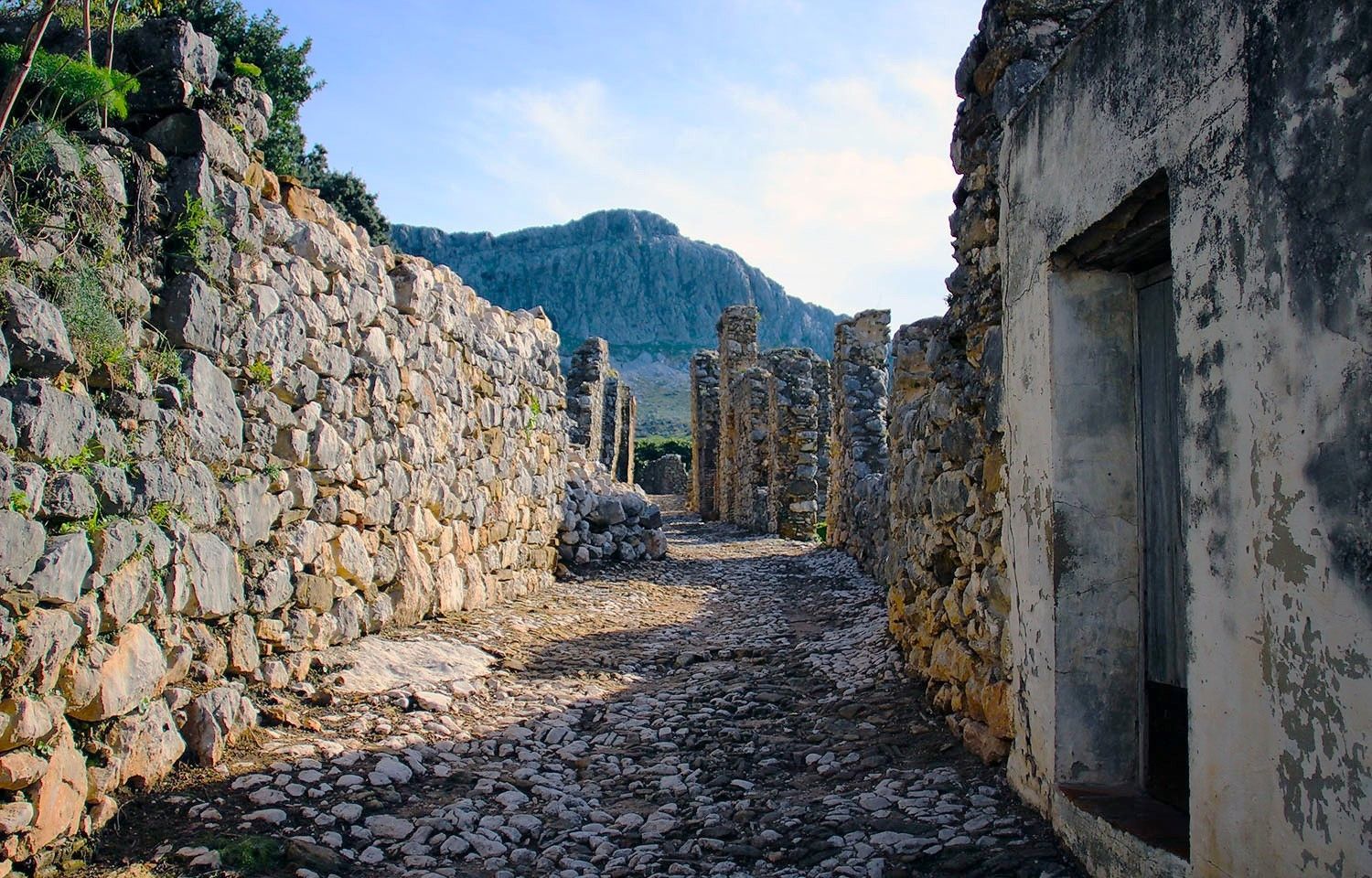
Andalusia without limits – Tarifa to La Puebla de Don Fabrique on the GR 7
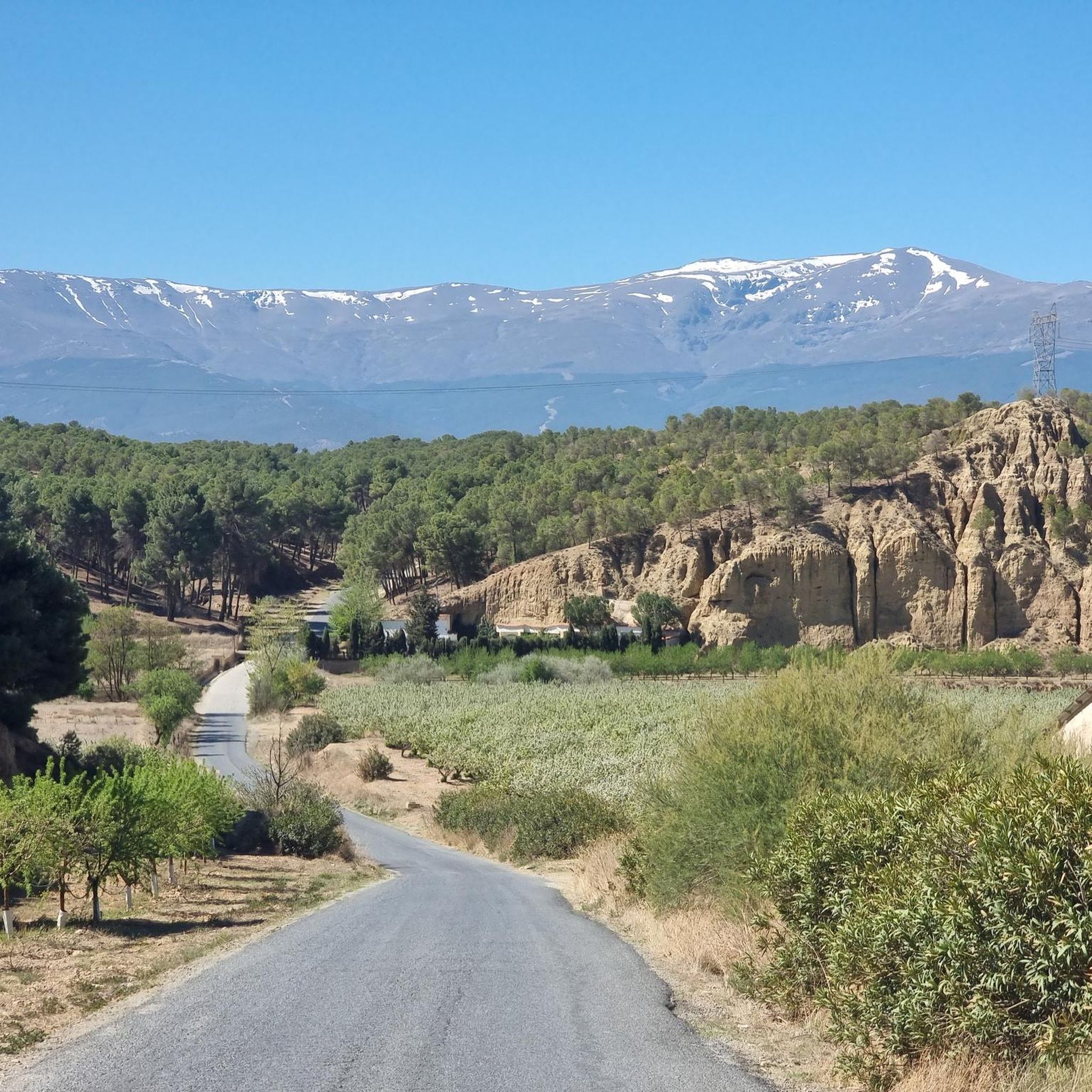
Road Cycling Routes around Valle Del Zalabí
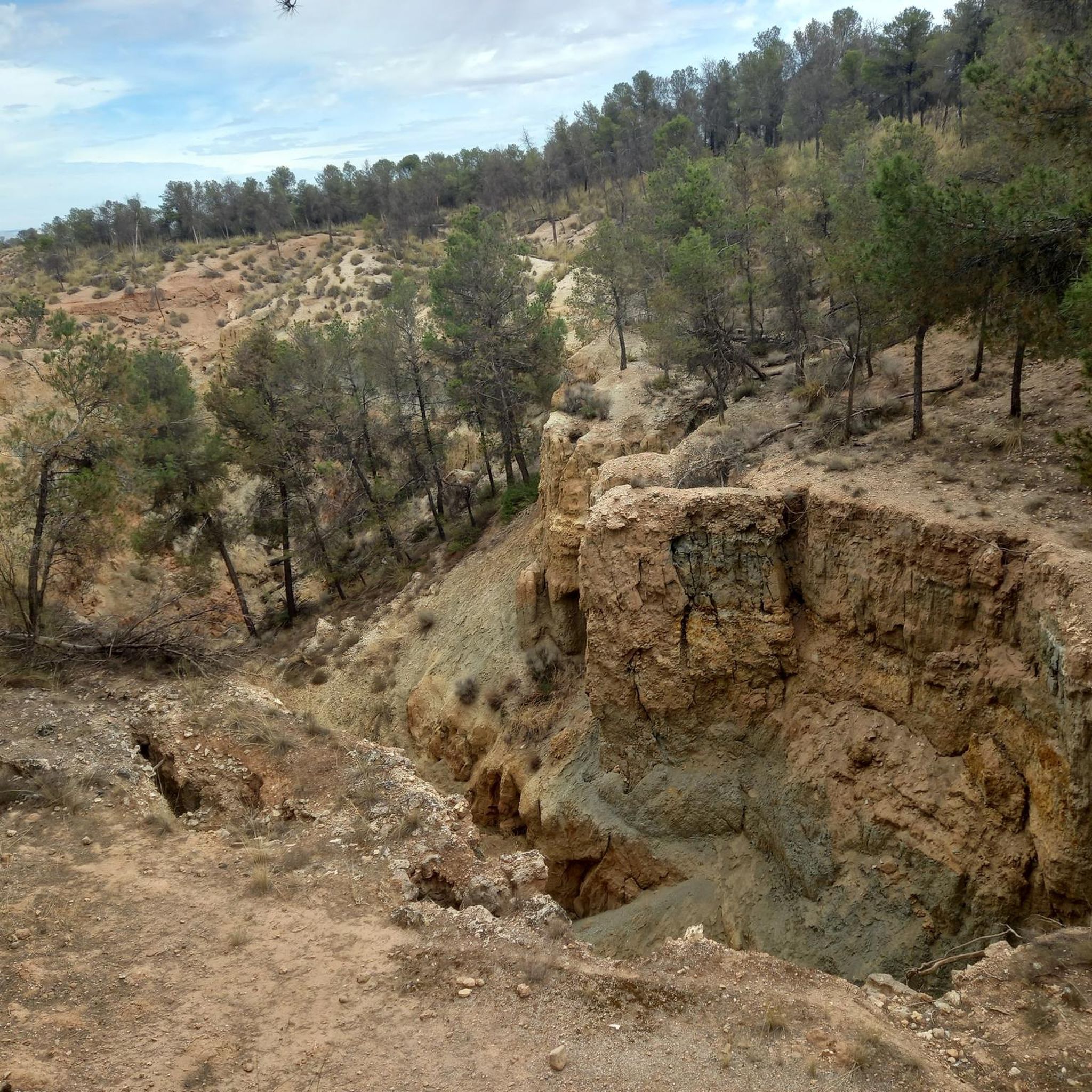
MTB Trails around Valle Del Zalabí

Gravel biking around Valle Del Zalabí
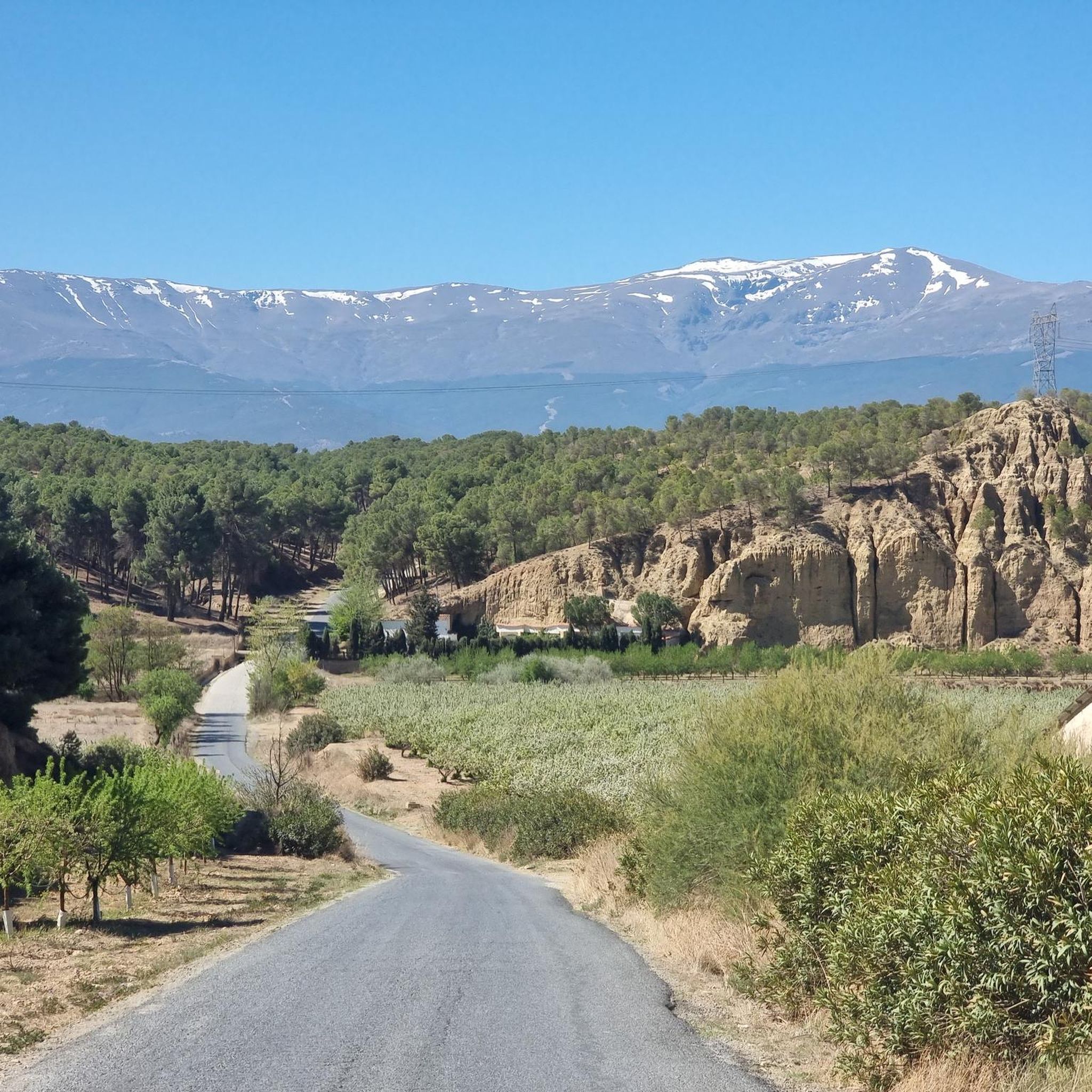
Hiking around Valle Del Zalabí
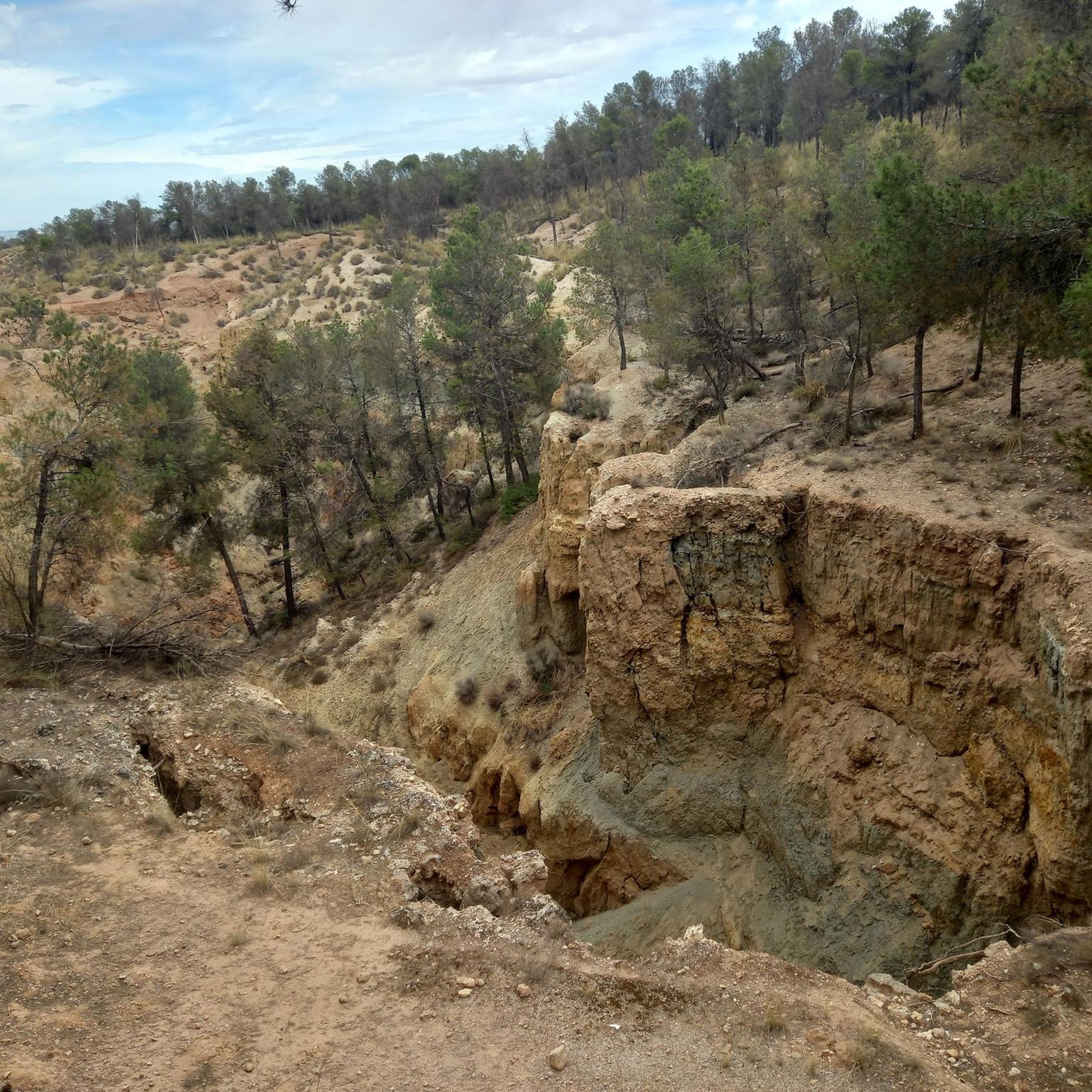
Running Trails around Valle Del Zalabí
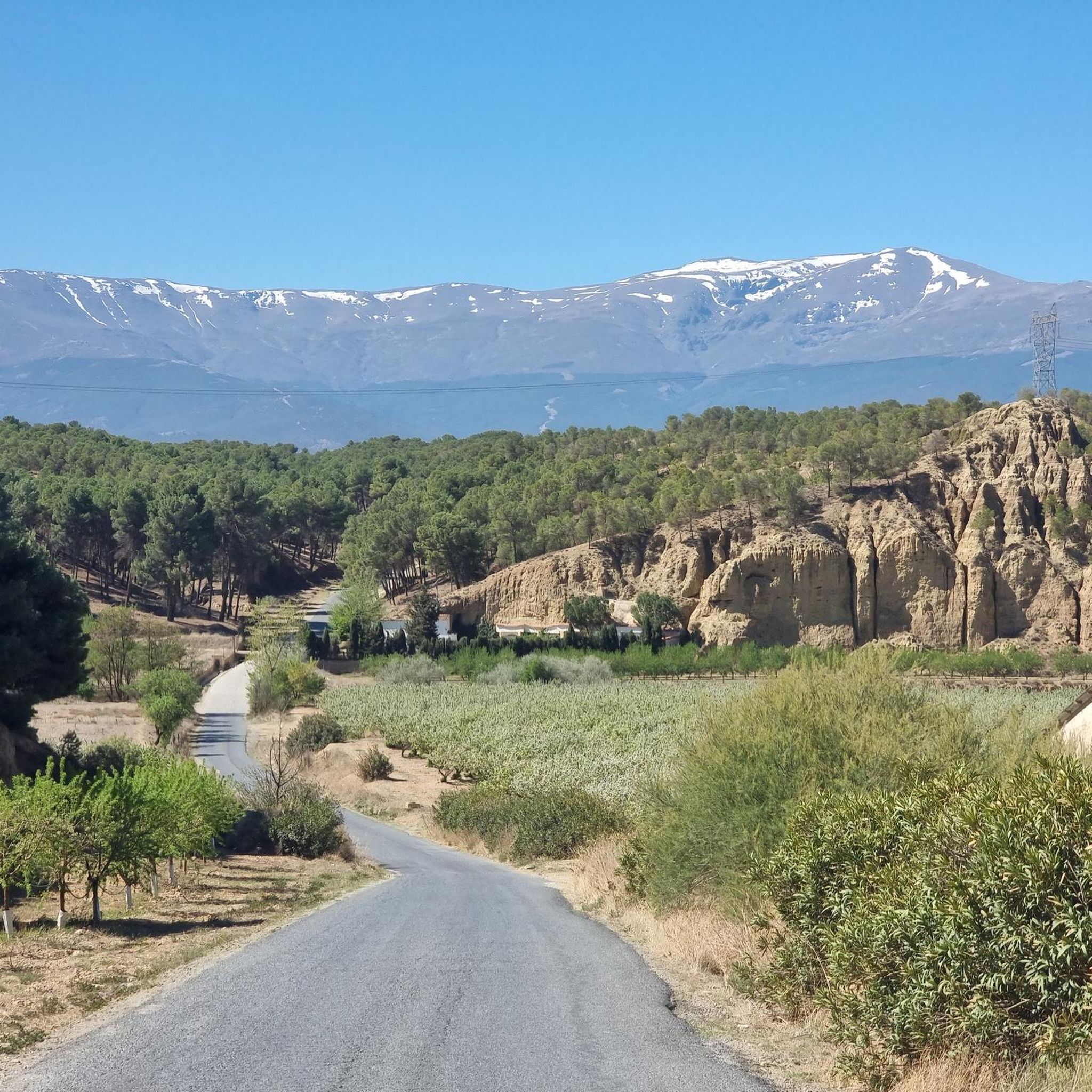
Cycling around Valle Del Zalabí


Tips from the Community

If you're in Guadix, don't miss the cave districts. Climb up to the Hermitage in Plaza del Padre Poveda and its viewpoint. Then you can continue along the Cuatro Veredas until you reach the Mercadona just above.
0
0

The Cathedral of the Incarnation of Guadix is an impressive cathedral located in the city of Guadix, in the province of Granada, Spain. This cathedral is a magnificent example of religious architecture that combines Gothic, Renaissance and Baroque styles. The cathedral was built on the site of an old mosque, and its construction began in the 16th century, extending into the 18th century.
6
0
This theatre dates back to Roman times and is one of the most important examples of Roman architecture in the region. The theatre was discovered in 2008 during excavations and has since been the subject of study and restoration. Although not fully excavated, significant parts of the structure can be seen, such as the cavea (seats), the orchestra and the stage.
6
0

A new study carried out by members of the Higher Council of Scientific Research and the Geological and Mining Institute of Spain concludes that the Roman theater of Guadix, dating from the 1st century BCE, was finally buried and preserved under the mud a millennium later.
7
0
Admire the walls of a structure that houses two centuries of art within its interior and discover hundreds of stories with this entrance to the Guadix Cathedral in Granada.
7
0

Roman theater from the first century AD
15
0

Very diverse and beautiful city with lots to see and discover.
2
0
Totally impressive and very steep path to the Mirador del Fin del Mundo.
1
0
Frequently Asked Questions
What historical and cultural sites can I explore in Valle Del Zalabí?
The region is rich in history. You can visit the impressive Guadix Cathedral (Cathedral of the Incarnation), a magnificent example of Gothic, Renaissance, and Baroque architecture built on the site of a former Moorish mosque. Another significant historical site is the Roman Theatre of Guadix, dating from the 1st century AD. The area also features traditional cave villages like Exfiliana and Alcudia de Guadix, offering a glimpse into unique troglodyte architecture.
What natural landscapes and viewpoints are there to see around Valle Del Zalabí?
Valle Del Zalabí is known for its dramatic 'primitive landscape' with striking relief shaped by erosion on rocky outcrops and clay hills, often compared to the American Badlands. You can enjoy picturesque views of the majestic Sierra Nevada mountains. The region is also part of the Natural Park of Sierra de Baza, a 'climatic island' with dense vegetation. Don't miss the Granada Geopark, characterized by its gullies and badlands formed by the Fardes and Guadix Rivers.
Are there any unique settlements or traditional dwellings to visit?
Yes, the area is famous for its traditional cave dwellings. The town of Guadix, often referred to as the Cave town Guadix, is particularly known for its Barrio de las Cuevas, where thousands of homes are carved into the soft tufa rock. These unique settlements offer a fascinating insight into local heritage, with some even providing tourist accommodation.
What outdoor activities can I do near these attractions?
The region offers a variety of outdoor activities. For road cycling enthusiasts, there are routes like the 'Badlands of the Hoya de Guadix and Río Fardes Loop'. Runners can explore trails such as the 'Guadix Vega and Cerro del Humilladero Trail'. Gravel biking is also popular, with routes like the 'Old riverbed with dry gravel – Gravel Snake loop from Guadix'. You can find more details and routes in the Road Cycling Routes around Valle Del Zalabí, Running Trails around Valle Del Zalabí, and Gravel biking around Valle Del Zalabí guides.
Are there family-friendly attractions in Valle Del Zalabí?
Absolutely! Many sites are suitable for families. Exploring the unique cave houses in Guadix and the Cave town Guadix can be a fascinating experience for all ages. The Roman Theatre of Guadix also offers an engaging historical lesson. The dramatic landscapes of the Granada Geopark provide an exciting natural environment for family exploration.
What makes the Granada Geopark a significant natural attraction?
The Granada Geopark is a natural monument known for its extensive gullies and badlands in the northern part of Granada province. Its landscape has been profoundly shaped by the erosion of the Fardes and Guadix Rivers. It's also historically significant as one of the oldest human settlements in the Iberian Peninsula and contains the largest concentration of cave dwellings and dolmens in Europe.
What is the significance of the Guadix Cathedral?
The Guadix Cathedral (Cathedral of the Incarnation) is a historically and architecturally significant religious building. Its construction began in 1492 on the site of a former Moorish mosque and took centuries to complete, resulting in a unique blend of Gothic, Renaissance, and Baroque styles. It stands as an impressive testament to centuries of art and history.
What are the main characteristics of the Valle Del Zalabí landscape?
The landscape of Valle Del Zalabí is characterized by its 'primitive' and dramatic appearance, featuring striking relief formed by erosion on rocky outcrops and clay hills. This creates extraordinary effects, with intense contrasts of colors—the green of fertile plains and pine forests against red ochre hillocks. It's a region where you can witness the raw power of nature's sculpting.
Are there any archaeological sites in the area?
Yes, the region has a rich archaeological past. **Cabezo Juré** is an important archaeological site, recognized as one of the oldest metallurgical settlements in the Iberian Peninsula, dating back to the 3rd millennium BC. Additionally, the medieval **Aljibe del Cigüeñí** in Exfiliana, a well, suggests a medieval population center.
What kind of religious architecture can be found in Valle Del Zalabí?
Beyond the Guadix Cathedral, the municipality is home to several significant religious buildings. These include the 16th-century Mudejar-style Parish Churches of Nuestra Señora de la Anunciación in both Exfiliana and Alcudia de Guadix. Other notable sites are the 16th-century Sanctuary of Santa María de la Cabeza and the Hermitages of Las Animas, San Antón, and San Buenaventura.
What do visitors enjoy most about the attractions around Valle Del Zalabí?
Visitors frequently appreciate the unique combination of natural beauty and historical depth. The dramatic landscapes, especially the badlands and views of the Sierra Nevada, are highly praised. The historical sites, particularly the distinct cave dwellings and ancient architecture, offer a captivating journey through time. The komoot community has shared 59 photos and given 70 upvotes, highlighting the visual appeal and engaging nature of the attractions.
Are there opportunities for gravel biking near Valle Del Zalabí attractions?
Yes, gravel biking is a popular activity. You can find challenging routes such as the 'Old riverbed with dry gravel – Gravel Snake loop from Guadix' or the 'Gorafe in the Granada Geopark – Gorafe loop from Hernán-Valle'. These routes often take you through the unique landscapes of the region, including parts of the Granada Geopark. More options are available in the Gravel biking around Valle Del Zalabí guide.
Most popular routes around Valle Del Zalabí
Most popular attractions around Valle Del Zalabí

Get inspired with the komoot mobile app


Explore more
Still not found the Highlight you’re looking for? See guides of the top attractions in other regions:
