The best road cycling routes around Puente De Montañana
4.8
(9)
267
riders
5
rides
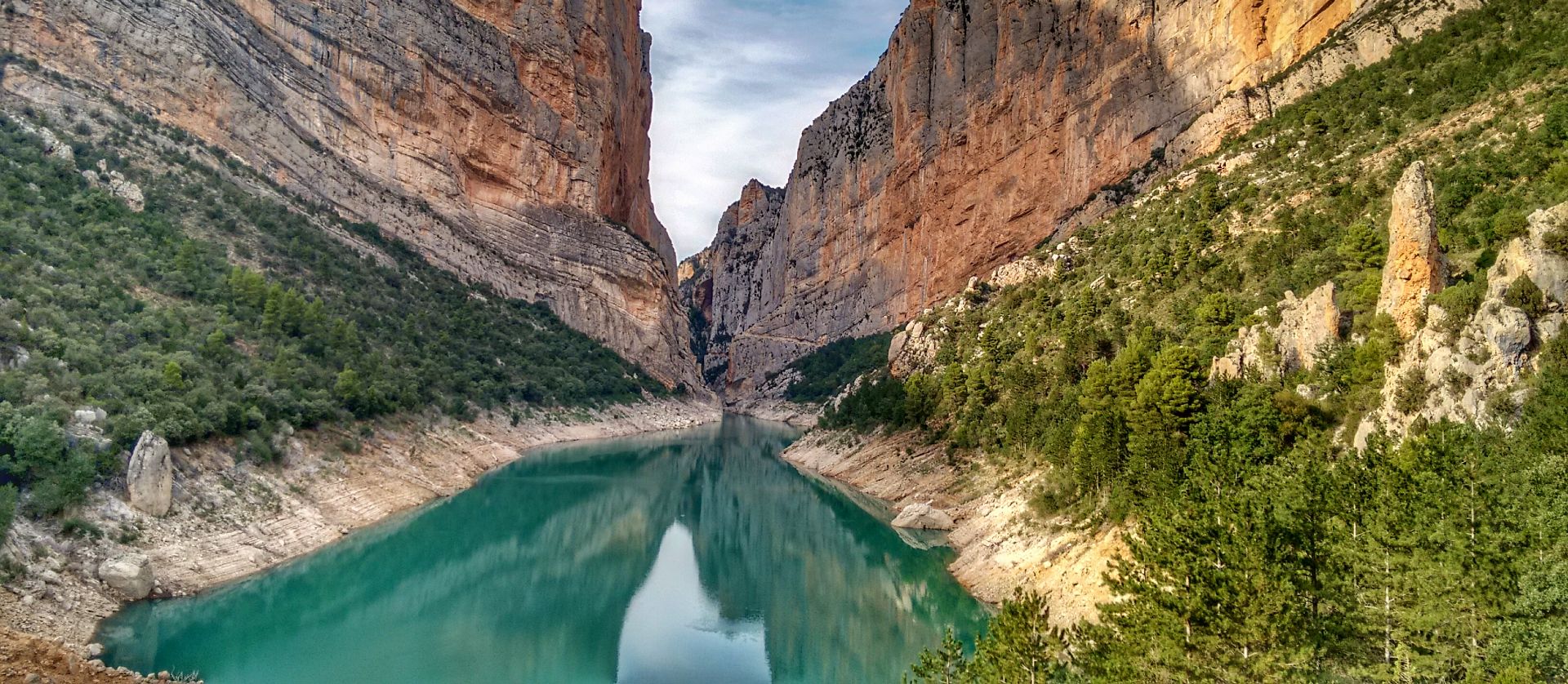
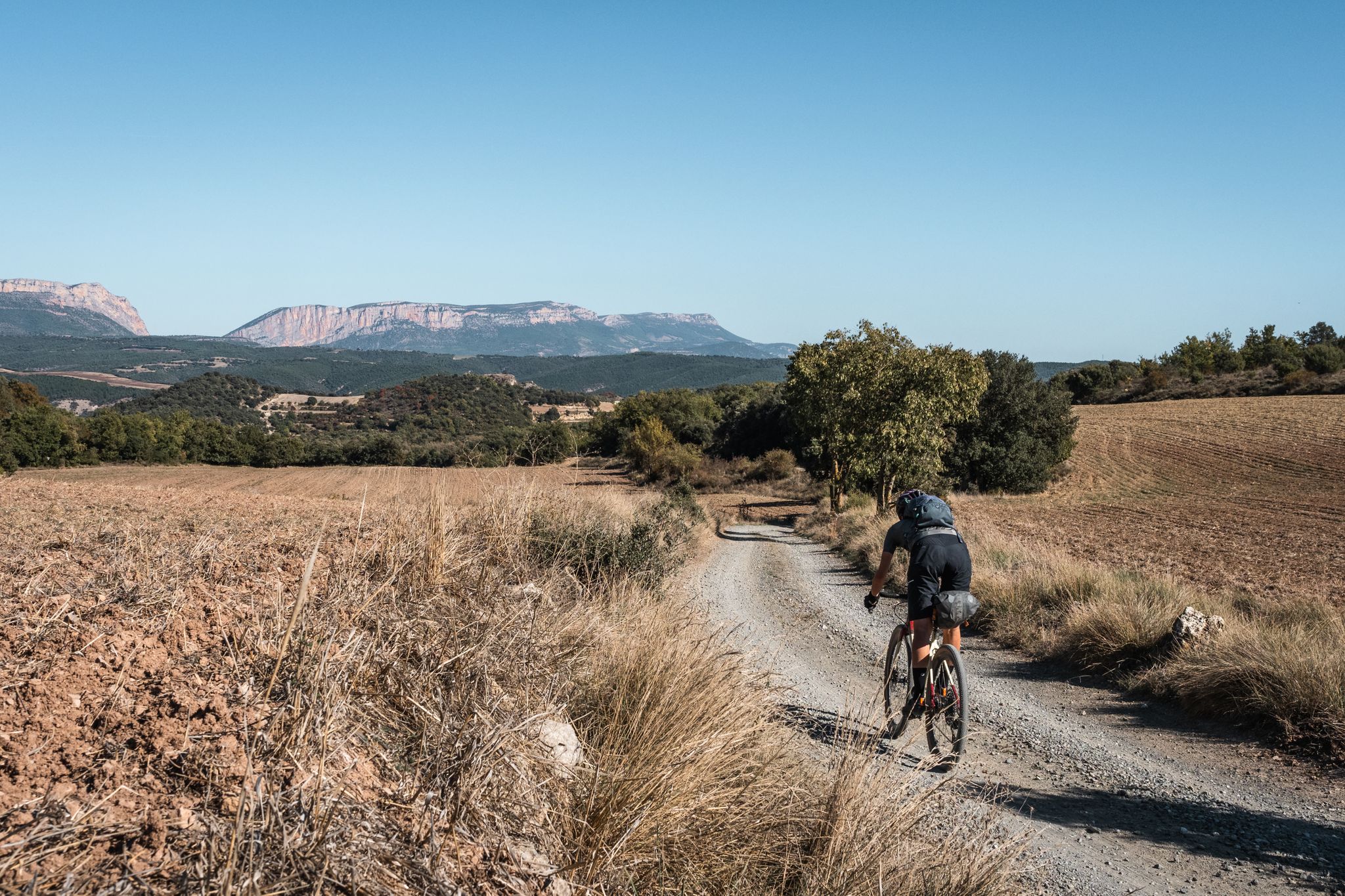
Road cycling routes around Puente De Montañana traverse a mountainous landscape, characterized by dramatic gorges and the Noguera Ribagorzana river. The region's topography offers challenging climbs and descents, making it suitable for experienced road cyclists. Its proximity to the Spanish Pyrenees provides access to extensive and demanding routes. This area is defined by its natural beauty and varied terrain, appealing to those seeking an active experience.
Best road cycling routes around Puente De Montañana
- The most popular road cycling route…
Last updated: October 15, 2026
5.0
(2)
67
riders
130km
06:50
2,390m
2,390m
Hard road ride. Very good fitness required. Mostly well-paved surfaces and easy to ride.
4.0
(1)
44
riders
69.2km
03:50
1,410m
1,410m
Hard road ride. Very good fitness required. Mostly well-paved surfaces and easy to ride.

5.0
(1)
13
riders
42.1km
02:31
1,080m
1,080m
Hard road ride. Very good fitness required. Mostly well-paved surfaces and easy to ride.
13
riders
34.9km
01:33
310m
310m
Moderate road ride. Good fitness required. Some segments of this route may be unpaved and difficult to ride.
5.0
(1)
7
riders
138km
07:42
2,620m
2,620m
Hard road ride. Very good fitness required. Some segments of this route may be unpaved and difficult to ride.
Our route recommendations are based on thousands of hikes, rides, and runs completed by other people on komoot.
Start today with a free account
Your next adventure awaits.
Popular around Puente De Montañana


Other adventures around Puente De Montañana


Tips from the Community

Important explanation of geology
0
0

This beautiful medieval bridge was built between the 13th and 14th centuries. It is about one hundred meters long and almost three meters wide, which allowed carriages and vehicles to cross from one side to the other.
0
0

The silhouette of the village of Llaguarres stands out amidst the fields and hills of the Ribagorza by the unmistakable bell tower of the Gothic church of the Assumption.
0
0

A table-bench combination in the shade of the forest.
1
0

This port connects the Noguera Ribagorzana river basin with the Sis valley and the Isábena basin, right on the border between Catalonia and Aragon. From Bonansa, the pass is a little over six kilometers long, with a fairly constant average drop of around 7%. Its other slope, the one that follows the Obarra gorge until it crowns the port, is much longer. It is 15 kilometers long, but it is very flat, with percentages around 3%, until it practically reaches the top, where the last two kilometers present considerable unevenness, with ramps of more than 15%.
0
0

The port of Bonansa is located at an altitude of 1,380 meters, in an open area from which you can see the panorama of the surrounding mountains. The climb is demanding, but worth it.
1
0

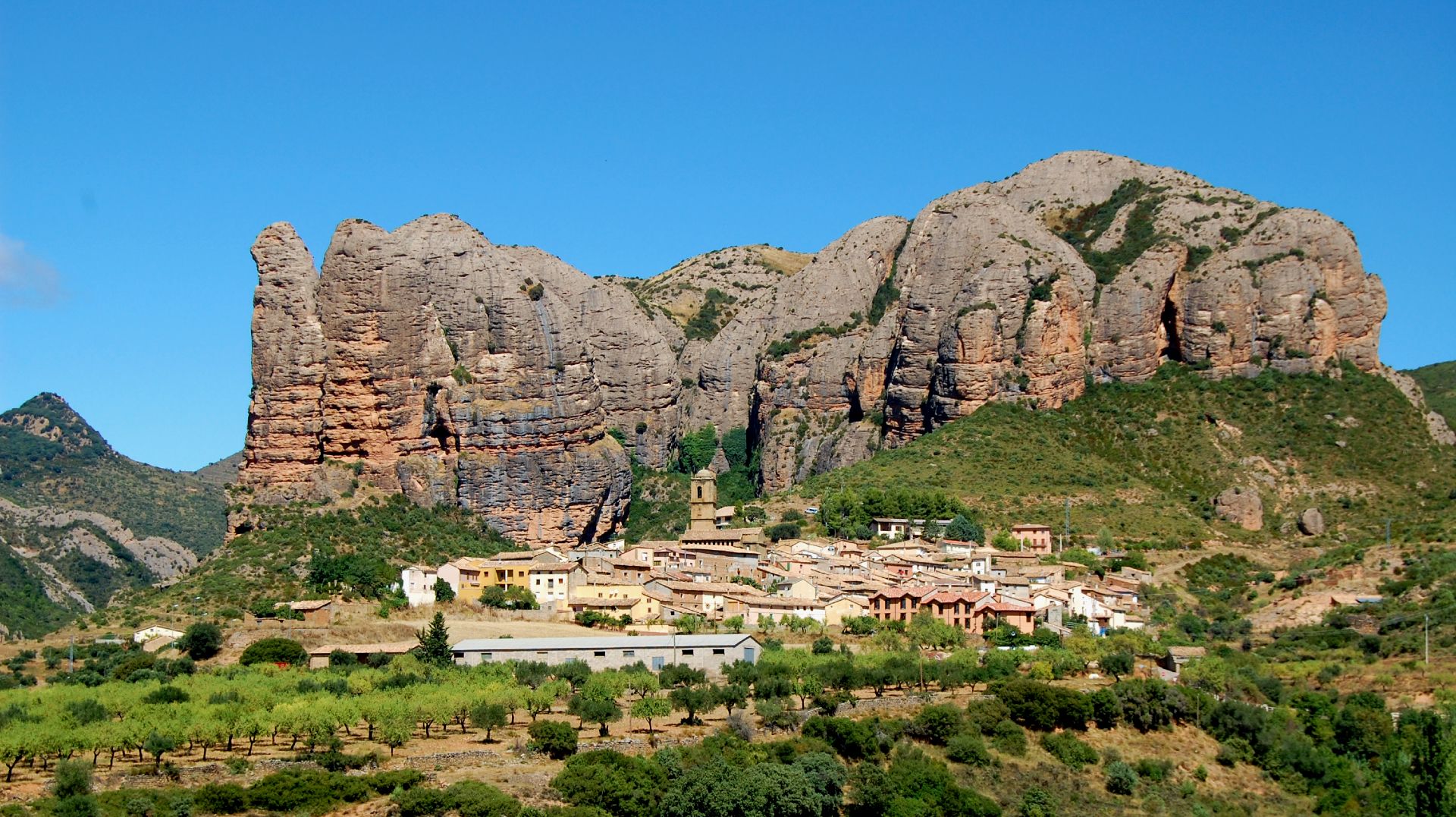
Castejón de Sos is a fairly large Ribagorza municipality, compared to the small population centers that exist in the surroundings. It has hotels, supermarkets, restaurants and a pharmacy. It is very close to the Ventamillo Gorge, an imposing canyon crossed by the Ésera River.
1
0
Lascuarre takes its name from the Basque language of the Basques who inhabited it until the 9th century. Later, it was a border square of the Muslim kingdoms. Today it is a small town of stone houses dominated by the imposing Gothic church of Santa María la Mayor, from the 15th century, which is located where the walled town square probably once stood.
0
0
Frequently Asked Questions
What kind of terrain can I expect when road cycling around Puente De Montañana?
The region around Puente De Montañana is characterized by a mountainous landscape with dramatic gorges and the Noguera Ribagorzana river. You can expect challenging climbs and descents, making it an ideal destination for experienced road cyclists. Its proximity to the Spanish Pyrenees also means access to extensive and demanding routes.
Are there any notable landmarks or attractions along the road cycling routes?
Yes, several routes offer views of significant natural and historical landmarks. You might encounter the stunning Mont-rebei Gorge and its iconic Suspension Bridge. The medieval village of Montañana itself, with its traditional houses and historic bridge, is also a rewarding stop. For those looking for a challenging hike off the bike, the Montfalcó Walkways offer unique views.
When is the best time of year for road cycling in Puente De Montañana?
Given the mountainous terrain and proximity to the Pyrenees, spring and autumn generally offer the most pleasant conditions for road cycling, with milder temperatures and less extreme weather. Summers can be hot, especially in the valleys, while winters may bring colder temperatures and potential snow at higher elevations.
Are there any family-friendly road cycling routes in the area?
The road cycling routes around Puente De Montañana are primarily designed for moderate to difficult ability levels, with significant elevation gains. There are no easy routes listed, so families with young children or those seeking very gentle rides might find the terrain challenging. Experienced cycling families, however, may enjoy the scenic, albeit demanding, routes.
Are there many loop road cycling routes available?
Yes, many of the road cycling routes in the Puente De Montañana area are designed as loops, allowing you to start and finish in the same location. For example, the Coll de Montllobar (1080 m) – Puente de Montañana loop from Puente de Montañana / Pont de Montanyana is a popular circular option.
Which routes offer the most scenic views?
Many routes in the region boast breathtaking scenery due to the mountainous landscape and deep gorges. The Capella Romanesque Bridge – Puente de Abajo loop from Lascuarre / Lasquarri offers a mix of climbs and descents, passing by historical structures and scenic river valleys. Routes that traverse the Mont-rebei Gorge area also provide magnificent views with 600-meter high fan-shaped walls.
Where can I find parking for road cycling trails?
While specific parking locations are not detailed for every route, it is generally advisable to look for parking in the starting towns of the routes, such as Puente de Montañana itself or nearby villages like Lascuarre. These locations often have public parking areas suitable for accessing the cycling trails.
Are there places to stop for refreshments or food along the routes?
The region features small villages and towns where you can find local cafes and restaurants. Planning your route to pass through these settlements, such as Tolva, can provide opportunities for refreshments. It's always a good idea to carry sufficient water and snacks, especially on longer or more remote sections.
I'm an experienced cyclist; are there challenging routes available?
Absolutely. The Puente De Montañana area is well-suited for experienced cyclists seeking a challenge. Out of the 10 available routes, 8 are rated as difficult. The Bonansa Pass – Castejón de Sos loop from Lascuarre / Lasquarri, for instance, is a difficult 81-mile trail with significant elevation gain through mountainous terrain.
Are there less crowded road cycling options in the area?
The region is known for its 'lonely roads' in similar Spanish mountainous areas, suggesting that many routes offer a sense of solitude away from heavy traffic. While popular routes might see more cyclists, exploring some of the less-traveled paths, such as the Coll de Montllobar (1080 m) – Talarn Railway Bridge loop from Puente de Montañana / Pont de Montanyana, can provide a more tranquil experience.
How many road cycling routes are available in the Puente De Montañana area?
There are 10 road cycling routes available around Puente De Montañana. These routes primarily cater to moderate to difficult ability levels, offering a range of distances and elevation gains for various cycling preferences.
What do other cyclists say about road cycling in Puente De Montañana?
The area is highly rated by the komoot community, with an average score of 5.0 stars from 4 reviews. Cyclists often praise the varied terrain, challenging climbs, and the stunning natural beauty of the mountainous landscape and gorges.
Most popular routes around Puente De Montañana
Most popular attractions around Puente De Montañana

Get inspired with the komoot mobile app


Explore more
Browse the best Road cycling routes in other regions.
