Top 10 Lakes around Plan
Best lakes around Plan are primarily located in the Pyrenees, featuring high-altitude glacial lakes and man-made reservoirs. The region is characterized by its mountainous terrain, with lakes often found in clear glacial cirques. This area offers a variety of aquatic environments, from natural ibones formed by ancient glaciers to reservoirs that support hydroelectric power. The lakes around Plan provide opportunities to experience the natural landscape of the Pyrenean valleys.
Best lakes around Plan
- The most popular lakes is Ibón of…
Last updated: June 24, 2026
Ibón of Plan (Basa de la Mora)
Highlight • Lake
The name of Basa de la …
Translated by Google •
Tip by

Linsoles Reservoir
Highlight • Lake
Translated by Google •
Tip by

Sign up now to discover places like this
Get recommendations on the best single tracks, peaks, & plenty of other exciting outdoor places.
Sign up for free
Lago de Eriste
Highlight (Segment) • Lake
Translated by Google •
Tip by

Ibón del Sen
Highlight • Lake
Translated by Google •
Tip by
Ibones de Barbarisa
Highlight • Lake
Translated by Google •
Tip by
Sign up for free to discover even more lakes around Plan.
Sign up for free
Already have an account?
Start today with a free account
Your next adventure awaits.
Login or Signup


Other adventures around Plan

Tips from the Community


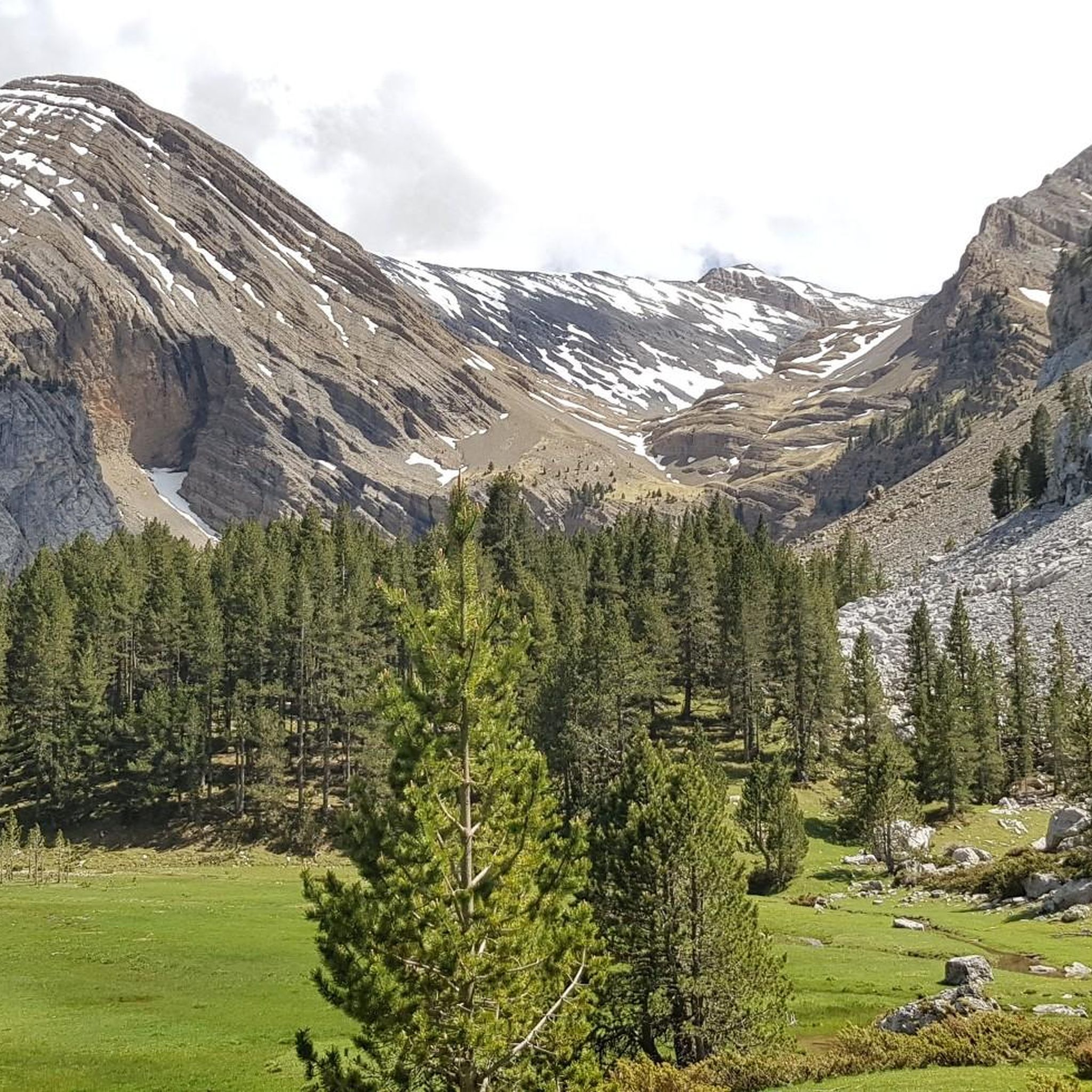
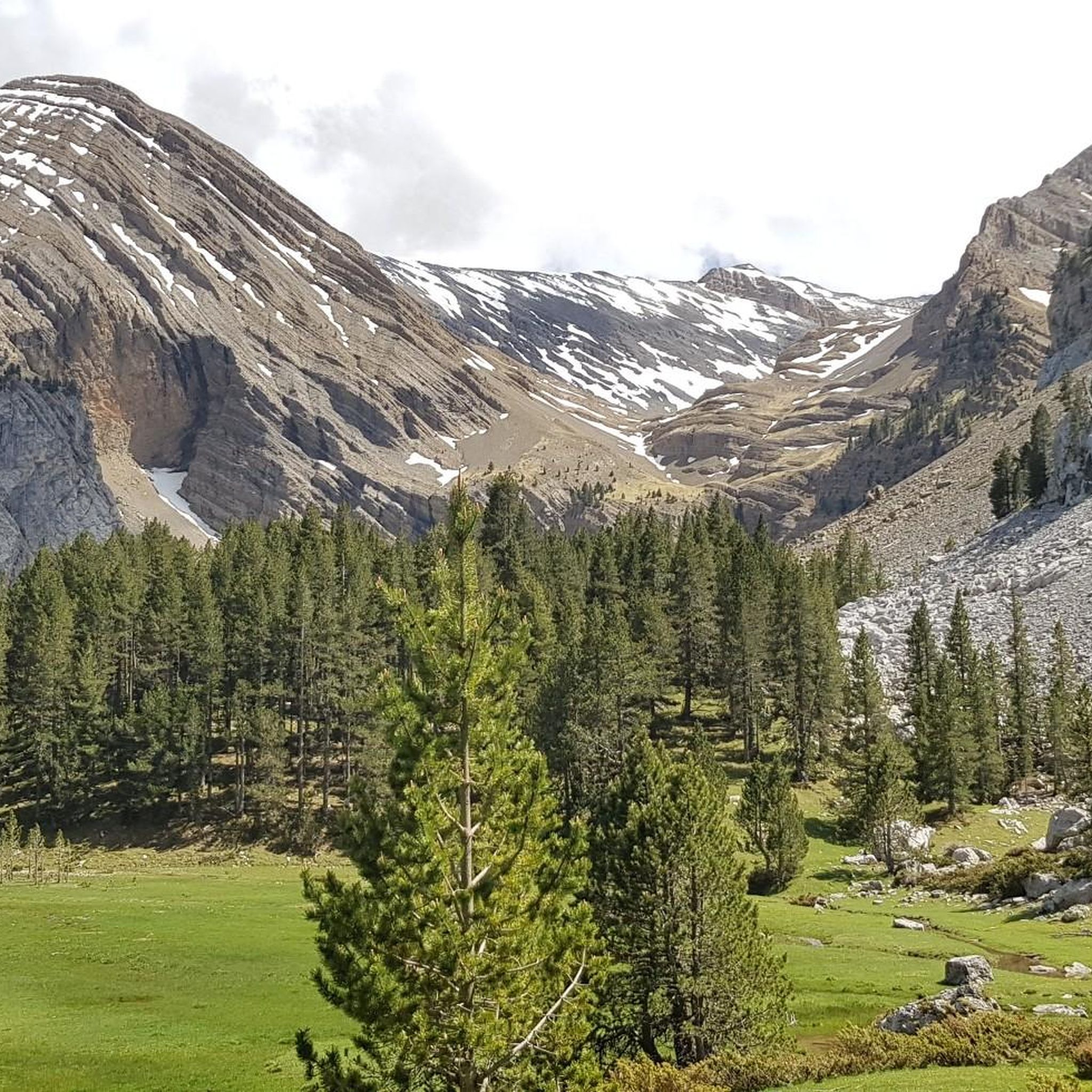
Despite being relatively easy to access, this beautiful lake located at 2300 m altitude is not one of the most visited in the Pyrenees. However, it stands out for being located in a very clear glacial cirque, with an almost perfect overexcavation basin. All Aragonese lakes are protected as they are included in the Inventory of Singular Wetlands, so any activity that could modify the quality of their waters is prohibited. While bathing is not specifically mentioned, it is understood that bathing with chemicals on the skin such as sunscreen, deodorants, perfumes or creams is negatively affecting the quality of the water, so it cannot be done. You can read the protection decree and the list of wetlands included here: aragon.es/-/humedales-de-aragon
0
0
Despite being relatively easy to access, this beautiful lake located at 2300 m altitude is not one of the most visited in the Pyrenees. However, it stands out for being located in a very clear glacial cirque, with an almost perfect overexcavation basin. All Aragonese lakes are protected as they are included in the Inventory of Singular Wetlands, so any activity that could modify the quality of their waters is prohibited. While bathing is not specifically mentioned, it is understood that bathing with chemicals on the skin such as sunscreen, deodorants, perfumes or creams is negatively affecting the quality of the water, so it cannot be done. You can read the protection decree and the list of wetlands included here: aragon.es/-/humedales-de-aragon
0
0

Currently called Lake Eriste, it has also been known as the Eriste or Linsoles Reservoir. It was built in the 1960s as part of the creation of the Eriste Hydroelectric Power Station, although its function is to collect water from the power station and accumulate it for the Sesué generating station. A pleasant path runs along its left bank with numerous benches and picnic tables where you can make stops.
0
0

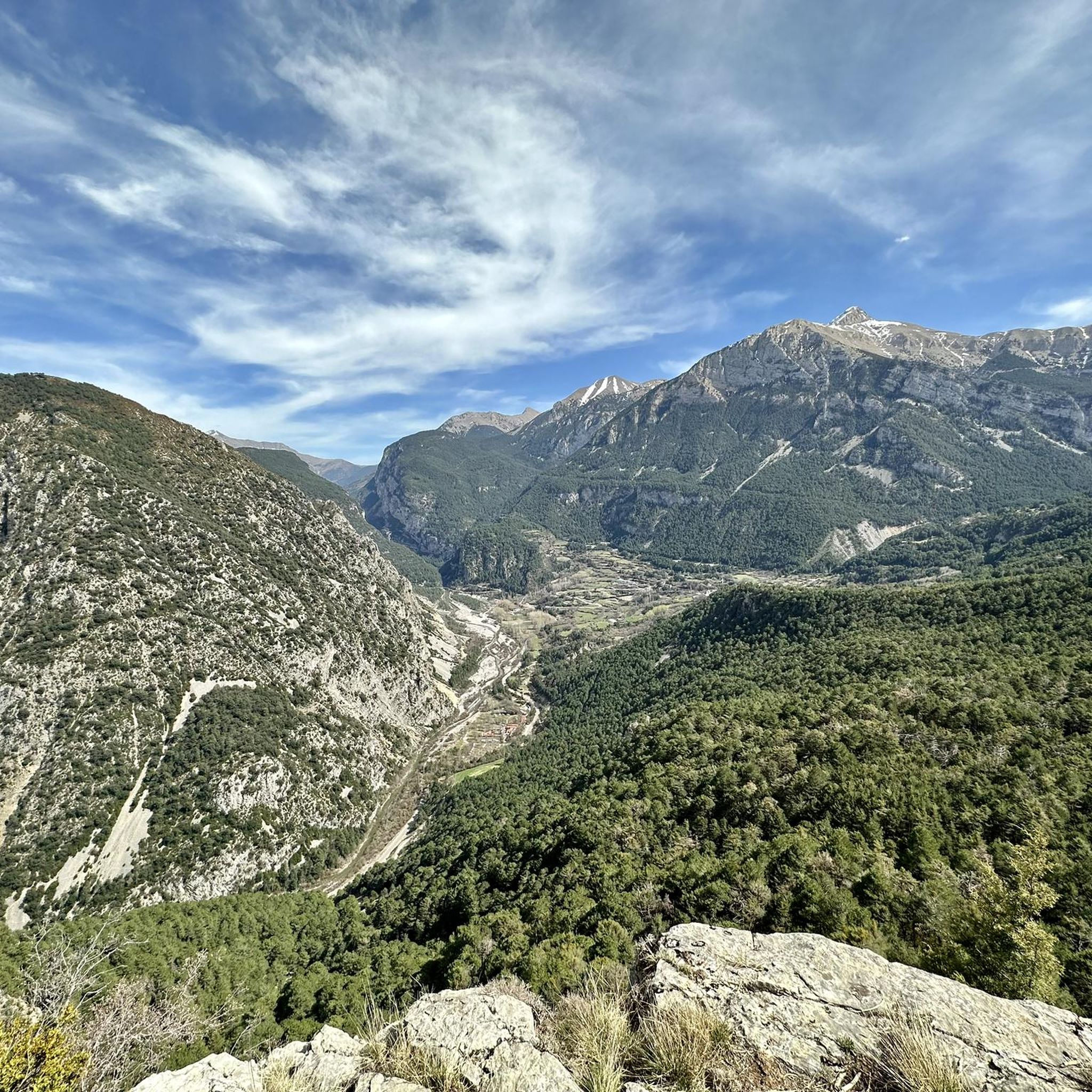
The Linsoles Reservoir is a small reservoir that is located very close to the town of Eriste, and where the waters of the Ésera river, coming from the Maladeta massif, come from.
0
0
The name of these lakes, at an altitude of 2,315 m, is a good example of the richness and linguistic diversity of Aragonese, since in the Benasque valley they are called "Barbarisa" and in the neighboring Chistau valley, "Barbaricia". All the Aragonese lakes are protected by being included in the Inventory of Singular Wetlands, therefore any activity that could modify the quality of their waters is prohibited. While bathing is not specifically mentioned, it is understood that bathing with chemicals on the skin such as sunscreen, deodorant, perfume, or lotion is negatively affecting water quality, so it cannot be done. You can read the protection decree and the list of wetlands included here: https://www.aragon.es/-/humedales-de-aragon
0
0
The name of these lakes, at an altitude of 2,315 m, is a good example of the richness and linguistic diversity of Aragonese, since in the Benasque Valley they are called "Barbarisa" and in the neighboring Chistau Valley, "Barbaricia". . All the Aragonese lakes are protected as they are included in the Inventory of Singular Wetlands, so any activity that could modify the quality of their waters is prohibited. While bathing is not specifically mentioned, it is understood that bathing with chemicals on the skin such as sunscreens, deodorants, perfumes or creams is negatively affecting the quality of the water, so it cannot be done. You can read the protection decree and the list of wetlands included here: boa.aragon.es/cgi-bin/EBOA/BRSCGI?CMD=VEROBJ&MLKOB=558856590404
0
0
The Linsoles (or Eriste) Reservoir was built in the 1960s to collect the water channeled through the mountain to power the Eriste hydroelectric power station. It is one of the 3 reservoirs of the Ésera river in the Benasque valley.
0
0
Frequently Asked Questions
Where are the lakes around Plan located?
The lakes around Plan are primarily located in the Pyrenees, characterized by mountainous terrain. They include high-altitude glacial lakes and man-made reservoirs, often found in clear glacial cirques and Pyrenean valleys.
Are there any lakes with historical or cultural significance in the Plan region?
Yes, Ibón of Plan (Basa de la Mora) is known for a local folktale about a Moorish princess who is said to have drowned there. Tradition holds that on the night of San Juan, those with a pure heart can see her dancing on the lake's surface.
Which lakes are suitable for families?
Linsoles Reservoir is noted as family-friendly. Another option is Lago de Eriste, which has a pleasant path along its left bank with numerous benches and picnic tables, making it ideal for family outings.
What kind of natural features can I expect to see at these lakes?
You'll find a variety of aquatic environments, from natural ibones (glacial lakes) formed by ancient glaciers to man-made reservoirs. Many are situated in stunning glacial cirques, offering impressive mountain views. For example, Ibón del Sen is located in a very clear glacial cirque with an almost perfect overexcavation basin.
What outdoor activities can I do near the lakes around Plan?
The region offers various outdoor activities. You can find numerous running trails, including the challenging Ibón de Plan Trail via GR 15. There are also extensive mountain hikes and road cycling routes in the surrounding area.
Are there any hidden gem lakes worth visiting?
Ibón del Sen, despite being relatively easy to access and located at 2300 meters altitude, is not one of the most visited in the Pyrenees, making it a beautiful hidden gem for those seeking tranquility.
Can I swim in the lakes around Plan?
All Aragonese lakes, including those around Plan, are protected as part of the Inventory of Singular Wetlands. Activities that could modify water quality are prohibited. While bathing isn't explicitly banned, using chemicals like sunscreen or deodorants is understood to negatively affect water quality and is therefore not permitted. It's best to avoid swimming with such products on your skin.
What is the best time to visit the lakes around Plan?
Many of the high-altitude lakes, like Ibón of Plan (Basa de la Mora), fill up after the thaw each winter. This suggests that late spring to early autumn would be ideal for visiting when the lakes are full and the weather is more favorable for outdoor activities.
Are there any lakes with good viewpoints?
Yes, both Ibón of Plan (Basa de la Mora), Linsoles Reservoir, and Ibón del Sen are categorized as viewpoints, offering scenic vistas of the surrounding Pyrenean landscape.
What kind of trails can I find for hiking around the lakes?
You can find trails of varying difficulties. For instance, the route to Ibón of Plan (Basa de la Mora) is considered intermediate. There are also many mountain hikes in the area, some of which are quite challenging, such as those leading to Posets Summit.
Are there any man-made lakes or reservoirs in the area?
Yes, Linsoles Reservoir is a significant man-made lake built in the 1960s for hydroelectric power. It is one of three reservoirs on the Ésera river in the Benasque valley.
Most popular routes around Plan
Most popular attractions around Plan

Get inspired with the komoot mobile app


Explore more
Still not found your perfect lake around Plan? Check out the guides of these regions to see even more beautiful places.
